

Your favorite armchair’s worn elbows tell a story—but it shouldn’t end with replacement. Coffee stains, pet scratches, and daily friction leave chair arms looking threadbare while the rest of the upholstery remains pristine. Before you resign yourself to costly reupholstery, consider this targeted solution: custom arm caps that shield high-wear zones while injecting fresh style. Learning how to make arm caps for chairs transforms furniture preservation into a weekend project, protecting your investment with tailored flair. You’ll extend your chair’s life by 5-10 years while swapping seasonal fabrics to match changing decor schemes—all without dismantling the entire piece.
Choose Durable Fabric That Survives Daily Wear
Select Fabric Based on Your Lifestyle Needs
Upholstery-weight cotton blends strike the ideal balance for busy homes, handling weekly machine washing without fading or shrinking. For pet owners, microfiber repels claw snags and wipes clean with a damp cloth—no harsh chemicals needed. Leather or faux leather develops a rich patina over time, perfect for home offices where spills threaten paperwork. Avoid delicate silks or loosely woven fabrics; they’ll pill within weeks on high-contact arm surfaces. Always pre-wash natural fibers to prevent post-construction shrinkage that ruins your fit.
Gather These Non-Negotiable Supplies
Skip the frustration of mid-project shortages with this checklist:
– Main fabric (calculate using your chair’s measurements)
– 1/4″ to 1/2″ batting for cushioning (cut 10% smaller than fabric)
– Heavy-duty sewing machine needle (size 90/14 or larger)
– Fabric marking pen that disappears when pressed
– Velcro strips (1″ wide for secure attachment)
– Iron (critical for crisp seams)
Omit lining fabric if using thick upholstery-weight material, but add it for thin cottons to prevent transparency. Test spray adhesive on batting scraps first—some leave stiff spots that compromise comfort.
Measure Chair Arms Like a Professional Patternmaker
Capture Critical Dimensions in Three Steps
Measure from the arm’s front edge to the back corner where it meets the chair frame—this determines your longest seam. Record the width across the arm’s widest point (typically 6-8 inches), adding 1″ for hemming. For curved arms, press flexible cardboard against the surface, trace its outline, then cut to create a reusable template. Always include 1/2″ seam allowances on all sides. Skipping this step causes gaps at curves or tight fits that slide off during use.
Create a Fitting-Perfect Pattern Without Guesswork
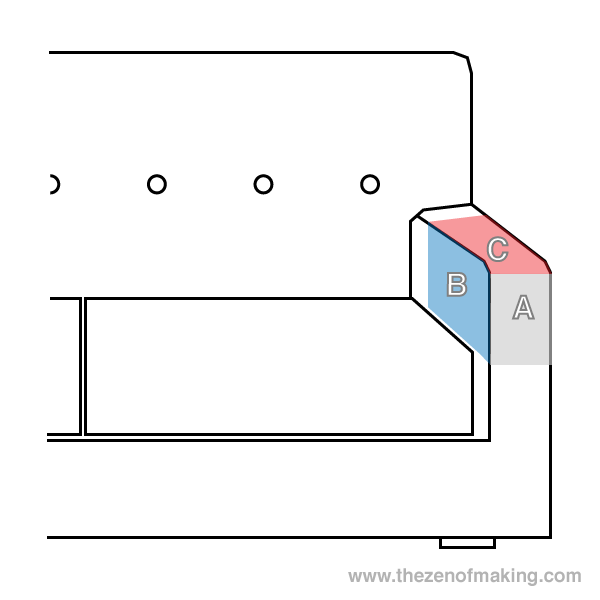
Lay butcher paper over the armrest, securing it with masking tape. Trace the contour using a fabric marker, pressing paper firmly into crevices. For wingback chairs, extend the pattern to cover the entire wing curve. Transfer this shape to cardboard, then cut it out as your master template. Test it by placing tissue paper over the arm—adjust darts where paper bunches until it lies flat. This template becomes your blueprint for all future arm caps on that chair model.
Build Flawless Arm Caps in Four Precision Steps

Follow This Construction Sequence for Smooth Results
Step 1: Cut and layer materials
Place your cardboard template on wrong-side-up fabric, aligning with the grain. Cut two identical pieces per arm. Lay batting 10% smaller than fabric on the wrong side, securing it with temporary spray adhesive. Pin lining fabric on top if using.
Step 2: Sew perimeter seams
Place main fabric and lining right sides together. Stitch 1/2″ from edges, leaving a 4″ gap on one straight side for turning. Clip curves every 3/4″ to eliminate puckering when flipped. Critical move: Trim excess batting from seam areas to reduce bulk.
Step 3: Turn and press
Use a blunt chopstick to push out corners through the gap. Press edges under 1/4″ all around, then hand-stitch the opening closed with invisible ladder stitches. Iron seams flat—this single step makes homemade caps look professionally made.
Step 4: Add security features
Sew 1″ Velcro loop strips to the cap’s inner edge. Attach adhesive hook strips to the chair arm itself for tool-free removal during washing. For wooden arms, insert 1/4″ elastic into a 1″ hem casing along the inner curve to prevent slippage.
Solve Slipping and Gapping Problems Permanently
Choose Attachment Methods for Your Chair Type
For upholstered chairs: Sew silicone grip dots to the cap’s underside—they’re invisible but create traction against fabric. Add 2″ fabric ties at the back corners to secure under the chair seat. For wooden arms: Embed small curtain weights (1/2 oz each) in the hem corners; they anchor caps without marring finishes. For recliners: Use magnetic strips sewn into the hem—attach steel tape to non-moving frame sections to avoid interference with mechanisms.
Avoid elastic bands that dig into arms or Velcro that damages delicate fabrics. Test attachment methods with a temporary cap first—what works on a dining chair may fail on a curved wingback.
Elevate Basic Caps with Custom Details
Transform Utility into Artistic Accents
Piping makes cheap fabric look luxe: Cut 1.5″ bias strips from contrasting fabric, fold over 1/4″ cording, and insert between main fabric and lining during assembly. Monogramming adds personality: Use iron-on transfer paper to apply initials near the front edge—choose thread colors matching your room’s accent palette. Reversible designs double your options: Sew two fabrics right sides together with batting sandwiched inside, then turn through a side gap. Top-stitch both layers 1/8″ from the edge for clean lines.
For vintage chairs, apply ric-rac trim along the bottom edge where the arm meets the seat. On modern pieces, use geometric laser-cut faux leather appliqués for industrial flair. Seasonal swaps become effortless when you create multiple sets using the same template.
Maintain Arm Caps to Maximize Longevity
Wash and Store According to Fabric Type
Machine-washable cottons: Zip caps into a pillowcase, use cold water on gentle cycle, and air-dry flat. Never tumble-dry—heat melts adhesive-bonded batting. Microfiber/leather: Spot-clean with specialized wipes, then condition monthly to prevent cracking. Quilted caps: Roll around cardboard tubes instead of folding to avoid permanent creases.
Apply fabric protector spray before first use—it repels spills for 6+ months. Rotate two cap sets monthly to distribute wear evenly. Store off-season caps in breathable cotton bags with lavender sachets to deter moths.
Fix Common Construction Mistakes in Minutes

Troubleshoot Fit and Function Issues
Gaping at curves? Unpick 2″ of seam at the problem area, pin a 1/2″ dart pointing toward the gap, then restitch. Caps sliding forward? Sew 1/4″ silicone dots in a triangle pattern under the elbow zone. Bulky seams? Grade seam allowances by trimming one layer to 1/4″ and the other to 3/8″, then press open.
If caps feel too tight, carefully rip side seams and insert 1″ fabric strips along the inner curve. For stretched-out Velcro, replace hook strips every 6 months—sunlight degrades adhesive over time.
Budget Smartly for Quality Results
Material Costs vs. Time Investment
| Project Level | Fabric Cost | Time Required | Best For |
|---|---|---|---|
| Budget ($5-10) | Discount cotton duck | 2-3 hours | Dining chairs, kids’ furniture |
| Mid-range ($15-25) | Designer home decor fabric | 1.5 hours | Living room accent chairs |
| Premium ($30-50) | Leather + custom piping | 45 minutes | Heirloom pieces, frequent use |
First-timers should start with dining chair arms—they’re rectangular and forgiving. Allow 6 hours for your initial project including pattern adjustments. Once perfected, you’ll churn out matching sets in under an hour. The sewing machine is the only real investment; repurpose old comforters for batting to cut costs.
Pro Techniques That Guarantee Success
Avoid Beginner Pitfalls With These Hacks
Always baste curved edges with 1/4″ long stitches before permanent sewing—this lets you adjust tension without rethreading. Use a walking foot attachment to prevent fabric layers from shifting during construction. When clipping curves, snip to but never through the seam line; this preserves structural integrity.
Critical tip: Create a muslin prototype first when using expensive fabrics. Test fit it on the chair, then adjust the cardboard template before cutting your good material. Press every seam immediately after stitching—this sets the thread and prevents puckering in subsequent steps. For leather caps, use waxed thread and a leather needle to avoid skipped stitches.
Your chair arms deserve protection that complements rather than conceals their design. By mastering how to make arm caps for chairs, you’ve gained a lifelong furniture preservation skill that costs pennies per wear. Start with one cap to perfect your technique, then create seasonal sets that rotate with your decor. The next time coffee spills or claws strike, you’ll simply unzip the cap for washing—knowing your cherished chair will look pristine for years to come. This small intervention delivers outsized impact: transforming worn elbows into intentional design features that tell a story of care, not neglect.


