

Tired of paying premium prices for patio furniture that cracks after one season? You’re not alone—millions of discarded tires end up in landfills each year while homeowners struggle to find affordable outdoor seating. The solution hiding in plain sight: learn how to make tire chairs from free automotive castoffs. This eco-friendly DIY project turns road-worn rubber into weatherproof furniture that costs less than $50 and withstands years of sun, rain, and heavy use. In this guide, you’ll discover exactly how to build everything from a single accent chair to a full couch using techniques proven in real-world builds.
Forget complicated carpentry or expensive tools—tire chair construction leverages the tire’s natural durability while requiring only basic materials. Whether you’re a weekend warrior or seasoned crafter, these step-by-step methods create Instagram-worthy seating that sparks conversations. We’ll cover everything from sourcing pristine tires to professional upholstery tricks, so you avoid common pitfalls that turn promising projects into wobbly eyesores. By the end, you’ll know exactly how to make tire chairs that look store-bought but cost a fraction.
Source Free Tires Without Hassle
Skip the classified ads and head straight to automotive service centers during weekday mornings. Most shops pay $2-$5 per tire for disposal, making them eager to hand over used passenger tires (15-17 inch) when you offer free removal. Call ahead saying, “I’m building furniture and can haul away your used tires”—you’ll often get first pick of undamaged stock. Avoid tires with visible steel belts or deep sidewall cracks, as these compromise structural integrity.
Spot Perfect Tires in 60 Seconds
- Check tread depth: Minimum 4/32″ for seating stability (stick a quarter upside down; if Washington’s head is covered, it’s usable)
- Test flexibility: Press thumb into sidewall; it should spring back without cracking
- Verify uniformity: Roll tire slowly; wobbling indicates internal damage
- Reject grease-soaked tires: Oil contamination prevents paint adhesion
Clean Tires Safely in 20 Minutes

Road grime contains toxic heavy metals that absorb through skin—always wear nitrile gloves and work outdoors. Start by pressure washing at 1,500 PSI with a degreaser attachment, focusing on the tread grooves where brake dust accumulates. For stubborn stains, apply a 1:10 bleach-water solution with a stiff-bristle brush, then rinse thoroughly. Never use wire brushes—they expose steel belts. Dry tires upright for 48 hours in direct sun; residual moisture causes paint bubbling later.
Critical Prep Step Everyone Skips
Lightly sand the entire tire surface with 120-grit paper before painting. This creates microscopic grooves for primer adhesion—skip this and your paint peels within months. Wipe away dust with a tack cloth immediately after sanding. Pro tip: Heat the tire surface to 100°F with a hair dryer before priming; warm rubber accepts coatings better.
Build a Rock-Solid Single Chair in 3 Hours
Required Materials List
- 1 passenger car tire (free-$5)
- 24″x24″ high-density foam (2″ thick, $18)
- 1/2″ plywood circle (cut 1/2″ smaller than tire interior, $7)
- Marine-grade vinyl fabric (2 yards, $15)
- Rubber bonding primer (Krylon Fusion, $6)
- Heavy-duty staples (1/2″ length, $4)
Step-by-Step Construction
Paint the tire correctly: Apply rubber bonding primer in thin, even coats using sweeping motions. Wait 4 hours between coats—rushing causes tackiness. Finish with 2 coats of outdoor acrylic paint. Matte finishes hide imperfections better than gloss.
Create the seat base: Cut plywood 1/2″ smaller than the tire’s inner diameter using a jigsaw. This allows easy insertion without forcing. Score foam with a utility knife, then slice cleanly with an electric knife for smooth edges. Spray adhesive on both surfaces, wait 30 seconds, then press foam onto plywood with firm, even pressure.
Master upholstery in minutes: Stretch fabric tightly over the foam like wrapping a gift. Staple every 2 inches starting from the center of each side, working outward. For crisp corners, fold fabric diagonally inward before stapling—this prevents bulky seams. Trim excess fabric 1″ from staples using sharp scissors.
Prevent Couch Wobble with Hidden Bracing
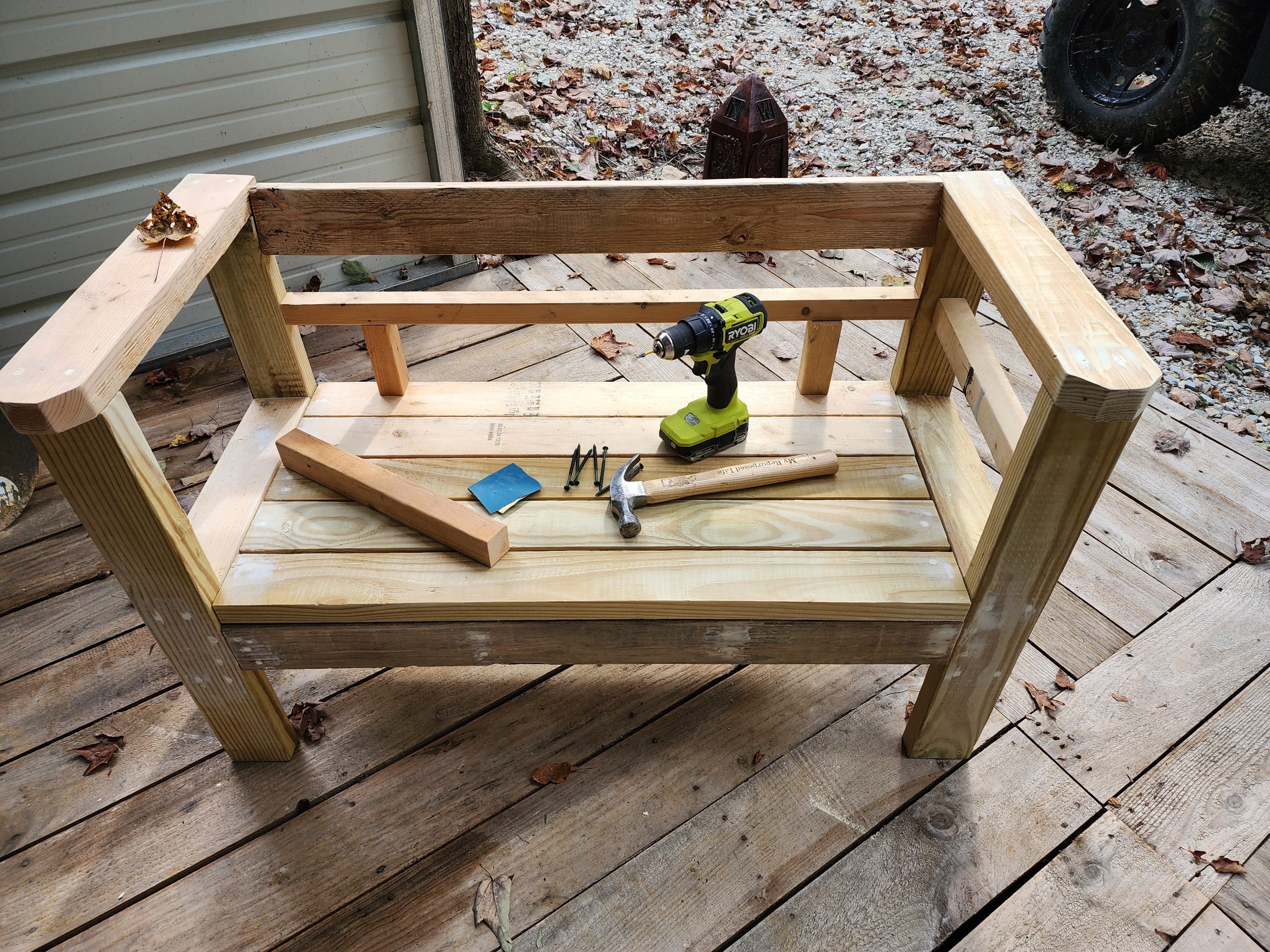
Multi-tire designs fail when builders skip internal framing. For a two-person couch, stack two tires vertically at each end for armrests, then lay two tires flat between them. Insert 2×4 lumber through the tire cavities horizontally, securing with 3″ deck screws drilled through the sidewalls. Cover lumber ends with plywood caps painted to match the tires. This creates a rigid box structure that supports 400+ lbs.
Stability Test Before Upholstering
Place the assembled frame on uneven ground. If it rocks, add adjustable rubber feet to the bottom tires. Press down firmly on each corner—if movement exceeds 1/4 inch, reinforce with L-brackets inside the tire cavities. Never skip this test; wobble worsens under weight.
Choose Weatherproof Foam That Lasts
Indoor upholstery foam disintegrates outdoors within months. For tire chairs, use open-cell foam with a hydrophobic coating (like Outdura All-Weather Foam). It drains water yet springs back to shape. Cut seats 2″ thick for comfort without excessive sinkage—thicker foam compresses unevenly on curved tire rims. For backrests, use 1.5″ foam tapered to 1″ at the top for ergonomic support.
Fabric That Won’t Fade or Mildew
Marine vinyl outperforms all alternatives for outdoor use: its UV inhibitors prevent fading, and waterproof backing blocks moisture. Choose 18-22 oz weight—lighter fabrics tear at staples. Sunbrella canvas works for shaded areas but requires annual UV spray treatment. Avoid polyester blends; they trap moisture against the tire, accelerating rot.
Fix Common Problems Before They Happen
Stop Cushions From Sliding Off
Glue 2″ wide Velcro strips to the tire rim and cushion underside using E6000 adhesive. Apply strips in 4-inch segments around the perimeter, leaving gaps for fabric stretching. Test grip by lifting one cushion edge—it should resist 10+ lbs of pull force. For a no-sew solution, create elasticized fabric covers that hug the tire like a fitted sheet.
Repair Peeling Paint Permanently
Peeling always stems from poor surface prep. Remove loose paint with a plastic scraper (metal damages rubber), then sand the area with 220-grit paper. Clean with isopropyl alcohol, apply rubber primer, and repaint using the “wet-on-wet” technique: second coat while first is still tacky. Seal with clear polyurethane for triple the lifespan.
Customize Like a Pro for Under $20
Create Built-In Storage
Cut a plywood circle that fits snugly inside the tire’s top opening. Attach with piano hinges to one side, then install magnetic catches opposite. Line the cavity with marine vinyl for a clean look. Perfect for storing outdoor cushions or gardening tools—just lift the seat to access.
Add Swivel Functionality
Place a 12″ lazy Susan bearing between two stacked tires. Reinforce with a 1/4″ steel plate sandwiched between the tires and bolted through the bearing. This supports 300+ lbs while allowing smooth rotation. Hide the mechanism by painting the top tire a contrasting color.
Maintain Tire Chairs for Decades
Skip annual deep cleaning by establishing a 5-minute monthly routine: wipe surfaces with vinegar-water solution (1:1 ratio) to neutralize UV damage, check staples for rust, and touch up paint chips immediately. In fall, apply UV-resistant clear coat to all exposed surfaces. During winter, store chairs upright on wooden blocks to prevent ground moisture absorption—never leave them flat on concrete.
Seasonal Damage Repair Kit
Keep a zippered pouch inside chair storage with: matching paint, 10 extra staples, fabric glue, and clear polyurethane. Fix minor issues within 48 hours—delayed repairs let moisture penetrate, causing irreversible damage. For foam replacement, simply remove staples, peel off fabric, and reinstall with fresh materials.
Final note: Mastering how to make tire chairs unlocks endless design possibilities—from kids’ playroom stools to resort-style lounge sets—all while diverting waste from landfills. Start with a single chair to perfect your technique, then scale up using the hidden bracing methods detailed here. Within a weekend, you’ll create seating that outlasts store-bought furniture at 20% of the cost. The next time you see a discarded tire, remember: it’s not trash, it’s tomorrow’s conversation-starting chair waiting for your craftsmanship.


