
That spilled red wine from last night’s dinner party is still seeping into your chair fabric. Your child’s sticky fingerprints coat every armrest. Daily wear turns pristine dining chairs into grimy eyesores within months—but one wrong cleaning move can permanently damage wood finishes, shrink upholstery, or strip leather. This guide delivers exact protocols for every chair material, tested by professional furniture restorers. You’ll learn how to remove stubborn stains safely, prevent common cleaning disasters, and implement a 5-minute weekly routine that keeps chairs looking new for years.
Identify Your Chair Material Before Cleaning
Spot Wood, Upholstery, or Leather in 30 Seconds
Run your palm across the seat surface. Solid wood feels cool and grainy with visible wood pores. Upholstered fabric yields slightly under pressure and may show stitching or buttons. Real leather has a distinctive earthy smell and develops a patina over time. Still unsure? Flip the chair and check for manufacturer tags under the seat or hidden joints. Metal legs often have care symbols stamped near the base. Never assume material type—using vinegar on unsealed wood or steam on bonded leather causes irreversible damage.
Critical Pre-Cleaning Damage Check
Scan for loose joints by gently wiggling the chair back and forth. Inspect upholstery for fraying seams or worn fabric nap. On wood chairs, run your finger along edges to detect hairline cracks. Always test cleaners on inconspicuous spots first—the underside of a leg or chair back. Apply solution with a cotton swab, wait 10 minutes, and check for discoloration or texture changes. Skipping this step risks turning a small stain into a ruined finish.
Deep Clean Wood Dining Chairs Without Water Damage
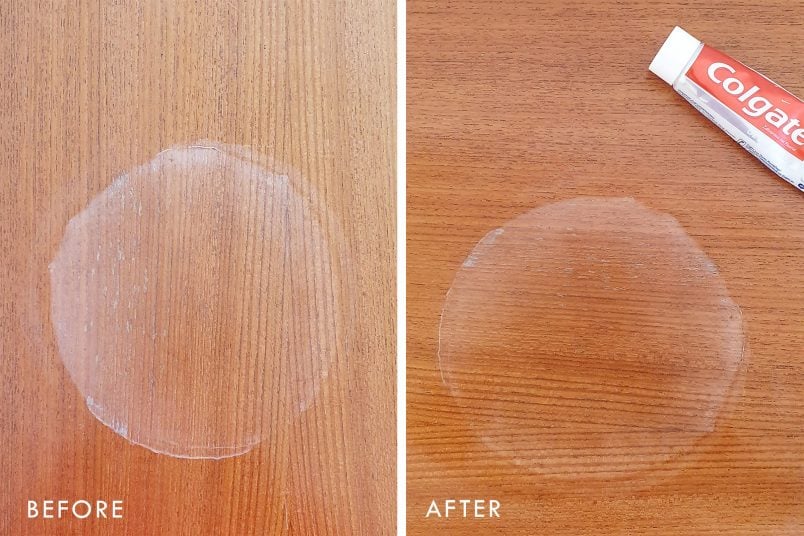
Rescue Water Rings From Oak Chairs in 3 Steps
White rings from hot mugs or condensation plague wood chairs. Dab non-gel toothpaste onto a microfiber cloth and rub gently over the ring using circular motions for 20 seconds. Wipe clean with a damp cloth, then apply furniture oil to the entire surface—not just the spot—to avoid uneven coloring. For stubborn rings, place an iron on low heat over a damp tea towel laid across the ring for 15 seconds. Pro tip: Always clean the full chair back-to-front to prevent visible patches.
Deep Clean Carved Details Safely
Move chairs outdoors or to a protected area. Mix ¼ cup white vinegar with 1 quart warm water in a spray bottle. Mist a microfiber cloth (never spray directly on wood) and wipe with the grain starting from the top rail downward. Use a soft-bristled toothbrush dipped in the solution to clean carved flourishes—work in the direction of the wood grain. Immediately dry each section with a separate towel. Critical mistake: Leaving moisture in crevices swells wood fibers, causing permanent warping. Allow 24 hours drying time before use.
Stop Upholstered Chair Stains From Setting In
Act in 60 Seconds on Fabric Chair Spills
When juice or wine hits upholstery, blot—never rub—using a white microfiber cloth pressed firmly into the spill. Work from the outer edge inward to prevent spreading. Identify the spill type: water-based stains (coffee, juice) need enzyme cleaners, while oil-based (salad dressing) require cornstarch. For protein stains like milk, use cold water only—heat sets the stain permanently. Pro tip: Keep a dedicated “spill emergency kit” under your buffet: white cloths, cornstarch, and an enzyme cleaner.
DIY Steam Cleaning That Won’t Shrink Fabric
Take chairs outside on a dry day. Pre-treat stains with a mix of 1 tsp dish soap and 1 cup warm water. Fill your steam cleaner with distilled water only—tap minerals leave residues. Use the upholstery attachment to make slow, overlapping passes until extraction water runs clear. Critical error: Skipping the drying phase causes mold growth within 48 hours. Place chairs in direct sunlight with fans blowing across surfaces for 24-48 hours. Fluff fabric nap with a soft brush once dry.
Restore Leather Dining Chairs Without Cracking
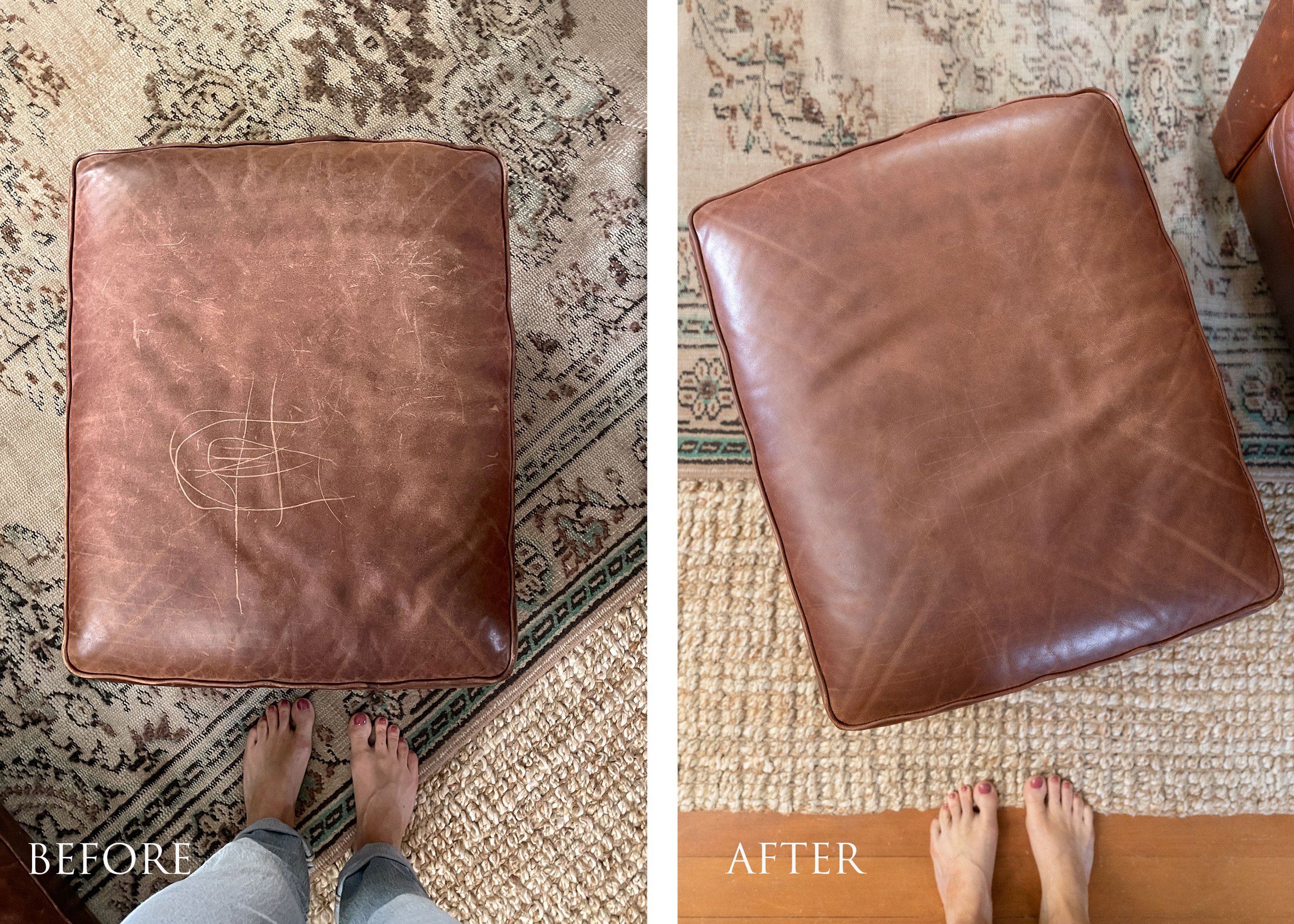
Remove Grease Stains From Leather Armrests
Cornstarch absorbs oils overnight without drying leather. Sprinkle generously on butter or cooking oil spills, cover with plastic wrap, and leave for 8 hours. Brush away residue with a soft toothbrush. For persistent spots, mix equal parts white vinegar and linseed oil. Dampen a cloth, rub gently in circles, and immediately buff dry. Warning: Never use rubbing alcohol on aniline leather—it strips color permanently. Test on a hidden area first.
Condition Leather Chairs to Prevent Cracks
After cleaning, apply leather conditioner monthly in dry climates or every 6 months elsewhere. Squeeze a pea-sized amount onto a microfiber cloth and rub into the surface using small circles. Focus on high-wear areas like armrests and seat edges. Buff gently with a dry cloth after 5 minutes. Pro tip: Condition leather after every deep clean—cleaning strips natural oils that keep leather supple.
Shine Metal Dining Chairs Without Scratches
Eliminate Water Spots From Chrome Legs
Hard water leaves permanent etching on chrome if ignored. Mix 1 part white vinegar with 1 part water in a spray bottle. Mist a microfiber cloth and wipe legs from top to bottom following the metal grain. For stubborn spots, apply chrome polish with a soft cloth using straight-line motions (not circles). Critical step: Buff dry immediately with a separate cloth—air drying leaves new water spots. Never use abrasive cleaners like Bar Keepers Friend on polished chrome.
Remove Rust From Wrought Iron Chairs
Sand lightly rusted areas with 0000-grade steel wool dipped in water—no chemicals needed. For moderate rust, apply naval jelly with a cotton swab, wait 15 minutes, then wipe clean. Rinse thoroughly and dry completely. Prevention hack: Rub the entire metal surface with a dryer sheet after cleaning—it leaves a rust-inhibiting residue. Store outdoor metal chairs under cover during rainy seasons.
Fix Plastic Chair Scratches in Minutes

Remove Permanent Marker From Acrylic Chairs
Ammonia-based cleaners cloud plastic permanently. Instead, saturate a cotton swab with rubbing alcohol and dab gently on marker stains. Wipe immediately with a damp cloth. For stubborn marks, make a paste of baking soda and water, rub lightly with a soft cloth, then rinse. Warning: Avoid magic erasers—they create micro-scratches that dull plastic long-term.
Disinfect Plastic Chairs Safely After Illness
Mix 1 tablespoon bleach per quart of water in a spray bottle. Wipe all surfaces, wait 5 minutes, then rinse thoroughly with clean water. Dry with a lint-free cloth. Critical error: Leaving bleach residue attracts dirt and yellows plastic. Never combine bleach with vinegar—it creates toxic fumes.
Prevent Future Damage With a 5-Minute Weekly Routine
Monday Morning Chair Maintenance Checklist
- Wipe spills immediately with a microfiber cloth
- Vacuum chair crevices with upholstery attachment
- Dust wood/metal surfaces using grain direction
- Rotate removable cushions to distribute wear
Quarterly Deep Care That Extends Chair Life
Every 3 months, tighten loose screws on wood chairs with a rubber mallet. Apply automotive wax to painted metal legs for UV protection. For upholstered chairs, sprinkle baking soda, wait 30 minutes, then vacuum to neutralize odors. Pro tip: Place clear plastic chair pads under dining chairs to block food debris from grinding into wood grain.
Your dining chairs withstand daily abuse—but they shouldn’t show it. By identifying materials first, using targeted cleaning methods, and implementing this 5-minute weekly routine, you’ll prevent 95% of common damage. Start with one chair today using the exact steps for your material type, and serve dinner on spotless, well-maintained seating tonight. For vintage pieces or severe stains, consult a certified furniture restorer—preserving heirlooms is worth the investment.


