

Your couch absorbs life’s messy moments—crumbs from movie nights, wine spills during celebrations, and pet hair that somehow multiplies overnight. When stains and odors become impossible to ignore, most people panic about damaging expensive upholstery. But you don’t need a professional cleaning service to restore your furniture. How to clean couches and chairs safely is simpler than you think when you follow fabric-specific techniques. This guide reveals exact methods professionals use for every material, from delicate silk to tough microfiber, so you can tackle stains confidently. Skip the expensive services and learn to refresh your seating in under an hour.
Identify Your Upholstery Fabric Before Cleaning
Decode Cleaning Tags to Avoid Disasters
Flip over cushions or check the frame for a hidden tag with critical codes: W means water-based cleaners are safe, S requires solvent-only products, WS accepts both, and X demands professional help. Missing the tag? Rub a damp white cloth on a hidden area—if color transfers, it’s not colorfast. Never skip this step: using water on S-coded fabrics creates permanent water rings that look worse than the original stain.
Spot Fabric Types in 10 Seconds
Run your fingers across the surface: Fabric feels like clothing material (common in cotton or polyester blends), Leather is cool and smooth with subtle grain lines, Microfiber has a soft, velvety nap that repels water, and Suede leaves a faint mark when touched. Misidentifying material causes 70% of DIY cleaning disasters—when in doubt, test cleaners on a hidden seam first.
Gather These Essential Cleaning Tools

Non-Negotiable Equipment Checklist
You’ll need a vacuum with upholstery attachments (crucial for pre-cleaning dust), white microfiber cloths (colored fabrics bleed dye), a soft-bristled brush, rubber gloves, and spray bottles. Skip colored rags—they transfer dye onto light furniture. For microfiber, add a suede brush to lift crushed nap. Never use paper towels on delicate fabrics; they leave lint that grinds deeper into fibers.
DIY Solutions That Actually Work
Mix 2 cups warm water + 1 tbsp dish soap + 1 tbsp white vinegar for most fabric stains. For set-in grease, combine ½ cup hydrogen peroxide + 1 tbsp dish soap + 2 tbsp baking soda into a paste. Leather needs gentler care: few drops castile soap in distilled water. Always shake solutions in spray bottles—never pour directly onto furniture.
Fabric Upholstery Deep Cleaning Protocol
Critical Pre-Cleaning Steps You Skip
Vacuum every crevice for 5 minutes minimum—dirt trapped under cushions becomes mud when wet. Remove all cushions and photograph stubborn stains for progress tracking. Then, spray your cleaner on a hidden area (like under an armrest) and wait 24 hours. If discoloration occurs, switch methods immediately. Skipping this test risks irreversible damage to visible areas.
Water-Safe Fabric Cleaning (Code W)
Whisk ¼ cup dish soap + 1 cup warm water until foamy—not liquid. Dip a soft brush into foam only (no drips!), then scrub stains in tight circles from the edge inward. Blot with a dry cloth every 30 seconds to pull out grime. Over-wetting causes shrinkage, so never saturate fabric. Allow 6–8 hours drying time with fans circulating air—never use hairdryers.
Solvent-Only Fabric Rescue (Code S)
Apply dry-cleaning solvent to a white cloth (never directly to fabric), then blot stains gently without rubbing. Work outward toward the stain’s center to prevent spreading. Let the solvent evaporate completely—usually 2 hours—before vacuuming residue. Critical warning: Water on S-coded fabrics creates permanent rings that attract more dirt.
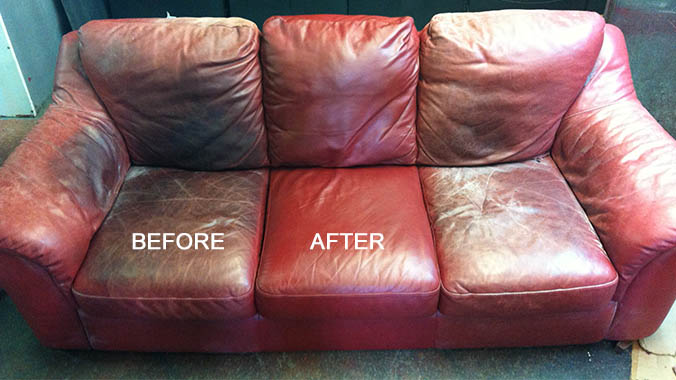
Leather Furniture Revival Techniques
Daily Maintenance That Prevents Damage
Wipe leather weekly with a dry microfiber cloth to remove dust particles that scratch surfaces. Keep furniture 12+ inches from heat sources and direct sunlight to prevent cracking. Never use olive oil as conditioner—it turns rancid and attracts dirt. Immediate spill response is non-negotiable: blot liquids within 60 seconds.
Stain-Specific Leather Fixes
For grease stains, cover the spot with cornstarch overnight to absorb oil, then brush away. Ink marks need a cotton swab dipped in rubbing alcohol—dab gently for 10 seconds max. Water rings require patience: blot dry and air-dry naturally (no heat!). After any cleaning, apply pH-balanced leather conditioner to the entire panel—not just the cleaned area—to avoid color mismatch.
Microfiber Couch Cleaning Secrets
The Alcohol Method That Works
Vacuum first with a soft brush attachment, then lightly mist rubbing alcohol onto a white sponge (test in hidden area first). Gently scrub in the direction of the nap—microfiber’s texture hides stains when brushed correctly. Air-dry completely before fluffing fibers with a suede brush. Never use water alone—it leaves white rings that require re-wetting the entire cushion to fix.
Pet Accident Protocol
Blot urine immediately with paper towels, then saturate the area with enzyme cleaner. Cover with plastic wrap for 24 hours to let enzymes break down odors. Vacuum baking soda afterward to absorb residual moisture. Repeat if odors linger—enzyme cleaners need multiple applications for deep-set accidents.
Stain Removal Cheat Sheet for Emergencies
Coffee, Wine, and Grease Spills
Coffee/tea: Blot immediately, then apply 1 tbsp vinegar + 1 tbsp soap + 2 cups water. For wine, cover with salt for 15 minutes before vacuuming and using 1 part soap + 2 parts hydrogen peroxide. Grease requires cornstarch overnight—never rub, as heat sets oil into fibers.
Blood and Pet Stains
Use cold water only on blood (hot water cooks proteins into fabric). Mix 1 tsp salt + 2 cups cold water, blot gently, and rinse. Pet accidents need enzyme cleaners left under plastic wrap for 24 hours—baking soda alone won’t eliminate odors.
Steam vs. Dry Cleaning: When to Use Each

Steam Cleaning Success Rules
Only use on W or WS fabrics after pre-vacuuming. Fill the machine with manufacturer-approved solution—not household cleaners that leave sticky residue. Work in 2×2 foot sections, extracting maximum moisture each pass. Drying takes 6–8 hours; sleeping on damp fabric causes mold. Never steam clean silk or velvet—it collapses fibers.
Dry Cleaning Powder Method
For S-coded or delicate fabrics, sprinkle dry-cleaning powder evenly. Brush gently with a soft cloth, let sit 15 minutes, then vacuum thoroughly. Repeat for heavy soiling. Skip this for microfiber—it leaves powdery residue that attracts dirt.
Eliminate Pet Hair and Odors in Minutes
Hair Removal Hacks That Work
Dampen a rubber glove and wipe across fabric—static lifts hair instantly. For stubborn tufts, use a rubberized pet-hair vacuum attachment. Pro tip: Wipe surfaces with a used dryer sheet to repel future hair buildup.
Odor Elimination That Lasts
Sprinkle baking soda liberally over all surfaces, including crevices. Let sit 8+ hours (overnight is ideal), then vacuum with an upholstery attachment. For urine odors, follow with enzyme cleaner. Never use Febreze—it masks smells but doesn’t remove odor molecules.
Seasonal Maintenance Schedule
Weekly 5-Minute Routine
Vacuum all surfaces, rotate cushions, and spot-clean new spills. Dust wooden legs with a dry cloth to prevent grime buildup.
Quarterly Deep Clean
Rotate cushions for even wear, vacuum under frames, and apply fabric protector. Test cleaners first on seasonal stains like sunscreen or pollen.
When to Skip DIY and Call Professionals
Emergency Professional Scenarios
Contact experts for Code X fabrics, antique pieces, water damage, or mold. Also call if you see:
– Color bleeding after cleaning
– Structural frame damage
– Persistent odors after 3 DIY attempts
– Expensive materials like silk or velvet
Avoid These 5 Costly Mistakes
Critical Errors That Ruin Furniture
Never rub stains—always blot outward to prevent spreading. Never use hot water on blood—it sets proteins permanently. Never skip patch tests—hidden area checks prevent visible damage. Over-wetting causes shrinkage, and colored cloths transfer dye. Most importantly: never rush drying—moisture trapped under cushions breeds mold within 48 hours.
Pro Tips for Long-Lasting Freshness
Fabric Protection That Works
Apply Scotchgard Protector annually after deep cleaning. Use washable arm covers on high-wear areas and keep food/drinks 3+ feet from seating. Address spills within 5 minutes—the golden rule for stain removal.
Build a 30-Second Emergency Kit
Keep this in your closet: white cloths, baking soda, spray bottle with water/vinegar mix, and rubbing alcohol. For leather, add pH-balanced conditioner. Being prepared prevents panic when accidents strike.
Your couch deserves care that matches its value in your home. By identifying fabrics first, using targeted cleaning methods, and avoiding common pitfalls, you’ll extend its life for years. Start with the gentlest solution possible, always test hidden areas, and prioritize thorough drying. When you follow these precise steps, how to clean couches and chairs transforms from a dreaded chore into a satisfying routine that keeps your furniture looking showroom-fresh. Grab your supplies and tackle that first stain—you’ve got this.


