
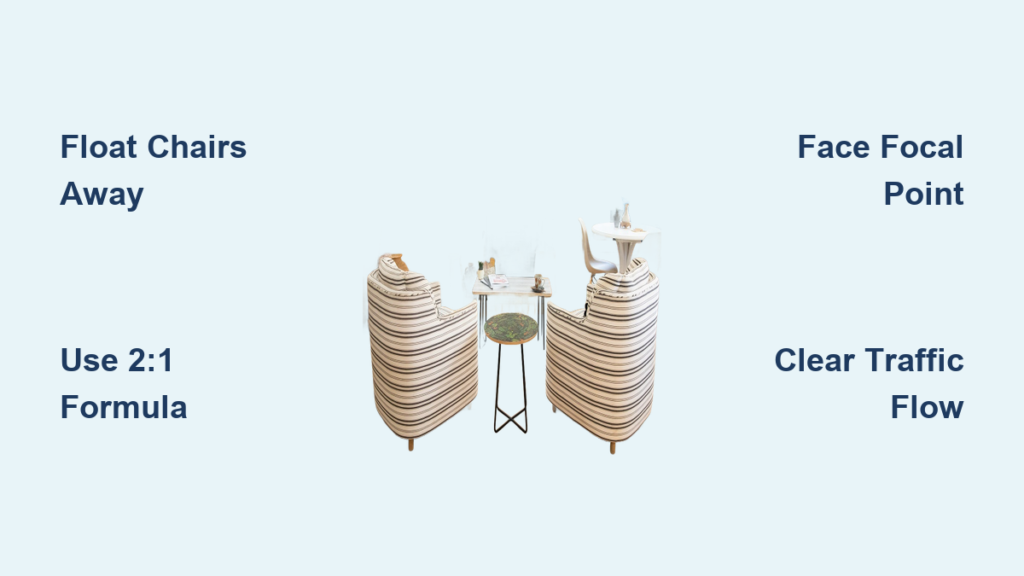
That awkward feeling when guests sit down and conversation dies? It’s probably not your fault—it’s your chair arrangement. Most living rooms fall victim to the “wall-hugging” syndrome where every piece gets pushed to the perimeter, leaving an empty, uninviting space in the center. When you know how to arrange chairs in living room spaces properly, you create natural conversation zones, improve traffic flow, and transform sterile spaces into warm gathering spots. The difference between a room that feels like a waiting area and one that beckons people to linger often comes down to just a few inches of strategic positioning.
You don’t need expensive furniture or professional help—just proven techniques that work in any space. By the end of this guide, you’ll have actionable steps to position your chairs for optimal comfort, conversation, and flow. Whether you’re working with a compact apartment or a sprawling great room, these chair arrangement principles will help you create a living room that genuinely feels lived-in and welcoming.
Pull Furniture Away From Walls for Instant Warmth
The single most effective change you can make when learning how to arrange chairs in living room layouts is moving them off the walls. This simple adjustment transforms cold, disconnected spaces into warm gathering areas. When chairs float in the room rather than hug the perimeter, you create natural conversation zones and eliminate that empty bowling-alley feeling in the center.
Start with 3-4 inches minimum between chair backs and walls in small spaces. In larger rooms, give yourself several feet of clearance. This floating technique works even in compact apartments—just scale the distance accordingly. The visual breathing room makes your space feel more intentional and less like a furniture showroom.
Create Natural Conversation Areas
Position chairs to face each other at slight angles rather than straight-on. This subtle inward tilt encourages interaction without feeling confrontational. Think of creating a gentle circle where everyone can see and hear each other comfortably. For optimal conversation flow, maintain 6-8 feet between chairs—close enough for easy talking but far enough to avoid invading personal space.
Define Separate Zones with Strategic Placement
Use the backs of floating chairs to create invisible boundaries within open floor plans. A strategically placed chair can separate your living area from dining space without blocking light or movement. This technique works especially well in studio apartments where you need visual separation without physical barriers.
Master the 2:1 Designer Formula for Perfect Balance

Professional designers swear by the 2:1 principle: two chairs paired with one sofa. This fail-proof combination works regardless of room size and creates both visual balance and functional seating. The specific configuration involves placing the two chairs beside each other at a slight inward angle, facing the sofa.
Position Your Chair Pair for Conversation Flow
Place two matching chairs beside each other, angled slightly toward your sofa. This creates a conversation triangle that feels intentional and welcoming. The distance between chair fronts and sofa should be 18 inches—close enough for easy conversation but wide enough for comfortable passage. If you’re arranging accent chairs near a fireplace, maintain this same distance for consistent flow.
Scale to Your Space with Proportion Awareness
In smaller rooms, choose chairs with open legs and lighter profiles. Large spaces can handle substantial club chairs or even wingbacks. The key is maintaining the ratio: always two chairs to one sofa, never the reverse. Oversized chairs in compact spaces feel oppressive, while tiny chairs in vast rooms look lost and sad—getting this balance right is crucial when you arrange chairs in living room settings.
Establish Your Focal Point Before Positioning Chairs
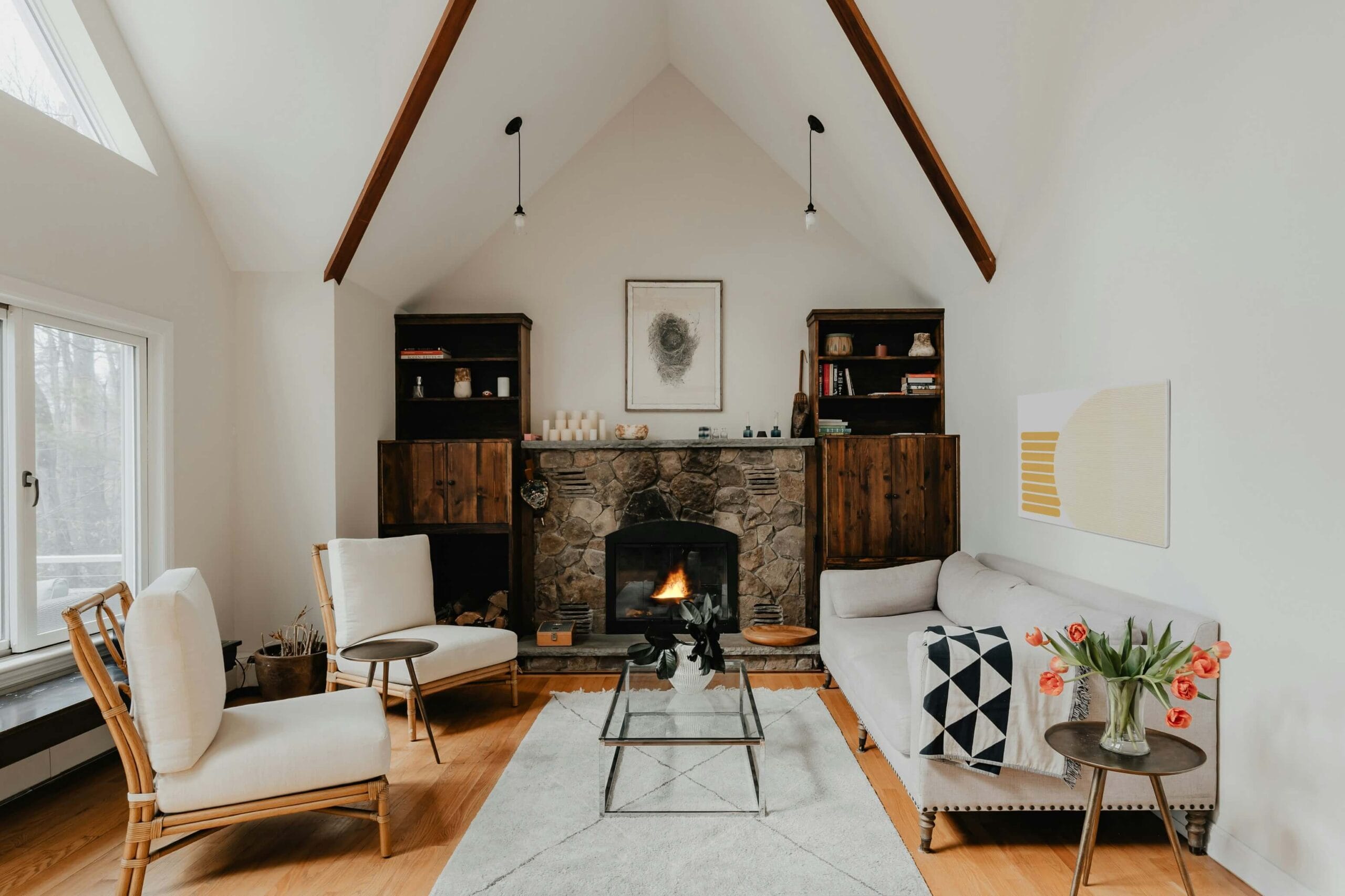
Every successful arrangement starts with a clear focal point. Natural options include fireplaces, prominent windows, or built-in mantels. When these don’t exist, create your own with a TV stand, large artwork, or even a striking furniture piece. This anchor point determines how you should arrange chairs in living room layouts.
Face Chairs Toward Focus Without Rigidity
Once you’ve identified your focal point, angle chairs to face or acknowledge it. This doesn’t mean every chair needs to stare directly at the fireplace—rather, position them so the focal point feels integrated into conversations. For example, in TV-centered rooms, position chairs at 30-40 degrees from screen center for optimal viewing without neck strain.
Balance Multiple Focus Points with Flexible Seating
When both TV and fireplace matter, use swivel chairs that can rotate toward either feature. This flexibility prevents the awkward setup where half your seating has a terrible view of one focal point. Consider placing one chair facing the fireplace and another swivel chair that can pivot toward the TV as needed.
Manage Traffic Flow Around Your Chair Arrangement

Nothing kills a living room vibe faster than people tripping over furniture. Create clear pathways by maintaining 2-3 feet between seating pieces for comfortable passage. Every route from entry points to seating should feel natural, not like an obstacle course.
Map Your Natural Walking Patterns
Identify the primary traffic routes in your home. Position chairs so these paths remain unobstructed. In rectangular rooms, the diagonal from entry to far corner often becomes the main traffic route—respect it. If people regularly cut between your chair and coffee table, your arrangement needs adjusting.
Perfect Your Coffee Table Spacing
Keep 18 inches between chair fronts and coffee tables. This distance allows people to reach drinks without performing acrobatics, yet leaves room for knees and circulation. Measure this carefully when you arrange chairs in living room spaces—too close causes constant bumping, while too far makes the space feel disconnected.
Create Intimate Conversation Areas in Small Spaces
Compact living rooms demand strategic chair placement. Use appropriately scaled furniture—avoid oversized pieces that overwhelm. Even in tight spaces, implement the floating technique with just 3-4 inches from walls. This subtle shift makes small rooms feel larger and more intentional.
Choose Visual Lightness for Airy Feel
Select chairs with open legs and smaller profiles. Swivel chairs offer flexibility without requiring additional space. Consider transparent acrylic chairs or those with slender frames that don’t visually crowd the room. In small spaces, every inch matters when you arrange chairs in living room environments.
Maximize Multi-Functional Pieces
Storage ottomans serve triple duty: seating, storage, and coffee table. Choose chairs that can easily slide under tables or against walls when you need floor space for entertaining. This flexibility is essential for making the most of limited square footage.
Avoid the Cavernous Feeling in Large Living Rooms
Expansive living areas present the opposite challenge—avoiding that empty, echoing feeling. Create multiple conversation areas using the 2:1 ratio in different configurations throughout the space. Each grouping should feel intentional and cozy, not lost in the vastness.
Define Zones with Strategic Rug Placement
Use larger area rugs (minimum 9×12) to anchor seating groups. Each rug creates a room within the room, helping break up large spaces into intimate areas. Position chairs to take advantage of natural lighting from windows, creating distinct zones for different activities.
Embrace Negative Space for Intentional Design
The biggest mistake in large rooms is filling every corner. Embrace negative space—those breathing areas between furniture groupings make the room feel intentional rather than cluttered. When you arrange chairs in living room spaces with ample square footage, remember that sometimes less is more.
Follow This Step-by-Step Placement Process
Before rearranging anything, measure your room dimensions and existing furniture. Note windows, doors, outlets, and any built-ins. Create a simple floor plan on graph paper—this prevents hernia-inducing mistakes and helps you visualize how to arrange chairs in living room layouts before moving a single piece.
Test Your Layout with These Key Steps
- Start with the floating technique—pull chairs into the room at least 4 inches from walls
- Position using the 2:1 formula (two chairs to one sofa)
- Check all sight lines to your focal point from each seat
- Verify traffic flow with a walk-through simulation
- Adjust angles by inches, not feet—small changes make big differences
Live With and Refine Your Arrangement
Give new arrangements 3-7 days before making changes. What feels awkward initially often becomes natural. Fine-tune by making micro-adjustments—sometimes moving a chair just 6 inches transforms the entire feel. Take photos from multiple angles after each adjustment; the camera often reveals balance issues your eye misses.
Fix These Common Chair Arrangement Mistakes Immediately
Pushing everything against walls tops the list of living room disasters. This creates the dreaded waiting-room effect where conversations feel forced and the space lacks warmth. If all your furniture hugs the perimeter, you’re not properly arranging chairs in living room spaces.
Using undersized area rugs throws off proportions. All seating pieces should fit on the rug or at minimum have front legs anchored. A too-small rug makes your furniture look like it’s floating in space rather than grounded in the room.
Ignoring scale kills both small and large rooms. Oversized chairs in compact spaces feel oppressive, while tiny chairs in vast rooms look lost and sad. Always measure your space before selecting chairs.
Blocking natural pathways forces traffic through seating areas. If people regularly cut between your chair and coffee table, your arrangement needs adjusting. Traffic flow should feel intuitive, not like an obstacle course.
Special Considerations for Different Room Types
TV-Centered Living Rooms
When television viewing dominates, position chairs at 30-40 degrees from screen center. Ensure no seating has obstructed sight lines—swivel chairs solve this elegantly. Account for speaker placement and maintain the 2:1 ratio even with media consoles. Never place chairs directly opposite the TV in a rigid line; slight angles create more natural conversation while still allowing viewing.
Fireplace-Focused Rooms
Angle chairs to acknowledge both fireplace and conversation areas. Use hearth dimensions to determine seating distance—typically 6-8 feet for comfortable heat without roasted shins. Balance TV placement if both features matter by using swivel chairs that can pivot between focal points. Position chairs to take advantage of the fireplace’s natural warmth and glow.
Entryway Integration
Living rooms with front door access need clear landing zones. Position chairs to welcome rather than block entry. Use chair backs to define room boundaries while maintaining inviting sight lines from the front door. Place a small console table behind chairs to create a natural buffer between entry traffic and seating areas.
Pro tip: Take photos of your room from multiple angles after each major rearrangement. Sometimes the camera reveals balance issues your eye misses. Most importantly, trust the process—great living room arrangements rarely happen on the first try, but these principles will get you there faster than trial and error alone. The perfect chair arrangement makes your living room feel like the heart of your home—where conversations flow naturally and everyone feels comfortable settling in.


