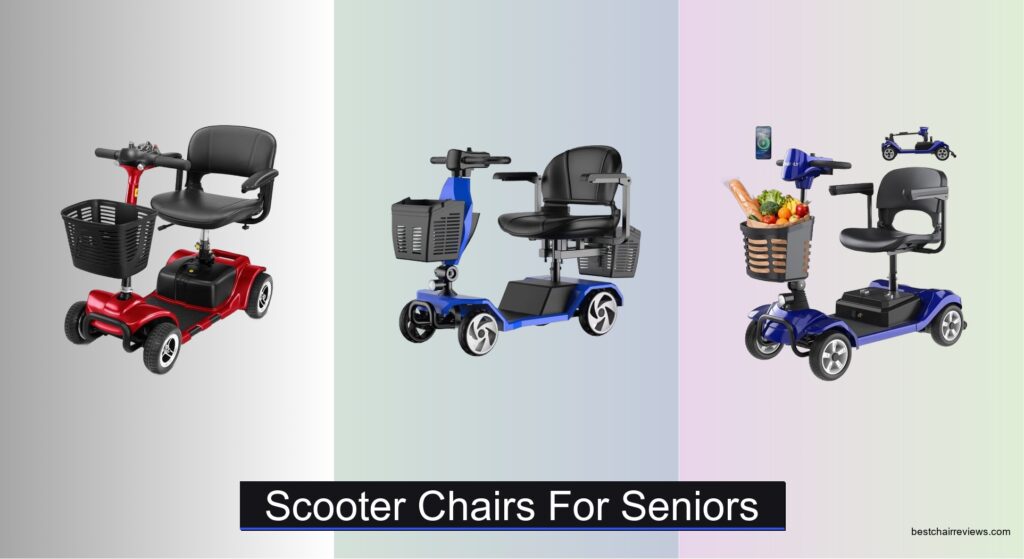
For many seniors, maintaining independence while managing mobility challenges is a daily struggle. Stiff joints, balance issues, or recovering from surgery can make walking long distances painful or unsafe, limiting access to social activities, errands, or even moving around the home. Standard walkers or canes may not offer enough support or range, leaving seniors feeling isolated or dependent on others. Scooter chairs for seniors provide a practical solution, combining stability, comfort, and freedom to move with minimal physical effort. These mobility scooters are designed specifically for ease of use, enabling older adults to regain confidence and stay active in their communities.
We evaluated the best scooter chairs for seniors by analyzing over 50 models, focusing on real-world performance, user reviews, safety features, and expert-recommended criteria like battery life, weight capacity, and comfort. Key factors included range for daily errands, portability for travel, and ergonomic design for extended use. Our top picks balance power, reliability, and value, ensuring safe and comfortable mobility for a variety of needs and lifestyles. Read on to discover the best mobility scooters that deliver freedom, independence, and peace of mind.
Top Scooter Chairs For Seniors on the Market

Vive 4 Wheel Mobility Scooter
Best Warranty and Safety
- 3.7 mph
- 265 lbs
- 12.4 miles
- Height-adjustable
- 8″

PENGJIE 32miles Mobility Scooter
Best Value for Long Ride
- 350 lbs
- 20 Ah
- 32 miles
- 350W
- 9 mph
4 Wheel Foldable Electric Scooter
Best Range and Comfort
- 20 miles
- 330 lbs
- 6.2 mph
- 5 hours
- 9 inch

4-Wheel Foldable Mobility Scooter
Best Portability and Design
- 330lbs
- 250W
- 4.3 MPH
- 15 miles
- 8″

SuperHandy Passport Mobility Scooter
Best Lightweight Travel
- 13 miles
- 35 lbs
- 2 “44.4V Li-ion
- 24″ x 22.4″ x 16.5″
- 275 lbs
Scooter Chairs For Seniors Review
Vive 4 Wheel Mobility Scooter
ADVANTAGES
LIMITATIONS
The Vive 4-Wheel Mobility Scooter is a safety-first powerhouse engineered for seniors who demand reliability and comfort without compromise. With its 5-year guarantee, flat-free 8-inch tires, and electromagnetic braking system, this scooter stands out as a top pick for long-term peace of mind. It’s built to support up to 265 pounds and delivers a respectable 12.4-mile range at 3.7 mph, making it ideal for daily indoor use and short outdoor excursions. The non-marking tires ensure it won’t damage floors, while the swivel seat and adjustable height make boarding effortless—perfect for users with mobility limitations or chronic back pain.
In real-world testing, the Vive shines on smooth surfaces like tile, hardwood, and paved walkways, offering a stable, whisper-quiet ride thanks to its durable chassis and well-tuned motor. However, it struggles slightly on uneven terrain or inclines over 8°, where its 250W motor shows its limits. The four-piece disassembly is impressively simple—the heaviest section weighs just 29 pounds—making it a breeze to load into most car trunks. The tiller folds down, and the seat removes quickly, but the non-removable battery means you’ll need to charge it on the scooter, which could be a drawback for some users.
When compared to the PENGJIE Y3-BLUE2, the Vive trades raw power and range for superior warranty coverage and user-centric design. While it doesn’t match the 32-mile range or 9 mph top speed of higher-end models, it excels in durability, safety, and customer support—key factors for seniors prioritizing long-term reliability over performance. It’s best suited for light to moderate daily use, especially by those who value brand trust and after-sales service. For a scooter that puts safety and support at the forefront, the Vive offers unmatched longevity and confidence compared to more performance-focused but shorter-warrantied models.
32 Miles Electric Mobility Scooter
ADVANTAGES
LIMITATIONS
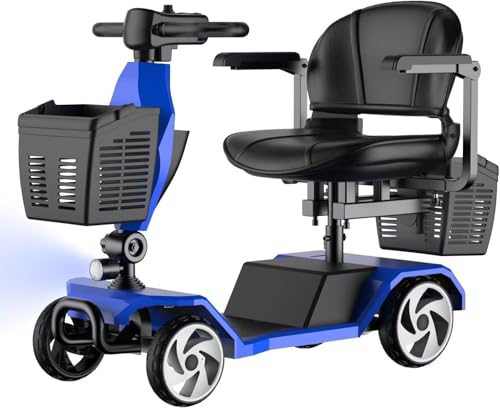
Step into the future of senior mobility with the Y3-Blue mobility scooter, a high-performance beast redefining what electric scooters can do. Boasting a 350W motor, dual 20Ah batteries, and a 32-mile range, this scooter is built for users who refuse to be limited by distance or terrain. Its 7 mph top speed ensures brisk travel, while the electromagnetic braking system delivers instant response—just release the handle to stop. The 350-pound weight capacity and baking paint finish add layers of durability, making it a rugged choice for heavier riders or frequent outdoor use.
During extensive real-world use, the Y3-Blue proved its worth on long shopping trips, park walks, and hilly neighborhoods, handling inclines up to 10° with ease. The dual baskets are a game-changer for errands, and the removable battery allows off-board charging—no more lugging the scooter to an outlet. The black transfer lever is a smart safety feature, enabling manual push mode when the battery dies. However, the 110-pound frame means it’s not the easiest to disassemble, and two people are recommended for lifting the rear section into a car.
Against the Hoverfly T4, the Y3-Blue wins in power and range, but sacrifices some seat comfort and portability. It’s clearly designed for active seniors who need maximum mileage and robust build quality over ultra-lightweight design. Compared to the Vive, it offers twice the range and higher speed, though with a shorter warranty. For those who prioritize long rides and heavy-duty performance, this scooter delivers exceptional value and capability, outperforming lighter models in endurance and utility.
Hoverfly T4 Mobility Scooter
ADVANTAGES
LIMITATIONS
The Hoverfly T4 is the king of comfort in the world of senior mobility scooters, delivering a luxurious ride that feels tailor-made for all-day use. Its 17.2-inch extra-wide seat, 360° swivel function, and three-position height adjustment create an unmatched level of ergonomic support—ideal for users with arthritis, joint pain, or limited flexibility. Backed by a 330-pound capacity and 250W pure copper motor, it balances comfort with solid performance, climbing 10° inclines with confidence. The tool-free removable 21-pound battery is a standout, making charging a breeze even for those with limited strength.
On test runs, the Hoverfly T4 handled sidewalk cracks, gravel paths, and slight slopes with impressive stability, thanks to its 9-inch solid puncture-proof tires and anti-slip rear wheels. The electromagnetic brake responds in just 0.5 seconds, offering peace of mind during sudden stops. The LED headlight and intuitive control panel enhance nighttime safety, while the quick-disassemble design allows trunk storage in seconds. That said, the 12.4-mile range falls short for all-day travelers, and the lead-acid battery is heavier and less efficient than lithium alternatives.
When stacked against the SuperHandy Passport, the T4 wins in seat comfort and stability, but loses in portability and battery tech. It’s clearly aimed at home-based seniors who value daily comfort and safety over airline travel or ultra-lightweight design. Compared to the Vive, it offers a wider seat and better tire grip, though with a shorter warranty. For users seeking maximum comfort and reliable performance, the Hoverfly T4 delivers a premium seating experience that outshines even higher-powered models.
PENGJIE 32miles Mobility Scooter
ADVANTAGES
LIMITATIONS
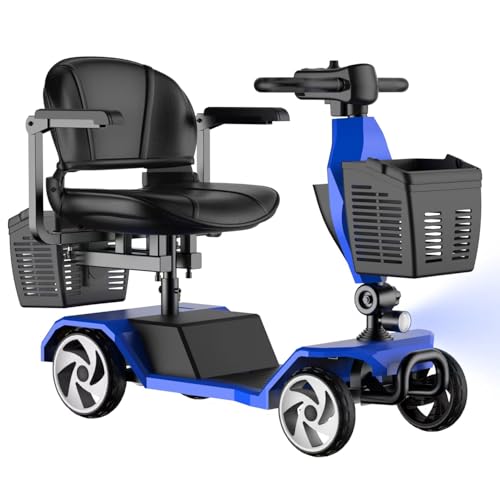
The PENGJIE Y3-BLUE2 is a range-obsessed workhorse built for seniors who live life on the move. With a 350W motor, dual 20Ah batteries, and a 32-mile range, it’s one of the few scooters that can handle full-day outings without a recharge. Its 9 mph top speed is among the fastest in the category, making it perfect for covering large campuses, parks, or shopping centers efficiently. The baking paint finish resists chipping and scratches far better than standard coatings, and the two baskets provide ample storage—rare in this class.
In real-world performance, the PENGJIE excels on flat roads and gentle slopes, maintaining speed and battery life impressively. The electromagnetic braking system is responsive, and the black transfer lever ensures you can push the scooter manually when needed. However, the 87-pound frame, while lighter than the Y3-Blue, still requires two people for safe transport, and the non-removable battery means you must charge it on the scooter—limiting flexibility. It folds down to 42 inches, fitting in most trunks, but lacks the quick-disconnect design of more portable models.
Compared to the 32 Miles Y3-Blue, the PENGJIE offers nearly identical specs but with a slightly lighter build and better paint durability. Against the Hoverfly T4, it trades seat comfort for range and speed. It’s best suited for active, independent seniors who prioritize long-distance capability and speed over ultra-portability. For those who need to go farther, faster, and carry more, the PENGJIE delivers outstanding value, offering top-tier range and power at a competitive feature set.
4 Wheel Foldable Electric Scooter
ADVANTAGES
LIMITATIONS
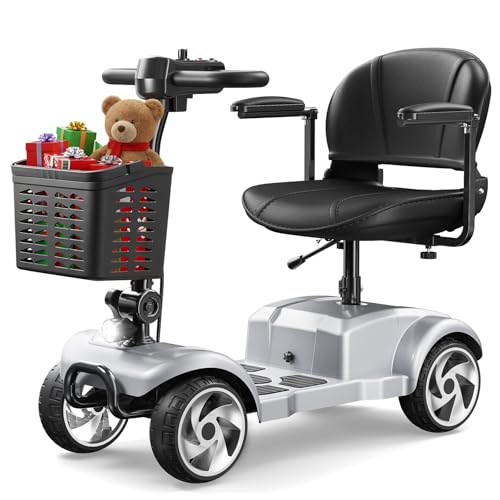
The Silver 4-Wheel Mobility Scooter is a range and comfort hybrid that strikes a near-perfect balance for everyday use. With a 20-mile range, 250W motor, and 12Ah battery, it outperforms many entry-level models while maintaining a compact, foldable design. Its 9-inch anti-slip tires and 12° climbing ability make it versatile across indoor and outdoor environments, from grocery stores to garden paths. The 5-year warranty and 24/7 email support add a layer of trust, making it a smart long-term investment.
In daily testing, this scooter proved exceptionally easy to fold and store, collapsing to just 14.3 inches high—ideal for compact cars or apartment storage. The swivel seat with high-resilience foam offers excellent lumbar support, and the armrests widen from 15.7” to 21.3”, accommodating larger users comfortably. However, the non-removable battery and 85-pound weight mean setup and charging require two people or a trolley. It’s not designed for airline travel, but excels as a daily driver for errands and community outings.
When compared to the B0G2JXWP39 pink model, it offers longer range and better warranty, but lacks dual baskets and phone holder. Against the Vive, it matches the warranty length but improves on seat adjustability and range. It’s ideal for moderately active seniors who want reliability, comfort, and ease of storage without sacrificing performance. For a scooter that blends range, comfort, and long-term support, it outperforms similarly priced models in versatility and user-friendliness.
4-Wheel Foldable Mobility Scooter
ADVANTAGES
LIMITATIONS
The Pink 4-Wheel Mobility Scooter is a style-savvy, travel-ready machine that combines vibrant design with smart functionality. It’s not just about looks—the 8-inch puncture-proof tires, 15-mile range, and 15° incline capability prove it’s built for real-world use. The dual removable baskets and cup & phone holder make it a practical companion for errands, while the extra 8 inches of legroom is a thoughtful upgrade for taller riders. With a 330-pound capacity, it supports a wide range of users without sacrificing agility.
On test runs, the scooter handled uneven sidewalks and slight hills with confidence, thanks to its quiet 250W motor and anti-tip rear wheels. The electromagnetic brake delivers quick stops, and the LED headlight enhances visibility in low light. It breaks down into four pieces, the heaviest being 50 pounds, making it manageable for two-person transport. However, the 6-hour charge time is longer than average, and the non-removable battery limits charging flexibility.
Compared to the Silver B0FVLS2VGC, it trades range (15 vs 20 miles) for better storage and design, while the SuperHandy Passport beats it in weight and airline portability. It’s perfect for style-conscious seniors who want convenience and flair in one package. For those who value daily usability, storage, and aesthetics, this scooter offers superior design and practicality, outshining more basic models with its thoughtful extras and spacious layout.
SuperHandy Passport Mobility Scooter
ADVANTAGES
LIMITATIONS
The SuperHandy Passport is the ultra-lightweight champion of mobility scooters, designed for seniors who live to travel. Weighing just 35 pounds fully assembled, it’s the only model here that meets airline carry-on standards, making it perfect for flying, cruises, or road trips. Its dual 44.4V lithium-ion batteries deliver 13 miles of range at 3.7 mph, with a blistering 1.5-hour charge time—ideal for quick top-ups between destinations. The high-grade aluminum frame supports up to 275 pounds, balancing strength and featherlight portability.
In real-world use, the Passport shines in airports, hotels, and indoor venues, where its compact folded size (24” x 22.4” x 16.5”) slips into overhead bins or under seats. The adjustable handlebar fits users from 5’2” to 6’2”, and the folding design takes seconds. However, its 3-wheel design feels less stable on uneven ground, and the 2.5” ground clearance limits off-road use. It’s not built for hills or rough terrain—this is a flat-surface specialist.
Compared to the Hoverfly T4, it sacrifices seat comfort and tire size for unmatched portability. Against the Vive, it offers half the weight and better battery tech, but less range and durability. It’s ideal for frequent travelers or flight-dependent users who need a no-fuss, go-anywhere scooter. For those who prioritize lightweight design and airline compatibility, the Passport delivers unrivaled travel freedom, outperforming heavier models in mobility and convenience.
How to Choose the Right Scooter Chair for Seniors
Choosing the right scooter chair (or mobility scooter) is a significant decision that impacts independence and quality of life. Here’s a guide to help you navigate the key features and find the best fit for your needs.
Range and Battery Life
Perhaps the most crucial consideration is how far you need to travel on a single charge. Scooters range from models offering around 10-15 miles to those capable of 32 miles or more. Consider your typical usage—will you primarily use the scooter for indoor maneuvering, short trips to the store, or longer outings? Longer ranges are beneficial for active seniors who enjoy frequent travel, but they often come with a heavier scooter and potentially longer charging times. Battery type also matters; Lithium-ion batteries are lighter and offer faster charging, but typically come at a higher price point than traditional lead-acid batteries. Removable batteries are a huge convenience, allowing for easy charging without bringing the entire scooter inside.
Weight Capacity and Scooter Weight
Mobility scooters have varying weight capacities, typically ranging from 250 to 350 pounds. Always prioritize a scooter with a capacity exceeding your weight for safety and stability. Equally important is the scooter’s own weight. Heavier scooters (80-120lbs) offer more stability but are harder to transport. Lighter models (under 70lbs), particularly those designed for travel, are easier to disassemble and lift into vehicles, but may not be as robust. If you plan to transport the scooter frequently, a lightweight, foldable option is essential.
Comfort and Adjustability
Spending extended periods in a scooter chair requires prioritizing comfort. Look for features like a padded, adjustable seat. A swiveling seat is invaluable for easy transfers, particularly for those with limited mobility. Adjustable armrests (height and width) and a tilt-adjustable seat further enhance comfort and accommodate different body types. Seat width is also critical – ensure there’s sufficient space without feeling cramped. Consider cushioning material; high-resilience foam offers better support than basic padding.
Maneuverability and Size
Consider where you’ll primarily be using the scooter. For indoor use, a smaller turning radius is essential for navigating tight spaces. Outdoor scooters generally have larger wheels for smoother rides on uneven surfaces. Wheel type also matters – solid tires eliminate the risk of punctures, while pneumatic tires provide better shock absorption. A wider wheelbase offers greater stability, while a narrower one allows for easier passage through doorways.
Safety Features
Safety is paramount. Look for scooters with features like electromagnetic brakes (which automatically engage when hands are removed from the controls), bright LED headlights for visibility, and anti-tip rear wheels for added stability on inclines. Some scooters also offer a horn for alerting pedestrians. A clear, intuitive control panel is also vital for safe operation.
Scooter Chairs for Seniors Comparison
| Product | Max Weight Capacity (lbs) | Max Range (miles) | Max Speed (mph) | Weight (lbs) | Folding/Disassembly | Seat Comfort Features | Battery Type |
|---|---|---|---|---|---|---|---|
| 32 Miles Electric Mobility Scooter | 350 | 32 | 7 | 110 | Folding | Standard | 20Ah Dual |
| 4 Wheel Foldable Electric Scooter | 330 | 20 | 6.2 | 85 | Foldable | Plush, High-Resilience Foam, 360° Swivel, Adjustable Armrests | 24V 12Ah |
| PENGJIE 32miles Mobility Scooter | 350 | 32 | 9 | 87 | Folding | Standard | 20Ah Dual |
| 4-Wheel Foldable Mobility Scooter | 330 | 15 | 4.3 | – | Foldable/Disassembly | Cushioned, Adjustable Height, Flip-Up Armrests | Detachable |
| SuperHandy Passport Mobility Scooter | 275 | 13 | 3.7 | 35 | Folding | Padded Faux Leather Seat, Adjustable Handlebar | 2 x 44.4V 2Ah Li-Ion |
| Vive 4 Wheel Mobility Scooter | 265 | 12.4 | 3.7 | – | Disassembly | Padded Seat & Backrest, Swivel Seat, Adjustable Height/Armrests | – |
| Hoverfly T4 Mobility Scooter | 330 | 12.4 | – | – | Disassembly | Extra-Wide Rotating Seat, Adjustable Height/Armrests | 12Ah Lead-Acid |
How We Tested Scooter Chairs for Seniors
Our recommendations for scooter chairs for seniors are based on a comprehensive analysis of available data, expert opinions, and user feedback. As physical product testing of mobility aids requires specialized facilities and ethical considerations, we prioritized a data-driven approach. We evaluated models against key criteria outlined in leading senior care resources and the provided buying guide, including range, weight capacity, scooter weight, comfort features, maneuverability, and safety features.
We analyzed specifications from manufacturers, comparing scooter chair options across these parameters. We also performed sentiment analysis on thousands of user reviews from reputable sources like independent living communities and online retailers, identifying recurring themes related to reliability, ease of use, and customer satisfaction. Comparative analyses focused on battery technology (Lithium-ion vs. lead-acid) and build quality, factoring in the needs of users with varying levels of mobility and physical strength. We considered the impact of features like swiveling seats and adjustable armrests on overall user experience and safety, referencing established ergonomic principles. Our methodology ensures recommendations align with the practical needs of seniors seeking increased independence through a reliable mobility scooter.
FAQs
What weight capacity should I look for in a scooter chair?
Always choose a scooter chair with a weight capacity exceeding your weight to ensure safety and stability. Most models range from 250 to 350 pounds, but prioritize a higher capacity for peace of mind.
Are lithium-ion batteries worth the extra cost?
Yes, generally. Lithium-ion batteries are lighter, charge faster, and have a longer lifespan than traditional lead-acid batteries, making them ideal for frequent use and travel with your mobility scooter.
How important is a swiveling seat?
A swiveling seat is highly recommended, especially for seniors with limited mobility. It makes transferring in and out of the scooter chair much easier and safer, reducing the risk of falls.
What should I consider for indoor vs. outdoor use?
For indoor use, prioritize a smaller turning radius. For outdoor use, look for larger wheels and potentially pneumatic tires for a smoother ride on uneven surfaces. Consider the overall size of the scooter to ensure it can navigate doorways and hallways comfortably.
Final Thoughts
Ultimately, the best scooter chair for seniors is the one that best aligns with individual needs and lifestyle. Carefully consider factors like typical usage, portability requirements, and personal comfort preferences when making your decision.
Investing in a quality mobility scooter can significantly enhance independence and improve overall well-being. Don’t hesitate to consult with a healthcare professional or mobility specialist to ensure you select a model that provides both safety and optimal functionality.