

Recovering chairs with backs can be a daunting task, especially for those without extensive upholstery experience. However, with the right tools, materials, and step-by-step guidance, you can give your old chairs a brand-new look. In this comprehensive guide, we’ll walk you through the process of recovering chairs with backs, from preparation to completion.
Introduction to Chair Recovery
Recovering a chair with a back involves several steps, including removing the old upholstery, inspecting and repairing the frame, and applying new fabric or material. This process not only revamps the appearance of your chairs but also extends their lifespan. Whether you’re looking to update your dining set, office chairs, or outdoor furniture, chair recovery is a cost-effective and environmentally friendly solution.
Preparing for the Recovery Process
Before you begin, ensure you have all the necessary tools and materials. This includes:
- New upholstery fabric (consider durability, color, and pattern)
- Foam (if the existing foam is worn out)
- Batting (for extra cushioning and smoothness)
- Upholstery glue
- Staple gun
- Scissors
- Measuring tape
- Pencil and paper for pattern making
- Webbing or strapping (for seat and back support)
Removing the Old Upholstery

Step 1: Disassemble the Chair
Start by removing the seat and back cushions. Look for screws, nails, or staples that hold these parts in place. Gently pry them off, taking care not to damage the frame.
Step 2: Remove Old Upholstery
Once the cushions are off, you’ll see the old upholstery staples. Use a staple remover or a flathead screwdriver to remove these staples carefully. Work your way around the chair, pulling off the old fabric.
Step 3: Inspect and Repair the Frame
With the old upholstery removed, inspect the chair frame for any damage or wear. Make any necessary repairs, such as regluing loose joints or replacing broken parts.
Applying New Upholstery
Step 1: Cut the New Fabric
Using your old upholstery as a template (if it’s still intact) or by measuring the chair frame, cut out the new fabric pieces for the seat, back, and any arms. Add a few inches around each piece for folding and stapling.
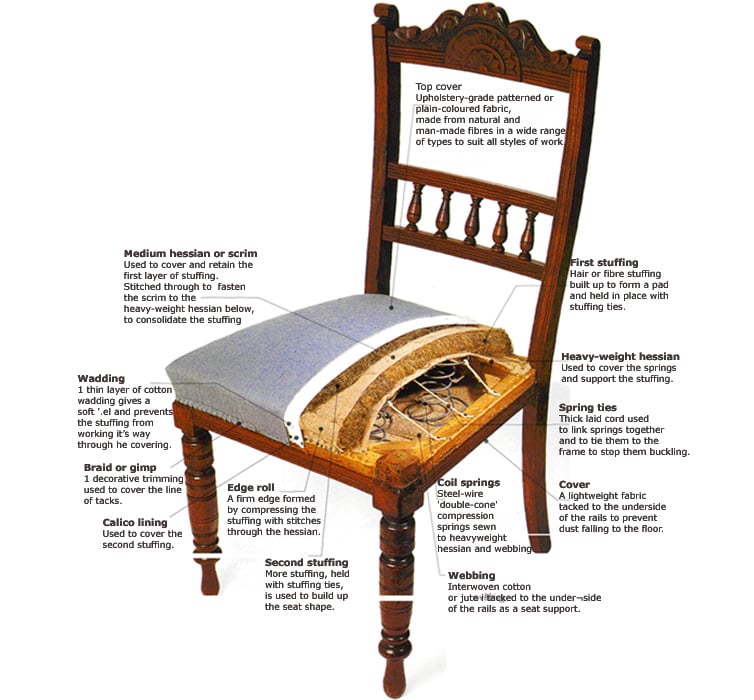
Step 2: Apply Batting and Foam
If your chair requires extra cushioning, now is the time to add batting and new foam. Cut these to size and glue them onto the chair frame.
Step 3: Upholster the Seat
Place the seat fabric over the batting and foam, ensuring it’s centered. Start stapling from the center outwards, making sure the fabric is tight and even. Fold the fabric over the edges of the frame and staple in place.
Step 4: Upholster the Back
The process for the back is similar, but you may need to work around the chair’s back frame, which could involve more intricate stapling and folding.
Step 5: Reassemble the Chair
Once the new upholstery is in place, reattach the seat and back cushions using the original screws, nails, or new staples.
Tips for a Professional Finish

- Use High-Quality Fabric: Choose a fabric that’s durable and suitable for your chair’s intended use.
- Measure Carefully: Double-check your measurements to ensure a perfect fit.
- Staple Tightly: But avoid over-stapling, which can pucker the fabric.
- Add Finishing Touches: Consider adding decorative nails, trim, or piping for a professional finish.
Common Mistakes to Avoid
- Insufficient Fabric: Not leaving enough extra fabric for folding and stapling.
- Incorrect Tension: Applying the fabric too loosely or too tightly.
- Poor Alignment: Failing to center the fabric properly before stapling.
Conclusion
Give Your Chairs a New Lease on Life
Recovering chairs with backs is a rewarding DIY project that can breathe new life into your old furniture. By following these steps and tips, you’ll be able to achieve a professional-looking finish without breaking the bank. Remember, patience and attention to detail are key to a successful chair recovery project. Whether you’re a seasoned DIY enthusiast or a beginner, the sense of accomplishment you’ll feel when you complete your project will be well worth the effort.
Have you successfully recovered a chair with a back? Share your experience and any tips you might have in the comments below to help other readers tackle their own projects!


