
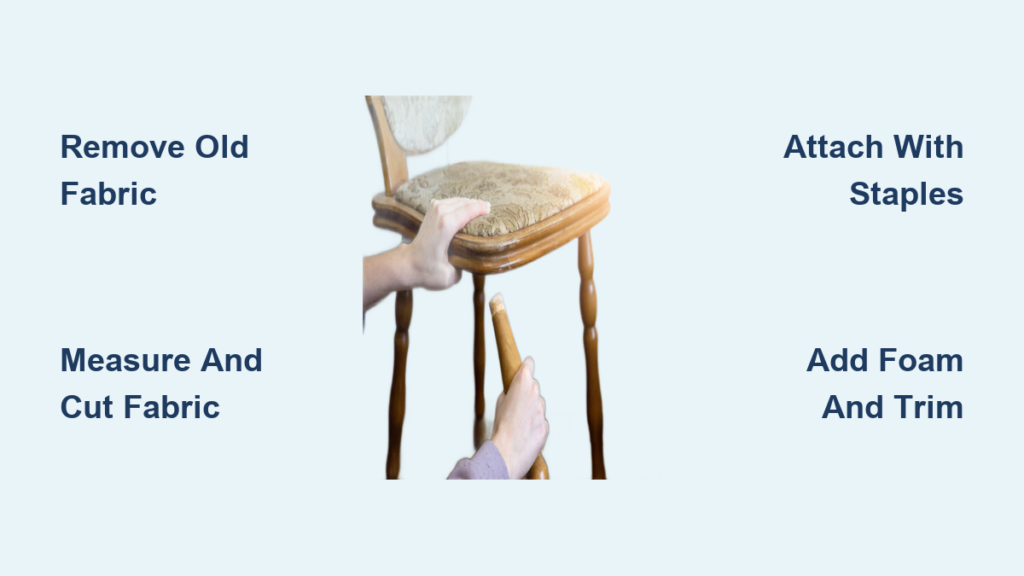
Recovering chairs can be a daunting task, especially if you’re new to upholstery or DIY projects. However, with the right tools and a bit of patience, you can give your old chairs a fresh new look. In this comprehensive guide, we’ll walk you through the process of recovering chairs, from preparation to completion.
Introduction to Chair Recovery
Recovering chairs is a great way to breathe new life into old furniture. Not only can it save you money, but it also allows you to customize the look and feel of your chairs to match your unique style. Whether you’re looking to update a single chair or an entire set, this guide will provide you with the knowledge and confidence to tackle the project.
Preparation is Key
Before you start recovering your chairs, it’s essential to prepare the necessary tools and materials. Here’s a list of what you’ll need:
- New upholstery fabric
- Foam cushioning (if needed)
- Batting (if needed)
- Thread
- Upholstery glue
- Staple gun
- Scissors
- Measuring tape
- Pencil
- Chair frame (obviously!)
Removing the Old Upholstery

The first step in recovering a chair is to remove the old upholstery. This can be a bit of a challenge, but it’s essential to get it right. Here’s how to do it:
Step 1: Remove the Seat Cushion
Start by removing the seat cushion from the chair frame. This will give you access to the underlying structure of the chair. Use a screwdriver to remove the screws that hold the cushion in place.
Step 2: Remove the Old Upholstery
Once the seat cushion is removed, you can start removing the old upholstery. Use a staple remover or a flathead screwdriver to pry the staples out of the chair frame. Be careful not to damage the frame or the new upholstery fabric.
Step 3: Remove the Old Foam and Batting
If your chair has foam and batting, you’ll need to remove them as well. Use a utility knife to cut the foam and batting away from the chair frame. Be careful not to cut yourself or damage the frame.
Measuring and Cutting the New Upholstery Fabric

Now that the old upholstery is removed, it’s time to measure and cut the new fabric. Here’s how to do it:
Step 1: Measure the Chair Frame
Use a measuring tape to measure the chair frame, including the seat, back, and arms. Make sure to take note of any curves or irregularities in the frame.
Step 2: Cut the Fabric
Use a pair of scissors or a rotary cutter to cut the fabric to the correct size. Make sure to add a few inches to the measurements to allow for wrapping and stapling.
Attaching the New Upholstery Fabric
Now that the fabric is cut, it’s time to attach it to the chair frame. Here’s how to do it:
Step 1: Apply Upholstery Glue
Apply a thin layer of upholstery glue to the chair frame, making sure to cover the entire surface.
Step 2: Attach the Fabric
Place the fabric over the chair frame, smoothing out any wrinkles or air pockets. Use a staple gun to attach the fabric to the frame, starting from the center and working your way out.
Step 3: Add Foam and Batting (if needed)
If your chair requires foam and batting, now is the time to add them. Cut the foam and batting to size and attach them to the chair frame using upholstery glue and staples.
Finishing Touches
The final step in recovering a chair is to add the finishing touches. Here’s how to do it:
Step 1: Add Trim (if needed)
If your chair requires trim, now is the time to add it. Use a hot glue gun to attach the trim to the edges of the fabric.
Step 2: Add Any Final Decorations
If you want to add any final decorations, such as buttons or tassels, now is the time to do it.
Conclusion
Recovering chairs can be a fun and rewarding DIY project. With the right tools and a bit of patience, you can give your old chairs a fresh new look. Remember to take your time and measure carefully, and don’t be afraid to ask for help if you need it. Happy recovering!
Pro Tips
- Use a high-quality upholstery fabric that is durable and easy to clean.
- Make sure to measure carefully to avoid mistakes.
- Use a staple gun with a long nose to reach into tight spaces.
- Don’t be afraid to experiment with different fabrics and patterns to create a unique look.
FAQ
Q: What type of fabric is best for recovering chairs?
A: The best type of fabric for recovering chairs depends on the style and usage of the chair. For example, a durable fabric like leather or vinyl may be best for a chair that will be used frequently, while a softer fabric like cotton or linen may be best for a chair that will be used less often.
Q: How long does it take to recover a chair?
A: The time it takes to recover a chair depends on the complexity of the project and the level of detail involved. On average, it can take anywhere from a few hours to several days to complete.
Q: Can I recover a chair myself, or do I need to hire a professional?
A: While it’s possible to recover a chair yourself, it’s recommended to hire a professional if you’re not experienced with upholstery or DIY projects. A professional can ensure that the job is done correctly and safely.


