

Picture this: you’re settling onto your porch with a cold drink, ready to unwind—but your wobbly, store-bought chair squeaks with every shift. The cushions slide forward, and that persistent creak ruins the peace. What if you could lounge in custom-built seating that costs under $100 per chair while matching high-end designs? Building your own porch chairs isn’t just a money-saver; it’s your ticket to perfectly scaled, weather-ready furniture that invites hours of relaxation. In this guide, you’ll master two field-tested construction methods—ideal for beginners and seasoned DIYers alike—that deliver rock-solid chairs for 60-70% less than retail.
Why Your Porch Needs Custom-Built Chairs
Commercial porch chairs often force compromises: narrow seats that pinch hips, rigid backs that strain your spine, or flimsy frames that wobble after one season. Handcrafted chairs solve these instantly. By building yourself, you control critical elements like seat depth (aim for 22-24 inches for true lounging comfort) and backrest angle (15 degrees is the sweet spot for reclining without sliding). Plus, you’ll use exterior-grade materials from the start—no hidden particleboard or thin veneers that swell in rain. The result? Chairs that withstand years of sun, rain, and family use while looking intentionally designed for your space.
Pocket Hole Method: Build Rock-Solid Chairs in 4 Hours

Cut Lumber to Exact Chair Dimensions
Start by transforming raw boards into precise components. Using a circular saw and carpenter’s square, cut:
– Two 30.5″ 2x4s for armrests
– Four 20.5″ 2x4s for side frames
– Three 27.5″ 2x4s (one for armrest braces, two for horizontal supports)
– Six 24.5″ 2x4s (for seat/back frame connectors)
– Six 24″ 1x2s for seat slats
Pro tip: Label every piece with painter’s tape immediately after cutting—confusion here causes costly mistakes later.
Assemble Mirror-Image Side Frames
Create identical left and right frames that form your chair’s skeleton. First, attach the 30.5″ armrest to the 27.5″ armrest brace (2×2) using three 2.5″ construction screws. Center the brace width-wise and length-wise for unshakeable stability. Next, connect two 27.5″ horizontal 2x4s to the 20.5″ vertical sides using pocket hole screws. Position the lower horizontal piece 1.5″ from the bottom and the middle piece exactly 8.5″ up. Drill two pocket holes per end (using A setting on your jig) for maximum grip. Clamp pieces square before driving screws—this prevents the “leaning tower” effect that ruins alignment.
Lock Frames Together with Seat Supports
Join your side frames using three 24.5″ 2x4s to create a rigid U-shaped base. Two pieces form the seat frame, installed 8.5″ from the bottom with pocket holes facing inward. The third piece becomes the top back support, sitting flush with the armrests. This step is where most beginners rush—use four clamps to lock corners at perfect 90-degree angles while screws set. Check squareness by measuring diagonally from corner to corner; both measurements must match within 1/8 inch.
Leg-Based Design: Achieve Perfect Ergonomic Recline
Cut Precision Notches for Front Legs
For traditional styling, notch your 4×4 front legs to accept a 2×6 crossbeam. Measure 5.5″ up from the bottom and 1.5″ back from the front edge. Use a jigsaw to cut a clean rectangular pocket matching the 2×6’s thickness. Slide the crossbeam into place and secure with wood glue plus two 3″ construction screws per leg. This creates a foundation that won’t twist or wobble under weight.
Angle Rear Legs for Natural Back Support
Cut 15-degree bevels on both ends of your rear legs using a miter saw. Position these legs 12″ behind the front legs, aligning their tops flush with the armrest height. This specific angle isn’t arbitrary—it positions your spine in a neutral curve that eliminates the “slumping” common in upright chairs. Test the angle by sitting between leg assemblies before final attachment; adjust until your head rests comfortably without straining.
Seat & Backrest Installation: Avoid Common Cushion Failures
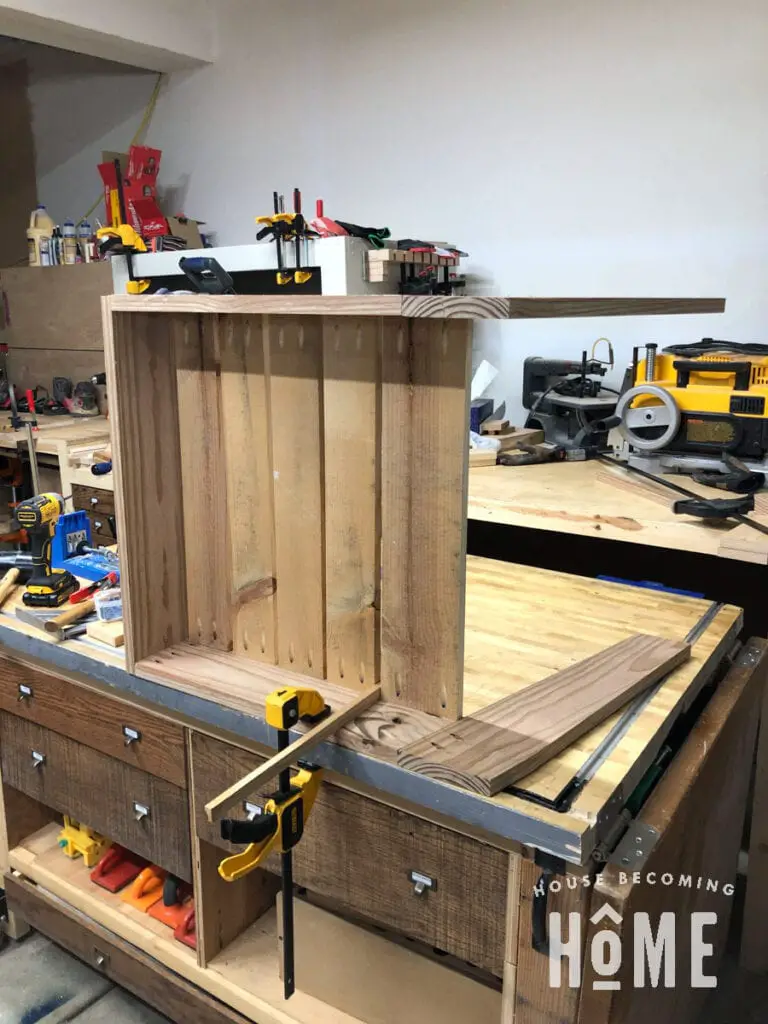
Install Recessed Seat Supports
Position 21.5″ 2×2 supports inside the seat frame, dropped 3/4″ below the top edge. This creates a hidden pocket where cushions sit flush with the frame—no unsightly gaps. Align supports flush with the chair front but leave exactly 3/4″ space at the back for backrest attachment. Secure with three 2.5″ screws per support. Critical check: Place your Walmart cushion (or equivalent) on the supports now. If it overhangs or gaps, adjust spacing before proceeding.
Attach Slats with Strategic Gaps
Nail six 24″ 1×2 slats across the supports using 1.5″ brad nails. Start at the front edge, spacing slats 1/2″ apart (use a nail as a spacer). Pre-drill holes within 1″ of slat ends to prevent splitting—this step takes 10 extra minutes but saves ruined boards. For the backrest, use four 19.5″ 2×3 slats in a frame built with pocket holes facing upward (hidden by cushions). Lean the backrest against the rear frame to achieve the ideal 15-degree recline, then secure from underneath.
Weatherproofing Secrets for 5+ Year Lifespan
Fill and Sand to Furniture-Grade Finish
Fill every screw hole and joint gap with stainable wood filler. Let dry 4 hours minimum, then sand in two stages: 120-grit to level surfaces, followed by 220-grit for silky smoothness. Visual cue: Run your palm over the wood—it should feel like glass with no snags. Skip this, and rough spots will catch splinters and peel finish prematurely.
Apply Stain in Optimal Conditions
Brush on Valspar Canyon Brown (or similar exterior stain) in thin, even coats following the wood grain. Work in shade with 40-60% humidity—direct sun or rain causes streaking and poor adhesion. Apply two coats minimum, waiting 5 hours between coats. Weather hack: Test absorption by sprinkling water droplets. If they bead up, your stain is properly sealed; if absorbed instantly, add another coat.
Critical Mistakes That Ruin DIY Porch Chairs
Ignoring Wood Expansion Gaps
Tight-fitting slats look clean initially but buckle when humidity rises. Always leave 1/8″ gaps between slats—use a standard pencil as a spacer. Without this, summer swelling creates warped, splintered surfaces by August.
Skipping Wood Acclimation
Lumber straight from the store contains moisture that shifts dimensions. Stack boards with spacers in your garage for 48 hours before cutting. Build with “green” wood, and your chair will develop gaps or cracks within months as it dries.
Using Interior-Grade Hardware
2.5″ drywall screws seem identical to construction screws but lack weather-resistant coating. They’ll rust and weaken within one season. Always specify “exterior” or “deck” screws—they cost 10% more but prevent catastrophic joint failure.
Yearly Maintenance That Prevents Major Repairs
Inspect chairs each spring for three critical issues: loose screws (tighten immediately—don’t wait), worn finish (recoat bare spots), and wood cracks (fill with epoxy). For deep cleaning, use a soft brush with mild soap—never pressure wash, as it blasts finish from wood pores. Reapply full stain coats every 2-3 years, or when water stops beading on the surface. This 30-minute ritual extends chair life by 5+ years.
Building porch chairs transforms your outdoor space with personalized comfort that store-bought furniture can’t match. Start with the pocket hole method—it’s forgiving for first-timers yet produces pro-level results. Within a weekend, you’ll have durable, West Elm-inspired seating that costs under $100 per chair. As your skills grow, tackle the leg-based design for even more refined aesthetics. Either way, you’re not just making chairs; you’re crafting a backyard sanctuary where every sunset sip of lemonade feels earned. Grab your circular saw—your perfectly reclined porch retreat starts with one precise cut.


