

That dining chair feels like sitting on a board, doesn’t it? Whether your kitchen chairs need a comfort upgrade or your patio set begs for weather-resistant seating, handmade cushions solve both problems beautifully. Custom cushions fit perfectly, match your exact style, and cost a fraction of store-bought options—plus, you’ll never have to compromise on thickness or fabric choice again.
This guide walks you through creating professional-quality chair cushions—from measuring your specific chairs to adding those polished finishing touches that make homemade look high-end. You’ll learn which materials work best for different chair types, foolproof measuring techniques, and construction methods that ensure your cushions last for years. By the end, you’ll know exactly how to make cushions for chairs that transform uncomfortable seating into your favorite spots in the house.
Choose Your Cushion Type First
Seat Cushions for Daily Use
Standard seat cushions work best for solid chairs with flat seats—think dining chairs, desk chairs, or accent pieces. These rectangular pads measure 1-4 inches thick and simply rest on the seat surface. For chairs with curved seats or rounded backs, create contoured versions that follow the chair’s exact shape using paper templates to capture exact contours before cutting your fabric.
Chair Pads for Dining Chairs
Chair pads serve as thinner alternatives, typically 1-2 inches thick, designed specifically for dining chairs. These feature ties at back corners that secure through chair spindles or around chair backs. They’re ideal when you want comfort without dramatically changing seat height, especially in formal dining settings where appearance matters as much as comfort.
Rocking Chair Two-Piece Sets
Rocking chairs require special consideration—the constant motion demands separate seat and back cushions. The seat cushion follows standard construction, while the back cushion curves to match the chair’s backrest. Extra-long ties accommodate the chair’s movement and prevent shifting during use. For maximum comfort, consider slightly thicker foam in the seat cushion since it bears more weight.
Outdoor Weather-Resistant Options
Outdoor cushions battle sun, rain, and temperature swings. These demand solution-dyed acrylics like Sunbrella, polyester blends, or vinyl-coated materials. The foam core must be quick-dry and mold-resistant, with drainage holes or mesh vents built into the cover design. Never use indoor foam outdoors—it will retain moisture and deteriorate quickly, ruining your hard work within one season.
Gather Essential Materials
Pick Your Perfect Fabric
Upholstery fabrics—canvas, denim, duck cloth—handle daily wear beautifully. These heavy-duty options maintain appearance even after years of use. Cotton fabrics like quilting cotton or chambray breathe well and feel comfortable against skin, though they wear faster in high-use situations.
For outdoor applications, choose weather-resistant fabrics with UV protection and easy-clean properties. Specialty fabrics like velvet or leather add luxury but require specific care—reserve these for formal dining chairs or accent pieces that see light use. Always pre-wash washable fabrics to prevent later shrinkage, and iron everything completely flat before cutting.
Select Foam and Filling
High-density foam (1.8-2.5 pounds per cubic foot) provides firm support that maintains shape over time. Available in 1-6 inch thicknesses, it works for most applications. Memory foam contours to body shape but costs significantly more and may feel too warm for year-round use.
Polyester fiberfill offers economical softness but compresses over time. Down/feather inserts provide luxurious comfort but require regular fluffing and professional cleaning. Consider layered combinations—firm foam cores wrapped with fiberfill or down envelopes—for optimal comfort and durability that lasts years.
Measure Your Chairs Accurately
Take Precise Seat Measurements
Measure the actual seating surface at its widest points—front to back and side to side. For curved seats, create paper templates to capture exact contours. Add 1/2 inch seam allowance to all sides for standard construction, or 3/4 inch for thicker cushions.
Pro tip: Reduce measurements by 5-10% for foam that compresses when sat upon. This ensures your finished cushion doesn’t look oversized. Always double-check measurements before cutting—fabric and foam can’t be uncut once you make the mistake!
Create Perfect Patterns
For basic rectangular cushions, simply add seam allowances to your seat measurements. Contoured chairs benefit from muslin mock-ups that you can refine through fitting. When using patterned fabrics, align pattern repeats across cushion pieces for professional results. Never skip the pattern-making step—it’s the foundation of perfectly fitting cushions every time.
Cut Fabric and Foam Like a Pro
Cut Foam Cleanly
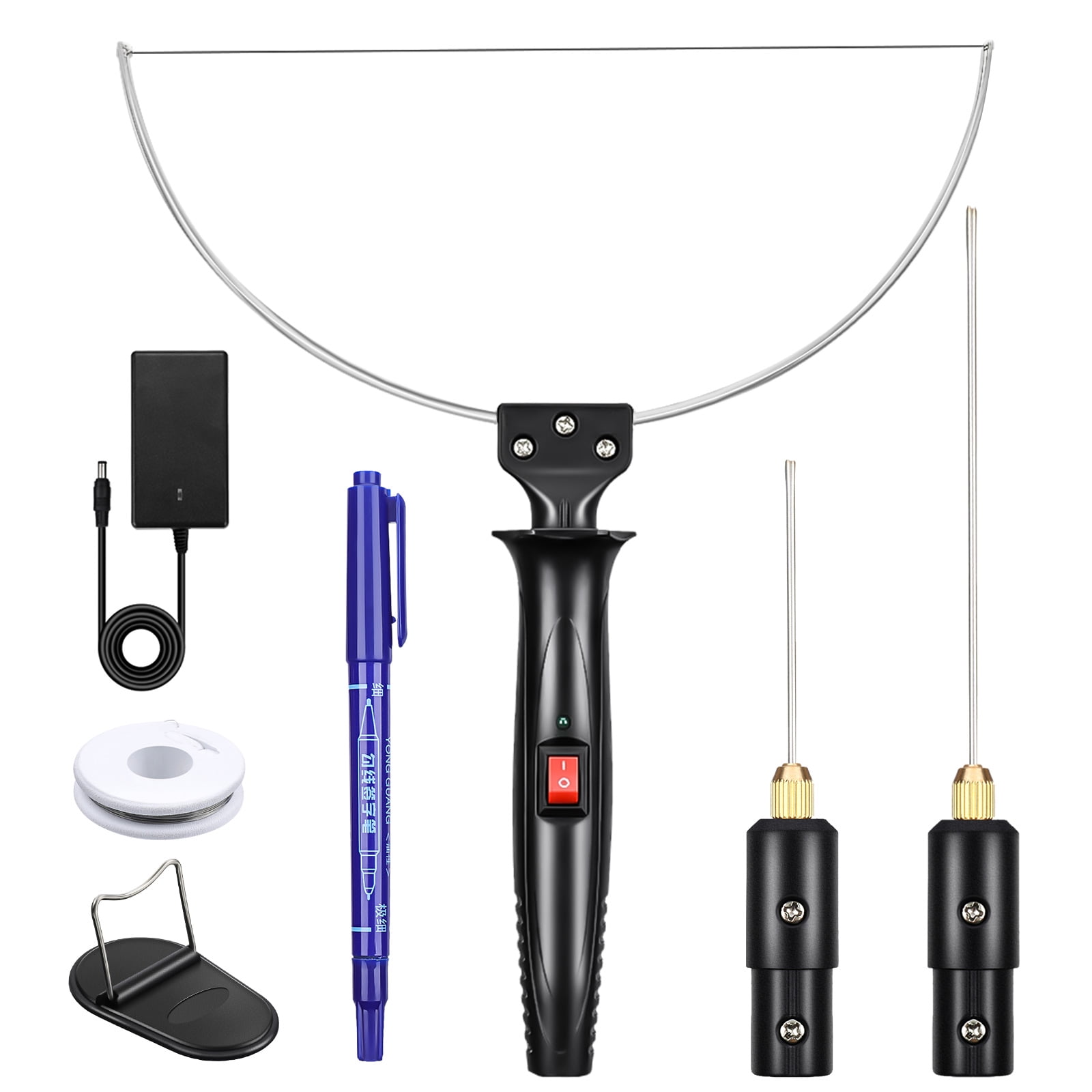
An electric carving knife creates the cleanest cuts through foam—it’s the secret weapon professionals use. For thinner foam, sharp utility knives with fresh blades work well, requiring multiple passes. Hot wire cutters melt through foam, sealing edges to prevent fraying. Create cardboard templates for consistent shapes when making multiple cushions.
Prepare Fabric Properly
Plan your layout to minimize fabric waste and ensure directional patterns align correctly. Use fabric chalk or washable markers to transfer all pattern markings. Always cut fabric with sharp scissors or a rotary cutter—dull tools create jagged edges that lead to puckering during sewing. For patterned fabrics, take extra time to match designs at seams for a professional finish.
Construction Methods That Work
Build Basic Envelope Cushions
Cut top and bottom fabric pieces with seam allowances, then cut foam to finished dimensions minus compression allowance. Sew three sides right sides together, insert foam through the open side, and hand-sew the final side closed using a slip stitch. This method works perfectly for cushions that won’t need washing, like outdoor seating or formal dining chairs.
Create Zippered Removable Covers
Install zippers using a zipper foot along one seam—this allows foam removal for washing. Heavy-duty separating zippers handle thick cushions better than standard dress zippers. This construction extends cushion life dramatically since you can wash covers and replace worn foam separately. Always test your zipper before inserting foam—fixing problems afterward is much harder!
Master Boxed Cushion Construction
Boxed cushions feature side panels (boxing strips) that create depth. Cut boxing strips to your cushion thickness plus seam allowances. Sew these strips between top and bottom fabric pieces, installing zippers in back boxing seams for access. This professional technique creates tailored, upholstery-grade results that look store-bought but cost far less.
Troubleshoot Common Problems
Fix Lumpy Appearance
Lumpy cushions usually result from imprecise foam cutting or fabric stretched too tightly during sewing. Ensure foam is cut exactly to size and avoid pulling fabric while stitching. Create muslin prototypes before cutting expensive fabric—this simple step prevents costly mistakes and builds your confidence with the process.
Solve Poor Fit Issues
Poor fit stems from inaccurate measurements. Create muslin prototypes first, adjusting patterns as needed. Remember the compression factor—your cushion will appear smaller once sat upon. If your cushion slides, add non-slip backing with silicone dots or rubber mesh to keep it securely in place without damaging your chair.
Professional Finishing Touches
Edge Treatments That Elevate

Piping creates the most polished finish—wrap bias-cut fabric strips around piping cord and sew into seams. Welting offers a subtler ridge without cord. For modern looks, use knife edges—simple seams without trim. Rounded edges soften the overall appearance and feel more comfortable against legs.
Secure Cushions to Chairs
Ties sewn to back corners work universally—use fabric strips matching your cushion or contrasting twill tape. Velcro strips allow removable attachment—sew the hook side to your cushion and stick the loop side to your chair. Non-slip backing prevents sliding without permanent attachment—ideal for dining chairs where you frequently move seating.
Quality Control Checklist
Before calling your project complete, verify all seams have proper tension and straight stitching. Confirm foam fits snugly without bunching or gaps. Test zipper operation multiple times. Inspect ties or attachments for secure stitching. Measure final dimensions against your original specifications. Never skip the quality check—it’s what separates amateur projects from professional results.
Making your own chair cushions gives you complete control over comfort, style, and durability. Start with simple envelope-style cushions to build confidence, then progress to zippered or boxed constructions as your skills improve. With these techniques for how to make cushions for chairs, you’ll never suffer through another meal on a hard chair again. The satisfaction of sitting on your own handmade cushions—perfectly sized, beautifully covered, and incredibly comfortable—makes every stitch worth the effort.


