

Nothing ruins a perfect patio afternoon like sitting on grimy, stained lawn chairs. Those once-bright plastic seats have likely accumulated dirt, food spills, and maybe even mold after seasons of use. The good news? You don’t need expensive equipment or harsh chemicals to restore your plastic lawn chairs—just the right technique. This guide delivers step-by-step methods that work on all plastic types, from basic white chairs to premium colored sets, saving you hundreds compared to replacement costs.
Most people make the critical mistake of using chlorine bleach on plastic furniture, which actually damages the material and accelerates fading. Within the next 20 minutes, you’ll learn how to safely remove even stubborn stains while protecting your chairs’ integrity. Whether you’re dealing with mildew on chair undersides or yellowed white plastic that looks decades old, these proven techniques will have your outdoor seating looking practically new.
Essential Cleaning Supplies Checklist
Must-Have Solutions:
– Warm water + mild dish soap (1-2 tbsp per gallon)
– White vinegar + water (1:1 ratio for natural cleaning)
– Baking soda paste (3 parts baking soda to 1 part water)
– Oxygen bleach solution (1/4 cup per gallon for deep stains)
Critical Tools:
– Soft-bristled scrub brush or old toothbrush
– Microfiber cloths for streak-free drying
– Garden hose with adjustable spray nozzle
– Rubber gloves for hand protection
– Small bucket for mixing solutions
Professional tip: Skip chlorine bleach entirely—it breaks down plastic polymers and causes permanent color fading. Oxygen bleach (sodium percarbonate) works better for deep cleaning without damaging your chairs.
Basic Cleaning Method for Everyday Grime
Start by moving chairs to a shaded area—sunlight causes cleaning solutions to dry too quickly, leaving streaks and residue. Never clean plastic lawn chairs in direct sun.
Remove Surface Debris First
Use a dry brush or vacuum attachment to remove loose dirt, leaves, and crumbs from textured surfaces. Pay special attention to crevices where debris accumulates. This prevents scratching during wet cleaning.
Soap Solution Scrubbing Technique
Mix warm water with 1-2 tablespoons of mild dish soap per gallon. Dip your soft brush into the solution and scrub using firm circular motions, focusing on high-contact areas like armrests and seat edges. For textured chairs, angle your brush to reach into patterns where dirt hides.
Proper Rinsing Protocol
Rinse thoroughly with clean water using moderate hose pressure. Start from the top and work downward to prevent dirty runoff from re-soiling cleaned areas. Check for soap residue in textured areas—any remaining suds will attract more dirt.
Time required: 10-15 minutes per chair for routine maintenance
Remove Stubborn Stains Fast
Baking Soda Power Treatment
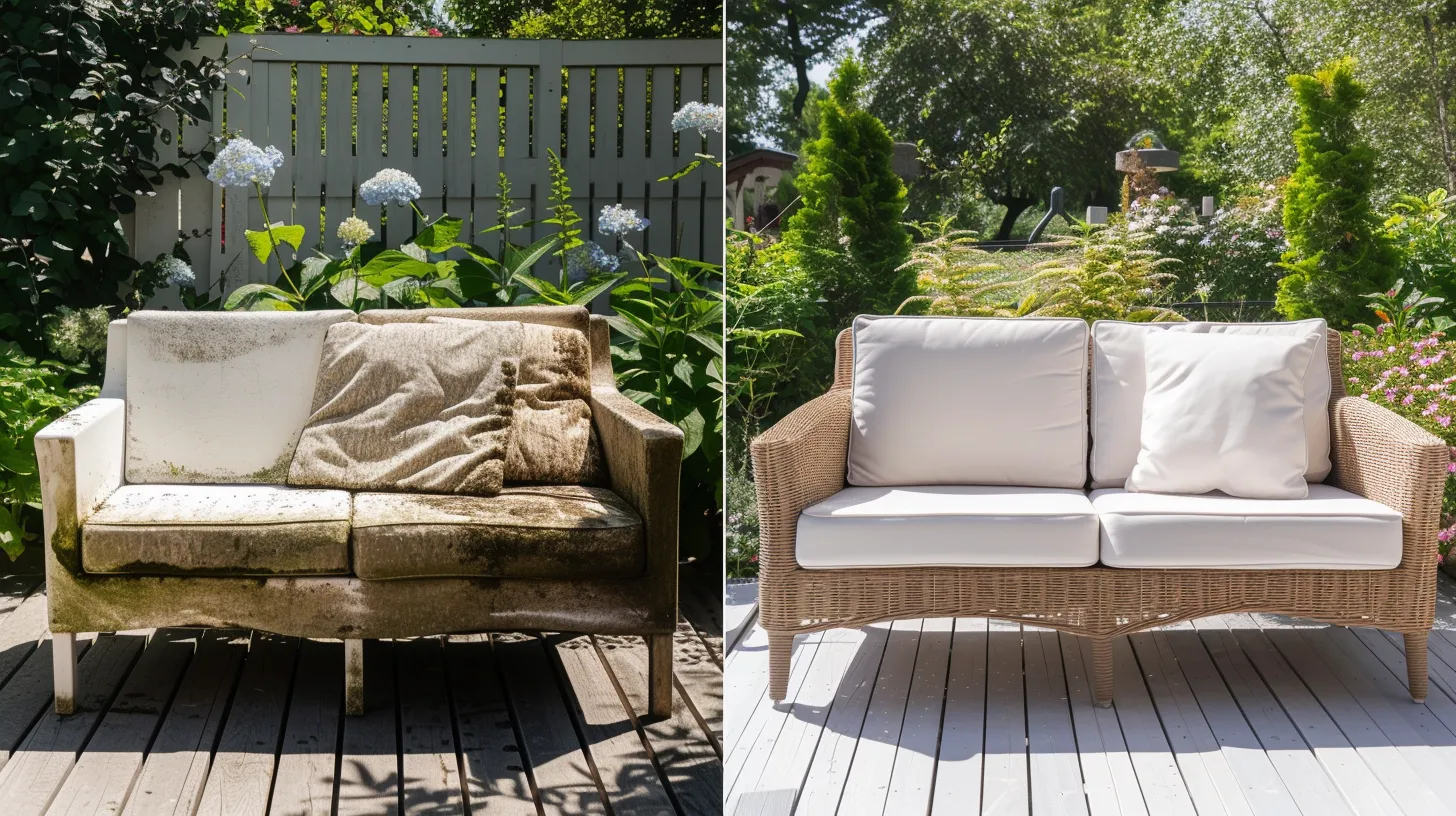
For set-in grime on chair arms and seats, create a thick paste with baking soda and water. Apply directly to stains and wait 15-20 minutes before scrubbing. The mild abrasiveness lifts embedded dirt without scratching surfaces. Rinse completely—any leftover paste will leave a chalky residue.
Oxygen Bleach Deep Clean
Mix 1/4 cup oxygen bleach per gallon of warm water for severe discoloration. Spray onto stained areas and let sit 30 minutes before scrubbing. Critical step: Always test on a hidden area first—some colored plastics may react differently to oxygen-based cleaners.
Textured Surface Deep Cleaning
Textured chairs require special attention. Spray cleaning solution generously and let it soak 10-15 minutes to loosen trapped dirt. Use an old toothbrush to scrub intricate patterns, then rinse with moderate water pressure to flush debris from crevices.
Kill Mold and Mildew Naturally
Mold appears as black, green, or white spots—particularly on chair undersides, joints, and shaded areas. Vinegar works better than bleach for mold removal on plastic without causing damage.
Vinegar Soak Method
Mix equal parts white vinegar and water in a spray bottle. Liberally coat affected areas and wait the full hour—this gives vinegar time to penetrate and kill mold spores at the root. Scrub with a soft brush, then rinse thoroughly.
Severe Mold Treatment
For heavy infestations, use 1 cup oxygen bleach per gallon of warm water. Apply solution, wait 15 minutes maximum, then scrub and rinse. Finish by drying chairs in direct sunlight, which prevents mold regrowth through UV exposure.
Restore Yellowed White Plastic Chairs

White plastic develops yellow or gray discoloration from oxidation and embedded dirt—not permanent damage. This restoration formula works wonders:
Brightening Solution Recipe
Combine 1/4 cup baking soda, 1/4 cup dish soap, and 1 gallon warm water. Apply with soft brush using circular motions. For extreme yellowing, spray 1:1 hydrogen peroxide and water solution, then place chairs in sunlight for 2-3 hours before rinsing—the sun activates the peroxide’s whitening properties.
Success indicator: Noticeable brightening should occur within minutes of scrubbing. Repeat if necessary for heavily oxidized chairs.
Protect Colored Chairs From Fading
Colored plastic requires gentler treatment to preserve vibrancy. Avoid anything labeled “bleach” or “whitening” as these will strip color.
Color-Safe Cleaning Protocol
Use only mild dish soap solutions and clean exclusively in shade. Always test cleaners on hidden spots first. For premium colored sets, invest in pH-neutral plastic cleaners from automotive departments—they’re formulated for colored surfaces.
Preservation tip: Apply automotive paste wax twice yearly to create a UV protection barrier that prevents fading and makes future cleaning easier.
Prevent Problems With Simple Maintenance
Weekly Quick Clean Routine
Wipe down chairs with damp microfiber cloth after each use. Remove debris immediately—don’t let it accumulate in textured areas. Address spills while fresh using a soap-water solution.
Monthly Deep Clean Schedule
Perform basic soap-and-water scrubbing monthly during peak season. Focus extra attention on high-contact areas like armrests. Check undersides for early mold signs before they become major problems.
Seasonal Protection Strategy
Apply protective wax in spring and fall. Use quality furniture covers during extended non-use periods. Store chairs in dry, covered areas when possible—never leave them exposed to elements year-round.
Fix Common Cleaning Failures

Stains That Won’t Budge
Oil stains: Apply degreasing dish soap directly, wait 10 minutes, then scrub.
Rust marks: Use lemon juice + salt paste, wait 30 minutes, then rinse.
Ink stains: Dab with rubbing alcohol using cotton swab—never pour directly.
Surface Damage Repair
Minor scratches: Gently sand with 400-grit sandpaper, then apply plastic polish.
Chalky oxidation: Use plastic restorer compound from auto parts stores.
Cracks: These indicate structural failure—replace the chair for safety.
Seasonal Cleaning Schedule for Longevity
Spring: Deep clean accumulated winter dirt + repair damage + apply protective coating
Summer: Bi-weekly basic cleaning + immediate stain treatment + UV protection
Fall: Thorough cleaning + wax application + storage preparation
Winter: Clean before storage + periodic moisture checks
Eco-Friendly Cleaning Options That Work
Natural alternatives:
– Lemon juice + baking soda for gentle scrubbing
– Salt + vinegar for tough spots
– Castile soap solution for regular cleaning
– Tea tree oil for mold prevention (5 drops per cup water)
Water conservation:
– Use bucket method instead of running hose
– Employ spray bottles for targeted cleaning
– Collect rainwater for outdoor furniture cleaning
Safety First When Cleaning Plastic Chairs
Chemical safety:
– Always wear gloves—even with natural solutions
– Work in ventilated areas
– Never mix different cleaning products
– Store solutions away from children and pets
Physical safety:
– Clean on stable, flat surfaces
– Use proper lifting technique when moving chairs
– Watch for slippery surfaces when wet
Your plastic lawn chairs can last 10+ years with proper care. Start with the basic cleaning method today—you’ll be amazed how new your chairs look after just 20 minutes of attention. For ongoing maintenance, stick to gentle weekly cleanings and seasonal deep treatments to keep your outdoor seating looking its best year after year.


