

Nothing ruins a relaxing outdoor gathering like grimy plastic chairs with stubborn stains from last season’s barbecue. If your patio seating has seen better days, don’t rush to replace them just yet. With the right techniques, you can restore even the most weathered plastic chairs to near-new condition without causing damage. Plastic chairs are surprisingly resilient when cleaned properly, but many people accidentally shorten their lifespan with harsh methods or inappropriate products.
Whether you’re dealing with mildew on your poolside chairs or sticky residue from kids’ snacks on indoor seating, this guide reveals professional cleaning approaches that work for every plastic type. You’ll discover how to identify your chair’s material, select the perfect cleaning solution for specific stains, and implement simple maintenance routines that keep chairs looking fresh for years. Most importantly, you’ll learn which common “cleaning hacks” actually damage plastic surfaces.
Gather Your Plastic Chair Cleaning Arsenal
Basic Kit for Safe Plastic Cleaning
Before tackling any stains, assemble these essential items: mild dish soap (1-2 tablespoons per gallon of warm water), a soft-bristled brush or non-abrasive sponge, microfiber cloths for streak-free drying, a bucket for mixing solutions, and a garden hose or clean water source. The water temperature matters—warm but not hot, as excessive heat can make plastic more flexible and prone to warping under pressure. Always start with the gentlest approach first, escalating only if necessary.
Targeted Solutions for Tough Problems
For specific challenges, keep these stain fighters ready: white vinegar (mixed 3:1 with water for mold), baking soda paste (for stubborn stains), rubbing alcohol (for sticky residue), hydrogen peroxide (3% for yellowing), and lemon juice with salt (for rust stains). These household items effectively tackle most problems without the harsh chemicals that degrade plastic over time. Keep rubber gloves nearby to protect your hands, especially when using stronger solutions.
Identify Your Chair Material Before Cleaning
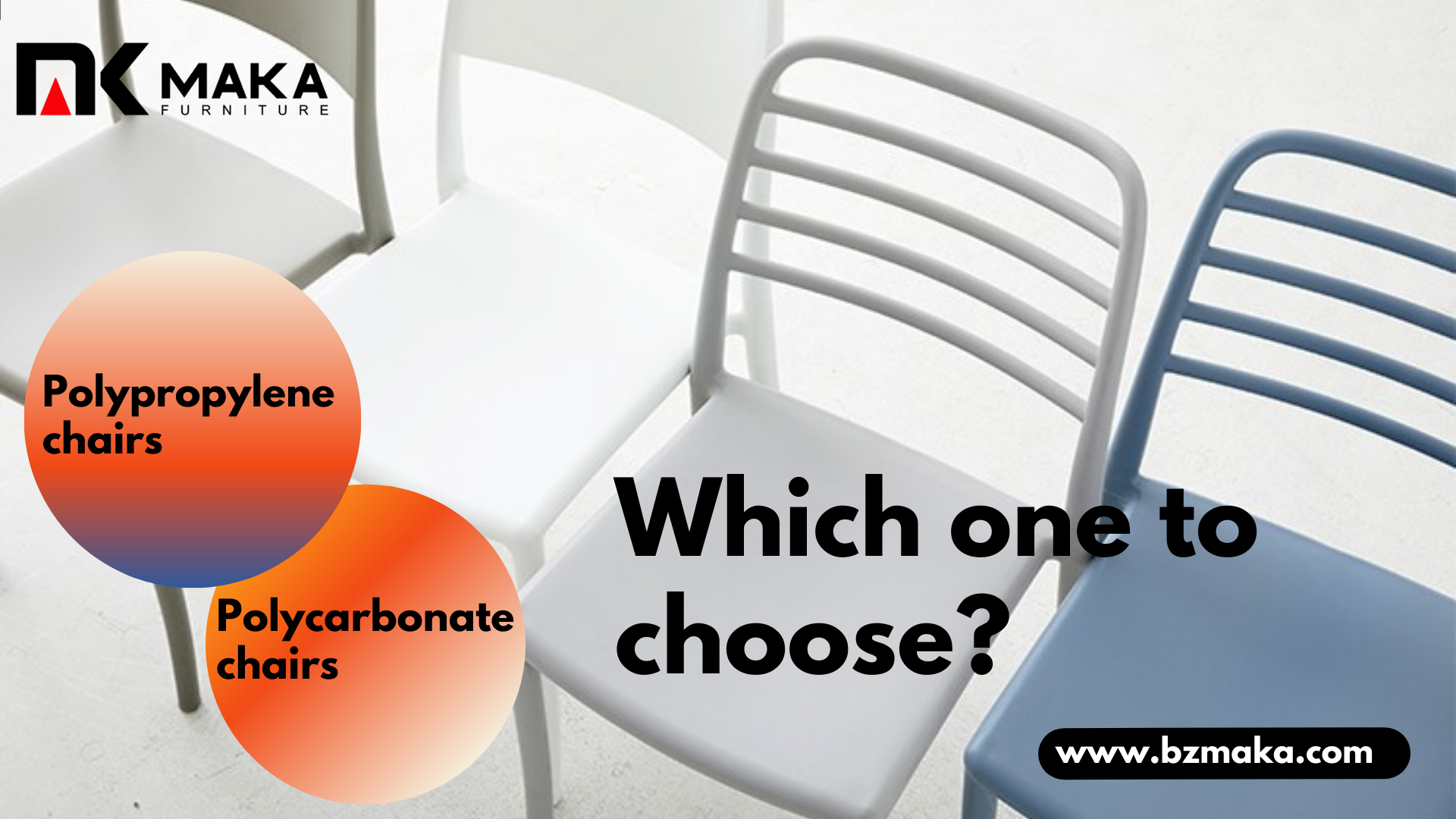
Polypropylene Chairs: The Everyday Workhorse
Lightweight, flexible polypropylene chairs dominate patios and classrooms. Their non-porous surface resists stains but attracts dust through static electricity. Clean these with circular motions using minimal pressure—this technique reduces static buildup that pulls dirt back onto the surface. Avoid abrasive pads that create micro-scratches where grime accumulates faster next time.
Polycarbonate Clear Chairs: Handle With Care
Transparent chairs require special attention. These premium surfaces scratch easily, so skip baking soda and stick to soft cloths only. Test any cleaner on a hidden spot first—what works on white chairs might cloud clear ones. When washing, use downward strokes rather than circular motions to minimize visible swirl marks on transparent surfaces.
Execute Your 5-Minute Daily Cleaning Routine
Dry Dust Removal Technique
Begin with dry cleaning to prevent scratching. Use a soft brush or vacuum with brush attachment to remove loose dirt from crevices, undersides, and legs before applying any liquid. This critical first step prevents turning your cleaning solution into muddy water that re-soils the chair as you work. Pay special attention to textured areas where dirt loves to hide.
Proper Washing and Rinsing Method
Mix 1 tablespoon dish soap with 1 gallon warm water. Working top-down prevents re-soiling cleaned areas. Dip your soft brush in the solution, wring out excess water, and use gentle circular motions. Rinse immediately with clean water—soap residue left to dry creates a film that attracts future dirt. Finish by drying thoroughly with microfiber cloths to prevent water spots that become permanent if left to air-dry in direct sunlight.
Eliminate Mold and Mildew Without Bleach
Vinegar Solution That Works
For black or green spots signaling mold growth, mix 1 part white vinegar with 3 parts water. Apply directly to affected areas and let sit for 15-20 minutes—this dwell time breaks down the mold without harsh chemicals. Gently scrub with a soft brush, then rinse thoroughly. Vinegar’s mild acidity kills mold while being safe for plastic surfaces that bleach would degrade over time.
Baking Soda Boost for Textured Surfaces
Create a paste with 1 tablespoon baking soda and 1 cup water for stubborn mildew in textured chairs. Apply the paste, let it sit for 30 minutes, then scrub gently with a soft brush. The mild abrasiveness lifts mold from crevices without scratching. Always rinse completely—any baking soda residue left behind attracts more dirt.
Conquer Specific Stains Like a Pro

Tree Sap and Sticky Residue Removal
Apply rubbing alcohol to a cotton ball and dab affected areas. Let it penetrate for 5-10 minutes to break down the sap’s adhesive properties. For hardened sap, use a plastic scraper (never metal) to lift material gently after alcohol treatment. Repeat if necessary—forcing removal with excessive pressure creates scratches that become permanent eyesores.
Sunscreen and Oil Stain Solutions
Apply dish soap directly to oil-based stains and let sit for 15 minutes before washing. The soap emulsifies oils, making them water-soluble. For older stains that have penetrated the surface, make a baking soda paste and let it work for several hours before washing. The paste draws out oils through capillary action without damaging the plastic.
Rust and Paint Stain Fixes
For rust stains from metal hardware, mix lemon juice and salt into a paste. Apply to stains and let sit for 30 minutes before gentle scrubbing. The citric acid breaks down rust while the salt provides mild abrasion. Test nail polish remover on hidden areas first for paint stains—apply sparingly with a cotton swab and wipe immediately as acetone can damage some plastics.
Deep Clean Your Chairs Annually
Complete Restoration Process
Once yearly, give chairs the full treatment: disassemble if possible to reach hidden areas, use plastic polish to restore shine, apply UV protectant to prevent future damage, and inspect for cracks. For yellowed white chairs, create a paste with baking soda and hydrogen peroxide (3% solution). Apply to yellowed areas, place in direct sunlight for 2-4 hours, then rinse. The sun activates the peroxide for natural bleaching without harsh chemicals.
Scratch Minimization Techniques
For minor scratches, use automotive plastic polish with a soft cloth in circular motions. The polish fills shallow scratches, restoring smoothness. For deeper scratches that catch your fingernail, consider a plastic restoration kit with progressively finer grits. Always work in the direction of the scratch pattern for best results.
Prevent Future Cleaning Headaches
Smart Storage and Maintenance
Store completely dry chairs in cool, shaded areas with protective layers between stacked chairs. Apply UV-resistant spray every 3-6 months for outdoor chairs—this invisible shield prevents fading and brittleness that leads to cracking. Establish a simple routine: outdoor chairs need weekly cleaning during peak season, while indoor chairs require bi-weekly or monthly attention based on use.
Environmental Protection Strategies
Coastal residents should increase cleaning to weekly during beach season and use fresh water rinses to remove salt deposits. Urban chairs face more pollutants, so use pH-neutral cleaners regularly to prevent chemical buildup. Garden-area chairs need prompt attention for pollen and plant residue that become permanent if left too long.
Eco-Friendly Cleaning Alternatives
Skip expensive commercial cleaners with natural solutions: equal parts vinegar and water works for general cleaning, lemon juice naturally bleaches and deodorizes, and baking soda with castile soap provides gentle abrasion. Conserve water by using a two-bucket system—one for cleaning solution and one for rinse water—minimizing runoff while maximizing effectiveness.
Recognize When Cleaning Isn’t Enough
Even perfect cleaning can’t fix stress cracks in weight-bearing areas, severe yellowing that won’t respond to treatment, structural warping from heat damage, or brittle plastic that breaks easily. After cleaning, inspect chairs under good lighting for uniform cleanliness, stable joints, and absence of new scratches from the cleaning process. When these failure points appear, replacement becomes necessary for safety and comfort.
Quick Reference Cleaning Guide
Everyday Cleaning: Soap and water, 5-minute dry dusting first
Mold Removal: Vinegar solution, 20-minute dwell time
Oil Stains: Baking soda paste, several hours for older stains
Deep Clean: Annual full restoration with UV protection
Protection: UV spray reapplication every 3-6 months
Your plastic chairs can look brand new again with these proven techniques that work with your chair’s material rather than against it. Always test new cleaners on hidden spots first, and never use abrasive materials that scratch plastic surfaces. With consistent care using the right methods, your plastic chairs will provide comfortable, attractive seating for many seasons to come. The secret isn’t harsh chemicals or excessive scrubbing—it’s understanding your chair’s material and matching the cleaning approach to its specific needs.


