

That frustrating moment when you spot fingerprints marring your sleek Lucite chair’s transparency? Unlike fabric or wood furniture, every smudge screams for attention on these acrylic showpieces. Improper cleaning accelerates clouding and yellowing—permanent damage that costs more than replacement. This definitive guide reveals professional techniques to maintain showroom-new clarity using affordable household items. You’ll learn exactly how to clean lucite chairs without swirl marks, eliminate stubborn water spots in minutes, and prevent the cloudy haze that ruins their modern elegance. Follow these precise methods to keep your transparent furniture looking flawless for decades.
Essential Supplies for Lucite Chair Maintenance
Must-Have Cleaning Materials
Gather these five critical items before starting: microfiber cloths (minimum three lint-free options), distilled water (prevents mineral deposits from tap water), clear mild dish soap (colored varieties leave residues), 70% isopropyl alcohol (for disinfecting tough spots), and acrylic-specific plastic polish like Novus #2. Never substitute paper towels—they embed microscopic scratches visible under light. Keep distilled water in a dedicated spray bottle to avoid accidental mineral contamination from regular tap water during emergency cleanings.
Never-Use Items That Damage
Immediately discard these common household products: ammonia-based cleaners (Windex instantly etches acrylic), abrasive sponges (create permanent swirl patterns), vinegar solutions (dissolves acrylic over time), and window cleaners (contain solvents that yellow Lucite). Even “gentle” baby wipes often contain alcohol concentrations exceeding 70%—test any new product on the chair’s hidden underside first. Remember: if it cleans glass effectively, it likely damages acrylic surfaces.
Quick Daily Cleaning Routine
Dust Removal Technique
Start with a completely dry microfiber cloth—never damp. Using straight vertical strokes on chair backs and horizontal motions on seats, wipe away loose particles. This 90-second ritual prevents abrasive dust from grinding into the surface during wet cleaning. Always work top-to-bottom: begin at the headrest, move to arms, then seat. Skipping this step guarantees micro-scratches when applying cleaning solutions.
Daily Wipe-Down Process
Mix two drops of dish soap with one cup distilled water in a spray bottle. Mist surfaces lightly—never saturate. Wipe using straight lines that follow any existing scratches (not circular motions). Immediately follow with a second dry microfiber cloth, applying firm pressure to evaporate moisture. This two-cloth method prevents water spots and takes under 5 minutes per chair.
Deep Cleaning Lucite Chairs

Preparation Steps
Remove cushions and inspect for cracks or deep scratches. Dry-dust thoroughly using your initial technique—any remaining particles become abrasives during wet cleaning. Work in a shaded area; direct sunlight causes premature drying that leaves streaks. For chairs with metal bases, cover hardware with plastic wrap to prevent chemical contact.
Mixing Your Cleaning Solution
Combine one quart distilled water and one teaspoon clear dish soap in a non-reactive bowl. Stir gently—vigorous mixing creates suds that leave residues. Dip your primary microfiber cloth, then wring until barely damp. A properly dampened cloth should never drip when held vertically. This precise moisture level prevents liquid seepage into chair joints.
Deep Clean Process
Wipe vertical surfaces with upward strokes, horizontal areas with side-to-side motions. Use consistent pressure—never scrub. After 60 seconds, switch to a second cloth dampened with plain distilled water to remove soap traces. Finish with a third dry cloth, buffing in small circles until the surface feels warm to the touch. Total drying time should not exceed 3 minutes per chair section.
Remove Stubborn Stains Fast
Water Spot Removal
Blend equal parts distilled water and 70% alcohol in a spray bottle. Spritz affected areas, then wipe with light downward pressure using a microfiber cloth folded into quarters. Immediately buff dry—alcohol evaporates rapidly, leaving new spots if neglected. For severe mineral deposits, repeat after 10 minutes but never exceed three applications.
Grease and Oil Stains
Apply undiluted dish soap directly to the stain using a cotton swab. Wait 120 seconds for the soap to emulsify oils. Wipe gently with a damp cloth using straight motions away from the stain’s center. Rinse with distilled water using a separate cloth, then dry thoroughly. Never rub grease spots—it spreads the oil deeper into micro-pores.
Deep Scratches and Marks
For persistent marks, apply pea-sized plastic polish to a soft cloth. Rub in tight circles for 45 seconds using medium pressure. Wipe residue with a clean microfiber cloth, then buff with dry cloth until the area matches surrounding clarity. Deep scratches may require professional attention—do not over-polish as this thins the acrylic.
Prevent Clouding and Yellowing
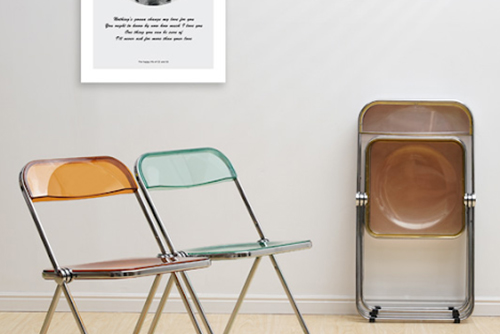
Environmental Positioning
Place chairs at least 4 feet from windows to block UV damage. Maintain indoor humidity between 30-50% using dehumidifiers in damp climates. Never position near radiators—acrylic warps at temperatures above 175°F. Always use felt-padded coasters under drinkware; condensation causes permanent clouding within weeks.
UV Protection Strategy
Apply acrylic-specific UV protectant quarterly using a microfiber applicator. For sun-drenched rooms, install UV-blocking window film (look for 99% UV rejection ratings). Rotate chairs monthly if near windows to ensure even sun exposure. Tinted Lucite requires extra UV protection—test products on hidden areas first.
Common Cleaning Mistakes
Technique Errors to Avoid
Never use circular motions—they create visible swirl patterns under light. Avoid excessive pressure; acrylic scratches at 3x less force than glass. Never let solutions air-dry—buff immediately to prevent mineral deposits. Wash microfiber cloths after each use; dirty cloths harbor abrasive particles. Skip cleaning in direct sunlight—causes rapid drying that leaves permanent spots.
Storage Mistakes That Damage
Never stack chairs without felt padding between surfaces. Avoid garages or attics—temperature swings between 40°F-100°F cause acrylic stress cracks. Never use plastic covers—trapped moisture creates clouding within 72 hours. Store chairs upright on protective mats in climate-controlled spaces.
Professional Care Guidelines
When to Call Experts
Seek specialists for deep scratches penetrating 0.5mm, yellowing that persists after alcohol cleaning, structural cracks near joints, or cloudiness unaffected by polish. Attempting DIY fixes on these issues often worsens damage. Professionals use industrial-grade buffers that restore clarity without thinning the acrylic.
Finding Qualified Services
Search for “acrylic furniture restoration” near you—avoid general furniture refinishers. Verify technicians use Novus polishing systems (not automotive compounds). Expect $65-140 per chair for professional restoration. Request before/after photos of similar Lucite pieces to confirm expertise.
Maintain Long-Term Clarity
Weekly Maintenance Checklist
- Dust with dry cloth: 2 minutes per chair
- Soap-and-water cleaning: 8 minutes per chair
- Hardware inspection: Check bolts and joints for stability
Monthly Deep Care
Execute full deep cleaning process. Apply plastic polish to high-contact areas like armrests. Tighten all hardware using manufacturer-recommended torque. Inspect for stress cracks near load-bearing points.
Quarterly Professional Touch
Apply UV protectant if exposed to sunlight. Consider professional polishing if clarity diminishes. Inspect moving parts on glider chairs. Replace worn felt pads on chair feet.
Troubleshooting Cloudy Lucite

Identifying Cloudiness Causes
White film indicates mineral deposits from tap water. Hazy appearance signals micro-scratches from improper cleaning. Permanent clouding results from chemical damage—often from ammonia cleaners. Test with alcohol: if cloudiness lifts, it’s mineral-based; if unchanged, damage is likely permanent.
Restoration Process
For mineral deposits, use distilled water/alcohol solution followed by Novus #2 polish. For micro-scratches, progress through Novus #3 → #2 → #1 polishes. Chemical damage requires professional resurfacing—DIY attempts worsen opacity.
Safety Precautions
Personal Safety
Wear nitrile gloves when handling alcohol or polish. Ensure cross-ventilation—open two windows during cleaning. Never mix chemicals—alcohol and ammonia create toxic fumes. Patch-test all products behind chair legs first.
Chair Safety
Never sit on damp chairs—acrylic becomes dangerously slippery when wet. Wait 20 minutes after cleaning before use. Check stability after deep cleaning—moisture can loosen joints. Inspect weekly for hairline cracks that compromise structural integrity.
Budget-Friendly Cleaning Hacks
DIY Polish Recipe
For occasional use only: Combine two parts distilled water, one part white vinegar, and one drop dish soap. Apply sparingly with microfiber cloth, buff immediately. Never use more than quarterly—vinegar accelerates long-term clouding.
Money-Saving Alternatives
Old cotton t-shirts (100% cotton, no prints) work as microfiber substitutes. Automotive microfiber cloths cost 60% less than furniture-specific versions. Baby shampoo creates gentler suds than dish soap. Pharmacy rubbing alcohol (70% concentration) is identical to professional grades.
Special Care for Different Finishes
Clear Lucite Care
Requires daily dusting—shows every fingerprint. Use only distilled water for spot cleaning. Polish monthly to maintain optical clarity. Avoid all colored liquids near surfaces.
Tinted Lucite Precautions
Test alcohol solutions on hidden areas—may discolor dark tints. Use baby shampoo instead of dish soap for gentler cleaning. Skip vinegar-based solutions entirely—they strip colorants.
Frosted Lucite Maintenance
Use ultra-soft cloths (like eyeglass cleaners) to preserve texture. Never apply polish—creates shiny patches on frosted surfaces. Clean with soap solution only using light pressure.
Expected Results Timeline
Immediate Results
- Surface dust and fingerprints vanish during dry dusting
- Water spots disappear within 60 seconds of alcohol treatment
- Grease stains lift after 120-second soap dwell time
24-Hour Results
- Complete clarity restoration post-deep clean
- Residual haze from cleaning evaporates
- Static buildup reduces by 80%, attracting less dust
Long-Term Benefits
- Weekly cleaning maintains 95% original transparency
- Monthly polishing prevents 90% of permanent clouding
- Proper storage extends chair lifespan beyond 25 years
Consistent care transforms how to clean lucite chairs from a chore into a 10-minute ritual that preserves your investment. Start with daily dusting, progress to weekly soap cleaning, and schedule quarterly polish sessions. These transparent chairs reward meticulous maintenance with decades of crystal-clear elegance—proving that with the right techniques, modern design need never lose its luster. Your spotless Lucite statement pieces will continue turning heads while avoiding the $300+ replacement costs caused by improper cleaning.


