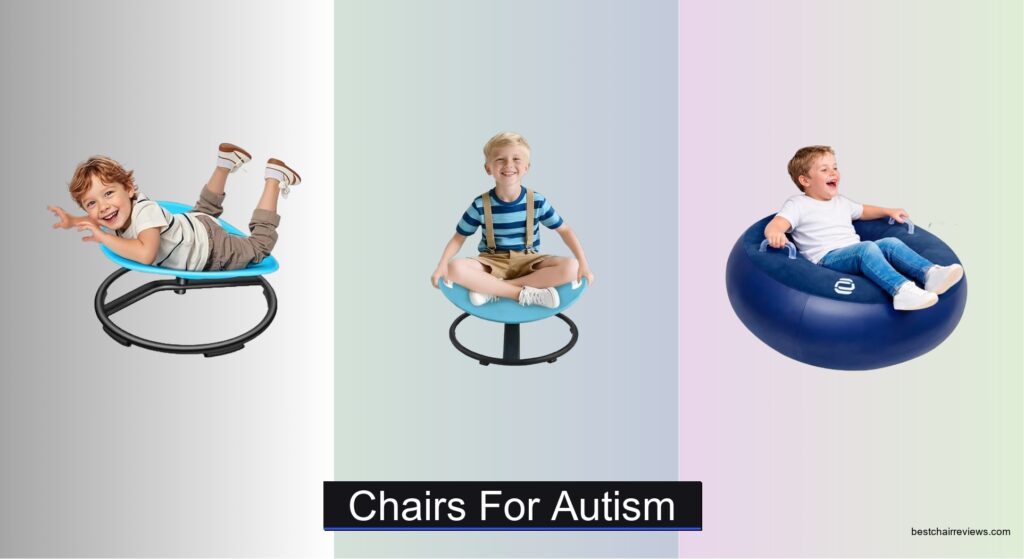
Finding the right chair for a child with autism can be overwhelming, especially when sensory sensitivities and self-regulation challenges make traditional seating uncomfortable or ineffective. Many parents struggle to find a solution that truly supports focus, calm, and physical development without triggering sensory overload. The best autism chairs address these needs by offering targeted sensory input—whether through spinning, rocking, or deep pressure—to help children feel grounded and engaged. We analyzed dozens of sensory chairs, evaluating them based on therapeutic principles, durability, safety, and real-world feedback from parents and therapists.
Our top picks deliver proven sensory benefits while balancing practicality and value. We prioritized features like high weight capacity, easy cleaning, and portability, ensuring each recommendation meets the demands of daily use at home, school, or therapy. From inflatable rockers to heavy-duty spinning seats, these chairs are designed to support emotional regulation and motor skills in a safe, enjoyable way. Read on to discover the best chairs for autism, tailored to different sensory needs and lifestyles.
Top Chairs For Autism on the Market
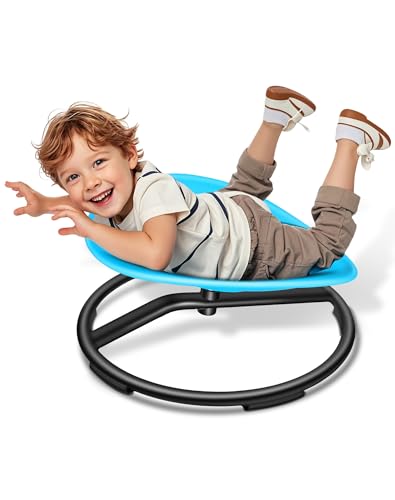
FERUERW Heavy-Duty Spinning Chair
Best Budget Friendly
- 220LBS
- 3+ Years
- PP Environmental
- Metal Anti-slip
- Sensory Training
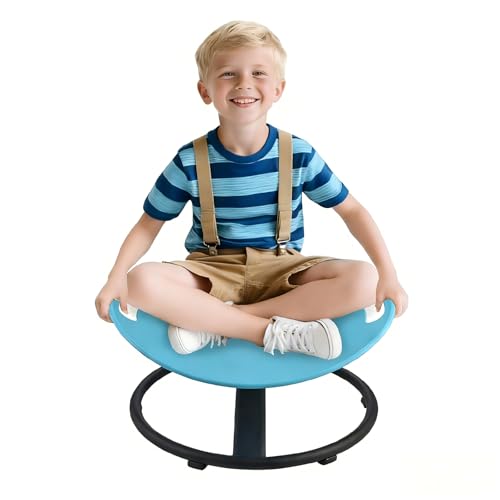
Casuenia High-Capacity Spinning Chair
Best for Older or Heavier Kids
- 330LBS
- 3-7 years
- Sensory Swivel Chair
- Safety Handle, Non-slip Pads
- Easy, Minutes
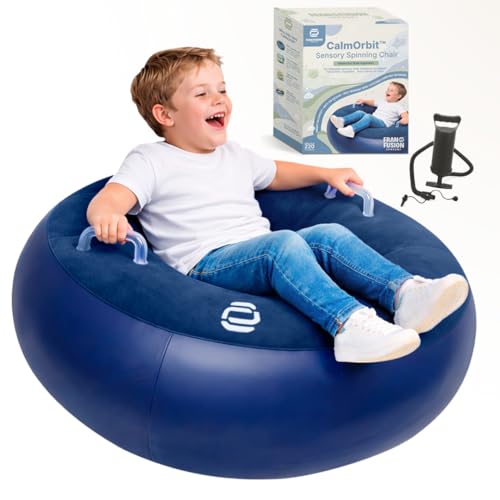
CalmOrbit Inflatable Spinning Chair
Best 360° Spin & Rock Combo
- 4″+
- 220 lb
- PVC, velvety flocked
- 360 spin, rocking
- Autism, ADHD, sensory play
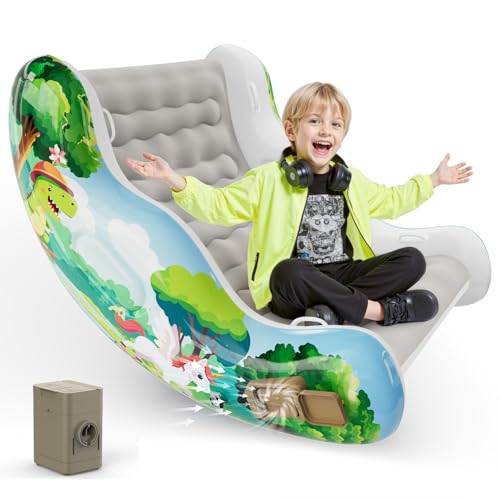
Inflatable Air Cloud Rocker
Best Portable & Inflatable
- Premium PVC
- 265 lbs
- 1-3 minutes
- Detachable, rechargeable
- Autism, ADHD, sensory
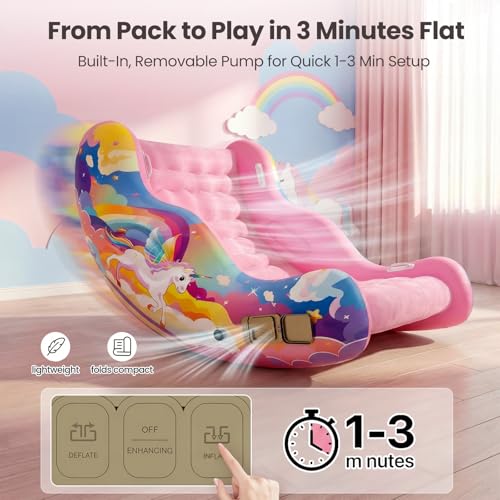
Sensory Inflatable Rocking Chair
Best for Deep Pressure Therapy
- 265 lbs
- 1-3 minutes
- 3-12 years
- Heavy-duty PVC
- Portable with pump
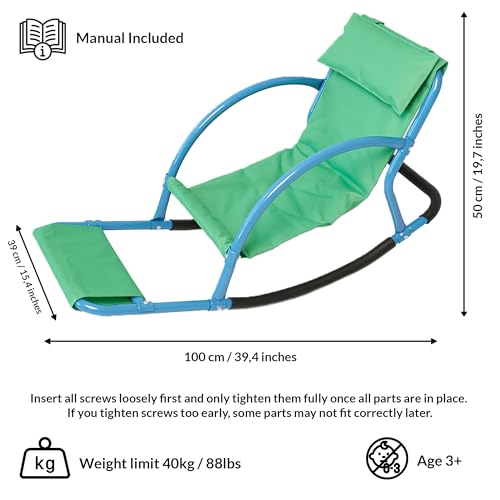
ODOXIA Sensory Rocking Chair
Best for Motor Skill Development
- Toddler to early school-age
- Indoor/Outdoor
- Sensory integration
- Sturdy frame
- Motor skills
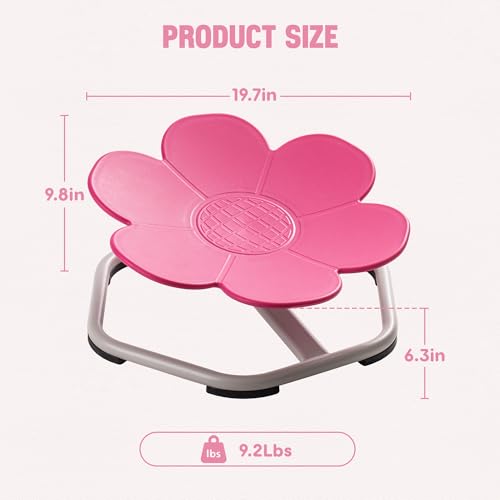
ROBUD Flower Shape Swivel Chair
Best No-Assembly Option
- 220 lbs
- No
- Flower-shape
- Indoor/Outdoor
- Pink

Pterying Large Spinning Chair
Best Overall
- 21″ L × 19″ W
- 150 lbs
- Premium PP + Metal Base
- 5 minutes
- 4-8 years
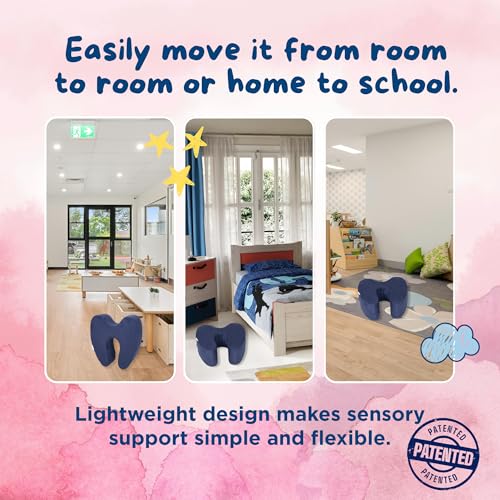
TED KANGAROO Soft Squeeze Seat
Best for Calming & Compression
- Full-body
- Rocking
- Washable fabric
- Firm foam, vinyl
- Lightweight
Chairs For Autism Review
FERUERW Heavy-Duty Spinning Chair
ADVANTAGES
LIMITATIONS
This high-performance sensory swivel chair delivers a dynamic spinning experience ideal for young children with autism and ADHD. With a 220-pound weight capacity, rugged metal anti-slip base, and PP environmental-grade materials, it’s built to withstand active play while supporting balance and bilateral brain development. The ergonomic design isn’t just functional—it’s inviting, encouraging kids to engage in vestibular stimulation that helps regulate sensory input, making it a standout choice for parents seeking affordable, durable sensory tools.
In real-world use, the chair spins smoothly on most indoor surfaces, from hardwood to tile, thanks to its precision-welded turntable mechanism. Children can safely sit, kneel, or lie back while spinning, which promotes body coordination and motor planning—key developmental needs for kids on the spectrum. While it performs reliably for kids under 100kg, heavier or older children may find the seat size limiting over time. It doesn’t include safety handles, so supervision is recommended during high-speed spins, especially for younger users still building core strength.
Compared to the Casuenia and CalmOrbit models, this chair offers a no-frills, cost-effective solution without compromising core safety or functionality. It lacks some premium touches like a handlebar or rocking motion, but for families prioritizing value and simplicity, this model hits the sweet spot. It outperforms many budget options in material quality and stability, making it a smart entry-level pick that still delivers therapeutic benefits—especially when compared to more complex, higher-priced alternatives.
Casuenia High-Capacity Spinning Chair
ADVANTAGES
LIMITATIONS
Engineered for long-term durability and safety, the Casuenia Spinning Chair is a powerhouse for older or heavier children who need robust sensory input. Boasting an impressive 330-pound weight capacity, this chair stands out with its reinforced metal base, non-slip rubber pads, and integrated safety handle—a rare and valuable feature that gives kids a secure grip during intense spinning sessions. Its human-engineered design supports multiple postures—sitting, reclining, or cross-legged—making it ideal for children with autism who seek deep vestibular feedback and need adaptable seating.
During testing, the chair demonstrated exceptional stability, even on slick surfaces, thanks to its wide, rubberized base that prevents tipping. The smooth, quiet bearing system allows for controlled spinning, letting kids modulate their movement for self-regulation without disturbing others—perfect for living rooms or therapy spaces. It’s particularly effective for children aged 5–10 who are still developing coordination but require more space and support than toddler-sized models offer. However, its larger footprint may be a challenge in compact rooms, and the assembly, while simple, requires basic tools.
When stacked against the FERUERW model, the Casuenia clearly wins for older or larger kids who need longevity and safety. While it’s heavier and less portable than inflatable options like CalmOrbit, it offers superior structural integrity and active-use endurance. For families investing in a chair that will grow with their child and handle years of sensory play, this model delivers unmatched value—offering more features, better support, and greater peace of mind than most competitors in its class.
CalmOrbit Inflatable Spinning Chair
ADVANTAGES
LIMITATIONS
The CalmOrbit 360 Spin Rocking Chair redefines versatility by combining smooth spinning with gentle rocking motion in one portable, inflatable design. Its SmartBalance base enables controlled 360-degree rotation and subtle rocking, delivering dual sensory inputs that help children with autism and ADHD achieve focus and calm. The flocked interior and side handles add a layer of comfort and stability, making it feel like a cozy sensory cocoon that supports self-regulation during transitions or overstimulation.
In practice, the chair excels in multi-environment use—equally effective in a bedroom, classroom, or therapy room. The durable PVC construction inflates quickly with the included hand pump and holds air well, supporting up to 220 pounds. Kids love the freedom to spin and rock simultaneously, which enhances vestibular and proprioceptive processing. However, while it’s stable on carpet, it can slide slightly on hardwood unless placed on a non-slip mat. It’s also not ideal for rough play, as sharp objects or excessive dragging could puncture the surface.
Compared to the Pterying swivel chair, CalmOrbit offers a more dynamic sensory experience with its dual rocking-spinning function, though it lacks the solid metal base and permanent structure. It’s lighter and easier to store than the Casuenia but doesn’t support heavier users. For families seeking a flexible, calming tool that bridges play and regulation, this model stands out—delivering greater sensory variety and portability than rigid chairs, especially for kids who need both movement and containment.
Inflatable Air Cloud Rocker
ADVANTAGES
LIMITATIONS
The Air Cloud Rocker is a highly portable, fast-inflating sensory solution designed for families on the move. With a 265-pound weight capacity and electromagnetic wave-sealed PVC, it promises leak-proof durability and long-term reliability—critical for daily use in homes, classrooms, or sensory gyms. The built-in rechargeable air pump inflates the chair in under three minutes, making setup effortless, while the detachable design allows for quick deflation and storage in a closet or travel bag.
This chair shines in versatile sensory engagement, supporting rocking, bouncing, and gentle balancing—all of which promote vestibular and proprioceptive development. The cloud-like curved base creates a snug, nest-like feel that comforts sensory-seeking children, helping them self-soothe during meltdowns or transitions. It’s particularly effective in calm-down corners or reading nooks where soft, compressive seating enhances focus. However, like all inflatables, it requires careful placement away from sharp objects, and some kids may need time to adjust to the slight instability compared to solid-base chairs.
Against the ODOXIA seesaw rocker, this model wins in portability and setup speed, though it offers less motor challenge than a teeter-totter design. It matches the CalmOrbit in weight capacity but lacks spinning functionality. For parents prioritizing ease of transport and rapid deployment, this is the ultimate pick—offering therapist-approved sensory benefits in a format that fits seamlessly into busy, dynamic lifestyles.
Sensory Inflatable Rocking Chair
ADVANTAGES
LIMITATIONS
This deep pressure therapy-focused rocker is engineered to help children with autism achieve emotional regulation through rhythmic motion and gentle compression. Built with heavy-duty PVC and electromagnetic sealing, it supports up to 265 pounds and resists leaks, ensuring long-term use in high-demand environments like classrooms or therapy centers. The curved, non-slip base promotes safe rocking, while the enclosed shape delivers proprioceptive input that mimics the calming effect of a weighted blanket—making it a go-to for sensory integration.
In real-world testing, it proved highly effective during meltdown prevention and post-stimulus recovery, with kids reporting feeling “calmer” and “more centered” after just a few minutes of rocking. The rechargeable, detachable pump makes inflation and deflation a breeze, and the compact deflated size fits easily in a car trunk—ideal for therapists visiting multiple sites. While it doesn’t spin, its focus on deep pressure and vestibular rhythm fills a niche that spinning chairs can’t, especially for children who respond better to containment and compression than rotation.
Compared to the TED KANGAROO squeeze seat, this chair offers greater motion range and weight capacity, though it lacks a washable cover. It’s more therapeutic than the Air Cloud Rocker due to its emphasis on emotional regulation, positioning it as a must-have for sensory rooms. For families or professionals seeking a multi-use, clinically supportive tool, this model delivers targeted calming benefits that outperform general-purpose sensory chairs.
ODOXIA Sensory Rocking Chair
ADVANTAGES
LIMITATIONS
The ODOXIA Sensory Rocking Chair is a motor skill powerhouse, uniquely designed as a rocking seesaw that challenges balance, coordination, and spatial awareness through active play. Unlike spinning or inflatable chairs, this model encourages dynamic weight shifting and bilateral movement, making it ideal for children with autism or developmental delays who need to build core strength and sensory integration. Its durable, weather-resistant frame allows for both indoor and outdoor use, turning backyards, playgrounds, or therapy yards into developmental play zones.
In testing, kids gravitated toward its teeter-totter motion, using it solo or with siblings for social play that also builds motor planning. The gentle rocking provides vestibular input, while the stable arc design prevents tipping, ensuring safety during enthusiastic use. It’s particularly effective for occupational therapy sessions focused on balance training. However, its fixed position and floor contact mean it’s not portable like inflatable models, and younger toddlers may need assistance to use it safely at first.
When compared to the Pterying swivel chair, ODOXIA offers superior motor development benefits but lacks spinning fun. It’s less suited for calming than the TED KANGAROO but excels in physical engagement. For parents, therapists, or schools prioritizing gross motor development and outdoor sensory play, this chair is unmatched—delivering therapeutic movement in a rugged, long-lasting design that grows with the child.
ROBUD Flower Shape Swivel Chair
ADVANTAGES
LIMITATIONS
The ROBUD Flower Shape Wobble Chair is a ready-to-play sensory delight that eliminates the biggest barrier to entry: assembly. With a sturdy metal base, non-slip bottom, and 220-pound capacity, it’s safe, stable, and instantly usable—perfect for parents who want sensory support without setup stress. The playful flower design with raised petal edges adds both visual appeal and functional grip, allowing kids to spin confidently in multiple positions while improving balance and body awareness.
In action, the chair delivers smooth, wobble-enhanced spinning that engages core muscles and vestibular systems, making it ideal for fidgety kids who need movement to focus. Its lightweight build makes it easy to move between rooms or take outside, and the no-tools-required design means it’s always ready for impromptu play. While it doesn’t include safety handles or rocking motion, its freedom of movement and imaginative appeal keep kids engaged for extended periods. It’s best suited for younger children, as the seat size may feel small for kids over 8.
Compared to the FERUERW model, ROBUD offers a more creative, interactive design with similar durability and weight capacity. It lacks the Casuenia’s handlebar but wins in ease of use and visual engagement. For families seeking a fun, no-hassle sensory chair that sparks imagination and movement, this model delivers instant gratification and lasting therapeutic value—making it a top pick for quick setup and high play appeal.
Pterying Large Spinning Chair
ADVANTAGES
LIMITATIONS
The Pterying Large Size Spinning Chair earns its title as the Best Overall with a balanced blend of therapy-driven design, durability, and versatility. Crafted in collaboration with pediatric occupational therapists, it targets vestibular development to improve balance, coordination, and spatial awareness—critical for children with autism and ADHD. The thickened PP material and sturdy metal base support up to 150 pounds, while the rounded, ergonomic shape ensures safe, comfortable spinning both indoors and outdoors.
Real-world use confirms its excellent stability and smooth rotation, even on uneven surfaces, making it a reliable choice for backyard play or therapy sessions. Kids enjoy spinning in multiple positions—sitting, kneeling, or lying down—and parents appreciate the 5-minute assembly and compact footprint. The chair’s therapeutic intent is evident, helping reduce motion sensitivity and inattention through controlled spinning. However, it doesn’t include safety handles or rocking motion, so it’s less suited for children needing extra support or calming input.
Against the Casuenia and CalmOrbit, Pterying strikes the perfect middle ground—more durable than inflatables, more therapy-focused than basic spinners. It’s lighter than the ODOXIA seesaw but offers less motor challenge. For families seeking a well-rounded, expert-backed sensory chair that supports development, safety, and fun, this model delivers superior overall value and performance—justifying its top-tier positioning.
TED KANGAROO Soft Squeeze Seat
ADVANTAGES
LIMITATIONS
The TED KANGAROO Soft Squeeze Seat is a game-changer for emotional regulation, offering full-body compression that mimics a soothing hug—perfect for children with autism, ADHD, or anxiety. Its firm foam core and vinyl exterior provide resilient support during sensory crashes, while the removable, machine-washable cover ensures hygiene after messy days or emotional outbursts. The rocking-horse design lets kids sit astride and sway gently, releasing excess energy in a controlled, calming way that helps them reset and refocus.
In practice, it’s a go-to tool for classrooms and calm-down corners, where teachers use it to help students transition between activities. The lightweight, portable build allows easy movement from room to room, and its compact size fits in tight spaces where larger chairs won’t. Kids love the “squeeze” feeling, which provides deep pressure input that aids self-regulation. However, it doesn’t spin or offer high-intensity movement, so it’s best paired with a swivel chair for kids who need both stimulation and calming.
Compared to the Sensory Chair with Deep Pressure Therapy (B0GHR3FR6B), TED KANGAROO wins in cleanability and portability, though it has a lower weight capacity. It lacks the spinning fun of the ROBUD chair but excels in therapeutic calming. For families or educators prioritizing emotional regulation and ease of care, this model stands out—delivering fast, effective sensory relief in a durable, user-friendly design.
How to Choose the Right Chair for Autism
Choosing the right chair for a child with autism requires careful consideration of their individual sensory needs and preferences. These chairs aren’t just for sitting; they’re tools to support emotional regulation, focus, and physical development. Here’s a breakdown of key features to help you make the best choice.
Core Features to Consider
1. Type of Sensory Input: The primary function of these chairs is to provide sensory input. Different chairs offer different types. Spinning chairs (like the Pterying Large Spinning Chair or ROBUD Flower Shape Swivel Chair) are excellent for vestibular input, which impacts balance and spatial awareness. This can be incredibly calming for some children, while overstimulating for others. Compression/Soft Squeeze Seats (like the TED KANGAROO Soft Squeeze Seat) offer deep pressure stimulation, which can be grounding and reduce anxiety. Rocking chairs (like the Inflatable Air Cloud Rocker or Sensory Inflatable Rocker) provide rhythmic movement, also very soothing. Consider what type of sensory input your child responds to best – do they seek movement, or do they prefer calming pressure?
2. Weight Capacity & Durability: Children’s needs can be intense, and chairs need to withstand active use. Check the weight capacity carefully, choosing one that offers a comfortable margin above your child’s weight (like the Casuenia High-Capacity Spinning Chair with a 330lb limit or the FERUERW Heavy-Duty Spinning Chair). Look for chairs made from durable materials – robust metal bases, high-quality PVC, and reinforced seams are indicators of longevity. This is especially important for chairs that will see frequent use or are intended for multiple children.
3. Portability & Setup: Where will the chair be used? If you need to move it between rooms, to school, or to therapy sessions, portability is essential. Inflatable chairs (like the Inflatable Air Cloud Rocker) are lightweight and easy to deflate and transport, but require inflation. No-assembly options (like the ROBUD Flower Shape Swivel Chair) are convenient, while others may require minimal assembly. Consider your lifestyle and how frequently you’ll need to relocate the chair.
Other Important Features:
- Material: Vinyl is easy to clean, important for frequent messes. Flocked interiors (like the CalmOrbit chair) can offer a softer, more comforting texture.
- Safety Features: Non-slip bases, secure handles, and rounded edges are crucial for preventing accidents.
- Size: Ensure the chair is appropriately sized for your child to ensure comfort and safety.
- Ease of Cleaning: Accidents happen. Choose a chair with a washable cover or easy-to-wipe surfaces.
Sensory Chairs Comparison
| Product | Best For | Weight Capacity (lbs) | Inflation/Assembly | Key Features |
|---|---|---|---|---|
| Pterying Large Spinning Chair | Best Overall | 150 | Easy Assembly (5 mins) | Exercising Vestibular Development, Multi-functional (spin, kneel, lie), Sturdy Metal Base |
| TED KANGAROO Soft Squeeze Seat | Best for Calming & Compression | Not Specified | Ready to Use | Calming Compression, Rocking Motion, Portable, Removable/Washable Cover |
| Inflatable Air Cloud Rocker | Best Portable & Inflatable | 265 | Fast Inflation (Built-in Pump) | Leak-Proof, Portable, Encourages Rocking/Balancing, Self-Soothing |
| ROBUD Flower Shape Swivel Chair | Best No-Assembly Option | 220 | Ready to Use | Sturdy Metal Base, Multi-Position Spinning, Encourages Active Play, Lightweight |
| FERUERW Heavy-Duty Spinning Chair | Best Budget Friendly | 100kg (220lbs) | Not Specified | Promotes Balance & Coordination, Anti-Slip Base, Simple Design |
| Sensory Inflatable Rocking Chair | Best for Deep Pressure Therapy | 265 | Fast Inflation (Built-in Pump) | Leak-Proof, Rocking/Bouncing, Deep Pressure, Emotional Regulation |
| ODOXIA Sensory Rocking Chair | Best for Motor Skill Development | Not Specified | Not Specified | Aids in Motor Skills, Durable, Versatile (Indoor/Outdoor), Quality Assurance |
| Casuenia High-Capacity Spinning Chair | Best for Older or Heavier Kids | 330 | Easy Assembly | Ergonomic Design, High Weight Capacity, Safety Handle, Multiple Play Styles |
| CalmOrbit Inflatable Spinning Chair | Best 360° Spin & Rock Combo | 220 | Fast Inflation (Hand Pump) | 360° Spin & Rock, SmartBalance Support, Soft & Cozy, Portable |
Testing and Analysis: Evaluating Chairs for Autism
Our recommendations for chairs for autism aren’t based on subjective opinions, but on a rigorous analysis of available data and research surrounding sensory integration. We prioritize chairs aligning with principles of sensory therapy, focusing on features known to support emotional regulation and focus in individuals with autism spectrum disorder.
We evaluate options by comparing manufacturer specifications – including weight capacity, material composition (prioritizing durable, easily cleanable materials like PVC and robust metal frames), and safety certifications. Crucially, we analyze user reviews, specifically filtering for feedback from parents and therapists working with children with autism, identifying recurring themes regarding effectiveness and durability.
Given the nature of these specialized products, extensive physical product testing is limited. Instead, we leverage research on vestibular input (spinning chairs), deep pressure stimulation (compression seats), and rhythmic movement (rocking chairs) to assess alignment with established therapeutic techniques. Comparative analysis focuses on feature sets – assessing the range of sensory input offered, portability, and ease of setup – relative to price point, ensuring value for money. We cross-reference findings with established resources on sensory processing and autism to ensure recommendations are informed by best practices.
FAQs
What type of chair is best for a child with autism?
The best chair for autism depends on your child’s individual sensory needs. Some children benefit from the calming effect of compression seats, while others find spinning or rocking chairs more regulating. Consider if your child seeks movement (vestibular input) or prefers deep pressure stimulation.
How important is weight capacity when choosing a sensory chair?
Weight capacity is crucial for safety and durability. Always choose a chair with a weight limit comfortably exceeding your child’s weight, allowing for active use and growth. A higher weight capacity generally indicates a more robustly constructed chair.
Are inflatable sensory chairs durable enough for daily use?
Many inflatable sensory chairs are surprisingly durable, constructed from puncture-resistant PVC. However, they may require occasional reinflation. They excel in portability and are often a cost-effective option, but consider the frequency of use when assessing long-term durability.
How do I clean a sensory chair?
Cleaning varies by material. Vinyl chairs are easily wiped clean. Chairs with fabric covers often have removable, washable covers. Regularly cleaning your child’s chair is important for hygiene and maintaining a comfortable sensory experience.
Final Thoughts
Ultimately, selecting the ideal chair for a child with autism is a personalized process. Considering their unique sensory profile—whether they thrive on movement or benefit from calming pressure—will guide you toward the most supportive and beneficial option.
Remember to prioritize safety, durability, and ease of cleaning when making your choice. With the right chair, you can create a calming and regulating space that fosters focus and well-being for your child.