

That orange-brown scum creeping across your cast iron patio chairs isn’t just an eyesore—it’s actively eating through the metal. One neglected rainy season can turn vintage garden furniture into crumbling scrap. But here’s the good news: with the right cleaning method, you can revive even heavily rusted chairs and add decades to their life. This guide cuts through the confusion to give you precise, step-by-step instructions for every rust scenario—plus critical safety warnings professionals won’t tell you. You’ll learn when to grab vinegar and when to call experts, saving you hours of wasted effort and preventing costly damage.
Diagnose Your Chair’s Rust Emergency
Spot Critical Rust Zones Before Damage Spreads
Your chair’s legs are ground zero for rust. Check where metal meets the ground—this contact zone traps moisture and accelerates corrosion faster than any other area. Run your fingers along scrollwork and joints; if you feel gritty orange particles or see flaking metal, you’re dealing with active rust that will spread within weeks. Light surface rust wipes away with a fingernail, but deep rust shows as pitted craters or hairline cracks that compromise structural strength. NEVER ignore rust on load-bearing joints—these spots fail unexpectedly under weight.
Identify Hidden Threats in Decorative Details
Water pools in crevices of floral patterns and scrollwork, creating perfect mold habitats. Black or green growth means moisture has penetrated for weeks. Bird droppings and tree sap aren’t just stains—they contain acids that etch metal. Peel back loose paint near these areas; if bare metal shows through, rust is already advancing underneath. Pro Tip: Shine a flashlight sideways across surfaces to spot early rust shadows invisible under direct light.
Grab These Exact Supplies (No Guesswork)
Your Rust-Fighting Arsenal for Immediate Action
Skip generic “cleaning kits”—you need precision tools. For light rust: 0000-grade steel wool (the finest grade that won’t scratch), brass wire brush (softer than steel), and white vinegar. For heavy rust: Naval Jelly rust converter (phosphoric acid-based), 120-grit sandpaper, and chemical-resistant gloves. Critical Safety Gear: Safety goggles (rust particles cause permanent eye damage) and N95 mask (inhaling rust dust risks lung disease). Never use steel wool on painted surfaces—it strips finish.
Why Dawn Dish Soap Beats All Alternatives
Most guides recommend vinegar for everything, but Dawn’s degreasing power cuts through pollen and sap that vinegar can’t touch. Mix exactly 1 tbsp per quart of warm water—more creates residue that attracts dirt. Pair it with a soft-bristled nylon brush; stiffer natural bristles scratch metal. For mold, use 1/3 cup bleach per gallon of water—but NEVER mix with vinegar (creates toxic chlorine gas).
Blast Away Surface Grime in 10 Minutes
The Dry Brush Technique That Prevents Rust Spread
Start with a stiff, dry brush (not wet!) to dislodge loose debris. Work top-down: dust seat first, then arms, then legs. Pay special attention to scrollwork—tap the chair’s underside over a tarp to shake out hidden grit. Why this matters: Wet cleaning drives dirt deeper into rust pits. For intricate crevices, use compressed air at 30 PSI max—higher pressure forces moisture into joints. Skip this step, and you’ll embed abrasive particles that accelerate future rust.
Rinse Like a Pro: Avoid Water Damage
Set your hose nozzle to “shower” mode—not jet spray. Spray from top to bottom for 15 seconds max per section. Standing water in joints causes flash rust within hours. After rinsing, immediately towel-dry with microfiber cloths—cotton leaves fibers that trap moisture. Prop chairs upside down in full sun for 2 hours; humidity below 60% prevents overnight rusting. On damp days, use a heat gun on LOW 12 inches from metal for 3 minutes per section.
Eradicate Rust Without Ruining Your Chair

Light Rust: The Vinegar Method That Actually Works
Soak paper towels in undiluted white vinegar, then press firmly onto rust spots. Cover completely—exposed edges dry out and fail. Set timer for 45 minutes (not 30—too short for deep penetration). After soaking, scrub with brass brush in tight circles. Critical step: Rinse with baking soda solution (1 tbsp per quart water) to neutralize acid. Vinegar left on metal causes NEW rust within 24 hours. Dry with heat gun before proceeding.
Heavy Rust: Chemical Converter Protocol
Apply Naval Jelly with cheap foam brush—thick enough to coat rust but not drip. Wait exactly 20 minutes (set timer!). Over-dwell time eats good metal. Scrub with steel wire brush while converter is still wet—dried residue is nearly impossible to remove. Warning: Rinse with baking soda solution IMMEDIATELY after scrubbing. Any converter residue keeps dissolving metal. For pitted areas, switch to 120-grit sandpaper ONLY in the rusted zone—don’t sand surrounding paint.
Strip Paint Without Damaging Cast Iron
Chemical Stripper Method for Intricate Designs
Apply CitriStrip gel stripper 1/8-inch thick over small sections (2×2 ft max). Wait 22 minutes—stripper bubbles when active. Scrape with PLAStic putty knife (metal knives gouge metal). For scrollwork, use old toothbrush dipped in stripper. Key mistake: Don’t let stripper dry on surface—it hardens into cement-like residue. Wipe residue with mineral spirits on rag—never water, which causes instant flash rust.
When to Sand Instead of Strip
Use 120-grit sandpaper ONLY for flat surfaces with heavy paint buildup. Wrap paper around wood block for even pressure—finger sanding creates dips. Never exceed 1,200 RPM on power sanders; heat melts cast iron’s surface. Critical check: Stop when you see bare metal with slight silver sheen—over-sanding creates weak spots. For ornate details, switch to 220-grit wrapped around cotton swab.
Seal Metal Against Future Rust Attacks
The 3-Step Defense That Lasts Years
- Immediate protection: Wipe entire chair with mineral oil while metal is warm from drying. Buff until surface looks dry—excess oil attracts dust.
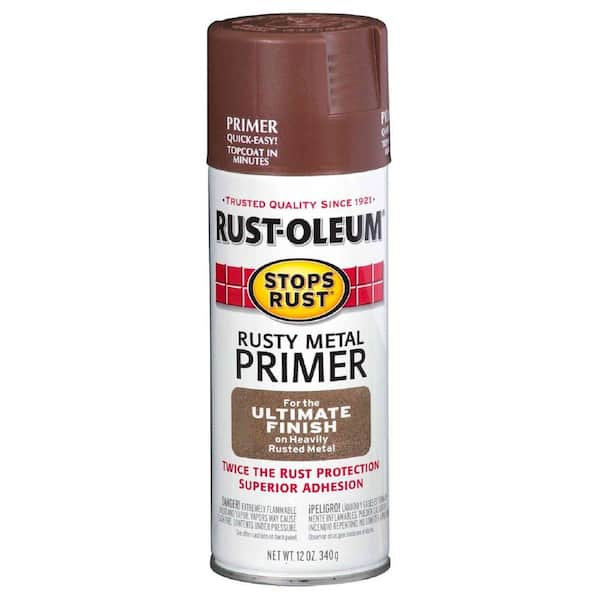
- Primer application: Spray rust-inhibiting primer (Rust-Oleum Stops Rust) in thin, even coats. Hold can 10 inches away—thick coats crack on cast iron’s texture.
- Final seal: Apply automotive paste wax with microfiber pad. Reapply every 6 months for outdoor chairs. Never skip: Paint alone fails on cast iron—wax creates the moisture barrier paint can’t.
Prevent Costly Mistakes Before They Happen

Why Your Paint Keeps Peeling (And How to Fix It)
Peeling always traces to incomplete rust removal. Run your palm over “clean” metal—if it feels gritty, rust remains under paint. Solution: Wipe surface with mineral spirits on white rag. If rag shows orange, re-treat rust. For stubborn spots, use Naval Jelly gel (thicker than liquid) that clings to vertical surfaces. Always apply primer within 1 hour of cleaning—delayed priming allows flash rust.
The Storage Error That Causes Spring Rust Epidemics
Storing chairs on concrete in winter is the #1 cause of seasonal rust. Concrete wicks ground moisture through chair legs. Fix: Elevate chairs 2+ inches on wooden pallets—never plastic (traps condensation). Cover with breathable cotton canvas, not vinyl. Pro Tip: Place silica gel packs inside chair seats to absorb humidity.
Know When to Call Reinforcements
Cost-Saving DIY vs. Professional Breakpoints
DIY costs $65 max for supplies to clean 4 chairs. Professional sandblasting runs $120/chair but reaches impossible crevices. Call experts ONLY if: You see rust holes larger than a dime (structural risk), chairs wobble when sat on (joint failure), or you suspect lead paint (pre-1978 pieces). Never attempt welding repairs yourself—cast iron cracks under improper heat.
Eco-Safe Cleaning Without Sacrificing Power
Vinegar-Baking Soda Combo for Non-Toxic Rust Removal
Soak rust spots in vinegar 45 minutes, then sprinkle baking soda paste (3:1 baking soda:vinegar ratio). The fizzing action lifts rust without chemicals. Critical: Rinse immediately with plain water—baking soda left on metal causes white corrosion. For grease, use citrus degreaser (Simple Green) but NEVER on bare metal—strips natural patina that prevents rust.
Responsible Disposal of Rust Waste
Collect all rust sludge in plastic tub—NEVER wash down drains (clogs pipes and contaminates water). Neutralize with baking soda, then dispose as hazardous waste. Paint chips must go to toxic waste facility—burning releases carcinogens. Eco-win: Take clean metal scraps to recycling center; cast iron melts down for new products.
Reviving cast iron chairs isn’t about perfection—it’s stopping rust’s relentless advance. Tackle surface rust monthly with vinegar and baking soda, and you’ll avoid major restoration. Remember: that first orange speck is your 30-day warning before structural damage sets in. Keep mineral oil and a brass brush in your patio shed for 5-minute touch-ups after rain. With these precise methods, your great-grandmother’s garden set could outlive us all—if you act before next season’s rust epidemic hits.


