
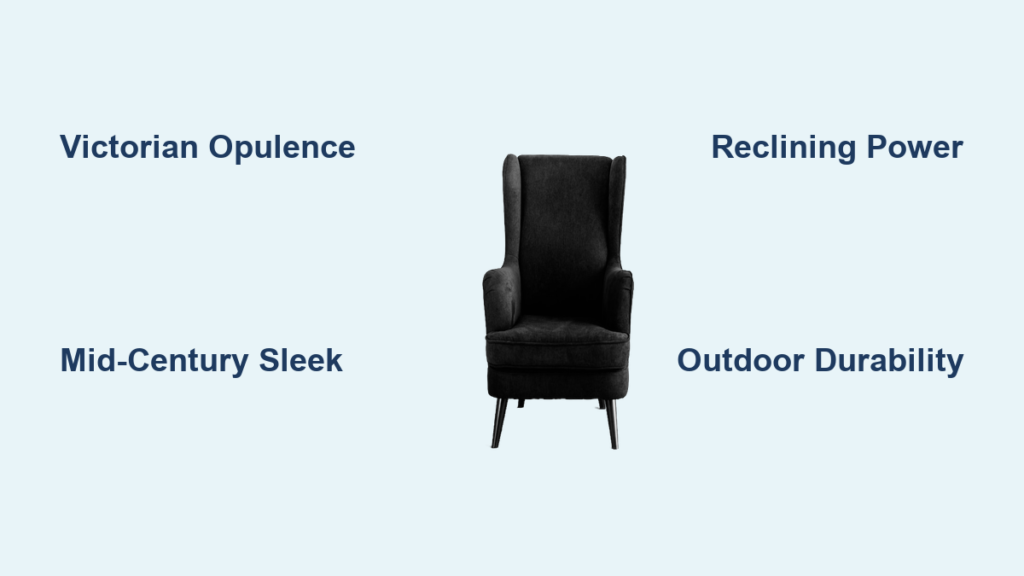
Picture sinking into a chair that cradles you like a warm embrace while blocking chilly drafts from the fireplace. That’s the timeless magic of wingback chairs—their signature “wings” aren’t just decorative flourishes; they’ve served a practical purpose for over 300 years. Originally designed to trap heat from roaring hearths in drafty English manors, these chairs evolved from functional necessities into design icons. Today’s market offers everything from compact reading nooks to power-reclining theater seats, proving wingbacks adapt to modern lifestyles without losing their soul.
Whether you’re furnishing a stately library or a minimalist apartment, understanding the distinct types of wingback chairs ensures you’ll find one that marries form and function. This guide cuts through the noise to break down every major style, construction detail, and functional variation—so you can skip the guesswork and choose with confidence.
Victorian Wingbacks: Opulence Meets Drama
Why Bat Wings Dominate Formal Spaces
Victorian wingbacks (1837–1901) scream luxury with their deep tufting, intricate carvings, and dramatic bat-wing silhouettes that flare outward like Gothic cathedral arches. These chairs feature plush jewel-tone velvets in emerald or sapphire, often accented with fringe and brass nailheads. The wings extend past the armrests to create a cocooning effect, perfect for intimate conversations in dimly lit parlors. When selecting one, ensure the frame uses solid kiln-dried oak—cheaper alternatives with particleboard cores warp within 5 years under heavy upholstery.
Avoiding Common Pitfalls in Period Homes
Many buyers mistakenly pair Victorian wingbacks with modern decor, creating visual chaos. Instead, anchor them in formal settings: position near floor-to-ceiling bookshelves with a brass reading lamp and Persian rug. Crucially, verify seat depth—older reproductions often skimp with shallow 20-inch seats that cause discomfort during extended sitting. Aim for 26–28 inches to support proper posture while reading.
Mid-Century Modern Wingbacks: Sleek Minimalism
How Scandinavian Designs Maximize Small Spaces
Scandinavian wingbacks redefine the classic silhouette with minimalist straight wings, light oak legs, and neutral bouclé fabrics. Unlike bulky traditional versions, these chairs occupy just 28–30 inches of width—ideal for studio apartments. The secret? Ergonomic lumbar curves built into low-profile backs that maintain comfort without overwhelming your layout. Look for models with removable cushion covers; linen blends resist fading better than pure wool when placed near north-facing windows.
Spotting Authentic vs. Knockoff Construction
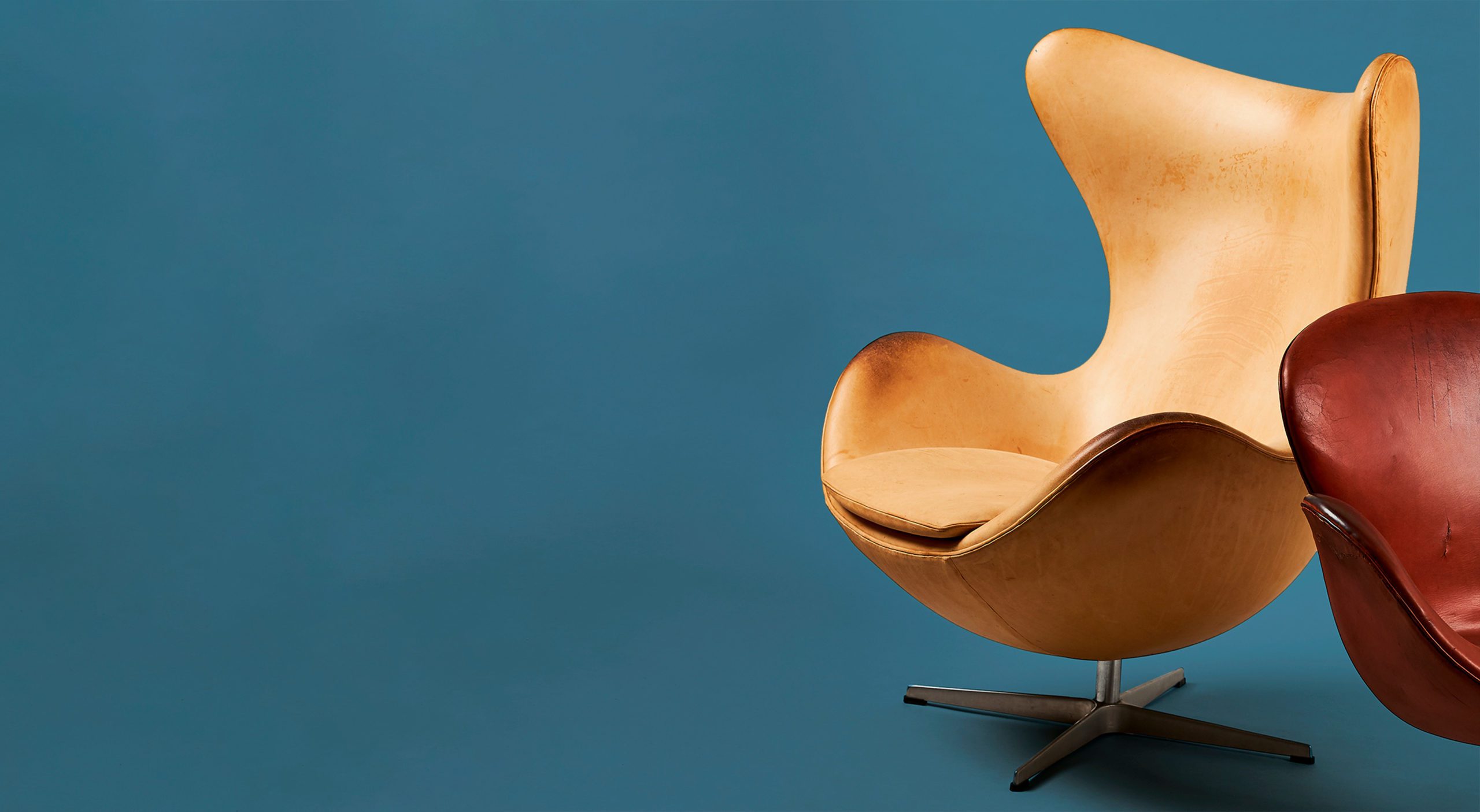
Budget versions often use plywood frames wrapped in thin foam that sags within 2 years. True Mid-Century pieces (like Arne Jacobsen’s 1958 Egg Chair) feature bent plywood shells with 8-way hand-tied coil suspension. Test reclining models by checking if the mechanism hides cleanly under high legs—visible metal bases ruin the aesthetic. Pro tip: Gently lift the chair; authentic versions weigh 50+ lbs due to solid wood frames.
Functional Wingbacks: Beyond Aesthetics
Power Recliners That Hide Mechanics in Plain Sight
High-leg reclining wingbacks conceal motors and footrests within traditional frames using clever engineering. Unlike boxy modern recliners, these maintain Queen Anne curves while offering 165° recline. When shopping, prioritize models with lithium battery backups—they ensure operation during power outages. Critical mistake to avoid: Skipping the 30-day trial period. Sit in the fully reclined position to confirm the wings don’t obstruct your field of vision when watching TV.
Outdoor Variants That Survive Rain and Sun
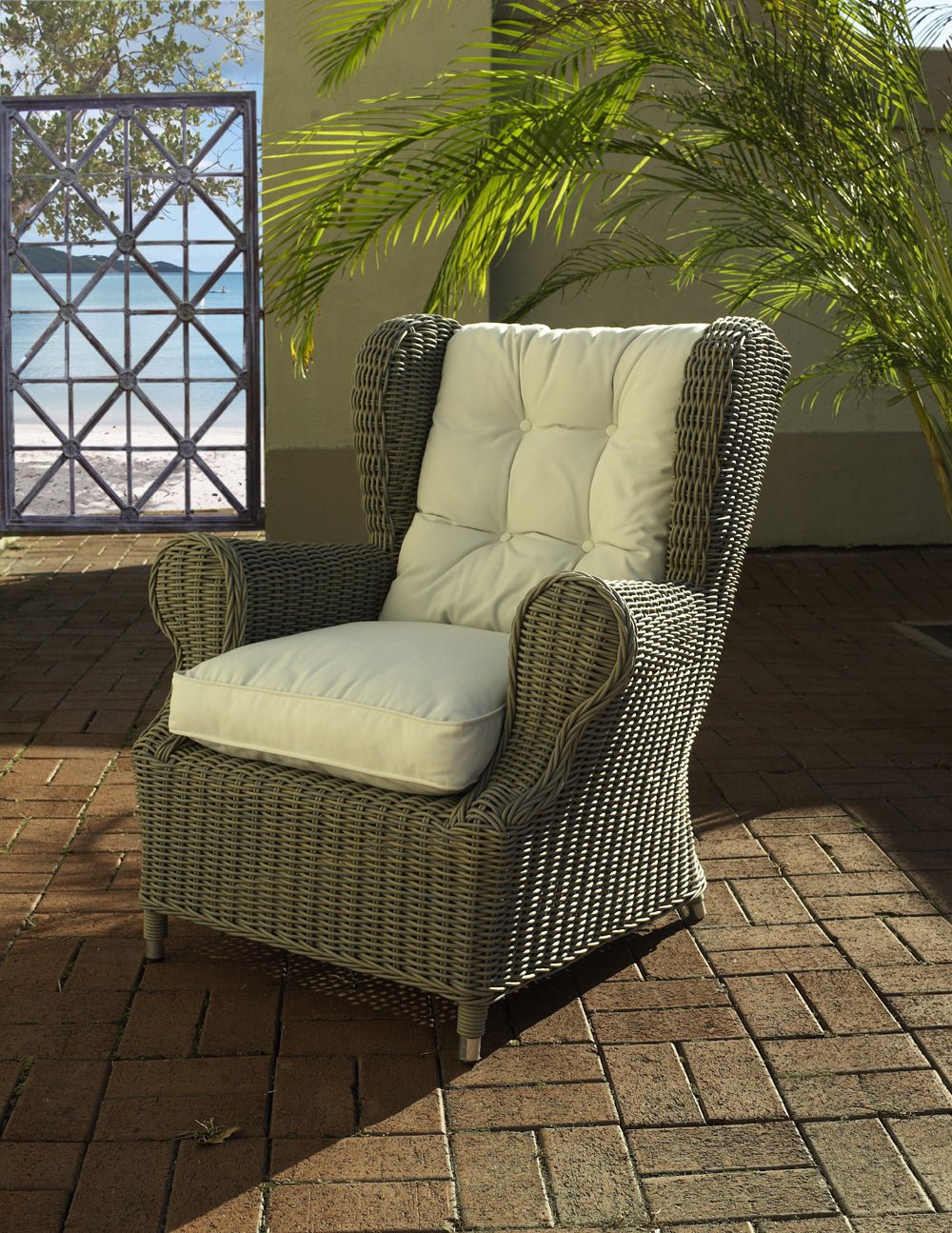
Monterey-style outdoor wingbacks use UV-resistant aluminum frames wrapped in all-weather resin wicker, not cheap plastic. The real test is the cushion core: demand solution-dyed acrylic fabric with drain-through mesh backing (standard polyester mildews within 6 months). During heavy rain, flip cushions upright—they’ll dry in 2 hours versus overnight for solid foam cores. Never leave these chairs uncovered; trapped moisture warps frames faster than direct sun exposure.
Wing Geometry Decoded: Shape Dictates Style
Butterfly Wings for Feminine Elegance
Butterfly-wing chairs feature two concave curves meeting at a central point, creating a delicate silhouette favored in Regency and Hollywood Regency eras. These work best in bedrooms or sunrooms where softness is key—pair with blush velvet upholstery and a cashmere throw. Avoid placing them in high-traffic areas; the narrow waist between curves makes the wings prone to snagging on bags or clothing.
S-Curve Wings: The Georgian Secret Weapon
S-curve wings flow seamlessly into armrests through a continuous serpentine line, a hallmark of 18th-century Georgian design. This style commands attention in formal living rooms but requires precise placement: position 12 inches from walls to showcase the sculptural back. When restoring antiques, never steam-clean horsehair upholstery—it shrinks irreversibly. Instead, use a vacuum with a soft brush attachment weekly to preserve fibers.
Room-Specific Selection Rules
Living Room Pairing That Won’t Overwhelm

For open-plan spaces, choose one statement wingback (like a Candace Leather Swivel) opposite your sofa—not matching pairs. This prevents visual competition while maintaining flow. In rooms under 200 square feet, skip oversized Victorian styles (requiring 40-inch width) and opt for narrow Scandinavian models. Pro tip: Add a 22-inch deep ottoman with storage; it tucks neatly under the chair when unused but provides foot support during movie nights.
Nursery Non-Negotiables for Rocking Wingbacks
Child-safe rocking wingbacks need three features: rubberized safety locks to prevent tipping, rounded edges (no sharp corners within 36 inches of floor level), and non-toxic foam cores. Pastel velvets stain easily—choose performance fabrics like Crypton for easy wipe-downs. Crucially, verify seat height: 18–20 inches allows comfortable nursing without straining your back. Never place these near windows; curtain cords pose strangulation hazards.
Longevity Hacks Every Owner Must Know
Upholstery Care by Material Type
Leather wingbacks need professional cleaning every 18 months to prevent cracking, but daily maintenance is simple: wipe spills immediately with a microfiber cloth dampened in distilled water. For velvet (especially Victorian styles), vacuum weekly with an upholstery attachment held 2 inches above the fabric—direct contact pulls threads. Performance fabrics like Sunbrella resist stains but fade in direct sun; rotate chairs quarterly to ensure even exposure.
When to Repair vs. Replace Mechanisms
Swivel bases and recliners fail predictably: if your chair wobbles during rotation, inspect the plinth’s mounting bolts before calling a technician. Tighten them with a hex key—90% of “broken” swivels just need this $0 fix. But if power recliners jerk or stop mid-motion, replace the motor within 6 months. Delaying causes strain on cables that cost 3x more to repair later.
Your Wingback Buying Checklist
Before purchasing, measure these three elements:
1. Room clearance: Allow 6 inches behind wings for airflow (prevents fabric mildew)
2. Seat pitch: For TV viewing, choose 19–21 inch seat heights—taller than 22 inches strains legs during reclining
3. Wing height: Wings should sit 4–6 inches above your shoulders when seated to effectively block drafts
Prioritize frame materials over fabrics: solid beech or oak bases last 20+ years versus 7 years for rubberwood. At $1,500–$8,000 price points, invest in 8-way hand-tied suspension—it outlasts sinuous springs by a decade. Finally, ignore “vintage” labels on reproductions; true antiques show hand-carved wood grain variations, not laser-perfect symmetry.
The right wingback chair transforms a room from ordinary to unforgettable—not by shouting for attention, but by wrapping you in centuries of thoughtful design. Whether you choose a Victorian showstopper for your library or a sleek Scandinavian model for your studio, remember: wings aren’t just wings. They’re your personal shield against drafts, distractions, and design regrets. Test every model for 10 minutes before buying; your back (and your home’s style) will thank you for decades.


