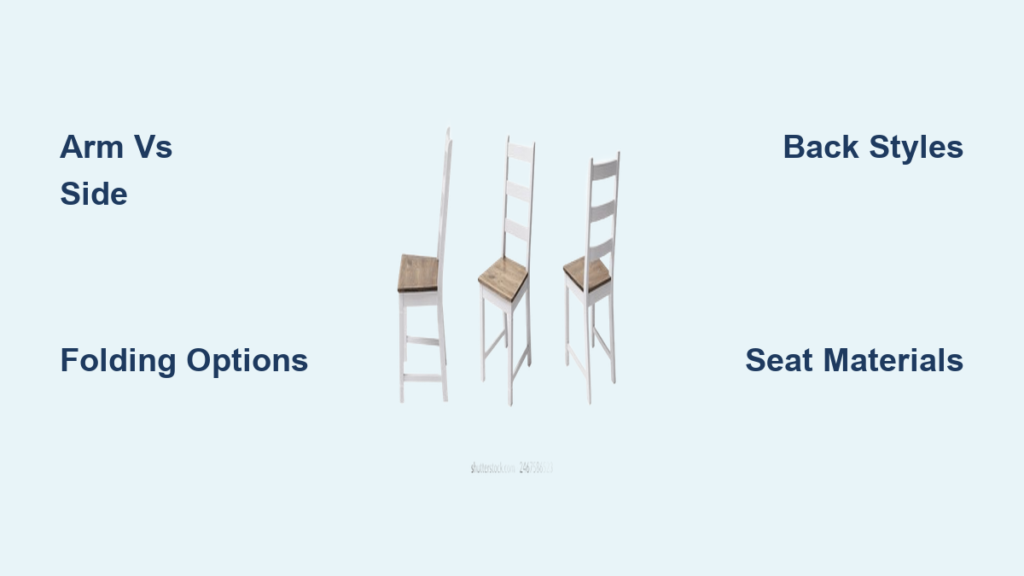
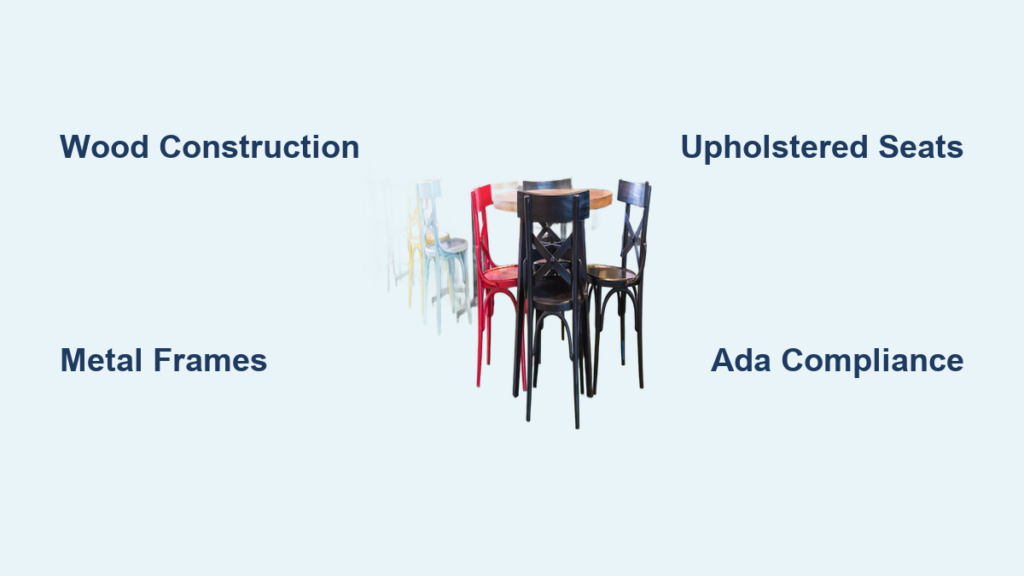
Walk into any thriving restaurant, and you’ll instantly feel the invisible force shaping your experience: the chairs. These silent revenue drivers determine whether guests linger over a second bottle of wine or bolt after coffee, whether your space feels cramped or inviting, and whether your furniture budget vanishes in three years or stretches a decade. Choosing the right types of restaurant chairs transforms good food into unforgettable experiences while directly impacting your bottom line. Most operators underestimate how chair selection affects guest duration, spending habits, and operational costs—until they’re replacing wobbly seats weekly while competitors enjoy steady profits.
Every dining concept faces this make-or-break decision, yet few realize the strategic depth involved. From patio chairs that survive monsoons to hand-stitched leather thrones that signal luxury, your seating choices silently communicate your brand’s story before the first bite. Understanding the types of restaurant chairs available isn’t about aesthetics alone—it’s a profit-focused investment requiring precise alignment with your traffic patterns, maintenance capacity, and long-term vision. This guide cuts through the noise to show exactly which chairs maximize revenue in your specific environment.
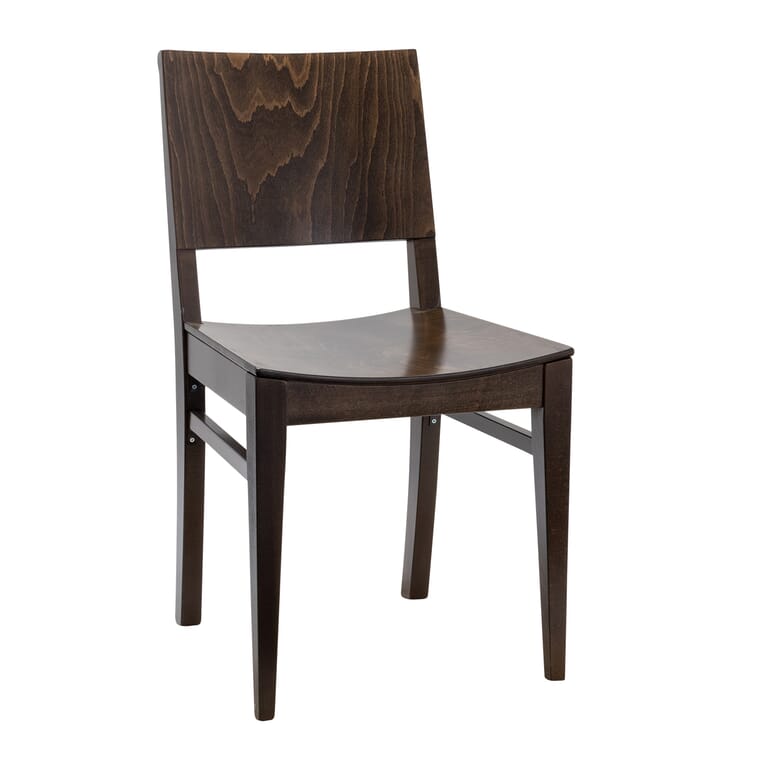
Wood Restaurant Chairs: Timeless Appeal Meets Commercial Durability
Choosing Hardwood Construction That Survives Daily Assaults
Commercial hardwood chairs built from beech, oak, or maple withstand the relentless abuse that destroys cheaper alternatives. Mortise and tenon joinery—where wood pieces interlock like puzzle pieces—creates joints stronger than the wood itself, preventing the wobbling that plagues dowel-constructed chairs. Dense grain patterns resist denting from dropped silverware, while natural expansion/contraction accommodates humidity swings without cracking.
Critical hardwood advantages for high-traffic venues:
– Refinishing potential extends lifespan beyond 15 years with proper care
– Weight provides stability without becoming immovable during reconfigurations
– Natural texture hides minor scratches better than laminates
Staining Options That Reinforce Your Brand Story
Your chair finish immediately signals your restaurant’s personality. Weathered gray whispers rustic authenticity for farm-to-table concepts, while high-gloss espresso projects polished sophistication for steakhouses. Avoid mismatched finishes that confuse your narrative—coastal cafés gain from driftwood-gray marine-sealed chairs, while modern bistros thrive with matte-black oak.
Spot these common mistakes:
– Using residential-grade stains that peel under commercial cleaning
– Selecting overly dark finishes that highlight every crumb
– Skipping UV-protective sealants for patio wood chairs
Maintenance Rituals That Protect Your Investment
Wood chairs demand proactive care but reward you with decades of service. Conduct monthly joint inspections using a quarter-turn wrench—loose connections become structural failures within weeks. Clean with pH-neutral cleaners only; vinegar solutions strip finishes. Never saturate wood—damp microfiber cloths remove spills without warping.
Metal Restaurant Chairs: Unbreakable Style for High-Traffic Zones

Powder-Coated Frames That Defy Scratches and Fading
Heavy-gauge steel frames with fully welded joints withstand the constant scraping that destroys bolt-together chairs. The powder-coating process fuses color to metal at 400°F, creating finishes that resist chipping even under bleach-based sanitizing. For patios, choose marine-grade aluminum—it weighs 40% less than steel but maintains identical strength.
Frame material breakdown:
– Steel: Best for indoor high-volume venues (weight capacity 350+ lbs)
– Aluminum: Ideal for patios (rust-proof, moves 3x faster during storms)
– Mixed materials: Metal bases with wood seats balance durability and warmth
Fire Safety Benefits That Reduce Insurance Costs
Metal chairs provide inherent fire resistance critical for venues with open kitchens or outdoor fire pits. Unlike wood, they won’t ignite from stray sparks and maintain structural integrity during evacuations. This compliance often lowers insurance premiums by 5-15%—a hidden financial perk many operators miss.
Cleaning Protocols That Maintain Professional Appearance
Wipe metal frames weekly with soapy water to prevent grime buildup in weld points. Address chips immediately with touch-up pens matching your powder-coat code—unrepaired scratches become rust seeds within days. Never use abrasive pads; they remove the protective layer and void warranties.
Upholstered Restaurant Chairs: Comfort That Extends Guest Stays
Vinyl vs. Fabric vs. Leather: The Profitability Trade-Offs
Commercial vinyl upholstery keeps guests seated longer while minimizing maintenance headaches. Unlike fabric, it withstands wine spills and grease splatters with simple wipe-downs—critical for family restaurants where 78% of stains occur during peak hours. Leather signals luxury but requires bi-monthly conditioning; one neglected spill creates permanent damage that costs $120+ to repair.
Profit-impact comparison:
– Vinyl: Increases guest duration by 18% in casual venues (easy-clean confidence)
– Fabric: Justified only in fine dining where checks exceed $100/head
– Leather: Requires dedicated staff training to prevent $200+ per chair damage
Foam Density That Prevents “Sagging Seat” Syndrome
High-density foam (2.0+ lbs/cubic foot) maintains its shape after 10,000+ sits—unlike cheap alternatives that permanently compress within months. Test chairs by pressing your fist into the seat; quality foam rebounds within 3 seconds. This investment pays off through consistent comfort that encourages repeat visits.
Stain Response Tactics That Save Replacement Costs
Train servers to attack spills within 90 seconds using color-coded protocols: white cloths for wine (acidic), blue for grease (oil-based), red for coffee (tannin). Keep stain-specific kits under every station—delayed responses turn minor spills into permanent damage requiring full reupholstery.
Side Chairs vs. Arm Chairs: The Space Efficiency Equation
Maximizing Seats Per Square Foot Without Sacrificing Comfort
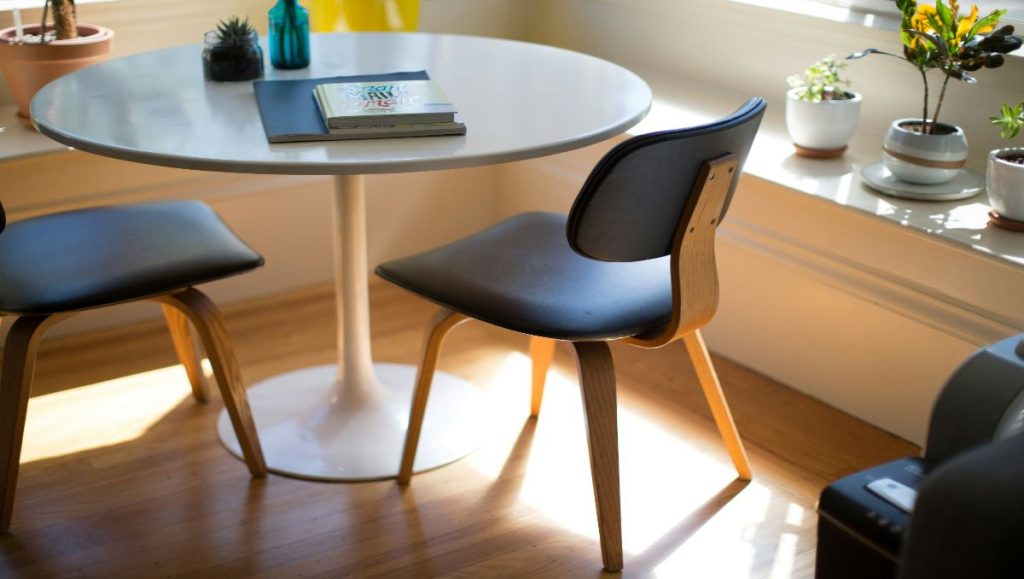
Side chairs without arms slide completely under tables, creating 15-20% more seating capacity than arm chairs. In a 100-seat venue, that’s 15-20 additional covers per service—translating to $180,000+ annual revenue at $40 average checks. Ensure 24-inch spacing per guest minimum to avoid the “cramped” feeling that drives guests away.
Space calculation shortcut:
– Measure your dining room’s square footage
– Multiply by 0.6 (optimal seating area percentage)
– Divide by 5.76 (24″ x 24″ per guest in sq. ft.)
– Result = maximum side chair capacity
When Arm Chairs Boost Check Averages Enough to Justify Space
Arm chairs increase average check sizes by 22% in wine bars and lounges by encouraging longer stays. The psychological comfort of armrests signals premium service, justifying 15-20% higher pricing. Only deploy them where linger time directly drives revenue—never in high-turnover fast-casual concepts.
Stackable Designs That Slash Labor During Reconfigurations
Chairs engineered for vertical stacking reduce storage footprint by 75%. Look for dolly compatibility—models with integrated grooves let one staff member move 12+ chairs in 90 seconds. This agility pays off during sudden weather changes or private events where reconfiguration time directly impacts service speed.
Budget Planning: Matching Chair Investment to Your Revenue Model

Entry-Level Chairs ($30-50): The Hidden Replacement Trap
Basic metal chairs at this price point seem economical until you factor in replacement costs. With 2-3 year lifespans under daily use, you’ll spend 40% more over five years than mid-range options. Only consider these for pop-up concepts or ultra-high-turnover venues where chairs get replaced seasonally.
Mid-Range Chairs ($75-100): The Profitability Sweet Spot
Banquet-style chairs in this range deliver 4-6 year lifespans with proper maintenance. The $25-50 premium per chair pays for itself through reduced labor (fewer replacements) and consistent guest experiences. Look for BIFMA-certified models—they withstand 350+ lbs and 100,000 stress cycles.
Premium Chairs ($150-300+): When Comfort Becomes a Revenue Driver
Hand-stitched leather or custom-upholstered chairs become signature elements that guests photograph and share. In fine dining, these chairs directly support $150+ average checks by signaling exclusivity. Calculate ROI by tracking how often guests mention seating comfort in reviews—each positive mention drives 5-7 new covers monthly.
ADA Compliance: Beyond Legal Requirements to Enhanced Profitability
Accessible Seating That Attracts Your Most Profitable Demographic
True ADA compliance creates better experiences for all guests. Thirty-six-inch aisles prevent server collisions during rushes, while 5-foot turning radii accommodate strollers—key for attracting families who spend 38% more per visit. Install chairs with sturdy armrests; they assist seniors and pregnant guests without signaling “disabled seating.”
Profit-boosting accessibility features:
– 19-inch clearance under tables for wheelchair footrests
– Non-slip chair bases that prevent accidental movement
– 28-34 inch seat heights compatible with transfer assistance
Family-Friendly Designs That Drive Repeat Business
Chairs with built-in high-chair compatibility eliminate wobbly add-ons that cause 23% of dining accidents. Ensure 30-inch spacing between tables for stroller access—parents will choose your venue over competitors 3-to-1 when they see this detail. This small investment yields 65% repeat visits from family diners.
Choosing the right types of restaurant chairs is never about aesthetics alone—it’s a strategic profit decision affecting every cover you serve. Whether you select weather-defying aluminum for patios, hardwood frames that age gracefully, or vinyl-upholstered seats that extend guest stays, each choice ripples through your revenue stream. Remember: chairs that wobble during service become silent brand detractors, while thoughtfully selected seating transforms satisfied guests into vocal advocates. Match your chair selection precisely to your concept’s traffic patterns, maintenance capacity, and guest demographics, and you’ll create dining environments where comfort drives check averages and durability protects your bottom line. Your next seating investment should last 5,000+ meals—not just 50.