Your kitchen chairs do more than offer a place to sit—they shape how your space feels every single day. Whether you’re squeezing in quick breakfasts or hosting holiday dinners, the right seating transforms both comfort and style. This guide breaks down every option so you can choose chairs that match your lifestyle, space, and budget. Discover which types of kitchen chairs solve your specific challenges, from cramped breakfast nooks to formal dining needs.
Arm Chairs vs Side Chairs
Arm chairs bring gravitas to your kitchen table with integrated armrests that naturally claim the head and foot positions. These seats create a formal hierarchy perfect for holiday meals, featuring traditional styles like Queen Anne or Windsor where arms flow seamlessly into the back design. You’ll notice immediate comfort during long dinners thanks to the elbow support, though they require extra clearance space.
Side chairs skip armrests entirely, saving 4-6 inches of width per seat. This compact profile lets you squeeze in two extra guests when needed—crucial for smaller kitchens or growing families. Their clean silhouette also suits casual, everyday dining where formality takes a backseat to function. Look for subtle curves in the backrest that support your spine without demanding extra room.
Most homeowners mix both styles strategically: two statement arm chairs anchor the table ends while six to eight armless side chairs maximize seating without crowding the space. Pro tip: Place arm chairs only at primary positions (head/foot) to maintain flow in high-traffic kitchens.
Parsons, Folding & Banquette Options

Parsons chairs deliver hotel-level comfort through fully upholstered, straight-back designs born from 1930s design school innovation. The armless profile slips easily under tables, while the 16-18 inch seat depth provides proper thigh support for lingering conversations. Choose neutral performance fabrics for family-friendly durability or velvet for instant elegance.
Folding chairs solve guest overflow problems with heirloom-grade craftsmanship from modern Amish makers. Unlike wobbly rental versions, these feature solid hardwood frames and decorative spindles that withstand decades of use. Store them vertically in closets or pantries, then deploy instantly when your dinner party grows unexpectedly—no assembly required.
Banquette seating maximizes tiny breakfast nooks by building benches directly into walls. Add removable cushions with hidden zippers for easy cleaning and throw pillows for café-style comfort. Critical detail: Build in 14-16 inch deep storage cubbies beneath banquette seats to stash serving pieces or linens.
Back Design Styles Decoded
Windsor & Bow Back Classics
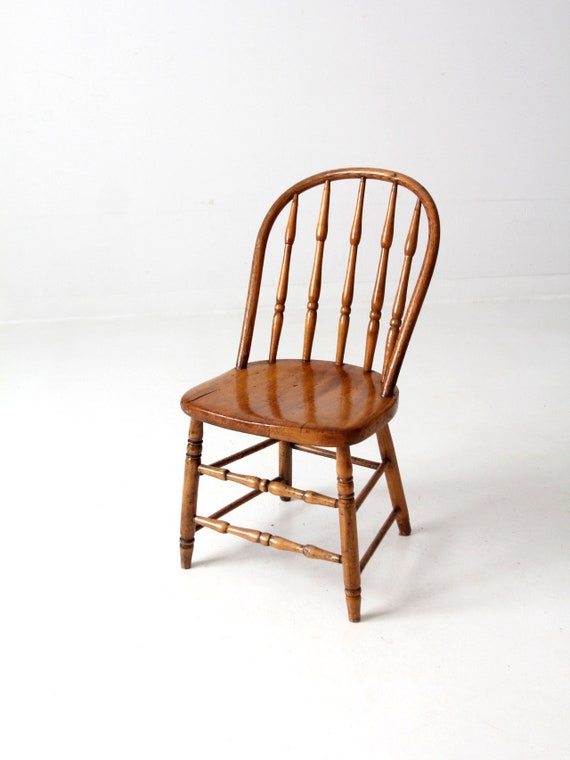
Windsor backs feature iconic spindle-and-hoop construction with sculpted seats—a design perfected over 300 years ago. Bow back variants extend this with a continuous steam-bent wooden arc forming both back and arms, delivering exceptional lumbar support for farmhouse kitchens. Spot authentic versions by their splayed turned legs that prevent wobbling on uneven floors.
Cross-Back & Ladder Back
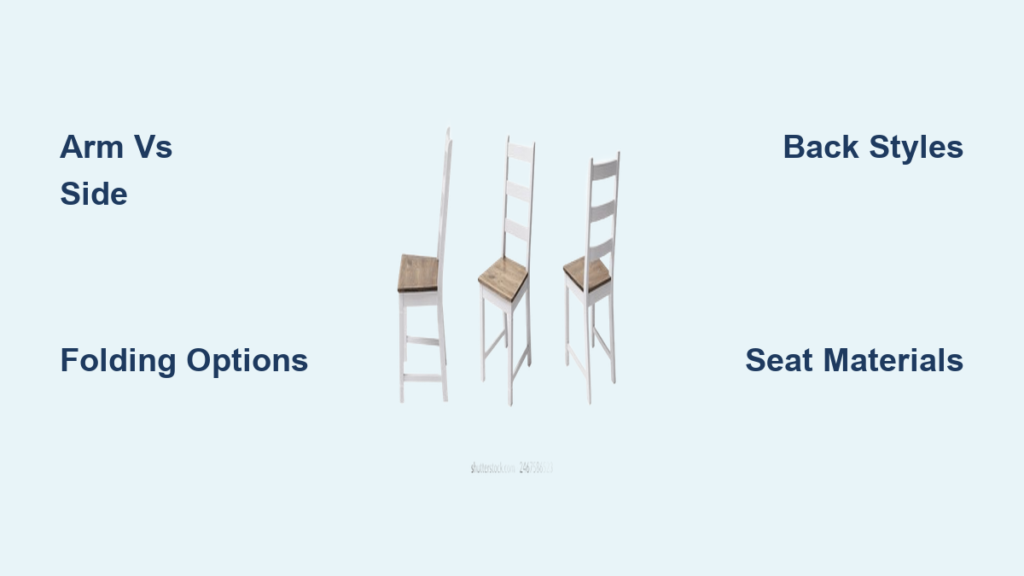
French Country kitchens favor cross-back chairs where diagonal slats intersect in a graceful X pattern. The ladder back offers 3-5 horizontal slats providing ventilation and visual lightness—perfect for warm climates or casual spaces. Look for visible tenon joints where slats meet the frame, indicating quality craftsmanship in both styles.
Upholstered Statement Backs
Wingback chairs bring 15th-century English luxury to modern kitchens with tall upholstered “wings” that originally trapped heat around diners. Tub chairs curve continuously to create a mid-century bucket seat that hugs you during long conversations. For small kitchens, choose low-profile wingbacks under 36 inches tall to avoid overwhelming the space.
Seat Materials Compared
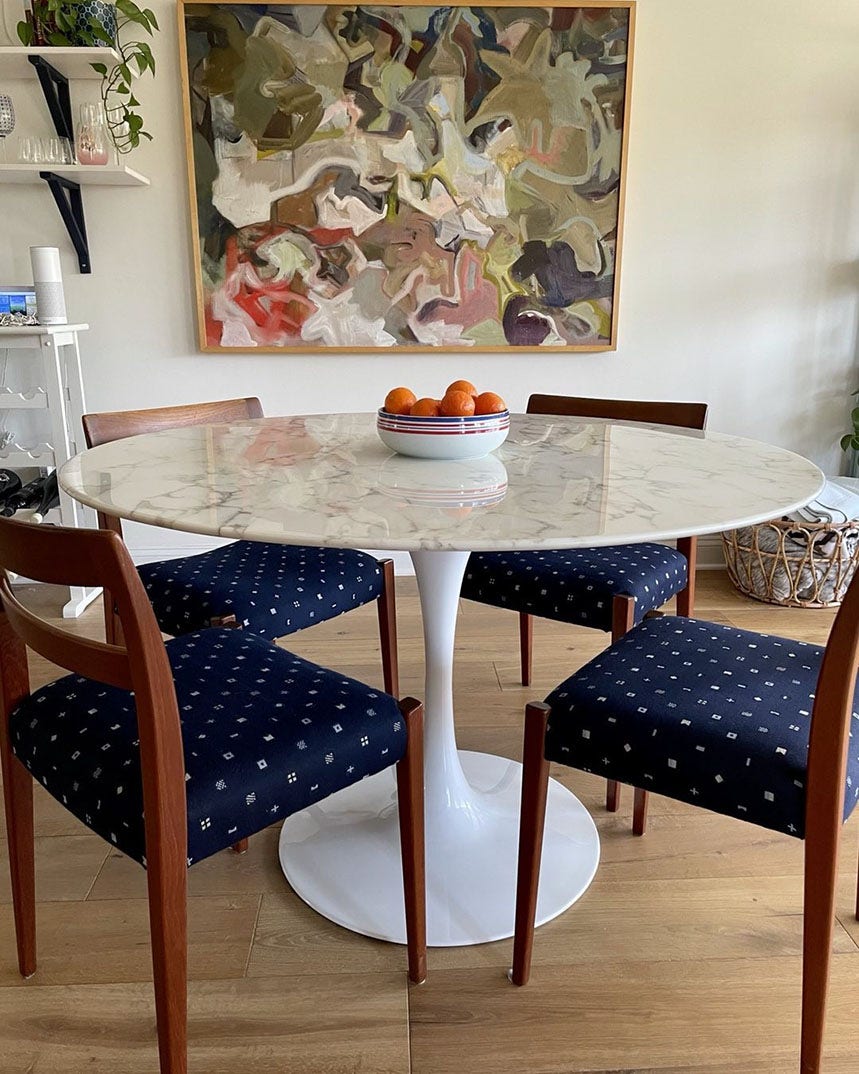
Solid wood seats age gracefully, developing rich patinas over decades. Choose contoured saddle seats for ergonomic comfort that supports your pelvis during meals, or flat profiles for minimalist appeal. Spills wipe clean instantly with a damp cloth—crucial for families with young children. Warning: Avoid leaving wet glasses directly on unfinished wood to prevent rings.
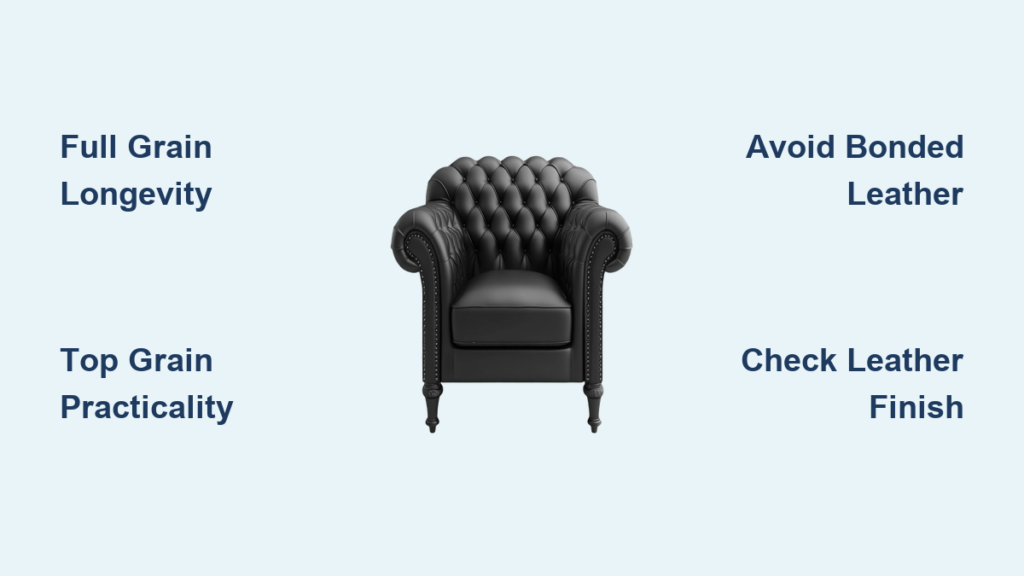
Upholstered seats add 2-3 inches of foam padding wrapped in your choice of fabric or leather. Performance fabrics like Crypton resist red wine and tomato sauce stains without looking synthetic, while leather develops character marks that tell your family’s story. Check for removable seat cushions with hidden zippers for effortless cleaning.
Natural fiber seats like hand-woven rush or cane bring texture and breathability. Rush seats last 20-30 years with proper care but avoid steam cleaning, which shrinks the fibers. Cane offers colonial charm that keeps you cool during summer meals but requires occasional tightening of woven strands.
Traditional Style Breakdown
Queen Anne & King Louis
Queen Anne chairs showcase cabriole legs ending in pad feet, with fiddleback splats carved from dark cherry. These command respect at formal dinner parties but require 24 inches of clearance behind them for comfortable push-backs. King Louis XVI designs feature neoclassical oval backs with fluted legs—perfect for French-inspired kitchens with gilt accents. Pair them with linen-upholstered seats to soften their formality.
Windsor Heritage
Authentic Windsor chairs combine spindle backs with saddle seats and splayed legs for rock-solid stability. Maple and pine construction keeps them lightweight enough to move easily, while the timeless design bridges traditional and transitional décor. Expert note: Genuine Windsors have steam-bent back spindles—not glued pieces—which flex slightly for comfort.
Modern & Industrial Looks
Mid-century chairs feature tapered legs angled at 15 degrees, crafted from teak or walnut. Low-profile backs maintain sightlines in open-concept kitchens while delivering iconic style. For compact spaces, choose versions with open bases that create visual “breathing room” beneath the seat.
Industrial designs incorporate steel turnbuckles and pipe frames paired with reclaimed wood seats. These anchor loft-style kitchens and pair naturally with Edison bulb lighting. Time-saving shortcut: Match pipe frame finishes (matte black or brushed nickel) to your faucet hardware for cohesion.
Minimalist options strip away ornamentation for monochromatic finishes and sharp angles. The negative space emphasis creates breathing room in compact kitchens—opt for pale oak or white lacquer to amplify light. Avoid over-cluttering; one or two minimalist chairs make stronger statements than full sets.
Space Planning Essentials
Clearance Rules
Maintain 24 inches between chair backs and walls so guests can push back comfortably. Leave 6-10 inches between chair seats and table aprons for proper legroom—measure from the seat’s front edge to the table’s underside. Critical mistake: Ignoring this gap causes constant knee bumps during meals.
Height Matching
Standard 18-20 inch seat heights work with most tables (28-30 inch tall). Counter stools need 24-26 inches for 36-inch counters, while bar stools require 28-32 inches for 42-inch bars. Test heights by sitting at your table: your elbows should rest naturally on the surface with forearms parallel to the floor.
Table Pairing Formulas
- Rectangular tables: 2 arm chairs + 4-6 side chairs create balanced formality without crowding
- Round tables: All side chairs or 4 upholstered Parsons for softness (avoid arms that block conversation)
- Extension tables: Choose stackable spares that store vertically in 12-inch depth closets
Customization & Budget Guide
Hardwood selection ranges from budget-friendly oak to luxury walnut. North American species offer superior stability in humid kitchens, with custom stain matching available to coordinate with existing cabinetry. Pro tip: Request hand-rubbed oil finishes over lacquer for easier future touch-ups.
Upholstery options span 200+ fabric choices plus customer-provided materials. Performance fabrics add $50-150 per chair but resist stains for worry-free dining—ideal for households with toddlers or pets. For heirloom pieces, consider leather that develops character with use.
Lead times vary dramatically: Amish handcrafted pieces demand 8-14 weeks but offer lifetime frame warranties, while mass-produced chairs arrive in 2-4 weeks with 1-5 year upholstery coverage. Value insight: Solid wood side chairs start at $180, upholstered armchairs reach $350-$1,200, while custom heirloom pieces command $1,500+.
Choose chairs that serve your daily life first, then layer in style. Whether you need space-maximizing side chairs or statement-making arm chairs, the perfect kitchen seating balances function, comfort, and your unique aesthetic. Start with your space constraints and usage patterns—the style decisions become clear once practicality leads the way. Test-sit your top choices with actual kitchen lighting to avoid color mismatches, and remember: the best types of kitchen chairs disappear into your routine while elevating every meal.