
Choosing the right types of dining chairs transforms your eating space from functional to fabulous. Whether you’re furnishing a formal dining room or creating a cozy breakfast nook, understanding the various types of dining chairs available helps you make confident decisions that balance style, comfort, and practicality.
This comprehensive guide breaks down every major category of dining chair, from classic Windsor backs to sleek modern designs. You’ll discover which styles work best for different spaces, how materials affect durability and maintenance, and what features to prioritize based on your specific needs. Stop guessing which types of dining chairs suit your lifestyle and start creating a dining area that truly reflects your personal style.
Traditional Dining Chair Styles That Stand the Test of Time
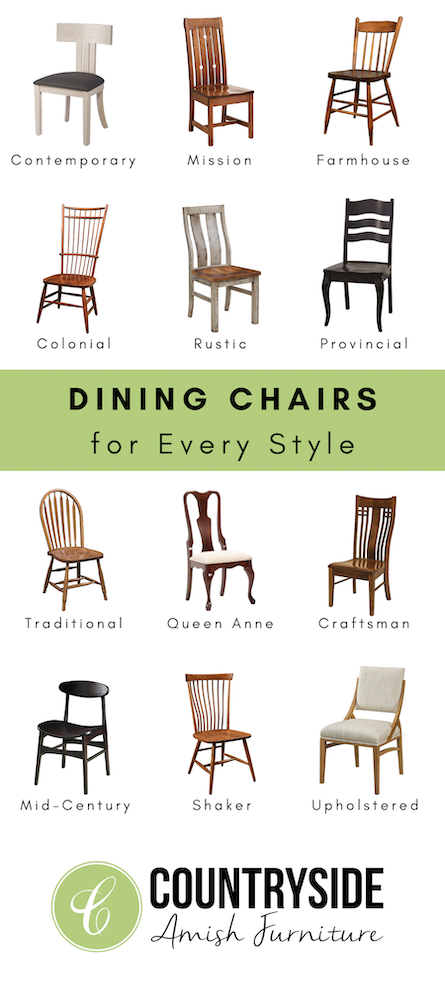
Traditional dining chairs bring timeless elegance to any space. These proven designs have graced dining rooms for centuries, offering both visual appeal and reliable functionality that continues to inspire modern interpretations.
Windsor Chairs: The Spindle-Back Classic That Never Goes Out of Style
Windsor chairs feature distinctive bow-shaped backs with slender spindles radiating from a solid seat. Originally crafted in 18th-century England, these chairs combine lightweight construction with surprising durability. The signature splayed legs and sculpted seats provide excellent support during long dinner conversations. You’ll recognize authentic Windsor chairs by their turned legs and the characteristic “saddle” seat shape that contours to the body.
Queen Anne Chairs: Elegant Cabriole Legs for Formal Dining Settings
Characterized by their iconic cabriole legs and vase-shaped splats, Queen Anne chairs embody refined sophistication. The curved back and upholstered seats prioritize comfort without sacrificing style. These chairs work exceptionally well in formal dining settings where elegance takes precedence. When selecting Queen Anne dining chairs, look for the signature pad foot at the bottom of the cabriole legs—a subtle detail that authenticates the style.
Chippendale Chairs: Ornate Details That Command Attention
Chippendale dining chairs showcase intricate fretwork and Asian-inspired motifs carved into the back splat. These substantial pieces often feature ball-and-claw feet and rich mahogany finishes. While visually heavy, they command attention in traditional dining rooms. The most distinctive Chippendale chairs feature the “Gothic” or “Chinese” variations in the splat design, creating conversation-worthy centerpieces for your dining area.
Parsons Chairs: The Streamlined Classic That Bridges Eras
Despite their traditional origins, Parsons chairs offer clean lines that bridge classic and contemporary styles. The fully upholstered back and seat provide maximum comfort, while the simple rectangular frame adapts to various décor schemes. These versatile chairs work equally well in formal and casual settings. Modern interpretations often feature tapered legs and updated fabric choices while maintaining the essential Parsons silhouette.
Modern and Contemporary Designs for Today’s Homes
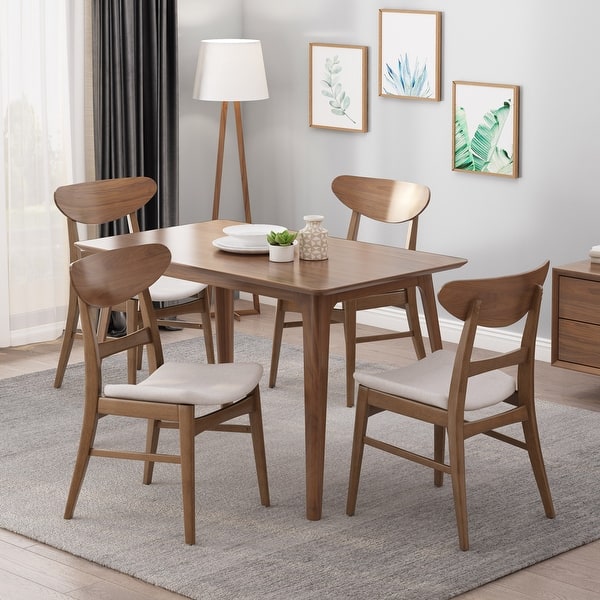
Modern dining chairs prioritize clean aesthetics and innovative materials. These pieces often push design boundaries while maintaining essential functionality that suits contemporary lifestyles.
Mid-Century Modern Dining Chairs: Iconic Splayed Legs and Timeless Appeal
Mid-century dining chairs feature the era’s signature elements: tapered legs, molded plywood seats, and geometric forms. The emphasis on natural wood grains and functional beauty creates pieces that feel both nostalgic and current. Eames-inspired designs remain particularly popular for their sculptural appeal. When selecting mid-century chairs, look for authentic reproductions that maintain the original proportions—many modern versions sacrifice comfort for style.
Scandinavian Minimalism: Light Wood Chairs That Create Airy Spaces
Scandinavian dining chairs emphasize simplicity, light-colored woods, and ergonomic curves. These pieces typically showcase the natural beauty of birch or beech through minimal finishing. The result creates an airy, uncluttered aesthetic perfect for contemporary spaces. Key features include clean lines, organic shapes, and thoughtful details that prioritize comfort without visual heaviness.
Industrial Style Dining Chairs: Raw Materials with Urban Character
Industrial dining chairs combine metal frames with reclaimed wood seats or leather upholstery. Exposed welds, rivets, and distressed finishes create an authentic warehouse aesthetic. These durable pieces withstand heavy use while adding urban character to dining spaces. For cohesive styling, pair industrial chairs with concrete or butcher block tables and exposed bulb lighting.
Mixed-Material Constructions: Contemporary Innovation That Stands Out
Modern designers increasingly combine materials like acrylic, metal, and wood in single pieces. These chairs might feature clear polycarbonate seats with chrome bases or walnut accents on steel frames. The contrast creates visual interest while maintaining functional integrity. Look for high-quality construction where materials complement rather than compete with each other.
Material-Based Classifications for Practical Decision Making
The materials used in dining chair construction directly impact durability, maintenance requirements, and aesthetic appeal. Choosing the right material ensures your chairs withstand daily use while complementing your home’s style.
Solid Wood Dining Chairs: Natural Beauty That Lasts Generations
Oak dining chairs offer exceptional durability and distinctive grain patterns that hide wear well. Walnut provides rich, dark tones that develop beautiful patina over time. Maple delivers a lighter, more contemporary appearance with superior hardness. Pine offers budget-friendly options with rustic charm, while mahogany creates formal elegance with deep red-brown hues. When selecting wood chairs, examine the joinery—dovetail or mortise-and-tenon construction indicates superior quality.
Metal Constructions: Industrial Strength with Modern Appeal
Steel-framed dining chairs provide unmatched durability and support significant weight loads. Aluminum offers lightweight portability with corrosion resistance ideal for humid climates. Iron creates substantial, vintage-inspired pieces that become focal points in industrial or farmhouse settings. For outdoor-friendly metal chairs, look for powder-coated finishes that resist chipping and rust.
Upholstered Options: Comfort and Style Flexibility That Elevates Your Space
Fabric-upholstered chairs allow endless color and pattern possibilities while providing cushioned comfort. Leather upholstery offers sophisticated appeal that improves with age, though it requires regular conditioning. Vinyl provides leather-like appearance at lower cost with superior stain resistance, making it ideal for households with children. When selecting upholstered chairs, consider removable, washable covers for practical maintenance.
Plastic and Polymer Designs: Affordable Versatility That Surprises
Modern polymer chairs offer surprising durability and weather resistance at accessible price points. These pieces often feature ergonomic curves and vibrant color options. High-quality versions resist fading and cracking, making them suitable for both indoor and outdoor use. Look for reinforced bases and thick-walled construction to ensure longevity.
Functional Categories That Match Your Lifestyle Needs

Beyond aesthetics, consider how your chairs will serve your specific needs. The right functional design makes daily use more enjoyable and practical.
Stackable Chairs: Space-Saving Solutions for Small Dining Areas
Stackable dining chairs provide storage flexibility for small spaces or occasional entertaining needs. These designs typically sacrifice some comfort for nesting capability, making them ideal for apartments or multi-purpose rooms. Look for models that stack 4-6 high without scratching, and test the stacking mechanism to ensure smooth operation.
Folding Chairs: Maximum Flexibility for Occasional Entertaining
Modern folding chairs transcend their utilitarian reputation through improved design and materials. Wood-finished versions offer acceptable aesthetics for temporary seating, while metal-framed options provide superior durability. Consider these for holiday gatherings or outdoor events. When selecting folding chairs, prioritize models with secure locking mechanisms that prevent accidental collapse.
Swivel Chairs: Enhanced Mobility for Kitchen Dining Areas
Swivel dining chairs add convenience for conversations and television viewing, particularly in kitchen dining areas. These typically feature pedestal bases that require more floor space than traditional four-leg designs. Ensure smooth rotation and stable base construction by testing chairs in person before purchasing.
Adjustable Height Chairs: Versatile Seating for Multi-Functional Spaces
Adjustable height chairs accommodate various counter heights and user preferences. These work particularly well at kitchen islands or adjustable tables. Look for smooth height adjustment mechanisms and stable bases at all positions. Gas-lift mechanisms typically provide the most reliable operation.
Selection Strategies That Guarantee Perfect Dining Chairs
Choosing among these types of dining chairs requires balancing multiple factors specific to your situation. Avoid costly mistakes with these practical selection strategies.
Measuring Your Space: Critical First Steps You Can’t Skip
Measure your table height (typically 28-30 inches) and ensure 10-12 inches between seat and table bottom for comfortable leg room. Allow 24 inches of width per diner, increasing to 30 inches for arm chairs. Test clearance behind occupied chairs—36 inches minimum for comfortable movement. Bring these measurements when shopping to avoid costly returns.
Lifestyle Considerations: Practical Priorities That Ensure Long-Term Satisfaction
Families with young children benefit from wipe-clean surfaces and darker finishes that hide stains. Formal entertainers might prioritize upholstered comfort and sophisticated aesthetics. Frequent movers should consider lighter, stackable options. Those with limited storage need folding or nesting capabilities. Be honest about your daily reality rather than selecting chairs based solely on magazine photos.
Testing Before Buying: The Non-Negotiable Step for Comfort
Never purchase dining chairs without sitting in them first. Test chairs with your table height to ensure proper leg positioning—knees should form a 90-degree angle when seated. Spend at least five minutes in each chair to assess comfort beyond first impressions. Bring family members to test chairs at actual dining heights for the most accurate assessment.
Choosing Your Perfect Dining Chairs
Understanding these types of dining chairs empowers you to make informed decisions that enhance your dining experience daily. Start by assessing your space constraints, then prioritize comfort requirements and aesthetic preferences. Remember that dining chairs represent long-term investments—prioritize quality construction over trendy designs that may quickly feel dated. Most importantly, test potential chairs in person when possible, ensuring they provide the comfort and support your family deserves during every meal. With the right selection process, you’ll create a dining space that welcomes family gatherings and impresses guests for years to come.