
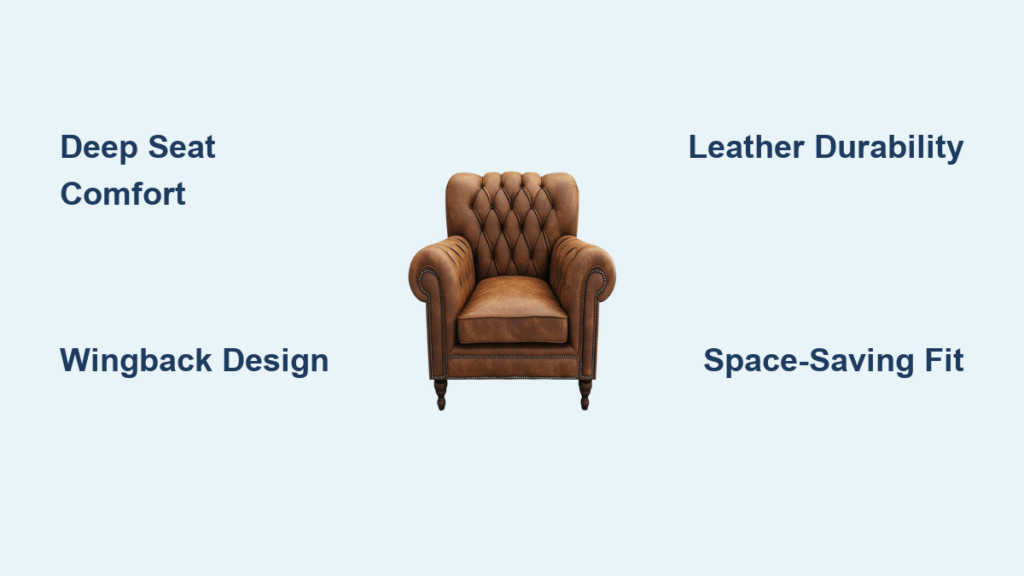
Nothing completes a room like the perfect armchair—whether you’re seeking a cozy reading corner or a statement piece that elevates your entire decor. With dozens of arm chair types available, selecting the right one can feel overwhelming, yet the ideal choice makes your space feel instantly more inviting and functional. This guide cuts through the confusion by breaking down every major arm chair category with specific details about design, comfort, and ideal placement—so you’ll know exactly which style fits your lifestyle before you buy.
Club Armchairs: Your Deep-Seat Comfort Sanctuary
Sinking into a club armchair feels like being embraced by your favorite lounge—the deep, rounded seat and low back create an ultra-comfortable retreat perfect for long reading sessions or evening conversations. Originally crafted in French smoking rooms, these sophisticated pieces feature curved arms that wrap around you, traditionally upholstered in rich leather but now available in diverse fabrics to match any aesthetic.
Why Choose a Club Armchair for Your Space
Maximum comfort for extended sitting – The ultra-deep seat (typically 35-40 inches deep) accommodates lounging positions that standard chairs can’t match. Pro tip: Measure your height before buying—taller individuals need deeper seats to avoid dangling feet.
Versatile placement options – Unlike bulkier designs, club chairs work beautifully in living rooms as primary seating, bedrooms as morning coffee spots, or even hallways as unexpected conversation starters. When positioning, leave at least 18 inches between the chair and adjacent furniture for comfortable movement.
Material considerations matter – While leather develops a beautiful patina over time, performance fabrics offer practicality for homes with pets or children. Darker colors hide everyday wear better, but light tan leather creates an inviting warmth in traditional spaces.
Wingback Chairs: Create Dramatic Reading Corners Instantly
Those distinctive side wings aren’t just decorative—they originated as functional barriers against fireplace drafts in 18th-century homes, and today they create intimate personal spaces within larger rooms. High-backed wingback chairs deliver head-to-hip support that standard armchairs can’t match, making them ideal for creating dedicated reading nooks beside windows or in quiet corners.
Solving Common Wingback Chair Placement Challenges
Space requirements made simple – Wingbacks typically measure 32-38 inches wide and need breathing room to shine. Position them at least 24 inches from walls to showcase their sculptural profile, but avoid placing in cramped spaces where the wings feel confining.
Modern adaptations for contemporary homes – Skip the traditional floral damask—today’s wingbacks come in sleek leather with lower profiles that work in minimalist spaces. Pro tip: A wingback with a swivel base adds functionality to open-plan living areas while maintaining its classic silhouette.
Height considerations you can’t ignore – Taller individuals should seek wingbacks with seat heights of at least 18 inches to prevent that “sinking” feeling. Test before buying—your knees should form a 90-degree angle when seated with feet flat on the floor.
Chesterfield Chairs: Executive-Level Luxury in Single-Seat Form
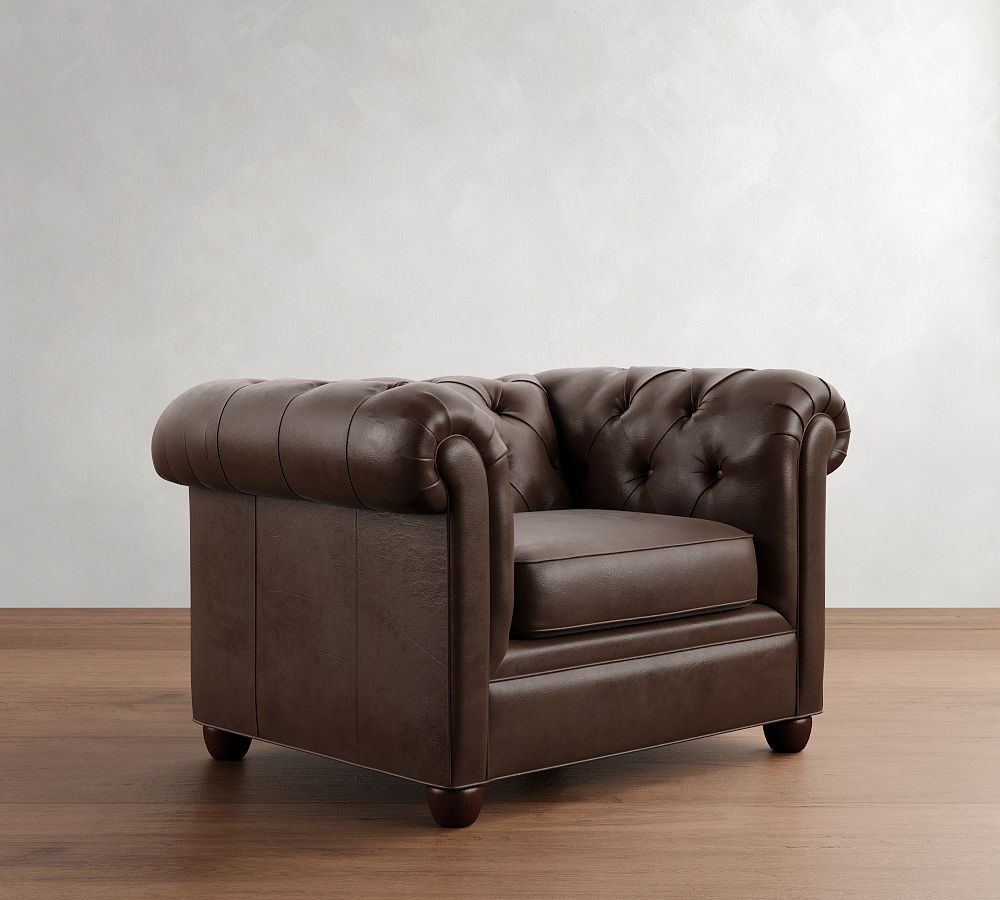
The moment you spot those deep button tufts and rolled arms, you recognize the Chesterfield—a design that evolved from 1700s English studies into today’s ultimate statement chair. Unlike sofas, these single-seat versions deliver sofa-level luxury while occupying minimal floor space, making them surprisingly adaptable beyond traditional libraries and executive offices.
Maximizing Your Chesterfield Chair Investment
Material selection impacts longevity – Genuine leather withstands daily use better than fabric, developing character rather than wear marks. Performance leather options now offer stain resistance without sacrificing the authentic look business professionals love.
Unexpected placement opportunities – While perfect beside a fireplace, try a modern Chesterfield in your bedroom as a sophisticated vanity seating option. The high back provides proper support for makeup application, and its formal appearance elevates even simple bedroom layouts.
Scale matters more than you think – Standard Chesterfields can overwhelm small rooms. Look for “compact Chesterfield” designs measuring under 32 inches wide—they maintain all signature details while fitting comfortably in apartments and secondary spaces.
Mid-Century Modern Armchairs: Space-Saving Style for Compact Homes

Clean lines and elevated profiles define these 1950s-inspired designs that create visual breathing room in even the tightest apartments. Unlike bulkier traditional chairs, mid-century armchairs feature tapered legs and bucket-shaped seats that appear to float, making them ideal for studios and small living rooms where every inch counts.
Smart Mid-Century Chair Selection Strategies
The space illusion trick – Chairs with legs raised 6+ inches off the floor create visual space beneath, making rooms feel larger. Pair with low-profile sofas to maintain sightlines across your space.
Color psychology for impact – While classic teak frames remain popular, modern versions come in bold mustard yellows and deep emerald greens that serve as instant focal points. Pro tip: Limit one statement-colored armchair per room to avoid visual chaos.
Multi-functional designs you need – Many contemporary mid-century chairs include hidden storage compartments or convertible ottomans. Look for models where the ottoman tucks neatly underneath when not in use—perfect for tiny homes needing flexible furniture.
Slipper Chairs: Your Secret Weapon for Small Space Furnishing
Armless construction and low profiles make slipper chairs the ultimate space savers—sliding effortlessly into tight corners where standard armchairs won’t fit. Measuring just 24-28 inches wide, these minimalist designs provide proper seating without dominating your floor plan, making them indispensable for apartments and narrow hallways.
Transforming Awkward Spaces with Slipper Chairs
Bedroom game-changer – Position one beside your bed as morning coffee seating that doesn’t compete with your nightstand. The armless design allows easy movement between bed and chair without bumping into obstructions.
Unexpected hallway application – Place a pair opposite each other in long hallways to create an instant conversation area. Choose washable fabrics since hallways experience more foot traffic and potential scuffs.
Style adaptation secrets – Dress up basic slipper chairs with oversized floor pillows that extend above the back for extra support. During warmer months, swap fabric for breathable linen covers that maintain comfort without overheating.
Leather Armchairs: The Practical Luxury Choice for Active Households

Genuine leather brings sophisticated durability that withstands daily use better than most fabrics—developing character rather than showing wear. Easy to clean with just a damp cloth, leather armchairs particularly benefit homes with pets, children, or frequent entertaining where spills are inevitable.
Leather Selection Guide You Won’t Find Elsewhere
Grade understanding is crucial – Top-grain leather (the outermost layer) offers the best durability and develops a rich patina. Avoid “bonded leather” which peels within years—true leather should feel substantial (2-3mm thick) with natural variations in texture.
Climate considerations – Leather performs best in controlled indoor environments. In humid climates, choose aniline leather with protective finishes to prevent moisture damage, while dry climates benefit from periodic conditioning to prevent cracking.
The maintenance myth – Contrary to popular belief, leather doesn’t require special cleaners. Weekly dusting with a dry microfiber cloth followed by occasional conditioning maintains most leather armchairs beautifully. Pro tip: Keep leather chairs 2+ feet from direct sunlight to prevent premature fading.
High-Back vs. Low-Back Armchairs: The Support Showdown

The back height of your armchair dramatically impacts both comfort and room aesthetics—high-back designs provide head-to-hip support ideal for relaxation, while low-back versions maintain sightlines in compact spaces. Your choice should balance physical needs with spatial constraints rather than following trends.
Making the Right Back Height Decision
Body mechanics first – Your chair’s back should support your entire spine. If you’re over 5’8″, high-back chairs (36+ inches tall) prevent neck strain during extended sitting. Shorter individuals often find low-back chairs (28-32 inches) more proportionate to their frame.
Room proportion rules – In spaces with ceilings under 9 feet, low-back chairs prevent visual crowding. High ceilings (10+ feet) can accommodate dramatic high-back designs that would overwhelm standard rooms.
Unexpected versatility – Many modern chairs offer adjustable backs—look for designs with removable lumbar cushions that let you transform a high-back chair into a mid-back version as your needs change.
Pro Tip: Always measure your space twice before purchasing—armchairs typically range from 26-40 inches wide, and that extra inch can mean the difference between perfect fit and furniture that blocks doorways. When in doubt, choose a chair with removable legs for easier maneuvering through tight spaces.
Your ideal arm chair type balances three critical factors: how you’ll use it daily, how much space you have, and what aesthetic you want to create. Whether you select a dramatic wingback for library luxury or a compact slipper chair for apartment living, the right choice becomes both a comfortable retreat and a reflection of your personal style. Test seat depth by sitting in-store, check traffic patterns in your home, and remember that the best arm chair is the one you’ll actually use every day—not just the one that looks good in photos.


