
You’ve invested in a massage chair expecting relief from tension and pain, only to find yourself dealing with unexpected discomfort or worsening symptoms. While these high-tech relaxation tools promise therapeutic benefits, many users experience surprising negative reactions ranging from mild soreness to serious health complications. Without proper awareness of potential risks, your quest for relaxation could inadvertently harm your body.
This guide reveals the less-discussed realities of massage chair usage that manufacturers often omit from marketing materials. You’ll discover specific physical reactions to watch for, medical conditions that make massage chairs potentially dangerous, and practical strategies to enjoy these devices safely. By understanding these hidden risks, you can make informed decisions about whether a massage chair suits your individual health profile.
Immediate Physical Reactions to Watch For

Most negative effects of massage chairs manifest during or shortly after your session, making early recognition crucial for preventing more serious complications. Your body sends clear signals when the mechanical pressure exceeds what your tissues can safely handle.
Unexpected Muscle Soreness After Initial Sessions
First-time users frequently mistake normal adjustment discomfort for problematic side effects. When deep tissue rollers activate muscles that have been dormant, the resulting tenderness resembles post-exercise soreness but can escalate unexpectedly.
Critical warning signs requiring immediate attention:
– Sharp, stabbing pain instead of the expected dull ache
– Soreness persisting beyond 72 hours after use
– Visible bruising without direct trauma
– Significant reduction in your normal range of motion
If you experience any of these symptoms, discontinue use and consult a healthcare professional before resuming sessions. What might seem like normal adjustment could indicate tissue damage from improper settings.
Nerve Compression During Massage Sessions
Aggressive roller mechanisms can apply excessive pressure to sensitive nerve pathways, particularly along the spine and sciatic nerve. This compression creates distinctive symptoms that shouldn’t be ignored.
Stop your massage immediately if you notice:
– Numbness lasting longer than 30 minutes post-session
– Shooting pains radiating down your arms or legs
– Muscle weakness affecting your grip or walking ability
– Persistent “pins and needles” sensations in extremities
These symptoms indicate potential nerve irritation that could become chronic with repeated exposure to improper pressure levels. Nerve damage from mechanical massage often requires extended recovery periods.
Circulation Disruption During Use
The rhythmic compression of massage chairs can inadvertently restrict blood flow, particularly problematic for users with pre-existing vascular conditions. This manifests as dizziness, cold extremities, or unusual skin discoloration during sessions.
Medical Conditions That Increase Risk Significantly
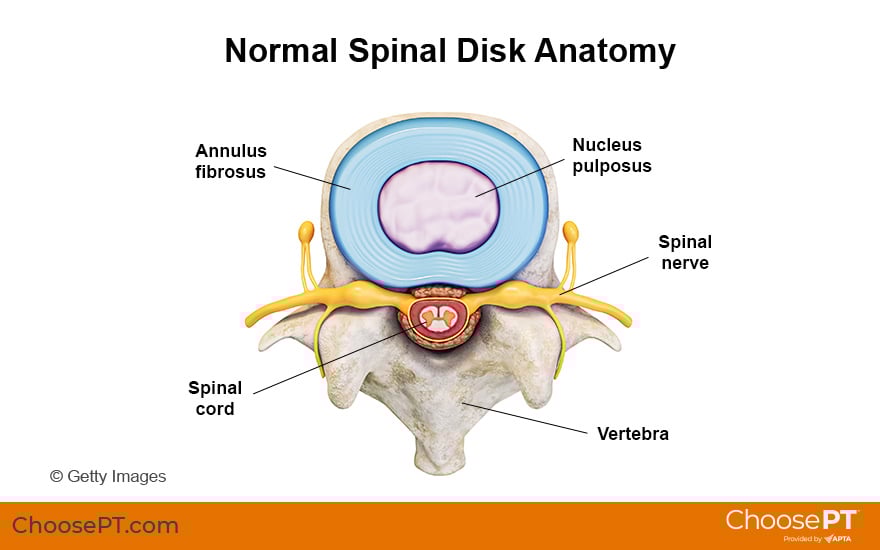
Certain health issues transform massage chairs from therapeutic tools into potential hazards. Understanding these contraindications protects you from accidentally worsening existing conditions.
Spinal Conditions That Deteriorate with Mechanical Massage
If you have herniated discs, spinal stenosis, or have undergone recent back surgery, massage chairs can exacerbate these conditions through repetitive mechanical force. The rollers may push disc material further out of alignment or inflame already compressed nerves.
Emergency warning signs for spinal issues:
– Increased pain radiating down your legs
– New numbness in your inner thighs or groin area
– Changes in bladder or bowel control
– Severe stiffness that doesn’t improve with movement
These symptoms require immediate medical attention as they may indicate serious nerve compression that could lead to permanent damage.
Cardiovascular Complications from Pressure Changes
Users with high blood pressure, heart conditions, or circulatory disorders face unique risks as the chair’s rhythmic pressure affects blood flow dynamics. The mechanical action can trigger dangerous blood pressure spikes or dislodge existing blood clots.
Cardiac warning indicators during use:
– Chest tightness or pressure sensations
– Noticeable irregular heartbeat
– Extreme fatigue after brief sessions
– Unexplained swelling in your lower extremities
If you experience any cardiovascular symptoms, stop using the chair immediately and consult your physician before resuming.
Vulnerable Populations at Higher Risk
Certain demographic groups face amplified dangers from massage chair usage that standard safety guidelines often overlook.
Pregnancy-Related Complications
Expectant mothers should exercise extreme caution with massage chairs due to several trimester-specific risks. The mechanical pressure can stimulate uterine activity, while the reclined position affects circulation to the developing baby.
Trimester-specific concerns:
– First trimester: Potential miscarriage risk from abdominal pressure
– Second trimester: Blood pressure fluctuations from positioning
– Third trimester: Premature labor risk from lower back stimulation
Pregnant women should consult their obstetrician before using any mechanical massage device and consider safer alternatives like prenatal-specific manual massage.
Elderly User Safety Concerns
Older adults face compounded risks due to age-related physiological changes. Thinner skin, reduced bone density, and medication interactions create unique vulnerabilities.
Critical considerations for senior users:
– Osteoporosis increases fracture risk from roller pressure
– Blood thinners amplify bruising and internal bleeding potential
– Balance issues may cause falls when standing post-session
– Slower tissue healing turns minor injuries into chronic problems
Elderly users should start with the gentlest settings and never use chairs unattended until they understand their individual response.
Early Warning Signs You Shouldn’t Ignore
Your body communicates distress through specific signals during massage chair sessions. Learning to interpret these signs prevents minor issues from becoming serious injuries.
Real-Time Pain Assessment Protocol
Implement this pain scale during every session to determine appropriate action:
– 1-3 (Mild): Normal adjustment discomfort, continue with caution
– 4-6 (Moderate): Reduce intensity immediately or end session
– 7-10 (Severe): Stop completely and assess for injury
Emergency stop triggers requiring immediate action:
– Sudden sharp pain anywhere in your body
– Difficulty catching your breath
– Severe headache onset during use
– Any loss of consciousness
Never power through pain with the belief that “no pain, no gain” applies to therapeutic massage. This mentality causes most preventable injuries.
Post-Session Monitoring Checklist
Track these indicators for 24 hours after each session:
– Sleep quality compared to normal patterns
– Morning stiffness levels upon waking
– Energy fluctuations throughout the day
– Mood changes or increased anxiety
Documenting these responses helps identify subtle negative effects that might otherwise go unnoticed until they become significant problems.
Safe Usage Practices That Minimize Risk
Implementing proper protocols transforms potentially hazardous sessions into genuinely therapeutic experiences. These evidence-based approaches maximize benefits while minimizing negative effects.
Progressive Session Duration Strategy
Build your tolerance gradually to avoid overwhelming your system:
– Initial phase (1-2 weeks): Limit to 5-10 minutes per session
– Adjustment phase (3-4 weeks): Gradually increase to 15 minutes if no adverse effects
– Maintenance phase: Never exceed 20 minutes per session
Your body needs time to adapt to mechanical massage. Rushing this process increases injury risk significantly.
Intensity Progression Guidelines
Start at the lowest possible setting regardless of your fitness level:
– Foundation phase: Use level 1 for minimum 3 sessions
– Gradual increase: Advance one intensity level every 3-5 sessions
– Personal threshold: Stop increasing when you notice any discomfort
Remember that more intense doesn’t mean more effective. Optimal therapeutic results come from appropriate pressure, not maximum force.
Emergency Response for Adverse Reactions

Knowing how to respond when problems occur prevents minor incidents from becoming serious health events.
Acute Pain Management Protocol
If severe pain strikes during a session:
1. Immediately stop using the emergency shutdown
2. Remain seated until dizziness passes
3. Apply ice to affected areas for 15 minutes
4. Document symptoms including location and intensity
5. Consult a professional before resuming use
When to Seek Medical Attention
Contact healthcare providers promptly if you experience:
– Pain persisting beyond 24 hours
– Numbness or weakness lasting more than an hour
– Significant bruising without direct impact
– Changes in bladder or bowel function
– Fever developing after use
These symptoms indicate potential tissue damage requiring professional evaluation.
Long-Term Impact of Improper Usage
Repeated exposure to inappropriate massage chair settings creates cumulative damage that may not become apparent until months later.
Chronic Condition Development
Regular misuse can trigger long-term issues including:
– Myofascial pain syndromes from repetitive tissue trauma
– Nervous system sensitization causing fibromyalgia-like symptoms
– Accelerated joint deterioration in over-stressed areas
These conditions often require extensive rehabilitation and may become permanent with continued improper use.
Psychological Impact of Negative Experiences
Unpleasant massage chair experiences can create:
– Anxiety or phobia around mechanical massage
– Increased tension from anticipating pain
– Sleep disturbances due to discomfort
This psychological component often gets overlooked but significantly impacts your ability to benefit from therapeutic interventions.
Massage chairs deliver genuine benefits when used appropriately, but they carry real risks that demand your attention. Start with minimal sessions at the gentlest settings, listen carefully to your body’s signals, and never ignore warning signs. If you have pre-existing health conditions, consult your healthcare provider before incorporating a massage chair into your routine. Remember that your long-term health outweighs momentary relaxation—when in doubt, pause usage and seek professional guidance. The most effective massage chair is one that enhances your wellbeing without compromising your safety.


