
Your living room doesn’t need chairs to be comfortable, stylish, or functional. This unconventional approach transforms cramped spaces into versatile sanctuaries while eliminating the $2,000+ sofa investment. Whether you’re working with a tiny studio or simply crave more flexibility, we’ll show you how to create an inviting space that adapts to your lifestyle—no traditional seating required. You’ll discover how floor-level living unlocks creative freedom and solves common pain points like poor traffic flow and limited hosting capacity.
Imagine hosting friends without wrestling with bulky furniture or rearranging entire rooms for simple activities. By removing conventional chairs and sofas, you reclaim valuable square footage while creating zones that effortlessly shift from morning yoga sessions to evening entertainment. This guide reveals proven strategies to build a chair-free living room that actually works for real life—not just Instagram photos.
Floor Cushions and Pillows: Instant Comfort Foundation
Skip expensive sofas and build your living room around stackable floor cushions starting at $24 each. Layer oversized gray cushions with textured floor pillows on a durable area rug to create flexible seating clusters that adapt instantly to your needs. Arrange them in semicircles around low coffee tables for intimate conversation areas, or scatter them randomly for casual solo lounging.
Critical setup tip: Mix cushion sizes and heights to prevent visual monotony—place larger backrest-style pillows at the rear with smaller accent cushions in front. Store extras in woven baskets tucked against walls for quick access when guests arrive. This modular system lets you scale from two-person movie nights to eight-person gatherings without moving heavy furniture.
Bean Bag Revolution: Sophisticated Floor Seating
Modern bean bags have evolved far beyond dorm room relics. Leather or velvet varieties in deep jewel tones instantly elevate your space while maintaining the lightweight flexibility of floor seating. Choose recliner-style options with lumbar support for extended reading sessions, or ottoman configurations that double as footrests and side tables.
Game-changing feature: Their minimal footprint makes bean bags perfect for awkward corners traditional furniture can’t reach. Slide one beneath a floating shelf for an instant reading nook, then pivot it toward the TV for movie night—all in seconds. Unlike sofas, these pieces navigate tight stairwells during moves and require zero assembly.
Built-In Window Seats: Permanent Comfort Zones
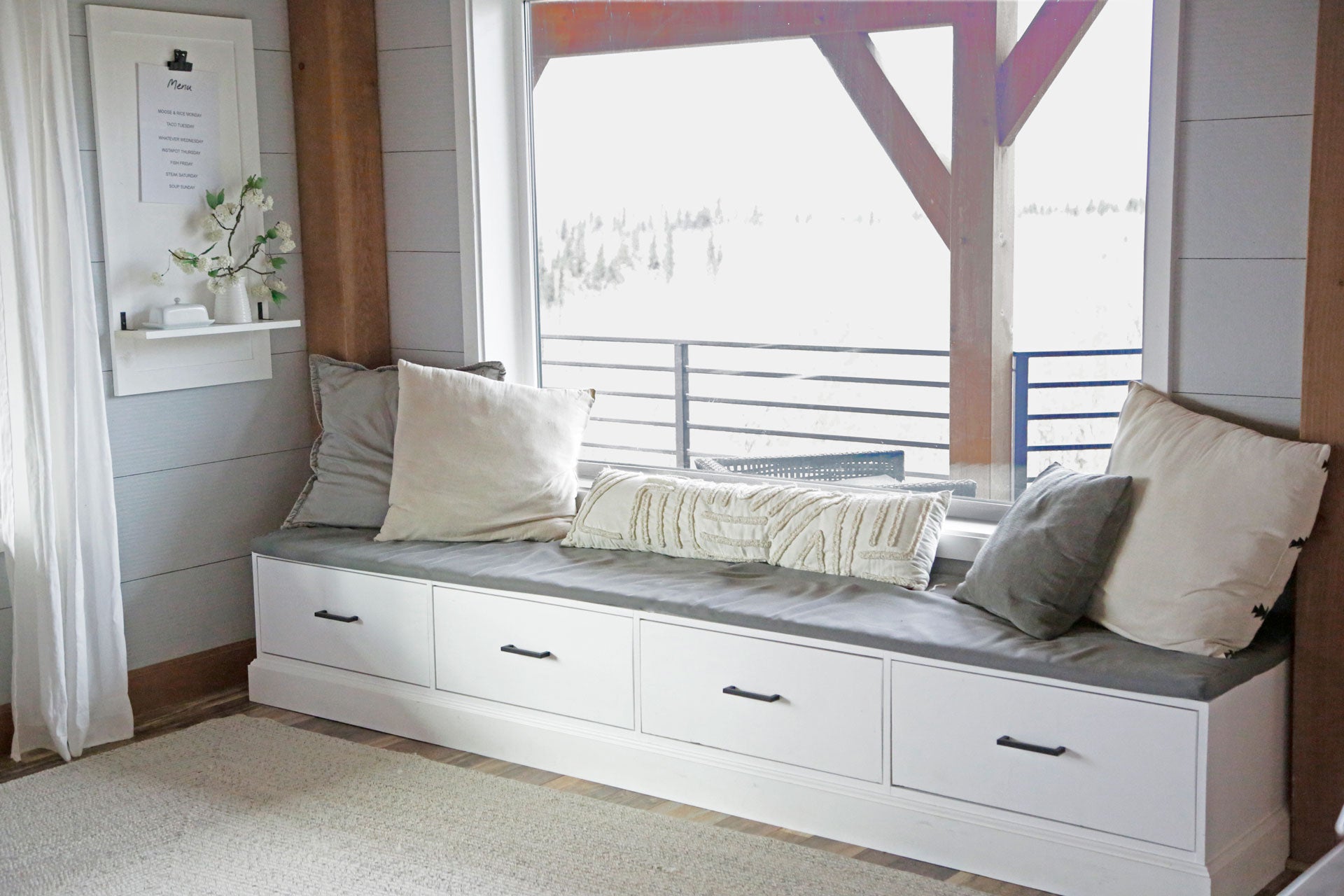
Transform underutilized window areas into cozy reading nooks with custom or ready-made benches. Install storage drawers beneath seating to stash throw blankets and extra cushions, maximizing both function and space. Enhance comfort with tailored pillows sized precisely for your window dimensions—this prevents constant readjustment during use.
Structural must: Consult a professional before mounting heavy solutions to ensure your walls can handle the load. For renters, use freestanding window benches that tuck neatly against the sill. Position these seats to capture morning light for coffee rituals or afternoon sun for naps—natural lighting becomes your design asset.
Daybeds as Dual-Purpose Anchors
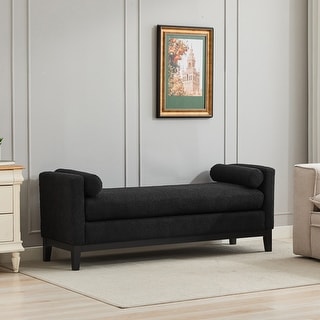
A storage daybed ($259.99) serves as your living room’s command center by day and guest bed by night. Position it against the longest wall with bolsters along the back to mimic sofa comfort, then layer with removable cushions for visual warmth. The hidden storage compartment keeps bedding and pillows concealed until needed.
Space-saving hack: Choose models that disassemble into carry-on sized pieces—no dolly or professional movers required for apartment transitions. During the day, fold down the backrest to create a chaise-style lounge perfect for afternoon reading. At night, unfold it into a full guest bed with zero setup time.
Hammock and Swing Solutions: Floating Comfort
Install a cream cotton hammock with crocheted trim to create a boho relaxation zone that visually disappears when empty. For permanent setups, verify ceiling weight capacity with an architect before drilling—most residential structures support 300+ pounds with proper joist anchoring. Renters should opt for freestanding egg chair stands ($130) that require zero installation.
Safety first: Maintain 3 feet of clearance on all sides to prevent collisions during use. Pair swings with a low platform mat to cushion accidental falls—especially crucial in homes with children or pets. These pieces become instant conversation starters while solving seating needs in unconventional layouts.
Conversation Circle Layouts: Flexible Social Zones
Ditch the sofa-centric layout and arrange 2-6 individual seating pieces around a central low table to create intimate gathering spots. Mix floor cushions, bean bags, and poufs in complementary textures to guide natural traffic flow between zones. This configuration prevents the “audience seating” feel of traditional living rooms.
Hosting pro tip: Leave one cushion-free pathway through your arrangement for easy navigation during parties. When expecting larger groups, simply add floor pillows along the perimeter—they tuck away instantly when not needed. Unlike fixed furniture, this system scales seamlessly from solo lounging to dance parties.
Vertical Storage Systems: Floor Space Liberation
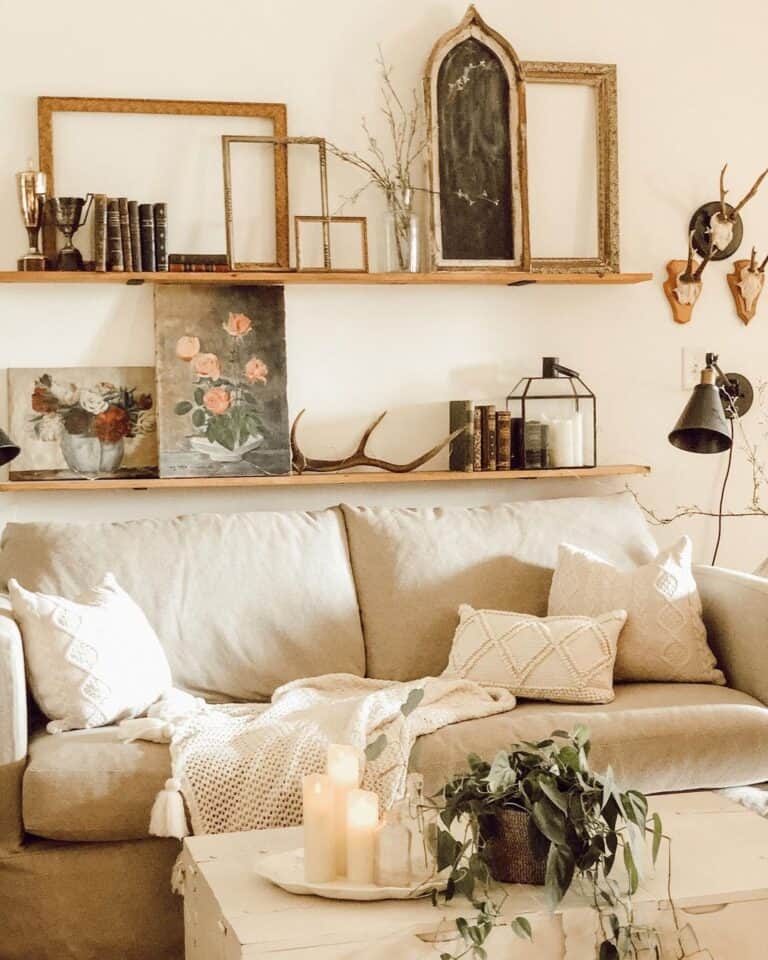
Mount floating shelves above seating areas to store books and decor while keeping floors clear for flexible arrangements. Install wall-mounted task lighting above reading nooks to eliminate table lamps that clutter surfaces. This vertical approach maintains sight lines and creates visual height in cramped spaces.
Critical mistake to avoid: Don’t overcrowd walls—limit shelves to 30% of your wall space to prevent a claustrophobic feel. Choose open shelving over cabinets for visual lightness, and anchor pieces at eye level to draw gazes upward. This strategy transforms storage from necessity to intentional design element.
Minimalist Aesthetic Execution: Less as More
Create serene chair-free spaces through disciplined editing—select only multi-functional pieces that serve dual purposes. Stick to a neutral palette of light woods, soft grays, and woven textures that recede visually while providing tactile warmth. Each element must earn its place through utility.
Key principle: If an item doesn’t store something or provide seating, remove it. Use sheepskin throws over floor cushions for texture instead of decorative pillows that collect dust. This approach proves especially effective in studios under 500 square feet where visual clutter amplifies cramped feelings.
Studio Apartment Optimization: One-Room Mastery
Maximize single-room functionality by positioning a daybed as your primary seating zone, leaving ample floor space for movement. During the day, fold it into sofa mode with cushions; at night, unfold it for sleeping without rearranging furniture. Use strategic mirrors opposite windows to double perceived space.
Renter’s advantage: Choose non-permanent solutions like floor mattresses that roll up for storage—no landlord permissions required. When hosting overnight guests, simply add floor cushions around your daybed to create a sleepover zone that vanishes by morning. This system adapts to changing needs without permanent alterations.
Budget-Friendly Investment Strategy
Allocate funds strategically toward individual pieces that deliver maximum versatility. Start with an area rug ($80) and three quality floor cushions ($40 each), then add a statement piece like a rattan daybed ($260) as budget allows. This beats spending $2,000+ on a single sofa that dominates your space.
Smart purchasing: Prioritize pieces with hidden storage—ottomans that hold blankets or daybeds with trundle compartments. When buying used, focus on structural integrity over fabric condition since covers often swap easily. This phased approach keeps initial costs under $300 while building toward a fully functional space.
Persian Tea Room Inspiration: Global Comfort
Layer Persian rugs beneath floor cushions for textured warmth while anchoring your seating arrangement. Surround with low coffee tables at varying heights to create organic gathering spots. Hang Moroccan lanterns to cast intricate shadow patterns that transform walls into art installations.
Authentic touch: Display travel souvenirs on floating shelves instead of traditional decor—each piece tells a story during conversations. This sensory-rich environment encourages lingering over tea rather than rushed TV viewing, turning your living room into a true hospitality space.
Technology Integration: Seamless Entertainment
:strip_icc()/bhg-how-to-hide-tv-cords-hero-3x2-0064_6GhgO9RVqy9AtzqwJ3gOea-b8df79009e2a4438995493d536250fe4.jpg)
Mount your TV on the wall opposite your primary seating zone for optimal viewing angles without blocking floor space. Hide streaming devices in wall cabinets and route cables through discreet channels. Use Bluetooth speakers mounted at ear level during seating for immersive sound without visible equipment.
Lighting solution: Install dimmable LED strips beneath floating shelves to create ambient glow during movie nights. Pair with a single adjustable floor lamp for task lighting—this layered approach prevents harsh overhead lights while maintaining functionality for all activities.
Seasonal Textile Rotation: Year-Round Comfort
Swap out floor cushion covers seasonally—lightweight linen for summer breathability and heavy wool blends for winter warmth. Store off-season textiles in vacuum bags under window seats to reclaim floor space. Layer sheepskin throws over cushions during cold months for natural insulation.
Quick transformation: Dedicate one basket per season for cushion storage—simply swap the entire basket contents to refresh your space in minutes. This avoids costly furniture replacements while keeping your living room feeling current through the year.
Future-Proof Flexibility Planning
Build your chair-free living room using modular components that evolve with your life changes. Today’s studio apartment solution becomes tomorrow’s guest room addition when you move. Individual pieces retain higher resale value than large sofas—quality floor cushions and daybeds sell quickly in secondhand markets.
Long-term perspective: Invest in neutral foundational pieces (rugs, daybed frames) while using textiles for color pops you can change as tastes evolve. This approach ensures your space stays fresh without recurring design costs—proving that comfort doesn’t require conventional chairs. Start with just three cushions and a rug to experience the freedom of chair-free living today.


