
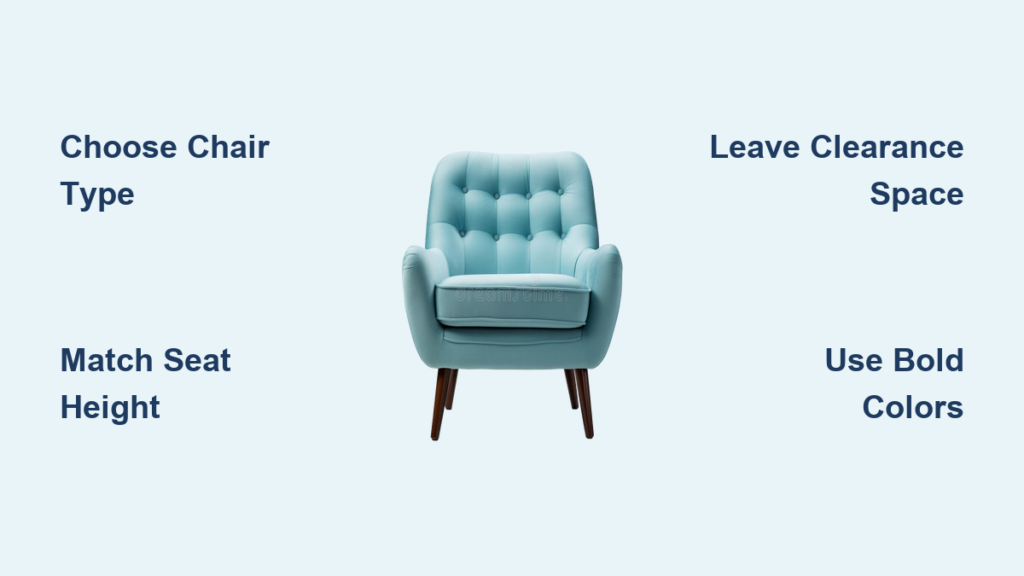
You’ve probably noticed how a single bold chair can completely change the energy of a room. Learning how to use accent chairs effectively separates amateur decorators from design-savvy homeowners. These strategic seating choices do far more than provide extra places to sit—they create visual interest, define spaces, and express your personal style without requiring a full furniture overhaul. When placed correctly, an accent chair becomes the secret weapon that elevates your entire interior design from ordinary to extraordinary.
Most people make the critical mistake of treating accent chairs like regular seating. The truth? They’re functional art pieces designed to draw the eye and spark conversation. Whether you’re working with a cramped apartment or a spacious home, the right accent chair placement can solve layout problems while adding personality. This guide reveals professional techniques for selecting, positioning, and styling accent chairs that work hard for your space—because knowing how to use accent chairs properly makes the difference between cluttered chaos and curated sophistication.
Select Your Perfect Accent Chair Type

Fix Conversation Flow With Swivel Chairs
When guests constantly twist uncomfortably between kitchen and living areas, a swivel accent chair solves the problem instantly. These 360-degree rotating seats let people engage in multiple conversations without physically moving the chair. Position them where traffic naturally flows between zones—like near your kitchen island or between living and dining areas. The rotating base eliminates awkward repositioning during social gatherings while maintaining comfortable sightlines to your main seating area.
Create Cozy Reading Corners With Wingback Chairs
Wingback chairs transform dead corners into inviting reading nooks with their high backs and distinctive winged sides. Their enclosed design creates an intimate feeling perfect for quiet contemplation. For maximum effect, place your wingback chair near a window with natural light, paired with a small side table for books and a dedicated reading lamp. Avoid crowding the chair against walls—leave at least 6 inches of space behind for proper air circulation and visual breathing room.
Maximize Small Spaces With Slipper Chairs
Armless slipper chairs solve seating challenges in tight bedrooms and narrow hallways where traditional chairs won’t fit. Their lower profile (typically 28-32 inches tall) tucks neatly under vanities or into awkward corners. When styling small spaces, choose slipper chairs with exposed legs to maintain visual lightness. Place them near your bed for dressing convenience or in entryways for practical shoe-tying seating—just ensure at least 24 inches of clearance for comfortable movement around the chair.
Master Proportional Placement Techniques

Avoid Common Size Mismatch Errors
Most accent chair disasters happen because homeowners ignore proportion rules. Your accent chair’s seat height must stay within four inches of your sofa’s seat height (typically 16-18 inches from floor). Measure both before purchasing—never assume they’ll work together. In rooms with low ceilings, choose chairs under 36 inches tall to prevent visual heaviness. For high-ceilinged spaces, opt for chairs with taller backs (38+ inches) that fill vertical space appropriately.
Ensure Proper Traffic Flow Around Chairs
Leave at least 30 inches of clearance around your accent chair for comfortable movement—this is non-negotiable in functional spaces. In tight rooms, position chairs diagonally in corners rather than perpendicular to walls. This creates more walking space while maintaining visual interest. When placing chairs near coffee tables, maintain 14-18 inches between seat edge and table surface for comfortable reaching. Never block pathways or force guests to navigate around chairs unnecessarily.
Style Accent Chairs for Maximum Impact
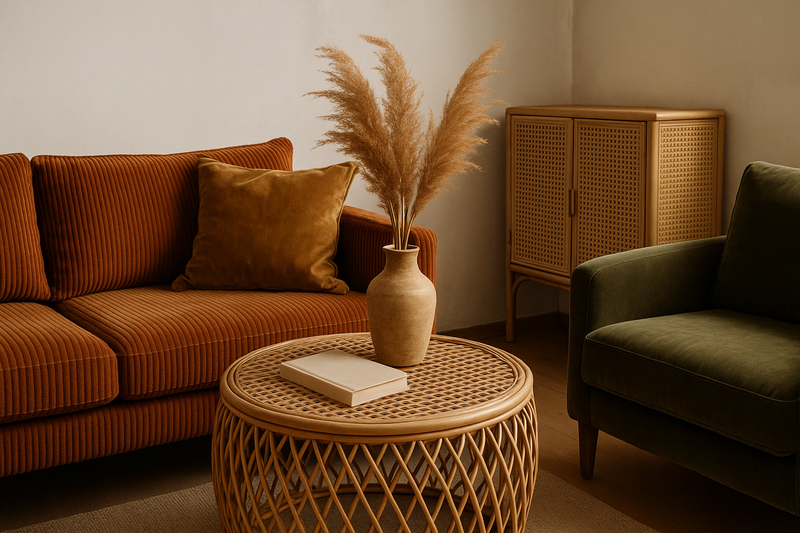
Make Bold Color Choices That Work
A vibrant orange or emerald green chair creates instant drama—but only when placed strategically. Position bold-colored chairs where they’re visible from multiple angles for maximum impact, like opposite your main sofa or in a direct line of sight from your entryway. For successful integration, ensure your bold chair shares at least one color with existing textiles (rugs, curtains, or pillows). Avoid placing vibrant chairs against equally bold walls—let the chair be the star against neutral backdrops.
Layer Textures Without Overwhelming Your Space
Combine contrasting textures for visual depth that feels intentional rather than cluttered. Try these foolproof pairings:
– Velvet chair with sleek metal side table
– Leather chair with woven jute rug
– Wicker chair with plush sheepskin throw
Limit yourself to three dominant textures per vignette. When mixing patterns, follow the 60-30-10 rule: 60% dominant pattern (like your rug), 30% secondary pattern (curtains), and 10% accent pattern (chair). This prevents visual competition while maintaining interest.
Room-Specific Placement Hacks
Living Room: Create Conversation Zones That Flow
Position accent chairs opposite your sofa at a 15-30 degree angle to encourage natural dialogue while maintaining open traffic flow. For larger living rooms, use identical chairs flanking a fireplace or large artwork to create symmetrical elegance. Never place chairs facing directly away from your main seating area—that creates visual barriers rather than connections. When using two different chairs, balance visual weight by matching their overall height and depth even if styles differ.
Bedroom: Build Functional Reading Nooks
Transform dead corners into private retreats with a single accent chair, small side table, and adjustable floor lamp. Position near windows for natural light but avoid direct radiator placement. The chair should sit at least 3 feet from your bed to maintain clear pathways. For optimal reading posture, ensure your chair height allows feet to rest flat on the floor with knees slightly lower than hips. Add a storage ottoman that doubles as footrest and book holder to keep essentials within reach.
Dining Room: Upgrade Traditional Seating
Replace standard captain’s chairs with stylish accent chairs at your dining table’s heads for instant sophistication. Choose stain-resistant fabrics like dark leather or performance velvet for practicality—avoid light-colored delicate materials in high-use areas. Ensure seat heights match your dining chairs (typically 18-20 inches from floor) for comfortable table clearance. For cohesive design, pull one color from your accent chair into dining chair cushions or table runners.
Maintenance Secrets for Long-Lasting Appeal
Protect High-Use Chairs From Wear
In living rooms and entryways, treat fabric chairs with fabric protector spray to prevent stains from setting. Vacuum upholstered chairs weekly with an upholstery attachment to remove dust that breaks down fibers. For leather chairs, condition every 6 months to prevent cracking. Rotate cushions monthly to ensure even wear, especially on deep-seated club chairs. Never place chairs in direct sunlight—UV rays fade fabrics quickly and dry out leather.
Refresh Your Accent Chairs Seasonally
Update your space without buying new furniture by rotating chair accessories:
– Swap out pillow covers every season (light linens for summer, velvet for winter)
– Change throw blankets to match temperature needs
– Move chairs between rooms for fresh perspectives
– Update side tables and lamps to create entirely new vignettes
This approach lets you experiment with trends while keeping your core investment intact. Bold patterned pillows can transform a neutral chair for holidays, while a chunky knit throw instantly makes a sleek modern chair feel cozier for fall.
Final Design Considerations
The most successful how to use accent chairs strategies balance visual impact with practical comfort. Choose pieces that serve multiple purposes—like a storage ottoman that doubles as footrest and hidden book storage. Remember that accent chairs offer the perfect opportunity to experiment with bold styles without major commitment. Unlike sofas or dining sets, these pieces can be updated or relocated as your style evolves.
When selecting your next accent chair, prioritize quality construction: solid wood frames, high-density foam cushions, and durable fabrics will outlast trendy, poorly made alternatives. The right accent chair placement should feel intentional rather than accidental—creating spaces where you’ll genuinely want to sit and linger. Whether you’re building a cozy reading corner or adding drama to your living room, mastering how to use accent chairs properly transforms your house into a thoughtfully designed home that reflects your unique personality.


