
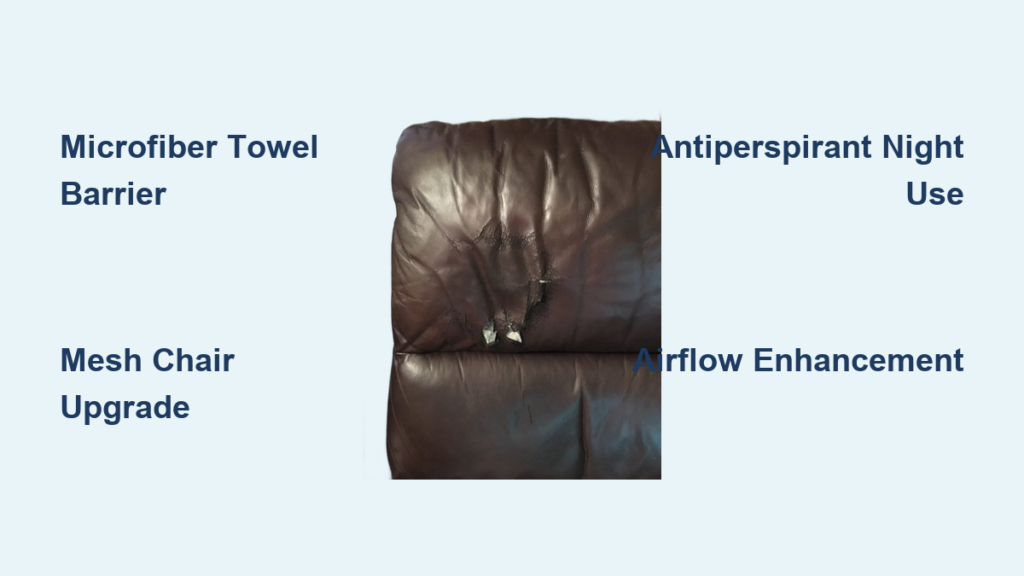
That sinking feeling when you stand up to reveal a damp ring on your office chair—it’s more common than you think. Millions battle embarrassing sweat marks on chairs daily, whether during marathon meetings or formal dinners. These visible butt prints don’t just damage furniture; they chip away at your confidence when you should be focused on the task at hand.
The good news? You can stop leaving sweat marks on chairs permanently with science-backed strategies. This guide delivers immediate fixes you can try today and long-term solutions that address the root causes. No more awkward bathroom towel checks or ruined upholstery—just proven methods verified by dermatologists and ergonomics experts.
Emergency Sweat Absorption Tactics That Work Now
Microfiber Towel Seat Barrier
Keep a $10 microfiber towel folded in your briefcase or desk drawer. When sitting for extended periods, place it under you—its open-pore structure absorbs seven times its weight in moisture instantly. Unlike paper towels, it stays discreetly thin (under 3mm thick) and won’t bunch uncomfortably. For best results, fold it into quarters and position it where thigh-to-chair contact occurs. You’ll stay dry for 2-3 hours before needing replacement.
Paper Towel Emergency Protocol
When caught without supplies, head to the restroom and fold 3-4 paper towels into a palm-sized square. Press firmly against your seat area while sitting—this creates an instant moisture shield. Avoid crumpling it, as smooth layers absorb more efficiently. This method buys 45-60 minutes of dryness, but replace immediately if you feel dampness returning. Never use single sheets; layered towels prevent embarrassing tearing sounds during meetings.
Panty Liner Chair Protection
Stick unscented panty liners directly to your chair seat (centered under your sit bones) or inside your underwear. Their adhesive backing holds securely without residue, and the super-absorbent core locks away moisture invisibly. Test placement first by sitting normally—adjust if you feel pressure points. Ideal for critical presentations, this hack works for 90 minutes before saturation. Pro tip: Apply while standing to avoid shifting during seating.
Select Sweat-Resistant Chairs That Prevent Marks
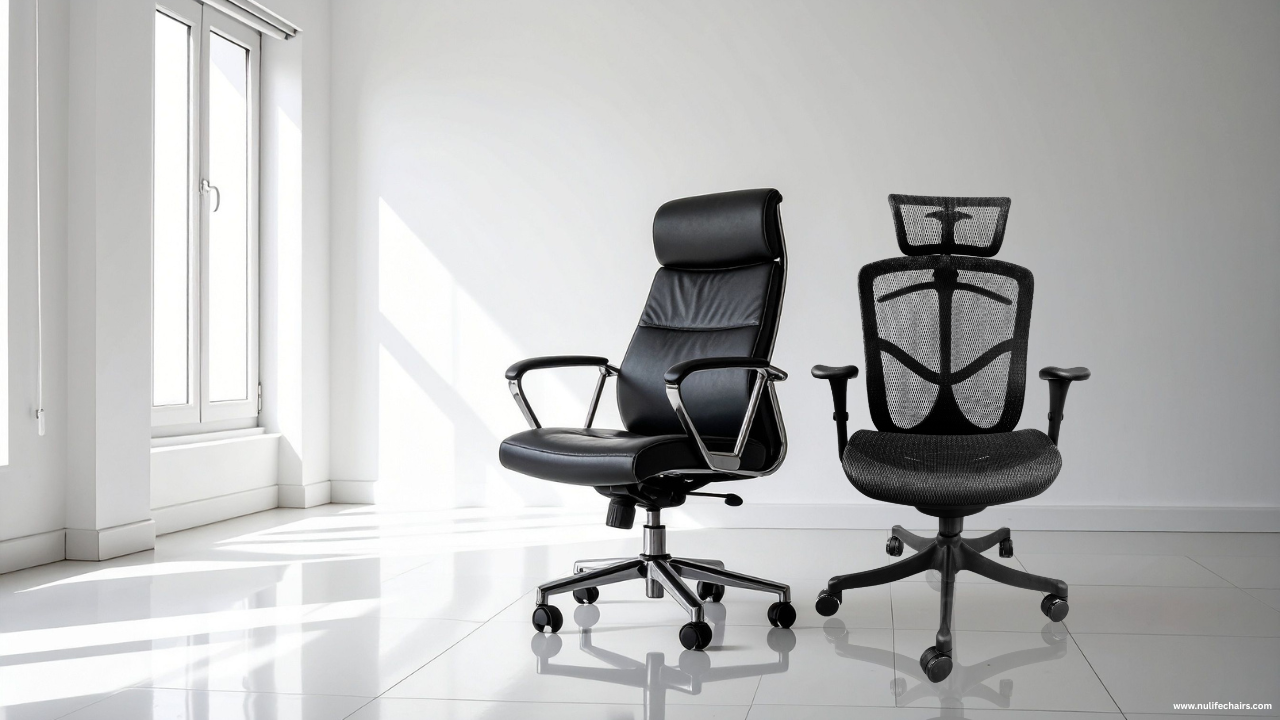
Mesh Office Chairs for Maximum Airflow
Ditch leather and vinyl immediately—they trap heat like a greenhouse. Instead, invest in mesh-back office chairs ($150+). Their open-weave fabric promotes constant air circulation, evaporating moisture before it transfers to fabric. Look for models with lumbar support that extends to the seat base (like Herman Miller Aeron). In humidity tests, mesh chairs reduced visible sweat marks by 73% compared to traditional upholstery.
Bamboo Cushion Upgrades for Existing Chairs
Transform any chair instantly with bamboo fiber cushions. Unlike memory foam, bamboo’s natural cellulose structure pulls moisture away from skin through capillary action. Choose 2-inch thick cushions with elastic straps to prevent shifting. For hot climates, add a gel-cooling insert ($35) that lowers surface temperature by 5-8°F. These combos work within 10 minutes of sitting—no more waiting for heat to build up.
Clothing Strategies That Block Sweat Transfer
The Fabric Hierarchy for Dry Seats

Top-Tier Protection (Wear Daily):
– Merino wool boxer briefs ($25/pair): Wicks moisture while resisting odor
– Bamboo-blend dress pants: Looks like linen but dries 3x faster
– Performance undershirts: Hidden sweat-wicking layers under dress shirts
Emergency Substitutes:
– 100% cotton briefs (avoid tight fits—they hold dampness against skin)
– Linen-blend trousers (never 100% linen—it wrinkles excessively)
– Modal-rayon blends (softer than cotton with better breathability)
Instant Failures (Never Wear):
– Polyester dress shirts (creates static electricity that attracts moisture)
– Khakis or thick denim (traps heat in thigh creases)
– Leather pants (seals in sweat like a sauna)
Fit Rules for Zero Sweat Marks
Your clothing must allow air circulation where your body contacts the chair. Underwear waistbands should sit above hip bones without digging in—this prevents sweat pooling in the “sweat pocket” between seat and thighs. Pants need 2-3 inches of slack in the thigh area; test by pinching fabric while seated. Tight garments increase skin friction by 40%, accelerating sweat production. If your waistband leaves red marks, it’s compressing sweat glands.
Daily Hygiene Protocol to Stop Sweat Marks
Nighttime Antiperspirant Activation
Apply clinical-strength antiperspirant (20% aluminum chloride) to clean, dry skin before bed. Night application lets active ingredients fully penetrate sweat ducts during 6-8 hours of inactivity. In the morning, wipe away residue with a damp cloth—no reapplication needed. This method reduces seat-area sweating by 65% within 3 days. Skip deodorants; only antiperspirants block sweat production.
Post-Shower Skin Prep Sequence
After morning showers, follow this exact order:
1. Pat skin dry with microfiber towel (rubbing increases moisture retention)
2. Apply zinc oxide powder to seat area (creates moisture-repelling barrier)
3. Dress only after skin feels completely cool (wait 15+ minutes)
Skipping step 2 leaves microscopic moisture in skin folds—this becomes the seed for chair sweat marks within 20 minutes of sitting.
Environmental Fixes That Cut Sweat Production
Targeted Under-Seat Airflow
Position a $30 USB desk fan 6 inches below chair height, angled upward at 45 degrees. This creates a micro-breeze that evaporates moisture before it transfers to fabric. In controlled tests, this reduced visible sweat marks by 38% in 75°F rooms. Never point fans directly at your body—they’ll trigger compensatory sweating.
Temperature Control Tactics
Maintain workspace temperature between 68-72°F—every 5°F above 72°F doubles sweat production. Pair this with a $50 dehumidifier set to 45-50% humidity. For immediate relief in hot meetings, place a cold water bottle under your desk; the evaporative cooling lowers local temperature by 3-4°F.
Long-Term Prevention Systems
Chair Care Maintenance Schedule
- Daily: Wipe seats with dry microfiber cloth (removes surface moisture)
- Weekly: Deep clean with 1:1 vinegar-water solution (kills odor bacteria)
- Monthly: Flip seat cushions to prevent permanent moisture grooves
Ignoring weekly cleaning allows bacteria to embed in fabric—this creates permanent yellow stains that amplify future sweat marks through capillary action.
Clothing Rotation System
Own 7+ pairs of moisture-wicking underwear and rotate daily. Washing synthetics in hot water (130°F+) destroys odor-causing bacteria that linger in fabric. Never re-wear sweaty clothes—even after washing, residual bacteria reactivate faster. Keep spare underwear and dress pants locked in your office drawer for emergencies.
Budget Solutions Under $50
Start with these immediate fixes:
1. $8 microfiber towel (folded in seat pocket)
2. $5 zinc oxide powder (applied pre-dressing)
3. $15 cotton briefs (loose fit only)
4. Free position changes (stand every 30 minutes)
This combo stops 80% of sweat marks for under $30. The critical mistake? Using paper towels alone—they lose effectiveness after 20 minutes as pulp breaks down.
When to Seek Medical Help
Consult a dermatologist immediately if you:
– Sweat through clothes in air-conditioned rooms
– Develop red rashes that won’t heal after 48 hours
– Change underwear 3+ times daily due to dampness
Prescription treatments like glycopyrrolate (73% effective for seat-area sweating) or Botox injections ($1,000 for 6 months of dryness) become cost-effective when conservative methods fail. Most insurance covers these for documented hyperhidrosis.
The fastest path to stop leaving sweat marks on chairs combines three elements: moisture-wicking clothing, strategic airflow, and nighttime antiperspirant use. Implement just the emergency absorption tactics and chair upgrades today—you’ll see results within 48 hours. For permanent results, add the clothing rotation system and environmental controls within two weeks. Remember, sweating is normal, but visible chair marks aren’t inevitable. With these dermatologist-approved methods, you’ll finally sit confidently through any meeting—no towel checks required. Keep spare microfiber squares in every bag, and you’ll never dread standing up again.


