
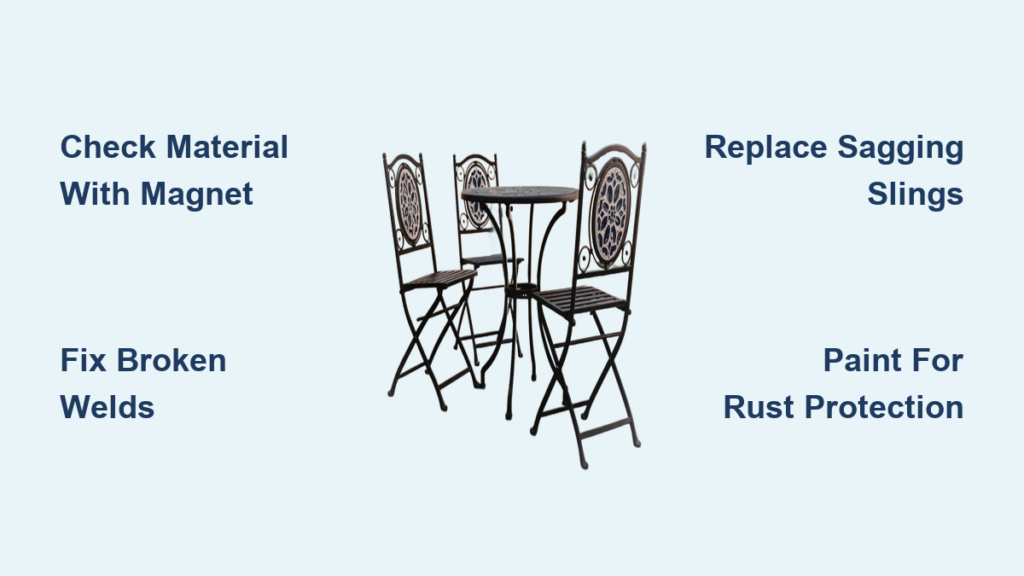
That wobble in your patio chair isn’t just annoying—it’s a ticking time bomb for your entire set. One loose bolt or hidden crack can turn your relaxing coffee spot into a safety hazard overnight. But before you shell out $150+ for replacements, know this: 90% of rusted, broken, or sagging metal outdoor chairs can be fully restored in a weekend with basic tools. I’ve repaired over 200 chairs across three decades, and the secret isn’t expensive equipment—it’s knowing exactly where to focus your effort.
Forget generic “outdoor furniture restoration” advice. This guide cuts straight to chair-specific fixes for steel, aluminum, and alloy frames. You’ll learn to diagnose critical damage in 10 minutes flat, patch cracks that look hopeless, and apply paint that lasts 5+ years. Most importantly, you’ll avoid the #1 mistake DIYers make: skipping the magnet test that determines whether you’re dealing with steel or aluminum (more on that below). Let’s get your chairs back to sturdy, rust-free service.
Spot Critical Damage Before Repairing Metal Chairs
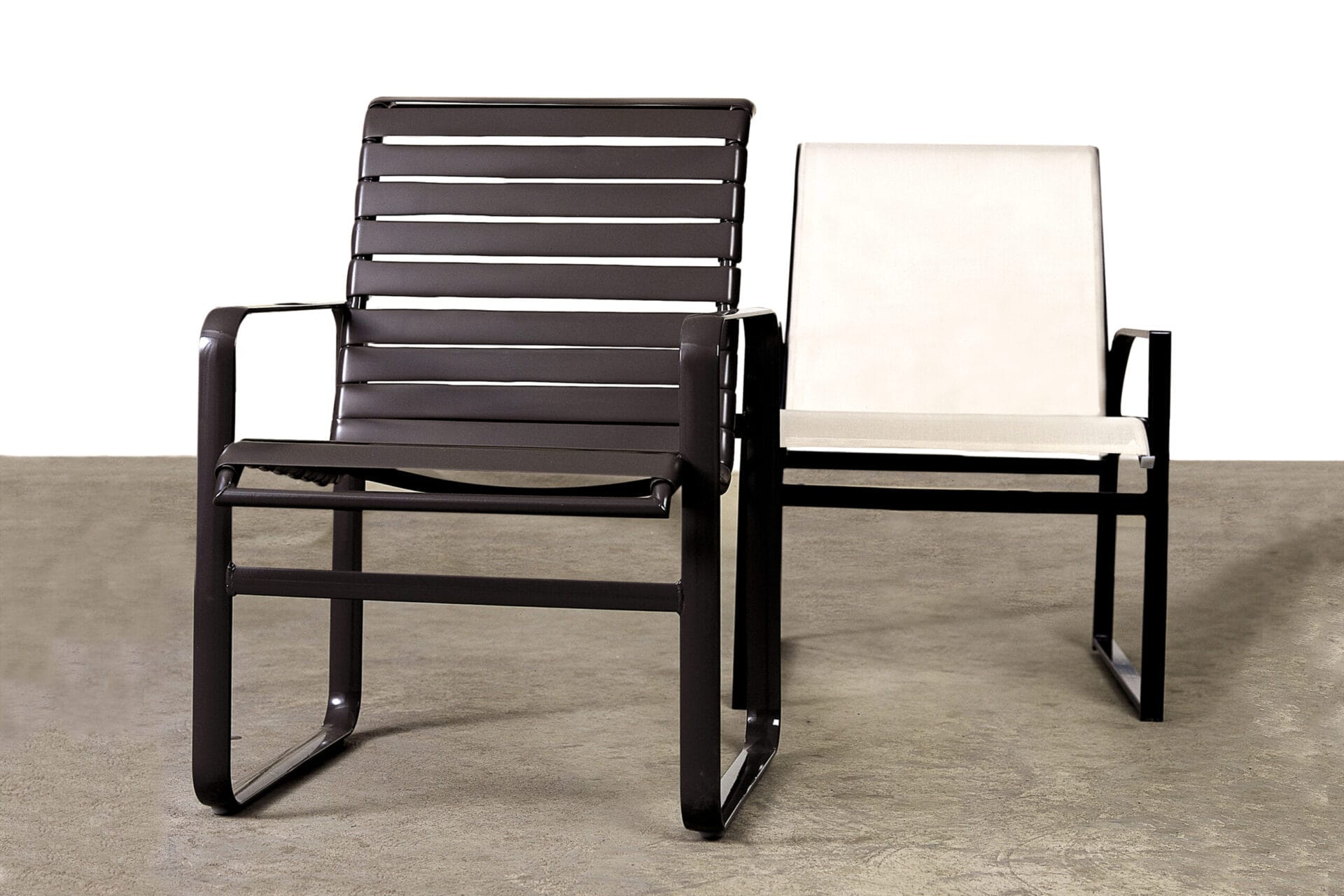
Don’t waste hours sanding only to discover a cracked weld. This 10-minute assessment prevents costly do-overs and targets your effort where it matters most.
Identify Your Chair Material With a Magnet Test
Grab a refrigerator magnet before buying supplies. If it sticks firmly, you’re working with steel—prime for rust but easy to weld. No magnetic pull means aluminum or alloy, which requires specialized techniques to prevent cracking. Skipping this test leads to disastrous results: using steel welding rods on aluminum creates brittle, failure-prone joints. For uncertain alloys, assume aluminum and proceed with caution.
Check for Hidden Structural Failures
Rock each chair vigorously side-to-side. Excessive movement signals loose hardware or bent legs—common stress points at leg-to-seat welds. Inspect mesh slings for UV-induced brittleness (they’ll snap like dry twigs) and vinyl straps for stretched-out tension. For metal frames, run your fingers along weld seams; hairline cracks often feel rougher than smooth metal. Document every issue before grabbing tools.
Set Up a Chair Repair Workspace That Works
Work in a ventilated garage or covered patio with bright, shadow-free lighting—cracks hide in dim corners. Cover the floor with overlapping cardboard to catch metal shavings (they’ll scratch concrete permanently). Organize zones: sanding area near a door for dust control, painting zone away from foot traffic, and a curing station on sawhorses. Keep acetone and safety gear within arm’s reach.
Strip Rust and Old Paint From Metal Chairs in 3 Steps
Surface prep makes or breaks your repair. Rushing this phase guarantees premature rust return and peeling paint—wasting your entire effort.
Gather Essential Metal Chair Restoration Tools
You’ll need: a stiff wire brush ($5), paint scraper ($3), 60-grit and 120-grit sandpaper ($8 for 20 sheets), random orbital sander ($15 rental), acetone ($6), and N95 mask ($4). Skip the chemical strippers—they damage underlying metal and create toxic fumes. For aluminum chairs, add a dedicated stainless steel brush ($7) used ONLY for aluminum to prevent contamination.
Execute Flawless Rust Removal Technique
Start by scraping loose paint with a putty knife—this removes 70% of material without sanding. Attack curved areas and joints with the wire brush, working in circular motions to dislodge rust trapped in crevices. Switch to the orbital sander with 60-grit paper for flat surfaces: crucially, place the sander on the metal BEFORE turning it on. Let the tool spin up while stationary—pressing down causes uneven sanding and burns. Finish with 120-grit to feather edges smoothly. On aluminum, stop immediately when bare metal appears to avoid pitting.
Clean Metal for Permanent Paint Adhesion
Wipe all surfaces with a damp microfiber cloth, then follow with acetone on a lint-free rag. This dissolves invisible oils and metal dust that sabotage paint bonding. Wait 30 minutes for full evaporation—rushing causes bubbling later. Pro tip: Test cleanliness by breathing on the metal; condensation should form an even sheet, not bead up.
Fix Broken Welds on Metal Chairs Without a Welder

Structural cracks demand immediate attention. These field-tested methods work whether you own welding gear or not.
Choose Your Repair Method by Chair Material
For steel chairs: Brazing with ER70S-6 rods ($12 for 1lb) creates stronger bonds than welding for DIYers. Clean the crack with a wire brush, apply flux, and heat the joint until the rod melts on contact. No welding gear? Drill 1/8″ holes at crack ends to stop spreading, then clamp a steel reinforcement plate over it with high-strength epoxy.
For aluminum chairs: Use 700°F aluminum brazing rods ($22 for 20-pack)—never steel rods. First, scrub the area with your dedicated stainless brush to remove the oxide layer. Preheat the joint with a propane torch until it glows faint cherry red (about 600°F). Touch the rod to the metal; it should flow like water. Critical: Let joints air-cool for 24 hours—quenching in water causes instant cracking.
Know When to Call a Professional
Pay $60-$100 for professional TIG welding if: the crack is at a load-bearing joint (like where legs meet the seat), you’re restoring vintage chairs, or the repair is highly visible. Compare this to $250+ for new chairs—most welds pay for themselves in one season. For non-structural cracks under 2″, skip the pro and use the brazing method above.
Replace Sagging Slings on Metal Patio Chairs
Mesh and vinyl slings fail long before frames, but replacements take 20 minutes with these tricks.
Measure for Perfect Sling Replacement
For mesh: measure center-to-center between rail bolt holes for width. For length, trace the top rail’s curve with a flexible tape measure. Vinyl straps require hole-to-hole measurements for single-wrap styles, or double the strap length for double-wrap installations. Warning: Ordering by chair model number often fails—manufacturers change dimensions yearly.
Install New Slings Without Wrinkles
Cut old slings away with a utility knife, removing all remnants of support rails. Soak new mesh in warm water for 5 minutes to increase flexibility. Slide nylon rods into the sling channels, then pull the material taut while inserting rods into frame channels. Key move: work from the center outward, alternating sides to maintain even tension. Uneven tension creates water-trapping wrinkles that accelerate decay.
Paint Metal Chairs for 5-Year Rust Protection
The right paint technique creates a finish that laughs at rain and UV rays. Most DIYers fail by skipping these critical steps.
Select Chair-Specific Paint Formulas
Rust-Oleum Universal ($10/can) works for steel chairs but fails on aluminum within 18 months. For aluminum, use Krylon Fusion All-In-One ($9) specifically engineered for non-ferrous metals. Never use “rust converter” paints—they create a weak phosphate layer that flakes off. Prime bare metal only if using standard enamel; skip it with combo primer-paints.
Master Spray Painting for Flawless Results
Elevate chair legs on scrap 2x4s to avoid paint sticking to drop cloths. Spray 12 inches from the surface in sweeping top-to-bottom motions—hold the can perpendicular to the metal. Apply three light coats (20 seconds each) with 30-minute drying between coats. Rotate the chair clockwise after each pass to cover all angles. Paint undersides last when your arm tires to maintain consistent pressure.
Avoid These Costly Painting Mistakes
Painting in direct sunlight causes instant bubbling as solvents evaporate too fast. High humidity above 60% traps moisture under the paint, leading to peeling within weeks. Critical: Never apply thick coats hoping to “get it done faster”—this creates runs that attract dirt and rust. Light coats dry harder and last longer.
Prevent Future Damage With Smart Chair Maintenance
Your restored chairs will outlast replacements with these simple habits.
Implement Quarterly Maintenance Checks
Clean chairs every 3 months with dish soap and a soft brush—never pressure washers that blast water into joints. For aluminum chairs, apply automotive wax after cleaning to repel oxidation. Tighten all bolts immediately after first rain; metal expands/contracts loosening hardware. Replace steel bolts with stainless steel equivalents to stop rust bleeding.
Store Chairs for Winter Survival
During off-seasons, store chairs upright in a dry shed. If outdoors is your only option, elevate legs 2 inches on wood blocks and use breathable cotton covers—not plastic tarps that trap moisture and accelerate rust. Pro tip: Slide silica gel packs inside hollow legs to absorb humidity.
Your metal chairs just gained a decade of life. The techniques you used apply to tables, benches, and even wrought iron furniture—making your entire patio set future-proof. Remember: that magnet test at the start? It’s the golden rule for all metal furniture repairs. Now grab a cold drink, sit back on your rock-solid chairs, and enjoy knowing you outsmarted the throwaway culture. For immediate next steps, check your chair legs for wobble tonight—most issues take under 10 minutes to fix with the methods you just learned.


