
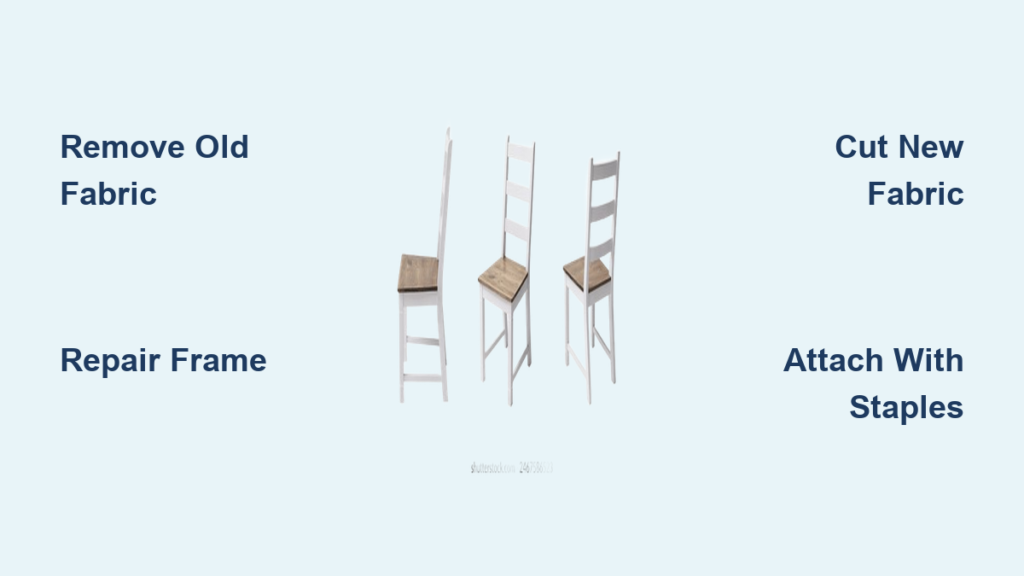
Recovering kitchen chairs can be a daunting task, especially when you’re faced with worn-out upholstery, faded colors, and a general sense of despair. You’ve probably tried to ignore the problem, but the truth is, outdated chairs can make your entire kitchen look tired and uninviting. The good news is that you don’t have to break the bank to give your kitchen a fresh new look. With a little creativity and some elbow grease, you can breathe new life into your old kitchen chairs and make them look like new again.
In this comprehensive guide, we’ll walk you through the process of recovering your kitchen chairs, from preparation to completion. We’ll cover the different types of fabric, foam, and tools you’ll need, as well as provide tips and tricks for achieving a professional-looking finish. By the end of this article, you’ll be equipped with the knowledge and confidence to tackle this project and transform your kitchen into a beautiful and functional space that you’ll love spending time in.
Common Causes of Worn-Out Kitchen Chairs
Before we dive into the recovery process, let’s take a look at some of the common causes of worn-out kitchen chairs:
- Wear and tear: Constant use can cause the upholstery to fade, tear, and lose its shape.
- Spills and stains: Accidental spills and stains can damage the fabric and leave unsightly marks.
- Sun exposure: Direct sunlight can cause the colors to fade and the fabric to deteriorate.
- Poor maintenance: Failure to clean and maintain the chairs regularly can lead to a buildup of dirt, dust, and grime.
Materials and Tools Needed
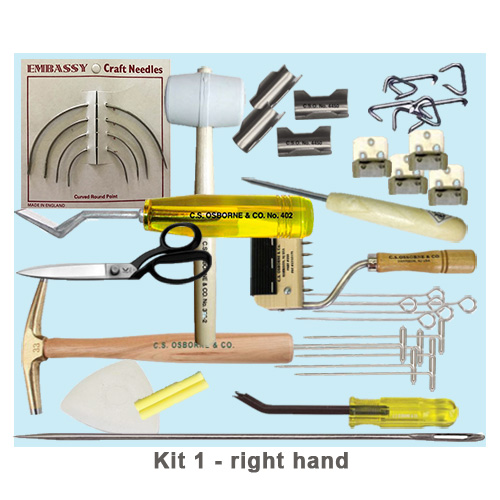
To recover your kitchen chairs, you’ll need the following materials and tools:
| Material/Tool | Quantity | Specifications |
|---|---|---|
| Fabric | 2-3 yards | Choose a durable, stain-resistant fabric that matches your kitchen decor |
| Foam | 1-2 inches thick | High-density foam for comfort and support |
| Batting | 1/4 inch thick | Optional, for added cushioning and comfort |
| Thread | Matching the fabric color | For sewing and stitching |
| Upholstery glue | 1 can | For attaching the fabric to the chair frame |
| Scissors | 1 pair | Heavy-duty scissors for cutting fabric and foam |
| Staple gun | 1 | For attaching the fabric to the chair frame |
| Hammer | 1 | For tapping staples into place |
| Measuring tape | 1 | For measuring the chair and fabric |
| Pencil | 1 | For marking the fabric and chair frame |
Step-by-Step Recovery Process
Recovering your kitchen chairs involves several steps, including:
Step 1: Remove the Old Upholstery
- Use a screwdriver to remove the screws that hold the old upholstery in place.
- Gently pull the old fabric away from the chair frame, taking care not to damage the underlying structure.
- Remove any remaining staples or tacks that hold the old fabric in place.
Step 2: Inspect and Repair the Chair Frame
- Inspect the chair frame for any damage or wear.
- Make any necessary repairs, such as tightening loose joints or replacing broken parts.
- Sand the chair frame to smooth out any rough edges or surfaces.
Step 3: Cut the New Fabric
- Measure the chair seat and back to determine the amount of fabric needed.
- Cut the fabric to size, leaving a 1-2 inch margin around the edges.
- Use a rotary cutter and mat to cut the fabric accurately and efficiently.
Step 4: Attach the New Fabric
- Apply a thin layer of upholstery glue to the chair frame.
- Place the new fabric over the chair frame, smoothing out any wrinkles or air pockets.
- Use a staple gun to attach the fabric to the chair frame, starting from the center and working your way outwards.
Step 5: Add Foam and Batting (Optional)
- Cut the foam to size, using a foam cutter or a serrated knife.
- Place the foam over the chair seat and back, ensuring a snug fit.
- Add a layer of batting over the foam, if desired, for added cushioning and comfort.
Step 6: Reattach the Upholstery
- Use a staple gun to reattach the upholstery to the chair frame, ensuring a tight and even fit.
- Use a hammer to tap any staples into place, ensuring they are secure.
Tips and Tricks

- Use a high-quality fabric that is durable and stain-resistant.
- Choose a fabric that matches your kitchen decor and style.
- Use a foam cutter or a serrated knife to cut the foam accurately and efficiently.
- Apply a thin layer of upholstery glue to the chair frame to ensure a strong bond.
- Use a staple gun to attach the fabric to the chair frame, starting from the center and working your way outwards.
Pro Tips
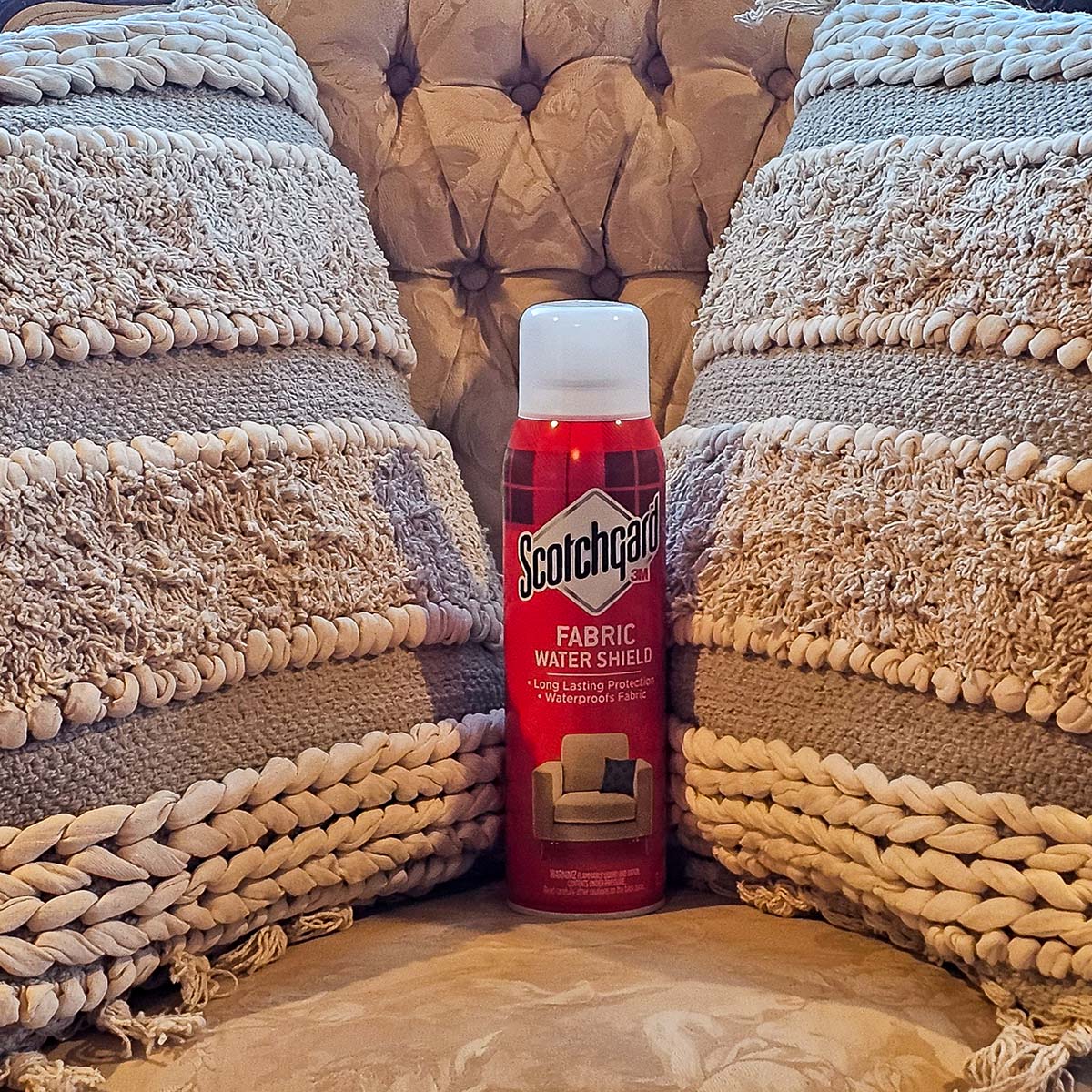
- Use a fabric protector to protect the new fabric from spills and stains.
- Consider adding a layer of Scotchgard or a similar fabric protector to the fabric for added protection.
- Use a foam topper to add extra cushioning and comfort to the chair.
- Consider reupholstering the chair arms and legs for a complete makeover.
Professional Help
If you’re not comfortable with the recovery process or if you’re short on time, consider hiring a professional upholsterer to do the job for you. A professional upholsterer can provide a high-quality finish and ensure that the job is done correctly and efficiently.
FAQ
Q: What type of fabric is best for kitchen chairs?
A: Choose a durable, stain-resistant fabric that is easy to clean and maintain. Consider using a fabric with a high rub count, such as a cotton or polyester blend.
Q: How often should I recover my kitchen chairs?
A: The frequency of recovering your kitchen chairs depends on usage and wear. Consider recovering your chairs every 5-10 years, or as needed.
Q: Can I recover my kitchen chairs myself?
A: Yes, you can recover your kitchen chairs yourself with the right tools and materials. However, if you’re not comfortable with the process or if you’re short on time, consider hiring a professional upholsterer.
Conclusion
Give Your Kitchen Chairs a Fresh New Look
Recovering your kitchen chairs can be a fun and rewarding DIY project that can give your kitchen a fresh new look. With the right tools and materials, you can transform your old, worn-out chairs into beautiful and functional pieces of furniture that you’ll love spending time in. Remember to choose a durable, stain-resistant fabric, use a high-quality foam, and apply a thin layer of upholstery glue to ensure a strong bond. Don’t be afraid to get creative and add your own personal touch to the project. With a little patience and practice, you’ll be able to recover your kitchen chairs like a pro and enjoy a beautiful and functional kitchen for years to come.
Have you recovered your kitchen chairs before? Share your experience and tips in the comments below!


