

Wicker chairs are a beautiful and comfortable addition to any home, whether indoors or outdoors. However, they require regular maintenance to ensure they remain in good condition. Failing to protect your wicker chairs can lead to damage from the elements, pests, and everyday wear and tear. In this article, we will explore the best ways to protect your wicker chairs and keep them looking their best for years to come.
Understanding Wicker Materials

Before we dive into the protection methods, it’s essential to understand the materials used to make wicker chairs. Wicker furniture can be made from various materials, including:
- Rattan: A type of vine that is commonly used to make wicker furniture.
- Bamboo: A lightweight, durable, and eco-friendly material.
- Synthetic wicker: Made from plastic or polyethylene, this material is often used for outdoor furniture.
- Natural fibers: Such as willow, oak, or ash.
Each material has its unique characteristics and requirements for protection.
Common Causes of Damage
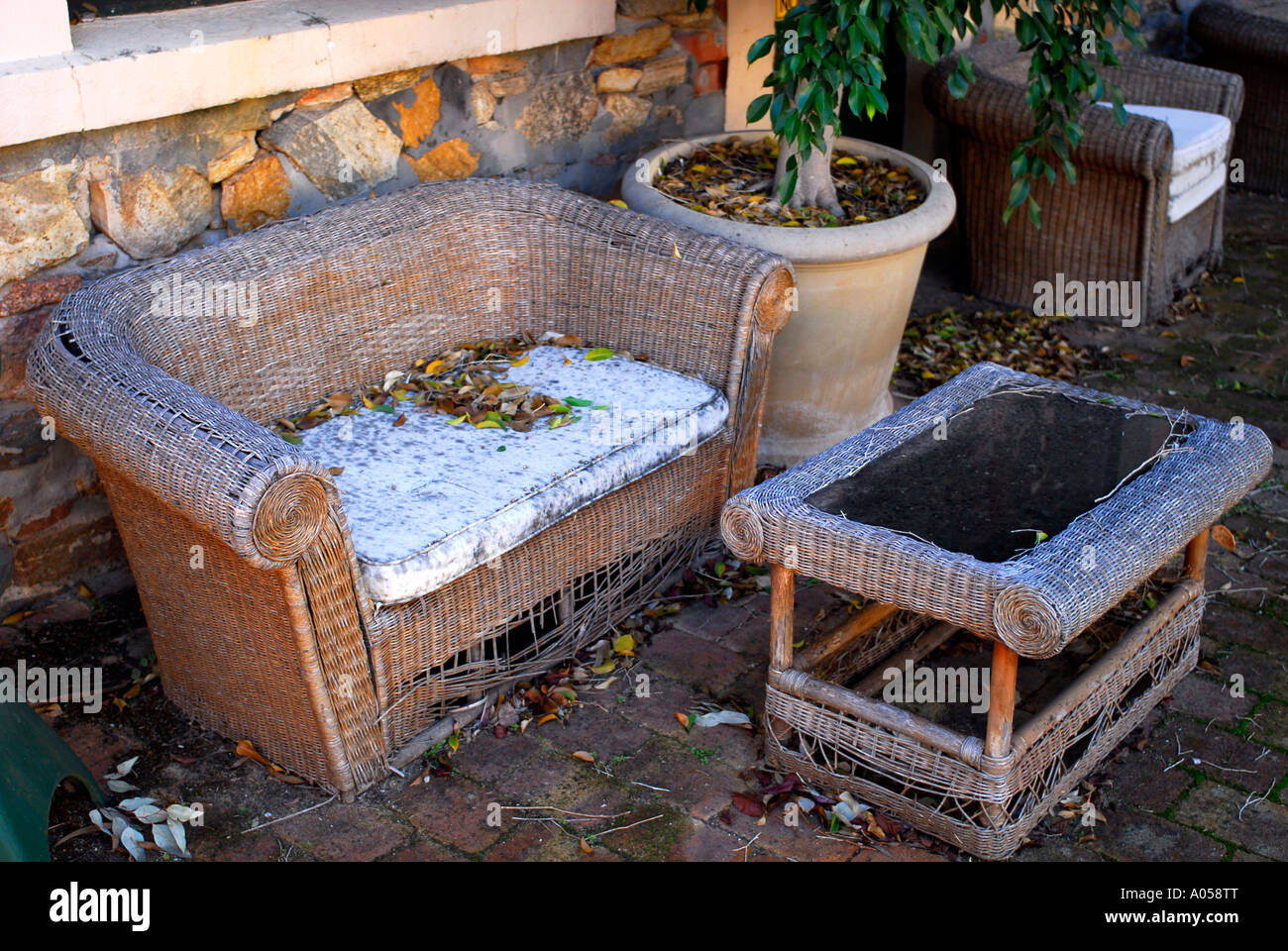
Wicker chairs can be damaged by various factors, including:
- Weather conditions: Sunlight, rain, and extreme temperatures can cause fading, cracking, or warping.
- Pests: Insects like termites, ants, and spiders can infest wicker furniture, causing damage and weakening the structure.
- Mold and mildew: High humidity and poor ventilation can lead to the growth of mold and mildew, which can damage the wicker and create unpleasant odors.
- Everyday wear and tear: Scratches, spills, and heavy use can cause damage to the wicker and the frame.
Methods for Protecting Wicker Chairs
To protect your wicker chairs, follow these methods:
1. Regular Cleaning
Regular cleaning is essential to prevent dirt, dust, and debris from accumulating on the wicker. Use a soft-bristled brush or a vacuum cleaner with a gentle suction setting to remove loose dirt. For more thorough cleaning, mix a solution of mild soap and warm water, and use a soft cloth to wipe down the wicker. Avoid using harsh chemicals or abrasive materials that can damage the wicker.
2. Apply a Protective Coating
Applying a protective coating can help shield your wicker chairs from the elements. You can use a waterproof sealant, a UV-resistant spray, or a natural oil like tung oil or linseed oil. Apply the coating according to the manufacturer’s instructions and reapply as needed.
3. Use a Wicker Protector
A wicker protector is a specialized product designed to protect wicker furniture from the elements. It can be applied to the wicker to repel water, prevent fading, and protect against pests.
4. Store Wicker Chairs Indoors
If possible, store your wicker chairs indoors during extreme weather conditions or when not in use. This will help protect them from the elements and reduce the risk of damage.
5. Use Wicker Chair Covers
Wicker chair covers can provide an extra layer of protection against the elements. Look for covers made from breathable materials like cotton or polyester, and ensure they are waterproof and UV-resistant.
Preventative Measures

To prevent damage to your wicker chairs, take the following preventative measures:
- Avoid placing wicker chairs in direct sunlight: Direct sunlight can cause fading and discoloration.
- Keep wicker chairs away from heat sources: Heat sources like fireplaces, radiators, or heaters can cause drying and cracking.
- Avoid exposing wicker chairs to extreme temperatures: Avoid placing wicker chairs in areas with extreme temperatures, such as near air conditioning or heating vents.
- Use wicker chair glides: Wicker chair glides can help prevent scratching and damage to the floor.
Professional Help
If you’re unsure about how to protect your wicker chairs or if you’ve noticed significant damage, consider consulting a professional. A furniture restorer or a wicker specialist can provide expert advice and help you restore your wicker chairs to their original condition.
FAQ
Q: How often should I clean my wicker chairs?
A: Clean your wicker chairs regularly, ideally every 1-2 weeks, to prevent dirt and debris from accumulating.
Q: Can I use a pressure washer to clean my wicker chairs?
A: No, avoid using a pressure washer, as it can damage the wicker and strip away the protective coating.
Q: How do I remove mold and mildew from my wicker chairs?
A: Mix a solution of equal parts water and white vinegar, and use a soft cloth to wipe down the affected area. Allow the solution to sit for 10-15 minutes before rinsing with clean water.
Q: Can I paint my wicker chairs?
A: Yes, you can paint your wicker chairs, but ensure you use a paint specifically designed for wicker furniture. Follow the manufacturer’s instructions and apply a primer first to ensure better adhesion.
Alternative Solutions
If you’re looking for alternative solutions to protect your wicker chairs, consider the following:
- Wicker chair restoration: If your wicker chairs are damaged or worn out, consider restoring them instead of replacing them.
- Wicker chair replacement: If your wicker chairs are beyond repair, consider replacing them with new ones made from durable materials like synthetic wicker or recycled plastic.
Conclusion
Protect Your Wicker Chairs Today
Protecting your wicker chairs requires regular maintenance, preventative measures, and the right protective products. By following the methods outlined in this guide, you can keep your wicker chairs looking their best and extend their lifespan. Remember to clean your wicker chairs regularly, apply a protective coating, and store them indoors during extreme weather conditions. If you’re unsure about how to protect your wicker chairs or if you’ve noticed significant damage, consider consulting a professional. With the right care and attention, your wicker chairs can remain a beautiful and comfortable addition to your home for years to come.
Have you found this guide helpful? Share your experience with protecting your wicker chairs in the comments below!


