
That ear-splitting squeak every time you settle into your favorite chair isn’t just irritating—it’s a warning sign your furniture needs attention. Whether you’re working from home on a groaning office chair or hosting dinner on a creaky dining set, these noises indicate loose joints, dried lubricants, or worn components. The good news? You can silence most squeaks using basic tools and household items in under 30 minutes. This guide delivers targeted fixes for wooden dining chairs, modern office chairs, and metal frames—no professional help required. Stop enduring the noise and reclaim quiet comfort today.
Pinpoint Your Chair’s Squeak Source in 5 Minutes
Finding the exact squeak origin prevents wasted effort. Different chair types produce distinct noise patterns based on their construction, so targeted diagnosis is crucial before grabbing tools.
Flip and Inspect Like a Pro
Turn your chair upside down and place it securely on a desk or table. Gently rock the frame while listening and feeling for movement—squeaks often manifest as vibrations before becoming audible. Press firmly on the seat, backrest, armrests, and base joints while someone else listens from below. For office chairs, test the tilt mechanism by leaning back; for dining chairs, focus on leg-to-seat connections during weight shifts. Critical tip: If multiple squeaks occur, mark each location with tape before repairs begin.
Squeak Locations by Chair Type
Wooden dining chairs typically scream at:
– Leg-to-seat screw holes that have widened over time
– Dowel joints where stretchers connect to legs
– Wood-on-wood friction points under the seat
Office chairs announce problems through:
– Tilt mechanism pivot points beneath the seat
– Gas lift cylinder base where it meets the wheel assembly
– Wheel axles grinding against bearings
– Backrest hinge brackets during reclining
Metal frames betray wear at:
– Bolt connections between frame sections
– Moving parts rubbing against rusted surfaces
– Spring mechanisms in the seat base
Gather the Exact Tools and Lubricants You Need
Using improper tools risks stripping screws or damaging finishes. Assemble these essentials before starting—most are already in your toolbox or pantry.
Must-Have Tools for Chair Repair
- Screwdrivers: Phillips and flathead matching your chair’s hardware
- Hex key set: Critical for office chair bolts (sizes M4-M8)
- Adjustable wrench: For stubborn nuts on metal frames
- Bar clamps: Essential for holding wooden joints during glue curing
- Shop rags: To wipe excess lubricant and protect surfaces
Pro warning: Never force stripped screws—soak them in vinegar first to dissolve corrosion.
Best Lubricants for Silent Operation
| Lubricant Type | Best For | Application Tip |
|---|---|---|
| Silicone spray | Metal-to-metal joints | Spray directly into pivot points |
| WD-40 Multi-Use | Rusty hardware | Use flexible straw for precision |
| Wood glue | Loose dowel joints | Apply generously before reassembly |
| Mineral oil | Wheel bearings | 2-3 drops per axle shaft |
| Candle wax | Emergency wood fixes | Rub into joints until squeak disappears |
Never use vegetable oil long-term—it attracts dust and turns sticky.
Fix Wooden Chair Squeaks Permanently
:max_bytes(150000):strip_icc()/join6-0bdaca36b2fc492b91f51fa9f8626cab.jpg)
Wooden chairs develop squeaks when joints loosen from humidity changes or daily stress. Temporary fixes fail here—proper repair requires addressing the root cause.
Tighten Loose Hardware Without Stripping Screws
Start with visible screws connecting legs to the seat. Insert the correct screwdriver and turn clockwise only until resistance increases, then stop. Over-tightening strips wood fibers, creating permanent damage. If screws spin freely:
1. Remove the screw completely
2. Dip two toothpicks in wood glue
3. Insert them into the hole
4. Snap off excess flush with the surface
5. Reinsert screw once glue sets (5 minutes)
Time estimate: 10 minutes per leg with this method.
Repair Wobbly Dowel Joints Step-by-Step
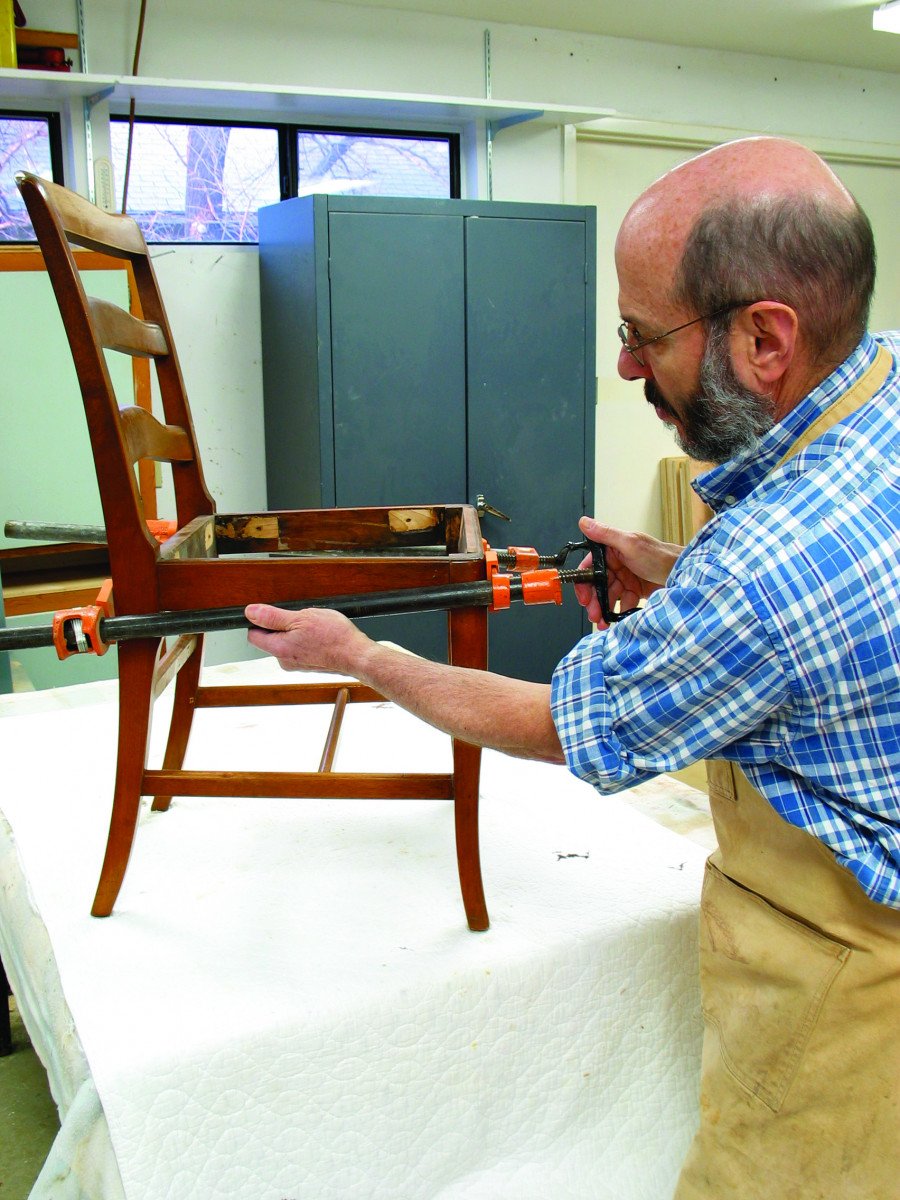
Loose dowel joints cause the worst wooden chair squeaks. For permanent silence:
1. Disassemble: Remove all connecting screws to separate legs from seat
2. Clean: Scrape old glue residue from dowel holes using a utility knife
3. Glue: Coat dowels and holes generously with wood glue
4. Reassemble: Align parts perfectly before inserting
5. Clamp: Apply even pressure with bar clamps for 24 hours
6. Test: Sit gently after curing—no squeak should remain
Visual cue: Wipe excess glue immediately with a damp rag to prevent hardened drips.
Silence Office Chair Squeaks for Good
Office chairs combine multiple moving parts that dry out faster than wooden furniture. Targeted lubrication—not just tightening—stops persistent squeaks.
Tighten Critical Office Chair Bolts

Flip the chair upside down on your desk. Focus on these high-stress points:
– Backrest bolts: 4-6 screws where the back meets the seat
– Tilt mechanism: Large central bolts under the seat base
– Armrest screws: Both top and bottom connections
– Base collar: Where the gas cylinder meets the wheel assembly
Pro tip: Tap bolts with a hammer first to break corrosion before turning. If bolts spin freely, apply thread locker before reinserting.
Lubricate Gas Lift and Tilt Mechanisms Correctly
Spraying lubricant randomly worsens squeaks. Target these exact zones:
– Gas cylinder base: Spray silicone lubricant around the collar where it enters the seat
– Tilt pivot points: Apply WD-40 Multi-Use directly into the mechanism’s hinge slots
– Wheel axles: Remove wheels if possible, lubricate bearings, then spin to distribute evenly
Critical step: After lubricating, adjust the chair height 10 times to work the product deep into moving parts. Wipe drips immediately—oil stains ruin flooring.
Quick Fixes for Immediate Relief
When you need silence now for a meeting or dinner party, these emergency solutions work in under 5 minutes.
Household Items That Stop Squeaks Now
- For wooden chairs: Rub a white candle sideways across squeaky joints—wax penetrates deeper than oil
- For metal chairs: Dab pencil graphite onto rubbing surfaces (it won’t attract dust like oil)
- Urgent office chair fix: Spray hairspray into tilt mechanisms—it dries sticky to bind loose parts temporarily
- Last resort: Sprinkle talcum powder between seat cushions to absorb moisture-induced creaks
Test properly: After applying, sit slowly with increasing weight. If the squeak returns within hours, pursue permanent repairs.
Prevent Future Squeaks With Simple Habits
Most chair squeaks return because owners skip maintenance. Build these habits to keep chairs silent for years.
Monthly Maintenance Checklist
- First of every month: Tighten all visible screws while testing stability
- Quarterly: Apply silicone spray to office chair pivot points
- Biannually: Remove office chair wheels to clean hair/debris from axles
- Yearly: Disassemble wooden chairs to refresh glue in critical joints
Usage hacks: Place a rubber mat under office chairs to reduce wheel stress, and never exceed 225 pounds on standard chairs—overloading accelerates wear.
When to Repair vs. Replace Your Chair
Some squeaks signal deeper problems. Knowing when to walk away saves wasted effort.
Cost-Saving Repair Decisions
Repair immediately if:
– Squeaks disappear after tightening hardware
– Only one wheel or joint is affected
– Parts cost under $20 (e.g., replacement gas cylinders)
– The chair meets your ergonomic needs
Replace instead when:
– Visible cracks appear in wooden frames or metal bases
– Gas cylinders leak visibly or sink uncontrollably
– Multiple components fail simultaneously
– Repairs exceed 40% of a new chair’s cost
Pro calculation: A $15 tube of wood glue fixes most dining chairs permanently. Office chair repairs average $25—compare this to $200+ for quality replacements.
Safety-First Repair Protocol
Rushing repairs risks injury or further damage. Always:
– Flip heavy office chairs with a partner to avoid back strain
– Test repaired chairs against a wall before full sitting
– Allow 24 hours for wood glue to cure completely
– Avoid petroleum-based lubricants near gas cylinders—they degrade seals
Final check: Before declaring victory, sit and lean in all directions while listening for hidden squeaks. Most require a second lubrication pass for complete silence.
Your chair should now operate silently through daily use. Remember that quarterly maintenance prevents 90% of squeaks before they start—spend 5 minutes tightening screws every three months to avoid emergency fixes. For persistent office chair issues, check manufacturer warranties before disassembling complex mechanisms. Now enjoy your newly silent workspace or dining area without that nagging distraction!


