

That sinking feeling when your dining chairs won’t fit in your sedan is universal—whether you’re rescuing a vintage set from a curb or helping a friend move. Most people give up after two failed attempts, but professional movers know chairs always fit with the right strategy. The secret isn’t brute force; it’s precise measurement, strategic positioning, and knowing exactly how to leverage your vehicle’s hidden capacity. By the end of this guide, you’ll transport any chair type—dining, office, or folding—with confidence, avoiding scratches to both furniture and car interior.
Forget guesswork: we’ll reveal the diagonal loading trick that adds 4 inches of usable space, the disassembly hacks for office chairs, and why removing your sedan’s headrests is non-negotiable. These aren’t theoretical tips—they’re daily practices from movers who handle 20+ chair transports weekly. Let’s transform your car into a mobile furniture hauler.
Measure Chairs Before You Move
Dining Chair Dimensions
Standard dining chairs measure 16-20 inches wide at the armrests and 32-36 inches tall. Their deceptive bulk comes from fragile leg joints that snap if pressure isn’t distributed correctly. Stack them upside-down in pairs (2-4 chairs total), ensuring legs interlock like puzzle pieces. Always measure at the widest point—armrests often add 4+ inches over the seat base. Crucially, never force chairs through tight spaces; if the opening is narrower than 36 inches, disassemble legs first using a hex key.
Office Chair Disassembly
Office chairs collapse dramatically when stripped to essentials. Unscrew the gas cylinder from the seat mechanism with a counter-clockwise twist—it requires firm pressure but no tools. Pop out wheels by gripping the base and pulling straight upward; they release with a sharp click. This leaves you with a flat 20-24 inch seat pan and separate backrest, both sliding easily behind your front seats. Skip this step, and you’ll battle wobbling stacks that block visibility.
Folding Chair Advantages
Collapsed folding chairs are space-saving marvels at just 2-4 inches thick. Bundle 4-6 together with bungee cords through their frame holes—this creates a rigid slab that won’t shift during transit. Unlike dining chairs, they won’t wobble when stacked vertically. Pro tip: Place them against your car’s back window first; their flat profile creates a stable wall for bulkier items.
Match Chairs to Your Vehicle

Sedan Fitting Strategy
Sedans have deceptive capacity: trunk openings are typically 36-40 inches wide, but diagonal placement unlocks hidden space. Immediately remove rear headrests—they eat 2-3 inches of crucial clearance. Slide chairs back-first through the folded rear seat pass-through, then rotate them 45 degrees. This angle lets chairs up to 36 inches wide fit where straight placement fails. Never load more than 4 dining chairs this way; overload risks damaging seat latches.
Pro tip: For chairs wider than 36 inches, remove exterior mirrors. This adds 4 inches of clearance and is safer than forcing chairs through the trunk opening.
Hatchback Advantages
Hatchbacks dominate chair transport with their 40-48 inch wide openings and flat load floors. Start by yanking out the parcel shelf—it snaps loose in seconds. Fold rear seats completely flat, creating a seamless surface from dashboard to bumper. This configuration handles 8-10 dining chairs when stacked pyramid-style. Use the cargo tie-down points near the floor to anchor straps—never rely on flimsy cargo nets alone.
SUV Three-Row Setup
SUVs excel with 70-100+ cubic feet of space when both rear rows fold flat. Load chairs upright to protect tall backs—this works for pieces up to 40 inches wide. Position heaviest items (like armchairs) over the rear axle, using built-in D-rings to secure them. Skip roof racks; chairs shift dangerously at highway speeds and void your warranty if they scratch rails.
Minivan Maximum Capacity
Minivans like Chrysler Pacificas offer pickup-truck capacity with seats removed. Their stow-and-go system creates a 4×8 foot flat floor with 48-inch height clearance. Slide chairs through the wide 36-40 inch sliding door legs-first, then rotate upright. This method prevents leg damage from trunk lips and handles entire dining sets (8+ chairs) effortlessly.
Calculate Your Space Precisely
Vehicle Measurement Checklist
Grab a tape measure before loading:
– Door opening (narrowest point): Measure height/width with windows down
– Interior length: From dashboard to closed hatch with seats folded
– Wheel well width: Critical for pickup trucks—often 10 inches narrower than door openings
– Roof height: Floor-to-ceiling clearance with seats removed
Chair-to-Space Formula
Multiply your cargo area’s length × width × height, then deduct 15% for irregular shapes. For diagonal loading, measure from front corner to rear corner of your trunk—this often yields 2-4 inches more than straight measurements. Example: A sedan with a 48-inch diagonal can fit a 36-inch chair where a 40-inch straight measurement fails. Most sedans handle 4-6 chairs; SUVs transport 8-12.
Master Strategic Loading Techniques
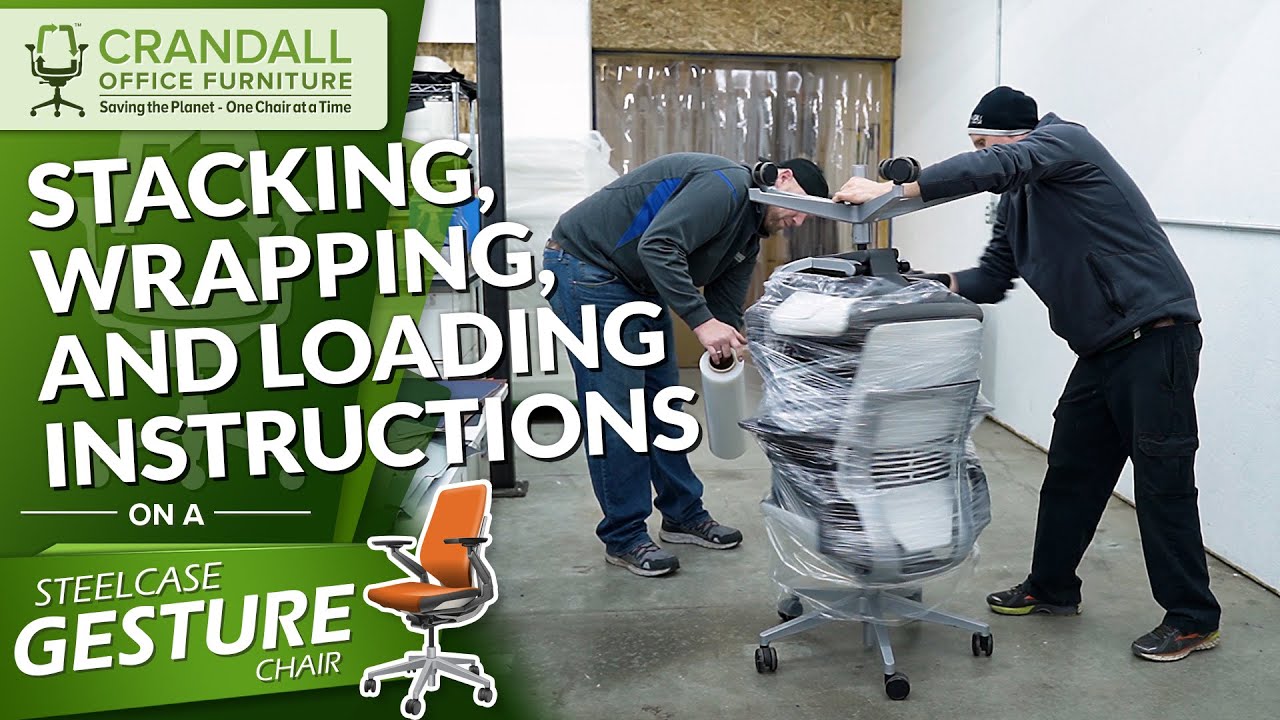
Single Chair Sedan Method
- Clear the trunk—remove all mats and organizers
- Fold the rear seat pass-through and remove headrests
- Slide chair back-first into the trunk opening
- Rotate 45 degrees toward the wheel well
- Position legs upward resting on the trunk floor (never on the seatback)
Dining Set Transport Sequence
For 4-6 chairs:
1. Create base layer: Place 2 largest chairs upside-down, facing opposite directions
2. Add middle layer: Stack 2 chairs right-side-up, nesting legs into base layer gaps
3. Top layer: Final chairs upside-down to lock the pyramid
4. Secure load: Crisscross ratchet straps through anchor points, with blankets between layers
Mixed Chair Optimization
Combine types for gap-free loading:
– Bottom: Disassembled office chair bases (heaviest items)
– Middle: Dining chairs stacked in alternating directions
– Top: Bundled folding chairs
– Fill gaps: Use chair cushions or small stools to prevent shifting
Protect Your Car Interior
Surface Protection System
Line contact points with:
– 6-8 moving blankets (secured with painter’s tape—leaves zero residue)
– Cardboard sheets under dirty chair legs
– Plastic sheeting for wet outdoor chairs
Never skip this: one scratch from a metal chair leg costs $300+ to repair.
Weight Distribution Rules
Place 60% of weight over the rear axle. Heavier items (like wooden armchairs) go on the floor layer—never stack them on top. Keep your center of gravity low; chairs taller than 30 inches risk toppling if loaded vertically in sedans. Always check your vehicle’s payload capacity sticker (usually in the driver’s door jamb)—most chairs weigh 20-50 lbs each, well under the 800-1,500 lb limit.
Handle Common Loading Problems
When Chairs Won’t Fit
Immediate fixes:
– Remove parcel shelves or cargo covers (adds 3 inches depth)
– Take out rear headrests (gains 2-3 inches height)
– Partially disassemble chairs—remove legs with 4 bolts max
– Slide chairs through front passenger windows (for compact cars)
Tight Door Solutions
For chairs wider than door openings:
1. Remove door hinges using a screwdriver (adds 6+ inches)
2. Use furniture sliders under legs to rotate pieces smoothly
3. Temporarily detach exterior mirrors (reinstall in <2 minutes)
Weight Management
Lifting protocol for chairs over 50 lbs:
– Position two people at the chair’s strongest points (seat rails, not legs)
– Lift with legs bent, back straight
– Communicate “lift” and “rotate” commands clearly
– Use a furniture dolly for pieces exceeding 75 lbs
Secure Loads Like a Pro

Strapping Systems
Anchor straps to:
– Sedans: Child seat anchors in the rear deck
– Hatchbacks: Floor-mounted tie-down points
– SUVs: D-rings along cargo walls
– Minivans: Track systems under floor mats
Never tie to headrest posts—they snap under tension.
Stability Check
After loading, push each stack firmly from multiple angles. Any movement beyond 1 inch means re-securing is needed. Fill gaps with foam blocks to eliminate sliding. Test drive at 15 mph first—listen for creaks indicating shifting loads.
Post-Transport Best Practices
Unloading Sequence
Reverse your loading order:
1. Remove securing straps last
2. Clear a 3-foot path from vehicle to destination
3. Inspect chairs immediately for leg joint damage
4. Check car interior for scratches before closing doors
Quick Vehicle Restoration
Revive your car in 10 minutes:
1. Vacuum debris from seats and floor mats
2. Wipe tape residue with isopropyl alcohol on a microfiber cloth
3. Reinstall headrests and cargo covers
4. Test seat folding mechanisms for smooth operation
Final tip: Keep a chair transport kit in your trunk—measuring tape, 3 moving blankets, and 2 ratchet straps solve 90% of fitting challenges. Master these techniques, and you’ll never decline a friend’s “Can you grab these chairs?” request again. The right approach turns even a bulky wingback chair into a manageable load, saving you $150+ in rental truck fees per move.


