
Rope chairs bring coastal charm to any space, but that woven beauty collects dust, pollen, and grime faster than you’d expect. Whether your rope dining chairs have developed mysterious stains or your outdoor lounge chairs look weather-worn after winter, proper cleaning restores their fresh appearance without damaging the delicate fibers. Most homeowners don’t realize that using the wrong cleaning method can permanently damage rope chairs, causing fibers to weaken, fade, or develop unsightly residue.
This guide walks you through proven cleaning methods for both synthetic and natural rope chairs, helping you choose the right approach for your specific furniture. You’ll learn quick daily maintenance routines and deep-cleaning techniques that extend the life of your investment. Without proper care, rope chairs can deteriorate up to 50% faster—especially those exposed to outdoor elements—making regular cleaning essential for preserving your furniture’s appearance and structural integrity.
Why Your Rope Chair Material Determines Cleaning Success

Before applying any cleaning solution, determining your rope material is the single most important factor that affects your cleaning outcome. Using water-based methods on natural fibers without proper drying can cause irreversible shrinkage, while harsh chemicals on synthetic ropes can degrade the material over time. Many homeowners make the critical mistake of treating all rope chairs the same, leading to damaged furniture that requires expensive replacement.
How to Identify Synthetic Rope Chairs
Synthetic rope chairs typically feel slightly plastic or waxy to the touch, with water beading on the surface initially rather than absorbing immediately. The color appears uniform throughout the fiber with minimal variation between strands. Common materials include polyester, polypropylene, and acrylic, which are frequently used for outdoor furniture due to their weather resistance. These chairs often have manufacturer tags indicating “all-weather” or “UV-resistant” properties, though these labels aren’t always visible after purchase.
Natural Rope Identification Techniques
Natural rope chairs feel rough, dry, or slightly hairy when you run your fingers along the strands. They absorb water quickly rather than repelling it, which you can test with a simple water drop. Natural ropes show color variations throughout the material and may have small knots or irregularities in the weave. Common types include jute, sisal, hemp, and cotton, which are more frequently used for indoor furniture due to their susceptibility to weather damage. These chairs often have a more organic, earthy appearance with subtle color differences between strands.
Daily Maintenance That Prevents Major Cleaning Headaches
Vacuum Technique That Protects Rope Integrity
Use your vacuum’s brush attachment daily to prevent dust buildup in rope chair crevices. Work in the direction of the rope weave rather than against it—this simple directional technique takes just 2-3 minutes per chair but prevents ground-in dirt that requires harsh scrubbing later. Many people make the mistake of using the regular vacuum nozzle, which can catch and pull delicate rope fibers, causing premature fraying. For chairs with tight weaves, a handheld vacuum with a narrow crevice tool works best to reach deep between strands without damaging the structure.
Soft Brush Cleaning Method for Quick Touch-Ups
Keep a dedicated soft-bristled paintbrush or makeup brush specifically for rope chair maintenance. Gently brush between rope strands in the direction of the weave, paying special attention to seat crevices where food crumbs and debris accumulate. This daily ritual prevents the grinding action that occurs when people sit on dirty surfaces, which gradually wears down fibers at stress points. Unlike harsh cleaning methods that require complete drying time, this technique can be done between uses with no downtime for your furniture.
Deep Cleaning Synthetic Rope Chairs Without Damage
Creating the Perfect Cleaning Solution
Mix one gallon of warm water with 2-3 drops of mild dish soap, avoiding degreasing formulas that contain harsh additives. The solution should produce minimal suds—excessive bubbles indicate too much soap, which leaves residue that attracts more dirt. Many homeowners ruin their synthetic rope chairs by using household cleaners with bleach or ammonia, which break down the polymer structure over time. For chairs with stubborn stains, add one tablespoon of baking soda to the solution for gentle abrasive action without fiber damage.
Step-by-Step Deep Cleaning Process
Start by testing your solution on a hidden rope section for five minutes to check for colorfastness or adverse reactions. Use a soft-bristled brush to work the solution into the rope using circular motions along the grain—not against it—to avoid fraying. Focus on one 12×12 inch section at a time, keeping it damp but not soaking wet to prevent water from seeping into the frame joints. Rinse thoroughly with clean water until soap residue disappears—this step is critical as leftover soap creates a sticky surface that attracts dirt faster than untreated rope. Allow 24-48 hours for complete air drying in a well-ventilated area away from direct sunlight, which can cause fading and brittleness.
Natural Rope Chair Cleaning Without Causing Shrinkage
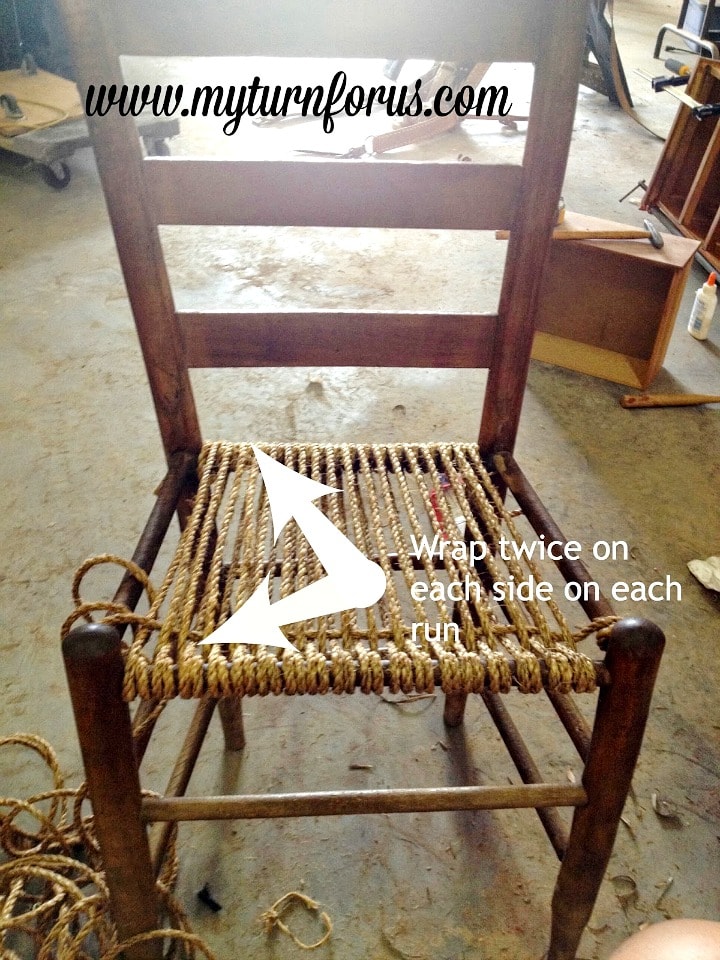
Gentle Cleaning Methods That Preserve Fiber Strength
Natural fibers absorb water and cleaning solutions rapidly, leading to shrinkage or rot if oversaturated. Begin by dry brushing the entire chair with a soft brush to remove loose debris before introducing any moisture. Prepare a light cleaning solution using a spray bottle with a 1:10 vinegar-water mixture, which cleans without harsh chemicals. Mist the solution lightly onto the rope—never saturate—then use a white microfiber cloth to blot gently rather than rubbing, which can distort the weave pattern. Position multiple fans to circulate air immediately after cleaning to accelerate drying and prevent moisture from lingering in the fibers.
Oil Treatment to Prevent Natural Rope Brittleness
After your natural rope chair has completely dried (typically 48-72 hours), apply a light coat of mineral oil to prevent drying and cracking. Dampen a soft cloth with a tiny amount of oil—less than you’d use for leather conditioning—and wipe along the rope direction with light pressure. Immediately remove any excess oil with a dry cloth to avoid attracting dirt. Allow 24 hours for the oil to absorb fully before using the chair, as sitting on oiled rope transfers residue to clothing. This treatment should be performed quarterly for indoor chairs and biannually for protected outdoor pieces.
Seasonal Cleaning Schedule That Extends Chair Lifespan
Spring Refresh Protocol After Winter Storage
Inspect your rope chairs for mold or mildew spots that may have developed during storage—pay special attention to areas where rope contacts metal or wood frames. Vacuum the entire chair including frame joints where moisture can collect. Deep clean using the appropriate method for your rope type, then check for loose or damaged rope sections that need repair before regular use. This seasonal refresh should take no more than 2 hours per chair but prevents small issues from becoming major problems during peak usage months.
Summer Maintenance During Heavy Use Periods
During summer months with frequent entertaining, vacuum your rope chairs after parties or storms to remove pollen, sand, or food debris. Spot-clean spills immediately using the appropriate method for your rope type—delaying treatment by just 30 minutes can turn a simple spill into a permanent stain. Rotate chairs periodically to prevent uneven sun fading, which creates noticeable color variations across the seating surface. Weekly maintenance during summer takes less than 10 minutes per chair but saves hours of deep cleaning later.
Common Cleaning Mistakes That Ruin Rope Chairs
Power Washing Dangers You Must Avoid
Never power wash rope chairs, as the high-pressure water forces moisture deep into frame joints where it can’t evaporate, causing hidden damage. Many homeowners mistakenly believe power washing saves time, but it actually creates long-term problems like rusted metal frames or swollen wood supports. The intense water pressure also separates rope strands at stress points, weakening the chair’s structural integrity. Even “gentle” power washing settings exceed the 5-10 PSI safe limit for rope furniture.
Drying Methods That Cause Irreversible Damage
Drying rope chairs in direct sunlight seems efficient but causes rapid fading and fiber brittleness, especially for natural materials. Many people place cleaned chairs in sun-drenched areas to speed drying, not realizing UV exposure degrades rope strength by up to 30% with each session. Instead, position chairs in well-ventilated shaded areas with fans circulating air around all surfaces. Never fold or store rope chairs while damp—this invites mildew growth that penetrates deep into fibers, making complete removal impossible without professional treatment.
Professional vs. DIY Cleaning Decision Points
When DIY Cleaning Works Best
DIY cleaning is appropriate when stains are fresh (under 48 hours old), the rope shows no structural damage, you have 2-3 hours for the complete process, and weather permits 48-hour drying time. Most common spills like juice, coffee, or food crumbs respond well to immediate DIY treatment. For chairs used regularly but maintained properly, seasonal deep cleaning can be safely handled at home with the right techniques. The key to successful DIY cleaning is catching problems early before they become embedded in the rope fibers.
When to Call Professional Cleaning Services
Contact professionals for antique or expensive rope furniture, mold covering more than 10% of the surface, rope unraveling or significant wear, or unknown stain types like wine or grease. Professionals have specialized equipment that extracts moisture without damaging fibers and proprietary solutions for specific stain types. While professional rope chair cleaning ranges from $75-150 per chair including pickup and delivery, this cost is minimal compared to replacement expenses for high-end furniture. Professionals can often revive chairs that homeowners have damaged through improper cleaning attempts.
Storage Preparation That Prevents Off-Season Damage
Pre-Storage Cleaning Checklist
Never store rope chairs without thorough cleaning, as trapped dirt and moisture accelerate deterioration during storage. Allow 48-72 hours for complete drying using fans to circulate air around all surfaces—this step is non-negotiable for preventing mildew. Use breathable furniture covers rather than plastic, which traps moisture and creates a breeding ground for mold. Store chairs elevated off concrete floors using wooden pallets or furniture risers to prevent moisture wicking from the ground. For stackable chairs, place acid-free tissue paper between contact points to prevent fibers from bonding during storage.
Climate-Specific Storage Solutions
In humid climates, place moisture absorbers like silica gel packs near stored chairs to prevent condensation damage. For cold climates, ensure complete dryness before storage to avoid freeze damage that makes fibers brittle. Coastal area residents should rinse chairs with fresh water monthly during storage to remove salt residue that attracts moisture. Properly stored rope chairs can last up to 10 years longer than those left exposed to elements, making these storage preparations a worthwhile investment in your furniture’s longevity.
Final Maintenance Tips for Long-Lasting Rope Chairs
Clean rope chairs every 2-3 months for outdoor furniture, or monthly during heavy use seasons. Regular light maintenance prevents the need for aggressive cleaning that can damage rope fibers over time. When in doubt about material type or cleaning method, always test in an inconspicuous area first and err on the side of gentler cleaning approaches. Keep a dedicated rope chair maintenance kit with soft brushes, appropriate cleaning solutions, and microfiber cloths ready for quick touch-ups. Most importantly, address spills immediately—waiting even 15 minutes can transform a simple cleaning task into a major restoration project. With proper care, your rope chairs will maintain their beauty and structural integrity for many seasons to come.


