
Your pool chairs sit through relentless sun exposure, chlorine splashes, and constant contact with sweaty skin and sunscreen—yet most people only think about cleaning them when mildew appears or cushions turn an unattractive gray. Without proper maintenance, your poolside seating can deteriorate rapidly, leaving you with sticky armrests, chalky metal frames, and fabric that smells musty even after washing. In just 30 minutes using everyday household supplies, you can restore your pool chairs to like-new condition and implement a simple routine that prevents 90% of common cleaning problems before they start.
This guide delivers material-specific cleaning protocols that address the unique challenges of plastic mesh, aluminum frames, wicker sets, and fabric sling chairs. You’ll learn professional techniques that won’t damage protective coatings, discover time-saving shortcuts that make maintenance effortless, and avoid the most common mistakes that actually accelerate wear and tear. Whether you’re preparing for summer entertaining or rescuing neglected furniture, these proven methods will transform your pool area from grimy to gleaming without expensive professional services.
Identify Your Chair Material Before Cleaning
Plastic Mesh Chairs: Prevent Tears During Cleaning
Plastic mesh chairs trap grime in every tiny square, creating stubborn discoloration that regular wiping can’t remove. Before you begin cleaning, inspect for UV damage by gently bending the mesh—if it feels brittle or cracks easily, you’ll need to use extra care during cleaning to avoid tears. White vinegar works exceptionally well on plastic mesh, cutting through sunscreen residue without bleaching colors or weakening the material. For heavily soiled chairs, create a solution of equal parts white vinegar and warm water, apply with a soft cloth, and let it sit for 10 minutes before gently scrubbing with a soft-bristle brush. This approach removes buildup without damaging the protective UV coating that prevents premature deterioration.
Aluminum Frame Chairs: Eliminate Chalky Oxidation Safely

Oxidation creates unsightly chalky white patches on aluminum frames that make even well-maintained chairs look neglected. Many homeowners reach for abrasive cleaners that actually scratch the protective anodized coating, accelerating corrosion. Instead, use automotive aluminum polish specifically designed for outdoor use—apply with a microfiber cloth using circular motions, then immediately wipe clean with a second dry cloth. This process removes oxidation without compromising the frame’s structural integrity. For routine maintenance, follow polishing with a light coat of automotive wax to create a barrier against future oxidation, significantly extending your chair’s lifespan while maintaining that showroom shine.
Wicker and Rattan Sets: Prevent Hidden Mold Growth
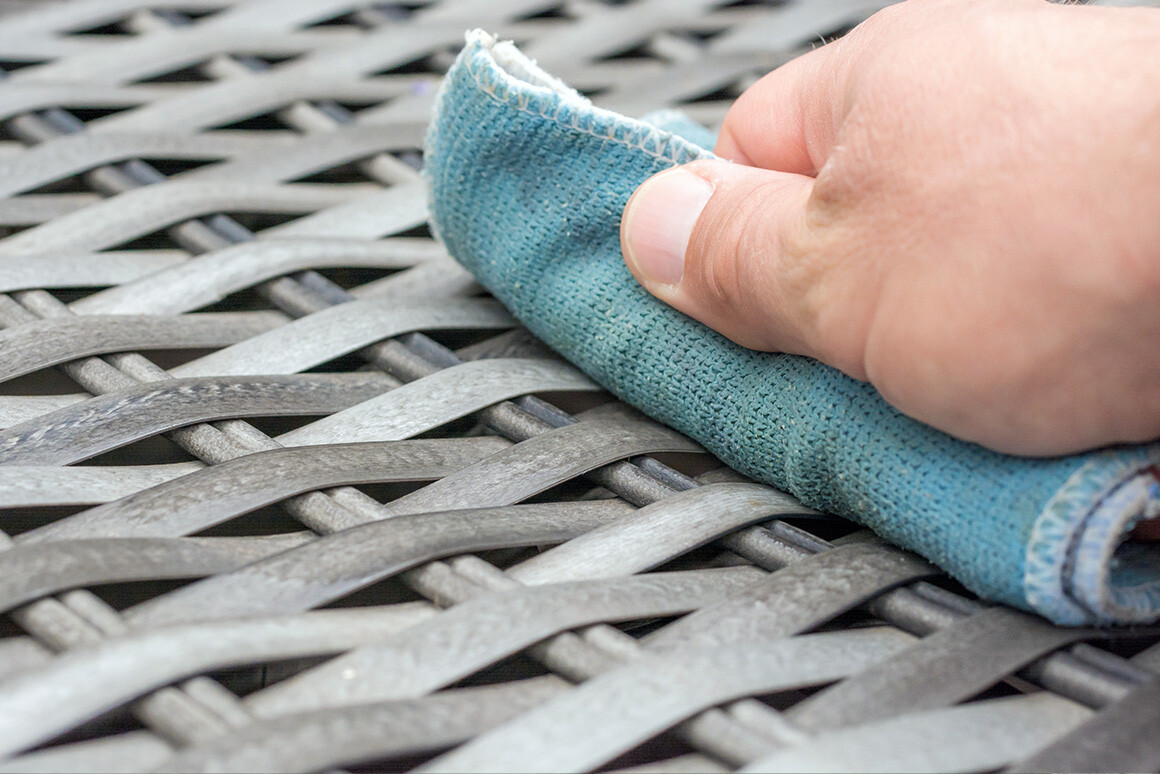
Natural fiber wicker and rattan chairs harbor mold in hidden crevices where moisture gets trapped. Before deep cleaning, test your chair’s sealant by dropping a small amount of water on the surface—if it beads up, your protective coating remains intact; if it soaks in immediately, you’ll need more intensive cleaning plus resealing to prevent internal rot. For routine cleaning, use a soft brush to remove surface debris, then apply a vinegar-water solution with a cloth, working gently into crevices. For chairs with compromised sealant, after cleaning, apply a quality outdoor sealant specifically formulated for natural fibers to protect against future moisture damage and extend your furniture’s life by years.
Cushioned and Fabric Sling Chairs: Protect Against Permanent Staining
Outdoor fabric chairs face unique challenges as chlorine, bird droppings, and tree sap bond permanently if not addressed promptly. Always check care tags first—most high-quality outdoor cushions tolerate diluted bleach solutions, but colored fabrics require gentler approaches to prevent fading. For routine maintenance, remove cushions and shake out debris before cleaning the frame. When cleaning fabric, work from the top down to prevent streaking, and always allow complete drying before reattaching to frames. This prevents mildew growth between the fabric and frame, a common problem that creates persistent musty odors even after surface cleaning.
Build Your Pool Chair Cleaning Arsenal
Essential Supplies for Every Cleaning Session
Every effective pool chair cleaning routine starts with the right tools: a soft-bristle brush (keep an old toothbrush handy for tight spots and intricate details), microfiber cloths (paper towels can leave fibers on metal surfaces), white vinegar and mild dish soap for gentle yet effective cleaning, baking soda for light abrasive scrubbing without damage, a garden hose with adjustable spray nozzle, and rubber gloves to protect your hands from cleaning solutions. These basic supplies handle 90% of pool chair cleaning challenges without resorting to harsh chemicals that damage finishes over time.
Professional Upgrades for Tough Cleaning Jobs
For stubborn stains or neglected furniture, consider these professional-grade additions: Magic Erasers work wonders on plastic stains without scratching surfaces, automotive wax provides superior metal protection compared to generic products, fabric protectant spray creates an invisible barrier against stains on cushions, teak oil maintains wooden accents on premium chairs, and compressed air effectively removes debris from wicker detailing without damaging delicate fibers. These specialized products address specific challenges while extending the time between deep cleaning sessions, making maintenance less frequent and more effective.
Dangerous Cleaning Products to Avoid
Certain common household items can permanently damage your pool chairs. Steel wool destroys protective finishes faster than rust itself. Pressure washers blast protective coatings off metal frames, accelerating corrosion. Bleach solutions weaken fabric fibers over time, causing premature deterioration. Generic all-purpose cleaners often contain ammonia, which clouds plastic surfaces permanently. Never use these products on outdoor furniture—opt for pH-neutral cleaners specifically designed for outdoor use instead, as they effectively clean without compromising protective coatings.
Implement a Daily Maintenance Routine That Works
Two-Minute Evening Chair Refresh Protocol
Develop a simple end-of-day habit that prevents 90% of deep-set stains: remove loose debris with a handheld vacuum or soft brush, wipe armrests with a diluted vinegar solution using microfiber cloths, and flip cushions to ensure even fading and faster drying. This quick routine prevents sunscreen and body oils from bonding permanently to surfaces. For chairs near trees, add a quick inspection for sap or bird droppings—addressing these immediately prevents permanent staining. This minimal time investment pays off significantly by reducing the need for intensive deep cleaning sessions later.
Weekly Deep Cleaning Process
Once weekly, move chairs completely away from pool splash zones to prevent recontamination during cleaning. Hose down entire surfaces thoroughly, focusing on undersides where spiders love to nest and dirt accumulates. Use your soft-bristle brush to gently work cleaning solution into textured surfaces, then rinse completely. Most importantly, dry thoroughly with towels—leaving metal frames wet invites rust in hidden joints that you won’t notice until significant damage has occurred. This weekly attention catches problems early when they’re easy to address, preventing costly repairs or premature replacement.
Eliminate Stubborn Stains with Targeted Solutions
Sunscreen and Oil Residue Removal
Dawn dish soap breaks down oily residues better than specialty cleaners. Apply directly to stains, let sit 10 minutes to penetrate, then scrub gently with a soft brush. Rinse thoroughly—soap residue attracts more dirt if left behind. For plastic chairs with persistent oil stains, create a paste of baking soda and water, apply to the affected area, let sit 15 minutes, then gently scrub and rinse. This dual approach removes even set-in sunscreen without damaging protective coatings.
Bird Droppings on Fabric Chairs
Remove solids with a plastic scraper first to avoid grinding debris into fibers. For white fabrics, mix one tablespoon ammonia with one cup hydrogen peroxide; for colored materials, use diluted oxygen bleach instead. Apply solution with a clean cloth, blotting gently rather than rubbing to prevent spreading. Rinse thoroughly and allow complete drying in direct sunlight, which naturally disinfects and helps eliminate residual odors. This method removes both the stain and bacteria without fading colors or weakening fabric.
Establish a Seasonal Cleaning Schedule That Protects Your Investment
Spring Restoration Protocol

Begin each season by photographing chairs for insurance documentation. Disassemble removable parts completely for thorough cleaning—soak plastic components in warm soapy water for 30 minutes, then gently scrub. Metal frames receive automotive polish treatment followed by protective wax coating to create a barrier against seasonal elements. Inspect all joints and connections for winter damage, tightening loose screws but stopping at resistance to avoid stripping aluminum threads. This comprehensive spring approach ensures your chairs perform optimally throughout the season while catching potential problems early.
Fall Storage Preparation Checklist
Clean chairs completely before storage—dirt attracts moisture, leading to winter mold that’s difficult to remove come spring. Apply a thin coat of light oil to metal joints to prevent seizing during storage. Store cushions in breathable fabric bags rather than plastic, which traps moisture and causes condensation damage. For chairs stored outdoors, use fitted covers that breathe—trapped moisture causes more damage than exposure to elements. Elevate chairs slightly off the ground using blocks to prevent moisture wicking through legs. These simple steps ensure your chairs emerge from storage in the same condition they went in.
Troubleshoot Common Pool Chair Problems
White Chalky Residue on Metal Frames
This indicates mineral deposits from hard water rather than oxidation. Create a solution of equal parts distilled white vinegar and water, soak affected areas for 30 minutes, then gently scrub with a soft brush. Prevent recurrence by drying chairs completely after pool use and applying automotive wax as a protective barrier. Avoid using hard water for rinsing when possible—collected rainwater works well for final rinses as it lacks mineral content.
Persistent Musty Smells in Cushions
Fabrics retain odors in foam padding even after surface cleaning. Remove cushion covers completely and wash separately according to care instructions. Sprinkle baking soda liberally on exposed foam, let sit overnight to absorb odors, then vacuum thoroughly. Sun-dry completely before reassembly—UV rays naturally disinfect and eliminate odor-causing bacteria. For severe cases, consider replacing foam inserts rather than struggling with persistent smells that won’t wash out.
Key Takeaway: Consistent light maintenance prevents 90% of major cleaning challenges. Identify your chair materials once, stock appropriate supplies seasonally, and establish a simple routine. Your pool chairs will maintain their appearance for years, not months, with minimal effort.
Next Steps: Start with the quickest wins—daily debris removal and weekly rinses. Schedule deeper maintenance before peak usage periods. With these professional techniques, you’ll spend less time cleaning and more time enjoying your pristine pool area. For immediate results, focus on eliminating current stains using the targeted solutions outlined here, then implement the maintenance protocols to prevent recurrence.


