

That musty smell hits you first—then you see the fuzzy black patches spreading across your favorite armchair. Mold has moved in, and it’s not just unsightly. Those spores can trigger allergies, respiratory issues, and permanent fabric damage if left untreated. The good news? Most fabric chairs can be saved with the right approach, and this guide walks you through every step.
You’ll learn exactly how to assess the damage, choose safe cleaning methods for your specific fabric type, and prevent mold from returning. Whether you’re dealing with a small spot or extensive growth, these proven techniques work on everything from cotton upholstery to delicate silk blends. By following these methods, you’ll eliminate mold at its roots while preserving your furniture’s integrity.
Identify Mold Infestation Early
Visual signs appear before you smell anything. Check your chairs weekly for discolored patches—black, green, white, or brown fuzzy spots that seem to grow overnight. Run your hand over suspicious areas; healthy fabric feels smooth, while mold creates powdery or slimy textures. Don’t wait for visible signs—mold thrives in hidden spots you rarely inspect.
Hidden colonies thrive where you rarely look. Pull cushions away from chair backs and check seams where fabric meets frame. The underside of seats, areas pressed against walls, and spots beneath throw pillows often harbor the worst infestations. Use a flashlight at an angle to reveal shadows indicating growth you might miss under normal lighting. These dark, damp spaces provide perfect mold breeding grounds with minimal airflow.
That distinctive musty odor means active colonies. If you notice an earthy, damp smell when sitting down, mold has already established itself deep in the fibers. Trust your nose—odor often appears 24-48 hours before visible signs develop. This early warning gives you time to intervene before the problem becomes severe and widespread.
Decide: Clean or Replace Your Chair
Replace immediately if you spot these red flags: Mold covering more than a dinner plate-sized area (10+ square feet), spores penetrating foam cushions or padding, fabric showing rotting or holes, chairs affected for months or years, or household members with severe mold allergies. These conditions indicate the damage is too extensive for safe DIY treatment.
Salvage is possible when: Surface mold covers small, localized areas, growth is recent (within days to weeks), fabric remains structurally sound, the chair has removable, washable covers, and you’re willing to invest 2-4 hours in proper treatment. Most household mold issues on fabric chairs fall into this category and respond well to careful cleaning.
Quick test for salvageability: Press a tissue against the moldy area for 10 seconds. If it comes away damp, moisture has penetrated deep and professional help may be needed. Dry patches mean surface-only contamination—perfect for DIY cleaning. This simple test helps you avoid wasting effort on chairs beyond saving.
Essential Safety Equipment Setup
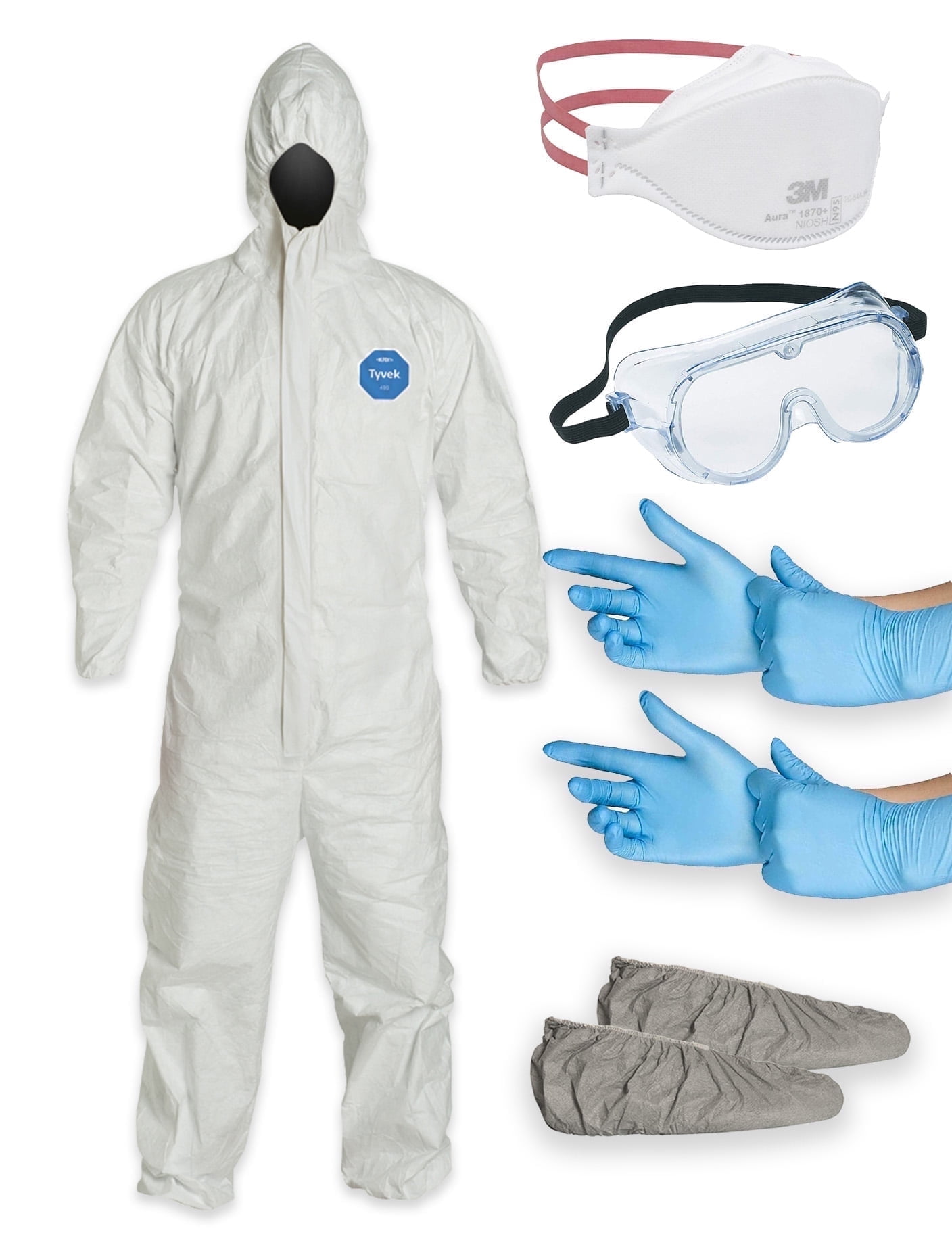
Never skip protection—mold exposure can hospitalize sensitive individuals. Assemble these items before touching contaminated furniture: N-95 respirator mask (not basic dust masks), nitrile gloves (avoid latex), safety goggles without ventilation holes, long sleeves and pants you can wash separately, and closed-toe shoes you’ll disinfect later. Proper protection prevents you from inhaling dangerous spores during the cleaning process.
Create a contamination zone outdoors when possible. Move the chair to a driveway, patio, or garage with excellent airflow. If indoor cleaning is necessary, seal off the room with plastic sheeting, open all windows, and position fans to blow air outside—not deeper into your home. This containment strategy prevents mold spores from spreading throughout your living space.
Protect surrounding areas religiously. Lay down plastic drop cloths extending 3 feet beyond the chair in all directions. Remove nearby rugs, curtains, or fabric items that could catch drifting spores. Keep pets, children, and immunocompromised individuals away until treatment is complete. These precautions minimize the risk of secondary contamination.
Pre-Clean Mold Removal Steps
Remove loose spores before applying any liquids. Take the chair outside if possible. Using a stiff-bristled brush, gently sweep fabric in the direction of the weave. Work systematically from top to bottom so spores fall away from cleaned areas. This dry removal step prevents spreading mold during the wet cleaning phase.
HEPA vacuuming prevents spore spread. Use a vacuum with HEPA filtration—regular vacuums simply redistribute spores through exhaust. Vacuum every surface thoroughly, including crevices and seams. Immediately seal the vacuum bag in plastic and dispose outdoors. If using a bagless model, empty the canister into a sealed bag and disinfect thoroughly. This specialized equipment captures microscopic spores that would otherwise remain airborne.
Brush technique matters for fabric preservation. Use medium pressure—you’re removing spores, not grinding them deeper. Rinse your brush in clean water every few minutes to prevent recontamination. Shake excess water away from your face and body. Proper technique ensures you remove mold without damaging the fabric’s integrity.
Choose Your Cleaning Solution
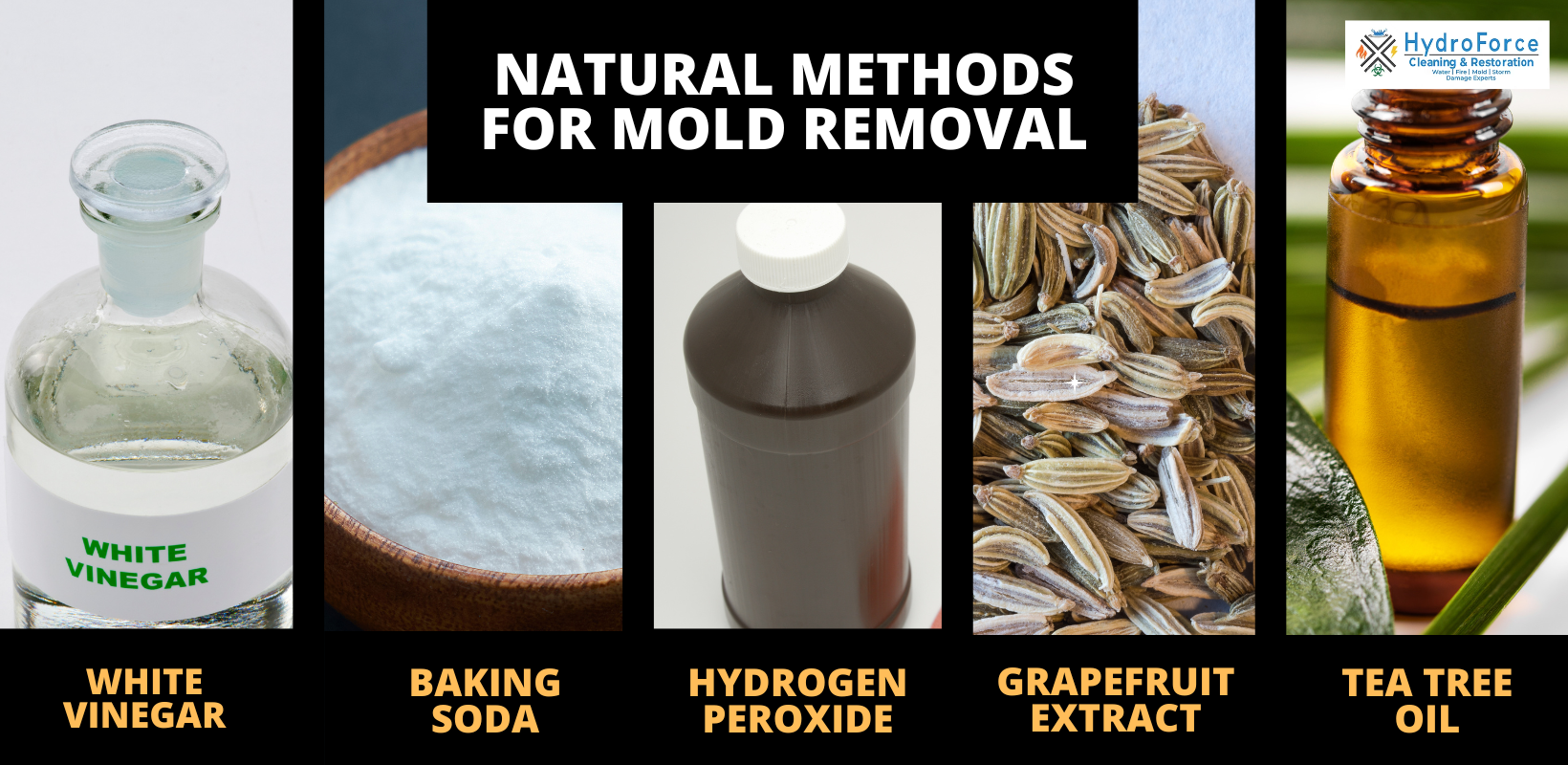
White Vinegar: Powerful Natural Remedy
Mix this proven formula: 1 cup white distilled vinegar, 1 cup warm water, and 10 drops tea tree oil (optional antifungal boost). This solution kills mold roots while being gentle on most fabrics. Fill a spray bottle and liberally coat moldy areas until fabric is damp but not soaked. Let dwell for 2-3 hours minimum—the acid kills mold roots while the water carries away residue. Scrub gently with a soft brush, rinse with clean water, and blot dry thoroughly. Vinegar’s mild acidity neutralizes mold without harsh chemicals.
Baking Soda Paste for Stubborn Spots
Create this gentle abrasive: ½ cup baking soda, 2-3 tablespoons water (adjust for spreadable consistency), and 1 tablespoon liquid dish soap. Apply paste directly on mold spots, working it in with a soft brush using circular motions. Let dry completely (6-8 hours), then vacuum thoroughly. The paste absorbs odors while the mild abrasive lifts staining without damaging fabric. Baking soda’s alkaline nature counteracts mold’s acidic environment, making it harder for regrowth.
Deep Clean Process: Phase by Phase
Phase 1: Kill Mold Roots
Saturate strategically: Apply your chosen solution 2-3 inches beyond visible mold to reach invisible spore networks. Use enough liquid to penetrate fibers without soaking padding underneath. Work in small sections for better control. Natural solutions need 1-3 hours for complete mold death—never rush this critical step. Cover treated areas with plastic wrap to prevent premature drying in hot conditions. This extended dwell time ensures you destroy mold at its roots, not just the surface.
Phase 2: Mechanical Removal
Scrub direction prevents spreading: Start scrubbing from the outside edge of moldy areas, working toward the center. This technique contains spores instead of pushing them into clean fabric. Use circular motions with medium pressure. Rinse technique removes dead mold: use clean, damp cloths to blot away residue. Change cloths frequently—once a cloth picks up visible mold, it becomes a contamination source. Continue blotting until cloths come away clean and odor-free. Proper mechanical removal extracts dead mold without redepositing spores.
Dry Completely to Prevent Return
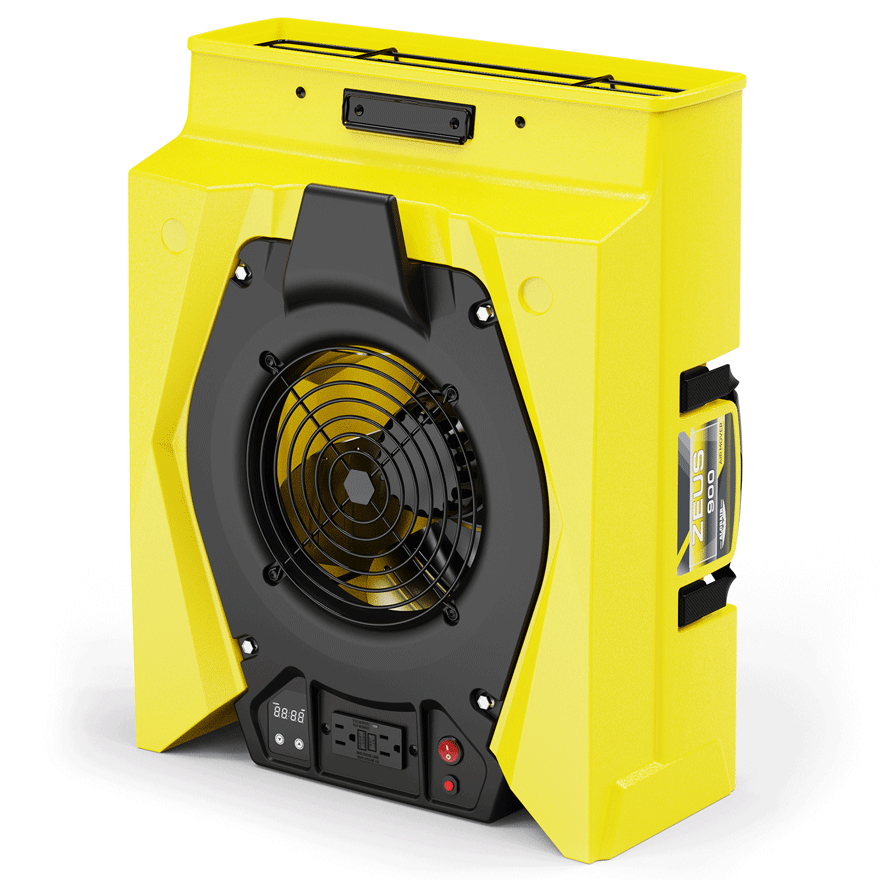
Air drying requires patience but prevents damage: Position fans to circulate air around all chair surfaces. In outdoor settings, natural breeze accelerates drying. Indoor drying needs 24-48 hours minimum—rushing this step guarantees mold regrowth. Complete dryness is non-negotiable; even slight moisture invites immediate regrowth.
Test dryness with tissue paper: Press a tissue against fabric in multiple areas. If it remains completely dry after 10 seconds, you’re ready for the next step. Slight dampness means more drying time is needed. This simple test prevents premature reassembly that could trap moisture.
Accelerate safely with these methods: Use a dehumidifier in enclosed spaces, position multiple fans for cross-ventilation, never use heat guns or hair dryers on hot settings, and lift cushions to allow airflow underneath. These techniques speed drying without damaging fabric or setting stains.
Prevention: Keep Mold Away Forever
Control humidity below 50%: Install digital hygrometers in rooms with fabric furniture. Run dehumidifiers during humid months and ensure proper ventilation in basements or enclosed spaces. Empty dehumidifier reservoirs daily to prevent becoming mold sources themselves. Humidity control addresses the root cause of mold growth.
Weekly maintenance prevents new growth: Vacuum upholstery using brush attachments, rotate cushions to ensure even wear and airflow, spot clean spills immediately—mold can start within 24 hours, and keep fabric 6+ inches from walls to improve circulation. These simple habits create an environment where mold cannot establish itself.
Seasonal deep cleaning schedule: Professional upholstery cleaning every 12-18 months removes accumulated spores before they establish colonies. Between professional visits, deep clean high-use chairs every 3-4 months using the methods outlined above. Regular maintenance keeps your fabric chairs looking fresh while preventing mold problems before they start.
Final Takeaway: Mold on fabric chairs responds quickly to proper treatment, but only when you address both the visible problem and underlying moisture source. Work systematically through identification, protection, treatment, and prevention phases. Most importantly, never let fabric stay damp—complete dryness is your strongest defense against future mold invasion.


