

Your metal folding chairs look tired after last weekend’s barbecue—sticky soda rings, mysterious grease spots, and that orange tinge creeping along the legs. Sound familiar? Before you consider replacing them, deep cleaning can restore their shine and extend their life for years. This guide walks you through proven methods to transform grimy chairs into spotless seating, whether they’re powder-coated steel for your patio or chrome-plated aluminum for events. Learning how to clean metal folding chairs properly saves money and keeps your seating looking professional for any occasion.
Identify Your Chair’s Metal Type and Finish
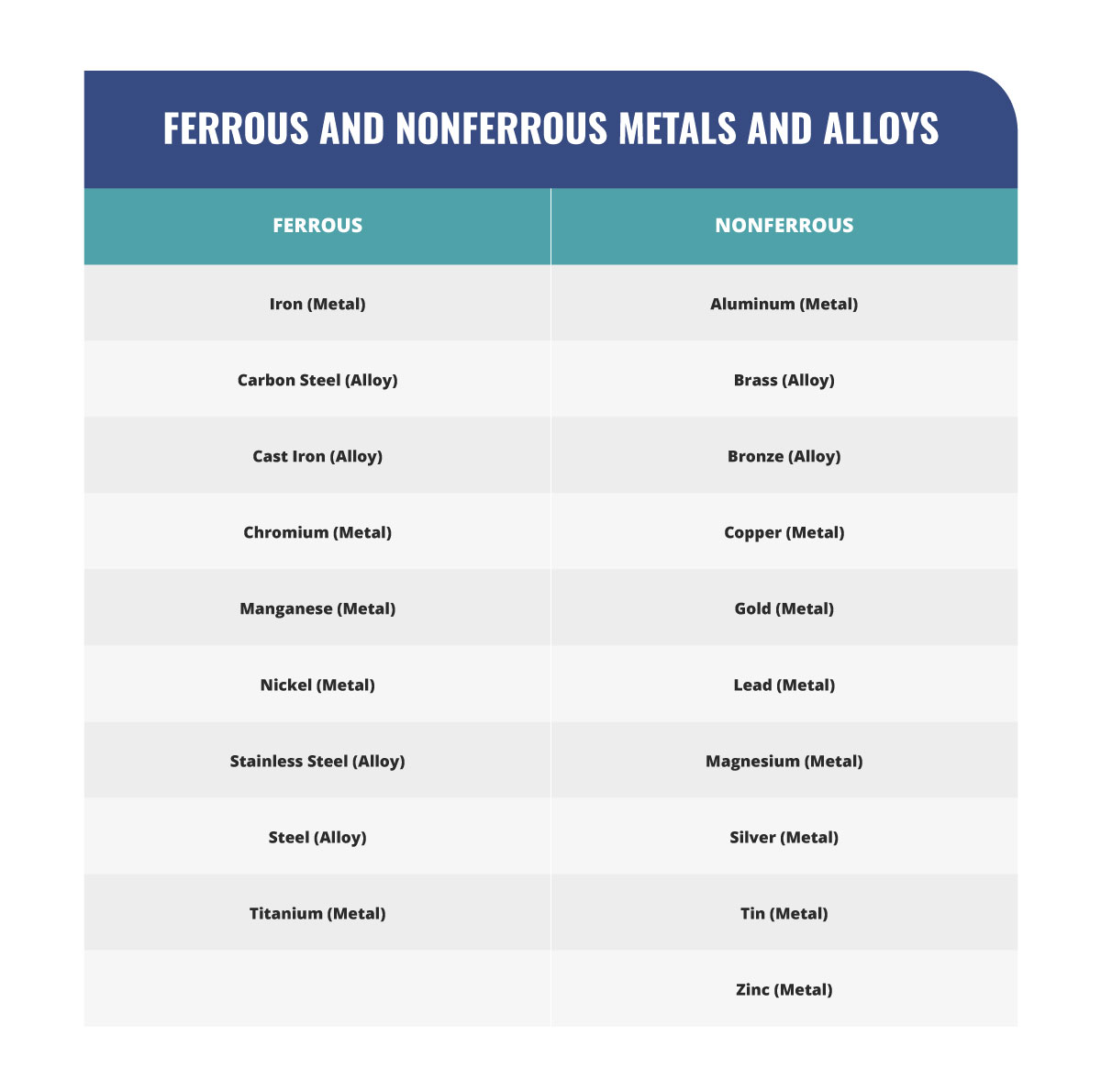
Steel vs. Aluminum: The Magnet Test
Grab a refrigerator magnet and hold it against your chair’s leg. If it sticks firmly, you’re working with steel—typically powder-coated for outdoor use. No magnetic pull? You’ve got aluminum, which is lighter and naturally corrosion-resistant. Chrome-plated chairs reflect like mirrors and feel cool to the touch, while painted finishes show visible brush strokes or texture variations. This simple identification step prevents costly mistakes—using the wrong cleaner on aluminum can strip its protective layer permanently.
Key visual identification points:
– Steel: Heavy weight, magnetic, often textured powder-coated finish
– Aluminum: Lightweight, non-magnetic, smooth anodized surface
– Chrome: Mirror-like reflection, cool metallic feel
– Cast Iron: Extremely heavy, prone to orange rust spots
Damage Inspection Before Cleaning
Before grabbing any cleaning supplies, spend 30 seconds per chair checking critical areas. Look for orange rust spots around joints, chipped paint exposing bare metal, and loose screws at connection points. Gently shake each chair—excessive wobbling indicates structural issues that need addressing before cleaning. Pay special attention to the folding mechanism where dirt accumulates; forcing a stiff chair can cause permanent damage. This quick assessment prevents you from worsening existing problems during the cleaning process.
Gather the Right Cleaning Supplies
Basic Cleaning Kit for Routine Maintenance
For most cleaning jobs, keep these essentials on hand:
– Two microfiber cloths (one damp, one dry)
– Soft-bristled toothbrush for tight spaces
– Mild dish soap like Dawn diluted in warm water
– Small bucket for your cleaning solution
– Compressed air to blast debris from hinges
Pro tip: Keep a dedicated chair cleaning kit in your storage area so you’re always ready for quick cleanups after events. Having supplies immediately available encourages regular maintenance that prevents buildup.
Specialized Tools for Tough Jobs
When facing heavy grime or rust:
– White vinegar for mineral deposits and water spots
– 0000-grade steel wool (only for light rust on steel)
– Chrome-specific polish for plated surfaces
– Silicone spray lubricant for folding mechanisms
– Touch-up paint matching your chair color
Critical safety gear: Always wear nitrile gloves and safety glasses when using chemical cleaners, especially rust removers. Old clothes are essential—cleaning metal chairs gets messy!
Clean Folding Chairs in 5 Minutes Flat
Daily Dust Removal Technique
Start with chairs fully opened on a flat surface. Wipe all surfaces following the metal grain using a dry microfiber cloth—this traps dust instead of spreading it. Pay special attention to the seat crevices and folding mechanism where crumbs hide. Finish with short bursts of compressed air into hinge areas to dislodge stubborn debris. This quick routine prevents dirt buildup that leads to permanent staining.
Immediate Spill Response Protocol
For fresh spills: blot immediately with a dry cloth—never rub, which spreads the mess. Mix one teaspoon dish soap with warm water, lightly dampen a cloth, and gently clean the affected area. Follow with a water-dampened cloth to remove soap residue, then dry thoroughly with a clean towel. Quick action prevents sticky residues from bonding with the finish and causing long-term damage.
Deep Clean Heavily Soiled Metal Chairs
Degrease Stubborn Outdoor Grime
For chairs with baked-on grease from patio use:
1. Mix Simple Green degreaser per label instructions
2. Apply with soft-bristled brush, focusing on textured areas
3. Let solution sit for 5 minutes to break down grime
4. Gently scrub problem areas without scratching
5. Wipe clean with water-dampened cloth
6. Immediately dry all joints to prevent moisture damage
Eliminate Tough Stains Without Damage
For water spots on chrome: Soak a cloth in equal parts white vinegar and water, lay on spots for 2 minutes, then buff with dry microfiber. For rust on steel chairs: Apply lemon juice to the spot, sprinkle salt, wait 10 minutes, then gently scrub with 0000 steel wool. Always test any method on a hidden area first—some finishes react unexpectedly to common household solutions.
Surface-Specific Cleaning Methods
Powder-Coated Steel Chair Care
Avoid abrasive cleaners at all costs—they permanently scratch the protective layer. Stick to pH-neutral soap solutions and soft cloths only. For chips exposing bare metal: Clean the area thoroughly, then apply matching touch-up paint with a toothpick. Let dry 24 hours before using the chair to ensure proper adhesion.
Chrome Plating Revival Process

Chrome requires specialized treatment—never use abrasive cleaners. Apply chrome-specific polish (like Mother’s) with a microfiber cloth using circular motions. For light scratches, buff with chrome polish to minimize visibility. Finish with a chrome protectant spray to create a barrier against future water spots and maintain that mirror finish.
Prevent Rust Before It Destroys Your Chairs
Early Rust Detection and Treatment

Check chairs monthly for telltale orange spots, especially around scratches or joints. For surface rust:
1. Sand lightly with 400-grit wet/dry sandpaper
2. Wipe clean with denatured alcohol
3. Apply rust converter with cotton swab
4. Touch up with matching paint after 24 hours
Critical warning: Never store chairs directly on concrete floors—they wick moisture that accelerates rust formation. Always elevate chairs on pallets or shelves in storage areas.
Lubricate Folding Mechanisms Properly
Fully open the chair and spray silicone lubricant (not WD-40, which attracts dirt) into all pivot points. Open and close the chair 10 times to distribute the lubricant evenly through the mechanism. Wipe away excess with a paper towel—too much lubricant becomes a dirt magnet. This simple step prevents squeaks and ensures smooth operation for years.
Upholstery Cleaning for Fabric-Seated Chairs
Fabric Seat Revival Method
Vacuum crevices thoroughly with an upholstery attachment first. Mix fabric cleaner per instructions, test on a hidden area, then clean the entire seat surface. Rinse by blotting with a water-dampened cloth, never soaking. Crucial step: Allow fabric seats to air dry completely in a well-ventilated area—trapped moisture leads to mildew that ruins both fabric and frame.
Vinyl Seat Maintenance
Use a mild soap solution on vinyl surfaces, rinsing thoroughly with a clean water-dampened cloth. Apply vinyl conditioner quarterly to maintain flexibility and prevent cracking. For stubborn stains: Dab with diluted rubbing alcohol on a cotton ball, then immediately rinse with water to remove residue.
Post-Cleaning Protection Techniques
Apply Protective Coatings
After chairs dry completely, spray metal surfaces with a rust inhibitor like Boeshield T-9. For outdoor chairs, add UV-protectant spray to both metal and fabric surfaces. These treatments create invisible barriers that repel moisture and slow oxidation, typically lasting 3-6 months depending on exposure.
Proper Storage for Longevity
Store chairs folded in a dry location, elevated off the floor on pallets or shelves. Use breathable cotton covers—not plastic which traps condensation. Never stack more than 10 chairs vertically, as this stresses the frames. Climate-controlled storage prevents the temperature fluctuations that accelerate metal fatigue.
Troubleshoot Common Cleaning Problems
Persistent Grease Stain Solution
Tree sap or automotive grease requires mineral spirits. Apply sparingly with a cotton swab, let sit 2 minutes, then wipe clean. Follow immediately with a dish soap wash to remove solvent residue. Important: Test on a hidden area first—some finishes react poorly to solvents.
Coating Damage Recovery
If paint peels during cleaning: Stop immediately. Lightly sand the affected area, clean thoroughly, then apply matching touch-up paint. For chrome flaking, professional re-plating is the only permanent solution—DIY fixes won’t restore the mirror finish.
Seasonal Maintenance Schedule
Spring Deep Clean Protocol
After winter storage: Inspect for moisture damage, deep clean all surfaces, treat any rust spots, lubricate mechanisms, and apply fresh protective coatings. This restores chairs for heavy summer use and prevents small issues from becoming major problems.
Fall Storage Preparation Checklist
Before storing for winter: Complete thorough cleaning, ensure 100% dryness, apply fresh lubrication to all moving parts, and spray with rust inhibitor. Store elevated off concrete, covered with breathable material, in a dry location. This prevents winter moisture damage that leads to spring rust outbreaks.
Clean metal folding chairs properly, and they’ll serve faithfully for decades. The key lies in matching cleaning methods to your chair’s specific materials and addressing problems promptly before they escalate. Start with the gentlest effective method, work systematically, and maintain that shine with quarterly deep cleans. Your chairs—and your wallet—will thank you.


