
That first warm day of summer hits, and you drag your garden chairs outside—only to find them crusted with pollen, streaked with bird droppings, or covered in stubborn mildew. You grab a sponge and some all-purpose cleaner, only to waste hours scrubbing without results. This isn’t just about appearances; neglected garden chairs deteriorate faster, harbor allergens, and can even become unsafe. Stop guessing which methods work for your specific chair material. You’ll discover exactly how to clean plastic, wood, metal, and wicker chairs using proven techniques that remove grime without causing damage—all with supplies you likely already own.
Fix Yellowed Plastic Chairs in 20 Minutes (No Special Cleaners Needed)

Plastic garden chairs turn yellow or develop white oxidation from sun exposure and mineral deposits. Most people reach for harsh chemicals, but dish soap and baking soda solve 90% of discoloration. Start by stacking chairs and hosing them down to blast debris from drainage holes under seats. Mix ¼ cup mild dish soap per gallon of warm water, then scrub in circular motions with a soft-bristled brush—focus on armrest undersides where sunscreen and oils accumulate. For yellowed white plastic, create a paste with 3 tablespoons baking soda and 1 tablespoon water. Apply thickly to affected areas, let sit for 15 minutes in direct sunlight (UV boosts whitening), then scrub and rinse. Avoid pressure washers—they crack brittle plastic. Critical mistake: Skipping thorough rinsing. Soap residue attracts dirt faster, making chairs grimy within days.
Erase Mold Without Bleach Damage
If mold appears as black spots on shaded chair surfaces, skip bleach for colored plastic—it fades pigments. Instead, mix equal parts white vinegar and water in a spray bottle. Saturate moldy areas, wait 10 minutes, then scrub gently. For white plastic with heavy mildew, use the bleach solution (1 part bleach to 10 parts water), but never exceed a 10-minute dwell time. Rinse immediately with clean water and dry in full sun for 2 hours to kill lingering spores. Always wear gloves—vinegar and bleach both irritate skin.
Stop Wood Chair Rot Before It Spreads
Weathered wood chairs develop gray patina or mold in grain cracks, but aggressive scrubbing ruins the surface. Never power-wash wooden Adirondacks—high pressure forces water into joints causing swelling and rot. Start by vacuuming pollen from crevices using a brush attachment. Mix 2 drops dish soap in a quart of warm water, then wipe along the wood grain with a barely damp microfiber cloth. Immediately dry with a second cloth to prevent water absorption. For teak chairs with stubborn grime, use a dedicated wood cleaner, but test it on a hidden spot first. Apply with a soft brush following the grain direction, then rinse with low-pressure hose spray. After 48 hours of complete drying, lightly sand rough areas with 120-grit paper before applying teak oil.
Eliminate Mold on Vintage Wood Chairs
Heavy mold requires immediate action to prevent structural damage. Combine 1 cup white vinegar with 1 gallon warm water. Generously apply with a spray bottle, wait 5 minutes, then scrub with a soft-bristled brush (never wire brush—it scars wood). Rinse thoroughly and place chairs in direct sunlight for 4 hours. For valuable antique wood chairs, skip DIY methods—consult a restoration specialist to avoid irreversible damage from improper cleaning.
Wipe Away Rust on Metal Chairs in 15 Minutes
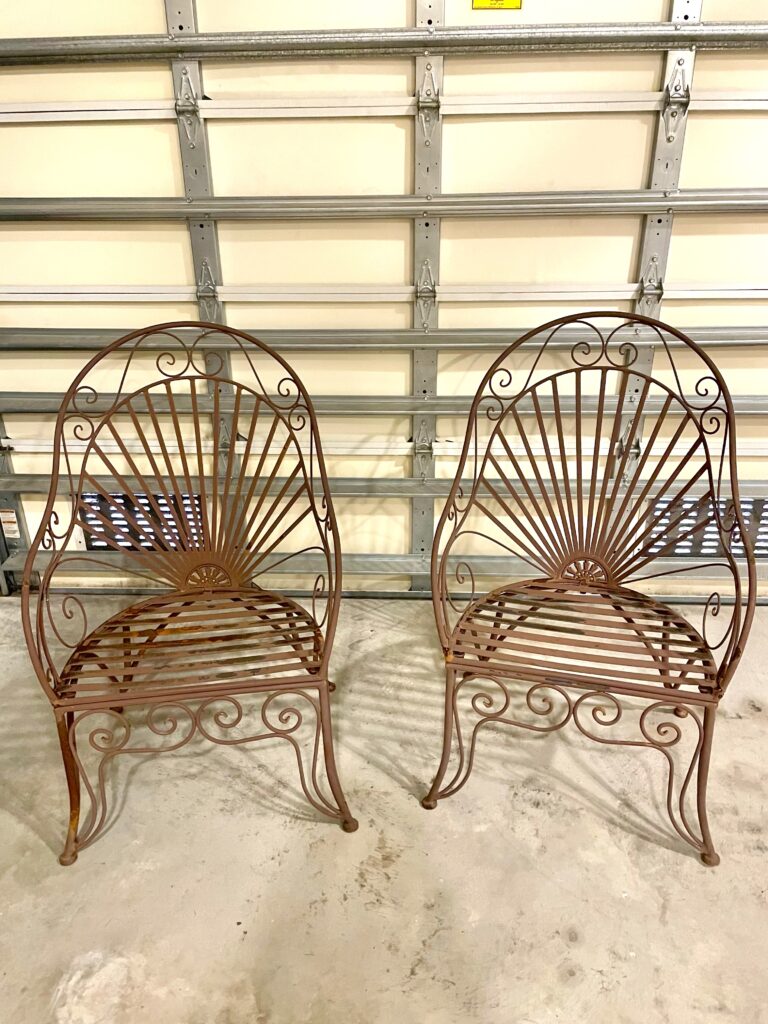
Rust spreads rapidly on wrought iron chairs once it starts, but you can stop it with basic tools. Begin by removing loose rust with fine steel wool (0000 grade) or a wire brush—scrape only until bare metal appears. Never sand through protective coatings. Mix mild dish soap in warm water, wash the entire frame, then rinse and dry completely with a microfiber cloth. For stubborn rust spots, sand lightly with 400-grit paper, apply rust converter per label instructions, then touch up with matching outdoor paint. Aluminum chairs develop chalky white oxidation—use aluminum brightener sparingly, rinse immediately, and apply car wax quarterly to prevent recurrence. Stainless steel needs only weekly wiping with a vinegar-water solution (1:1 ratio) in the direction of the grain.
Prevent Rust Before It Starts
After cleaning, apply mineral oil or car wax to all metal surfaces. This creates an invisible barrier against moisture. Check chairs monthly for paint chips—address scratches immediately with touch-up paint. During rainy seasons, store chairs under a breathable canopy instead of plastic covers, which trap humidity and accelerate rust.
Revive Wicker Chairs Without Warping
Natural wicker swells and cracks if soaked, but synthetic resin wicker withstands deeper cleaning. For natural rattan, vacuum first with a brush attachment, then dip a cloth in mild soap solution (2 drops soap per quart water), wring until nearly dry, and wipe individual weaves following the pattern direction. Dry immediately with a clean towel—never leave damp wicker in sun. For synthetic wicker, remove cushions, vacuum thoroughly, then scrub between weaves with a soft brush dipped in soapy water. Rinse with low-pressure hose spray and air-dry completely in shade before reusing. Pro tip: Store wicker chairs upright against a wall—this improves airflow and prevents moisture buildup in the base.
Rescue Moldy Cushions in One Afternoon
Most cushion stains happen within minutes of spills, but delayed action causes permanent damage. For fresh spills, blot (never rub) with a clean cloth. Mix 1 tsp dish soap + 1 tsp white vinegar + 1 quart warm water. Dip a soft brush in the solution, gently scrub the stain, then blot with a dry towel. Finish by blotting with a water-dampened cloth to rinse. For moldy cushions, dissolve 1 cup Borax in 1 gallon warm water. Sponge generously onto affected areas, wait 30 minutes, then scrub and rinse thoroughly. Dry cushions in direct sunlight for 6 hours—UV rays kill mold spores naturally. Never machine-dry cushion covers—heat shrinks fabric and destroys water-resistant coatings.
Seasonal Protection That Doubles Chair Lifespan
Cleaning alone isn’t enough—proactive protection prevents 80% of damage. Apply UV protectant spray monthly during summer to prevent plastic yellowing and fabric fading. Before storing chairs for winter, deep clean and ensure 100% dryness—moisture trapped under covers causes mildew. Store in a ventilated garage or use breathable fabric covers (never plastic). Every three months, tighten all bolts and screws—loose hardware stresses joints during cleaning. For wood chairs, apply teak oil after deep cleaning. Metal frames need quarterly waxing. Time-saving shortcut: Keep a dedicated outdoor cleaning caddy with soap, vinegar, brushes, and microfiber cloths—no more hunting for supplies when pollen season hits.
Clean garden chairs aren’t just visually appealing—they’re safer, healthier, and last years longer. By matching your cleaning method to the chair material, you avoid costly damage from improper techniques. Start with the 20-minute plastic refresh or rust-busting metal treatment today, then implement quarterly maintenance to prevent future headaches. Within one weekend, you’ll transform grimy eyesores into inviting outdoor seating—no professional help required. Your summer relaxation starts with chairs that welcome you, not repel you.


