

Nothing ruins the sleek look of modern furniture faster than grimy, sticky fake leather chairs. Whether it’s your office chair that’s absorbed months of coffee spills or dining seats stained by dinner mishaps, the good news is you can restore that showroom shine with simple household items and the right technique. Learning how to clean fake leather chairs properly prevents the peeling and cracking that often sends these pieces to landfills years before their time. This guide delivers step-by-step methods trusted by upholstery professionals to safely remove dirt, oils, and stains while preserving the protective coating that keeps your chairs looking new.
Most people reach for harsh cleaners or skip conditioning altogether, accelerating damage to their faux leather surfaces. But with the right approach, you can extend the life of your chairs by years—saving hundreds compared to replacement costs. By the end of this guide, you’ll know exactly how to tackle daily maintenance, stubborn stains, and long-term preservation specific to your chair’s material type.
Daily Dust & Debris Removal That Prevents Permanent Damage
Microfiber Cloth Quick Swipe for Immediate Shine
Start every cleaning session by removing loose particles that scratch the surface during deeper cleaning. Take a clean, dry microfiber cloth and wipe in straight lines from top to bottom using light pressure. This 30-second step captures dust, crumbs, and pet hair that would otherwise grind into the polyurethane coating when you sit down. Microfiber’s ultra-fine fibers lift debris without leaving lint behind—unlike paper towels that can abrade the delicate surface. Make this your morning ritual while coffee brews to prevent buildup that dulls the finish over time.
Soft-Bristle Brush Technique for Hidden Grime
Target hard-to-reach areas where dirt accumulates unseen but causes maximum damage. Use a soft paintbrush or clean makeup brush along piping seams, tufted buttons, and chair crevices where your body contacts the surface. Hold a folded microfiber cloth beneath the area you’re brushing to catch falling debris. Lightly flick the bristles in one direction to lift embedded particles without forcing them deeper. Never use stiff brushes—they create microscopic scratches that become visible cracks within months. This simple technique prevents the “sandpaper effect” where trapped grit wears through the topcoat with every sit-down.
Identify Your Faux Leather Type Before Applying Any Cleaner
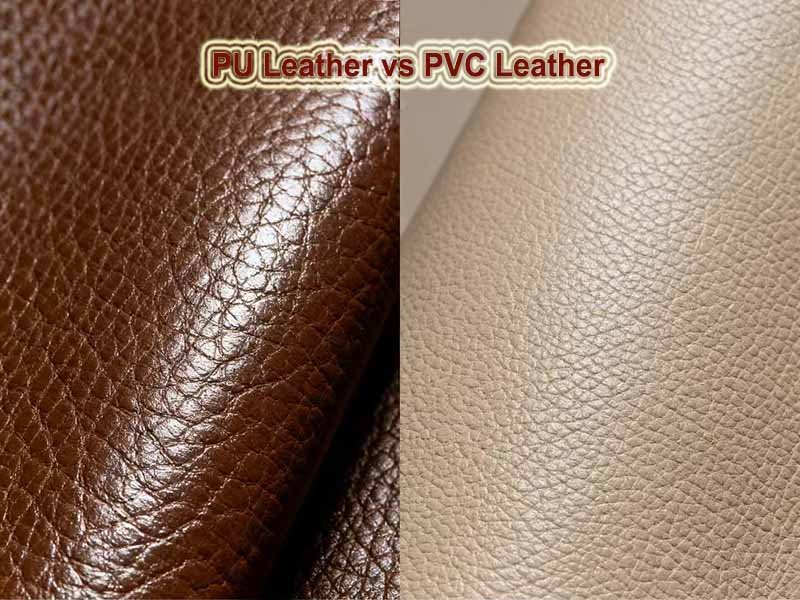
PU vs PVC vs Bonded Leather: Know Your Material
Flip your chair over and check the manufacturer’s tag—your cleaning approach depends entirely on this detail. PU (polyurethane) leather feels soft, flexible, and closely mimics real leather; it requires the gentlest treatment. PVC (polyvinyl chloride) leather has a stiffer, shinier surface common on budget furniture; it tolerates slightly stronger cleaners but yellows with sun exposure. Bonded leather contains real leather scraps bonded with synthetic materials—treat it like delicate suede with pH-neutral products only. Using the wrong cleaner on PU leather strips its protective layer in minutes, while PVC can withstand mild vinegar solutions. When in doubt, assume it’s PU for maximum safety.
Spot Test Protocol That Saves Your Furniture
Dab a cotton swab soaked in your chosen cleaner on the chair’s underside or back leg near the floor—never skip this critical step. Wait five full minutes while observing for color transfer, surface tackiness, or texture changes. If the swab picks up color, dilute your cleaner with 50% more water. If the surface feels sticky, switch to a milder solution immediately—residual stickiness attracts more dirt and accelerates peeling. Repeat testing until you find the strongest effective solution that doesn’t compromise the finish. This 10-minute precaution prevents costly mistakes that turn a simple cleaning session into a reupholstery project.
Mix the Perfect DIY Cleaning Solution for Your Chair Type
Gentle Soap & Warm Water Formula for Daily Cleaning
Fill a bowl with lukewarm water (never hot—heat opens faux leather pores) and add exactly two drops of fragrance-free dish soap like Dawn Free & Clear. Swirl gently to create minimal suds—excessive soap leaves a residue that attracts fresh dirt within hours. The ideal solution should feel slightly slippery but not bubbly. Dip a lint-free cloth into the mixture, then wring until it’s barely damp—a dripping cloth causes irreversible damage by seeping moisture into the backing fabric. This solution safely removes fingerprints, food crumbs, and light soil without stripping protective coatings.
White Vinegar Rinse for Stubborn Shine and Stickiness
For chairs with greasy buildup or that telltale “sticky” feel from body oils, prepare a separate spray bottle with one part white vinegar to four parts distilled water. Shake well before each use to maintain proper dilution. The vinegar’s mild acidity breaks down organic residues without bleaching colors—unlike harsh chemicals that degrade polyurethane. Never use full-strength vinegar; it dries out faux leather and causes premature cracking. Apply this solution only after your initial soap wash, targeting high-contact areas like armrests and seat edges where oils accumulate fastest.
Step-by-Step Surface Wash That Restores Like New
Damp, Not Wet Technique for Safe Cleaning
Work in 12-inch sections, starting from the top and moving downward to prevent streaking. Dip your microfiber cloth into the soapy solution, then wring thoroughly until it feels barely damp to the touch—like a well-squeezed sponge. Using circular motions with light pressure, clean one section at a time, immediately following with a clean, dry cloth to remove residue. Never pour liquid directly onto the chair; moisture trapped in seams loosens the adhesive bonding the faux leather to its backing fabric, causing bubbles and peeling. Refresh your cleaning cloth every 30 seconds as it soils to avoid redepositing dirt.
Tackle Tough Stains Without Spreading the Damage
For ink marks or denim dye transfer, blot—not rub—with a cotton ball dampened with 70% isopropyl alcohol, then immediately follow with your soapy cloth to remove alcohol residue. Grease stains from food or hair products require a different approach: sprinkle cornstarch liberally over the spot, let it sit for 10 minutes to absorb oils, then brush away before cleaning with your regular solution. Blood or wine spills need immediate attention—dab with cold water first to prevent setting, then use your vinegar rinse solution. Always work from the stain’s edge toward the center to avoid spreading contaminants.
Dry & Condition Properly to Prevent Premature Aging
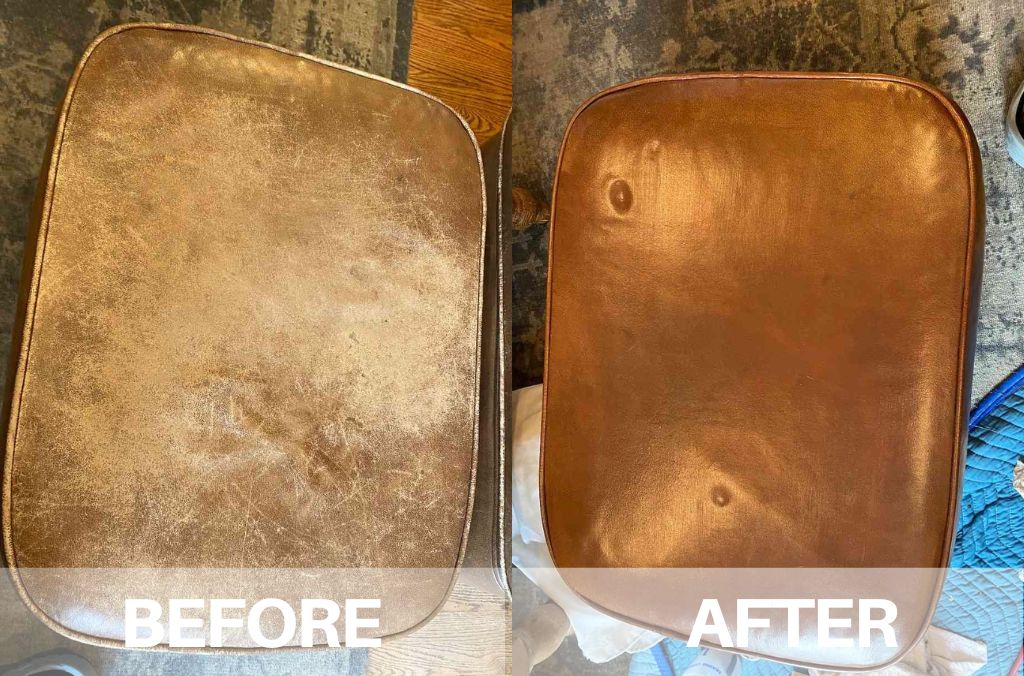
Air-Dry Protocol That Avoids Water Damage
After cleaning, gently pat the surface with a dry microfiber towel using light pressure—never rub aggressively. Position the chair in a well-ventilated room away from direct heat sources, and allow 30-60 minutes of air-drying time before use. Sitting on damp faux leather forces moisture deeper into the material, causing the backing fabric to separate from the top layer within weeks. Check seat crevices and under armrests with your palm—they should feel completely dry to the touch. Speed up drying with a fan on low setting, but never use hairdryers or space heaters that can warp the synthetic material.
Silicone-Free Conditioning for Long-Term Flexibility
Once fully dry, apply a pea-sized amount of faux-leather-specific conditioner to a clean microfiber cloth—not directly onto the chair. Buff in small circular motions using light pressure until the surface feels supple but not greasy. Avoid petroleum-based products like mink oil or Vaseline—they clog faux leather’s microscopic pores, attracting dust and accelerating deterioration. Focus conditioning on high-wear areas like seat edges and armrests where cracking typically begins. Wipe away any excess with a dry cloth to prevent a slippery surface. This step replenishes plasticizers that keep the material flexible, preventing the spider-web cracks that signal irreversible damage.
Prevent Cracks & Peeling With Proactive Maintenance
UV Protection Strategy for Sun-Exposed Rooms
Position chairs at least three feet away from windows or install UV-blocking window film—faux leather degrades 70% faster when exposed to direct sunlight. The sun’s ultraviolet rays break down polyurethane’s molecular structure, causing embrittlement that leads to cracks within months. For chairs near windows, apply a leather-specific UV protector spray monthly during summer months. Never use automotive UV protectants—their harsh chemicals damage faux leather finishes. Rotate chairs quarterly to ensure even exposure if rearranging isn’t possible.
Monthly Conditioning Schedule That Doubles Lifespan
Set recurring calendar reminders to repeat the light conditioning step every 30 days—consistent hydration prevents the “alligatoring” effect that plagues neglected faux leather. Use a dedicated faux leather conditioner (not real leather products) with humectants that draw moisture into the material. Apply during evening hours when temperature and humidity are stable—extreme conditions cause uneven absorption. This routine maintains the material’s flexibility, keeping plasticizers evenly distributed to prevent the localized drying that causes premature peeling. Chairs maintained this way often last 5+ years compared to 2-3 years with sporadic care.
Deep-Clean High-Contact Areas Before Damage Sets In

Armrest & Headrest Buildup Removal Method
Wrap a soft-bristled toothbrush in your soapy microfiber cloth and gently scrub along crevices where body oils accumulate fastest. Focus on the 2-inch zone where forearms rest, using short back-and-forth motions rather than circular ones to follow the grain. Rinse your cloth after every 30 seconds of scrubbing to avoid grinding dirt deeper into the material. Finish with your vinegar rinse solution on a fresh cloth to neutralize any soap residue, then condition immediately—these areas lose moisture 3x faster than other surfaces due to constant contact.
Seat Cushion Compression Line Treatment
Vacuum the entire seat surface with an upholstery attachment first to lift embedded dust from compression lines. Mix your vinegar solution in a spray bottle and mist lightly along these creases—never saturate. Use a soft toothbrush to gently agitate the solution into the lines, working in the direction of the grain. Blot immediately with a dry cloth to remove dissolved grime before it resettles. Finish with a light conditioning application along these stress points to maintain flexibility where cracking typically begins. Perform this deep clean monthly for chairs used 8+ hours daily.
Final Note: Properly learning how to clean fake leather chairs transforms frustrating maintenance into a 15-minute monthly ritual that extends furniture life by years. By identifying your material type, using pH-balanced solutions, and conditioning regularly, you’ll prevent the peeling and cracking that typically doom faux leather furniture. Remember: consistent light care beats infrequent aggressive cleaning every time. Implement these techniques today, and your chairs will maintain their sleek appearance while avoiding the $300+ replacement costs most households face when faux leather fails prematurely. Keep this guide handy for your next cleaning session—you’ll wonder why you ever tolerated sticky, dull chairs.


