
Salt-crusted beach chairs aren’t just unsightly—they’re silently corroding with every passing day. That chalky white film on your aluminum frame? It’s salt deposits eating away at the metal. The musty smell from your canvas seat? Mold colonies thriving in leftover moisture. But before you toss those grimy chairs and buy new ones, know this: proper cleaning can restore them to near-new condition and extend their life by years.
Whether you’re dealing with rust-spotted steel frames, sunscreen-stained fabric, or that stubborn sand that never seems to leave the crevices, this guide walks you through proven restoration techniques for every beach chair type. You’ll save money, reduce waste, and have chairs that look (and smell) fresh for your next beach day. Most importantly, these methods prevent irreversible damage—like salt-induced pitting on aluminum or structural rust on steel—that turns minor neglect into costly replacements.
Aluminum Frame Deep Cleaning Method

Aluminum frames resist rust but succumb to salt pitting and oxidation that creates that dull, chalky appearance. The key is acting fast—salt begins corroding aluminum within 24 hours of exposure. Ignoring this leads to permanent surface pitting that weakens the frame over time.
Remove Salt Deposits and Oxidation
Start by shaking your chair vigorously to dislodge dry sand, then invert it and tap the frame with a rubber mallet to free debris from joints. Rinse thoroughly with a garden hose using medium pressure, focusing on crevices where salt accumulates. Mix one ounce of grease-cutting dish soap like Dawn per gallon of warm water. Dip a soft-bristled brush into the solution and scrub along the metal’s grain direction—never against it—to avoid micro-scratches. For severe oxidation, apply Star Brite Ultimate Aluminum Cleaner with 0000 steel wool, testing first on a hidden spot. Rinse completely with distilled water to prevent new mineral deposits, then dry immediately with microfiber cloths. Skipping this drying step invites water spots that accelerate future corrosion.
Protect Anodized Finish
After cleaning, apply 303 Marine Aerospace Protectant to shield against UV damage and future salt exposure. This creates a protective barrier that makes next cleaning easier. Focus on high-contact zones like leg bottoms and armrest supports where sand abrasion is worst. Reapply monthly during peak beach season—this simple habit prevents 90% of oxidation issues. Never use abrasive cleaners or steel wool on anodized surfaces; they strip the protective layer permanently.
Steel Frame Rust Treatment Process
Steel frames present the biggest challenge due to inevitable rust formation. The moment you spot orange-brown discoloration, action is critical—surface rust becomes deep corrosion quickly, compromising structural integrity.
Assess Rust Severity
Use a wire brush to determine rust depth. If bright metal appears beneath, you’re dealing with surface rust. Deep rust feels rough and may flake off in layers. For surface rust, sand with 220-grit sandpaper until clean metal shows. Apply naval jelly to deeper spots, wait 10-15 minutes, then rinse thoroughly. Finish with rust converter on any remaining spots to neutralize corrosion. Always wear gloves and eye protection—naval jelly contains phosphoric acid that can irritate skin.
Repaint and Protect
After rust removal, wipe the frame with mineral spirits to remove residue. Apply rust-inhibiting primer like Rust-Oleum Stops Rust, then follow with marine-grade enamel. This two-step process prevents recurrence and withstands harsh beach conditions. Check steel frames every 2-3 weeks during beach season—early detection prevents major restoration projects. Never skip sanding; paint won’t adhere to rusty surfaces, causing peeling within weeks.
Plastic and Resin Chair Restoration

HDPE and polypropylene chairs develop chalky oxidation from UV exposure while harboring embedded sunscreen stains. The porous nature of these materials allows oils to penetrate deeply over time, attracting dirt that dulls the finish.
Remove Chalky Oxidation
Create a paste using baking soda and water. Rub this gently into the surface using circular motions with a damp cloth. For textured surfaces, use a 1200-1500 PSI pressure washer held 12 inches from the chair—higher pressure cracks plastic. Work in shaded areas; direct sunlight causes cleaners to evaporate too quickly, leaving residue. Rinse thoroughly with cool water. For stubborn oxidation, repeat the baking soda treatment before moving to stronger solutions.
Eliminate Sunscreen Stains
Apply 70% isopropyl alcohol directly to stains, let it sit for five minutes to break down oils, then scrub with a soft brush. For set-in stains, repeat 2-3 times. Never use acetone—it melts plastic. Once clean, apply 303 Protectant every 3-4 uses to prevent future UV damage. Test alcohol on a hidden spot first; some colored plastics may fade.
Fabric Component Cleaning Protocols
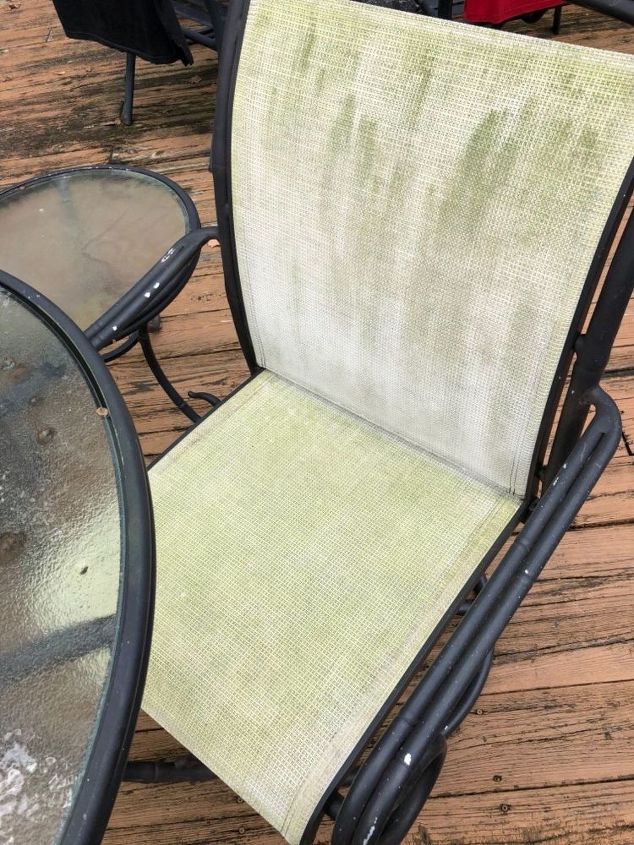
Different fabrics require specific approaches—using the wrong method can damage or shrink materials permanently. Always remove fabric from the frame before deep cleaning to access all layers.
Clean Polyester Mesh
Vacuum both sides thoroughly with a shop-vac brush attachment to remove embedded sand. For sunscreen stains, apply a 1:1 vinegar and water solution directly to spots. Machine wash on gentle cycle using cold water and mild detergent like Tide Free & Gentle. Hang vertically to air dry—never use a dryer as heat causes shrinkage. Reinstall fabric while slightly damp to maintain proper tension. Avoid bleach; it degrades polyester fibers.
Restore Canvas Seats
Canvas absorbs moisture and stains deeply, requiring full immersion cleaning. Mix one cup bleach per gallon water for mildew treatment—never exceed this ratio to prevent fiber damage. Soak in a bathtub with mild detergent for 30 minutes, agitating gently. Rinse until water runs clear, which may take 10+ cycles. Stretch fabric on a flat surface while wet to prevent shrinkage during drying. Never wring canvas—it distorts the weave.
Specialized Stain Removal Techniques
Beach-specific stains require targeted approaches for complete removal. Always test cleaners on inconspicuous areas first to avoid discoloration.
Remove Sunscreen and Tanning Oil
Fresh stains respond to immediate blotting with paper towels followed by direct dish soap application. Set-in stains need Dawn Powerwash spray—let it sit 10 minutes before scrubbing. White residue from mineral-based sunscreens requires isopropyl alcohol on a cotton ball. For fabric stains, pre-treat with Shout Advanced Gel 15 minutes before washing. Avoid heat until stains are gone; it sets oils permanently.
Eliminate Salt Water Residue
That white film is mineral deposits from salt water. Mix equal parts white vinegar and warm water in a spray bottle. Apply generously, wait five minutes for the acid to dissolve minerals, then scrub gently with a soft brush. Use distilled water for the final rinse to prevent new mineral deposits. Prevention is key—rinse chairs with fresh water within two hours of saltwater exposure.
Quick Maintenance Between Deep Cleanings
Establishing simple routines prevents major restoration projects and extends chair life significantly. These 5-minute habits save hours of deep cleaning later.
Post-Beach Routine
Rinse chairs with fresh water within two hours of saltwater exposure—this single step prevents 80% of corrosion issues. Open chairs fully and position in sun for 2-3 hours for complete drying. Shake vigorously to remove sand before loading in your vehicle. Address visible stains same day before they set permanently. Never store chairs while damp; moisture trapped in joints breeds mold.
Weekly Quick Checks
Wipe all surfaces with a damp microfiber cloth to remove accumulated salt and sand. Tighten any loose screws or bolts—vibration from transport loosens connections. Inspect fabric for tears or loose stitching that worsen with use. Check frames for new rust spots or damage requiring attention. Keep a dedicated beach chair cleaning kit in your trunk for immediate post-trip care.
Seasonal Storage and Protection
Proper end-of-season care determines whether your chairs survive winter storage intact. Most off-season damage occurs from improper drying or moisture exposure.
Winterization Process
Completely disassemble removable fabric components and clean them separately. Apply all appropriate cleaning methods for your chair type, then allow 72 hours complete drying in a ventilated garage. Apply a light coat of WD-40 to metal parts for rust prevention—wipe excess to avoid attracting dirt. Store fabric indoors in sealed containers with silica gel packets, and elevate chairs off concrete floors using wood blocks to prevent moisture wicking. Never store chairs folded; it creates permanent creases in fabric.
Storage Environment Control
Maintain storage temperature between 40-80°F to prevent material degradation—extreme cold makes plastics brittle. Keep humidity below 60% using moisture absorbers like DampRid. Store chairs vertically or hanging to prevent warping from uneven weight distribution. Use breathable cotton covers—never plastic tarps that trap moisture and encourage mildew. Check stored chairs monthly for pest intrusion or moisture buildup.
Troubleshooting Common Problems
Fix Persistent Odors
Mildew smells require a baking soda soak—mix one cup baking soda in warm water, soak fabric two hours, then rinse. For fishy odors, use enzyme cleaner like Nature’s Miracle to break down organic compounds. Smoke smells need charcoal treatment—place fabric with charcoal briquettes in a sealed container for 48 hours. Never mask odors with perfumes; they bond with contaminants and worsen smells.
Repair Structural Issues
Loose joints need marine-grade epoxy application to wobbly connections—clamp tightly for 24 hours. Torn fabric responds to Tenacious Tape for temporary repairs until proper sewing. Replace broken straps with polypropylene webbing matching original width to maintain load capacity. Contact manufacturers directly for exact replacement hardware; generic parts often fail under stress.
Your beach chairs represent a significant investment—protecting them through proper cleaning extends their life dramatically while ensuring they’re ready for spontaneous beach trips. Start with the chair type you use most frequently, establish the maintenance routine that fits your schedule, and watch those salt-stained, sun-faded chairs transform back to their former glory. Consistent care means spending less time restoring and more time relaxing on the sand.


