
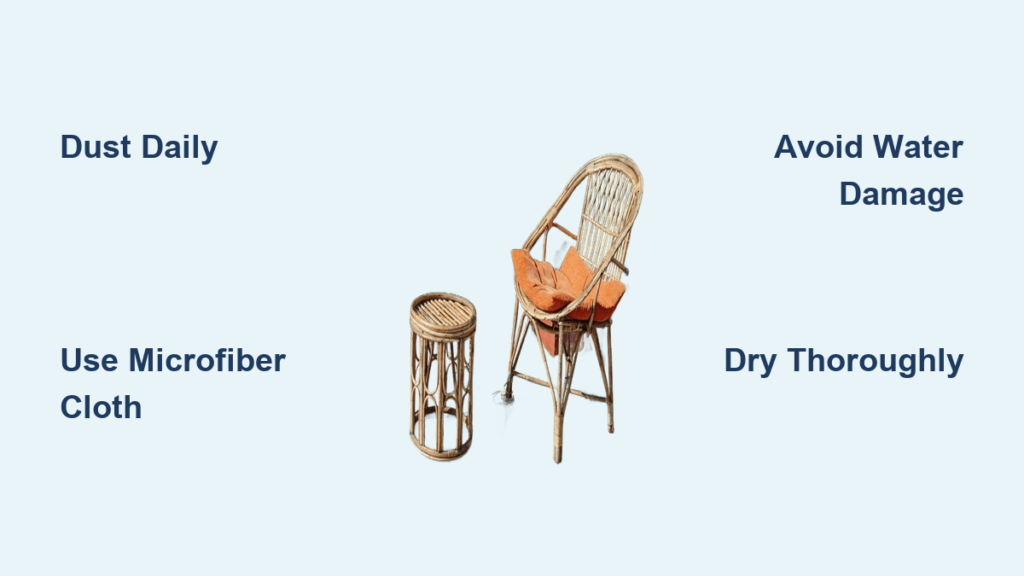
Nothing ruins the elegant appeal of your bamboo dining set quite like stubborn dust buildup in those intricate woven patterns or unsightly water rings from last night’s dinner party. Bamboo chairs require specialized care that balances effective cleaning with preservation of their natural fibers—use the wrong technique, and you could be looking at cracked joints or permanent discoloration within weeks. Learning how to clean bamboo chairs properly isn’t just about aesthetics; it’s essential for maintaining structural integrity and extending your furniture’s lifespan by decades. This guide delivers professional-grade techniques that address everything from daily dusting to stubborn oil stains, so you can keep your bamboo chairs looking pristine without risking damage.
Daily Dust Removal Techniques for Bamboo Chairs
Microfiber Cloth Method for Effective Dusting
Bamboo’s natural texture creates microscopic grooves that trap dust more aggressively than smooth surfaces. Skip the feather duster—it merely redistributes particles—and grab a high-quality microfiber cloth instead. Working top to bottom along the bamboo grain prevents fibers from lifting or splintering. Pay special attention to horizontal surfaces where dust accumulates fastest, but don’t neglect vertical elements like chair backs where static electricity holds particles in place. For best results, dust your bamboo chairs every 2-3 days in high-traffic areas to prevent deep-set grime that requires more aggressive cleaning later.
Crevices and Joints Cleaning Protocol
Those tight spaces between bamboo canes are dust magnets that standard cloths can’t reach. Your secret weapon? A soft-bristled children’s toothbrush or artist’s paintbrush that won’t scratch delicate surfaces. Gently work the bristles between canes using short, back-and-forth motions—never force the brush as this can damage fibers. For chairs with intricate weaving patterns, follow the natural flow of the weave rather than going against it. After loosening debris, immediately vacuum with a brush attachment set to low suction to prevent particles from resettling. This targeted approach prevents the buildup that leads to stubborn stains requiring chemical intervention.
Quick Spill Response That Prevents Damage
When liquid spills on your bamboo chair, your reaction time determines whether it becomes a minor incident or permanent damage. Immediately blot (never rub) with a clean, absorbent cotton cloth to lift liquid before it penetrates the surface. For water rings that have already formed, mix equal parts distilled water and white vinegar in a spray bottle, mist lightly on a microfiber cloth—not directly on the chair—and gently wipe the affected area. Follow immediately with a dry cloth using firm pressure. Remember: bamboo absorbs moisture rapidly, so waiting even 10 minutes can allow liquid to seep into joints where it causes warping and mold growth.
Deep Cleaning Bamboo Chairs Without Damage

Prepare Your Cleaning Solution Properly
The right cleaning solution makes all the difference between restored luster and irreversible damage. Combine 1/4 cup mild, plant-based dish soap with 1 gallon of warm distilled water in a bucket—tap water minerals can leave white residue on bamboo. Never substitute vinegar for soap in this mixture as the acidity can degrade bamboo fibers over time. Before applying to visible areas, test your solution on the chair’s underside for 24 hours to check for adverse reactions. If you notice any discoloration or texture changes, dilute the solution further. Professional furniture restorers recommend this ratio because it effectively lifts dirt while maintaining bamboo’s natural pH balance.
Step-by-Step Deep Clean Process
1. Set Up Your Workspace Correctly
Move chairs away from direct sunlight and heat sources—UV exposure during cleaning causes bamboo to dry too quickly, creating stress cracks. Choose an area with cross-ventilation but no drafts that could accelerate drying unevenly. Lay down towels to protect floors from drips and place chairs on their sides for maximum access to all surfaces.
2. Initial Debris Removal That Matters
Use a vacuum with soft brush attachment on low setting to remove all loose particles. Focus on often-missed areas: beneath seat cushions, along the chair’s underside, and inside armrest hollows. Skip this step and you’ll merely create muddy paste when applying cleaning solution.
3. Gentle Washing Technique
Dip a microfiber cloth in your solution, wringing until damp—not wet. Work in 12×12 inch sections following the bamboo grain direction. For carved details, switch to cotton swabs that won’t leave fibers behind. Rinse your cloth after each section to avoid redepositing dirt. This method prevents the waterlogging that causes bamboo to swell and warp.
4. Thorough Drying Process
Immediately dry with multiple clean, absorbent towels using firm pressure. Pay special attention to joints where moisture hides—press towels into crevices until no dampness remains. Position oscillating fans around the chair (not directly on it) for 6-8 hours of air circulation. Never skip the 24-hour curing period before use—bamboo continues releasing moisture internally long after surfaces feel dry.
Remove Stubborn Stains Fast Without Harming Bamboo

Water-Based Stain Solutions That Work
Coffee and tea stains penetrate bamboo quickly due to their tannins. Mix equal parts white vinegar and warm water in a spray bottle, lightly mist on a cloth, and dab the stain gently—never saturate. For food stains, create a paste of baking soda and water, apply with a cotton swab, and let sit exactly 15 minutes before wiping. Ink requires precision: dip a cotton swab in rubbing alcohol, blot the stain’s edges first (working inward), and stop immediately when ink transfers to prevent spreading.
Oil and Grease Stain Removal Protocol
Grease stains threaten bamboo’s structural integrity as oils break down natural fibers. Act immediately by covering the stain with cornstarch or talcum powder—these absorbents pull oil to the surface without chemicals. Let sit 4-6 hours (overnight for severe stains), then brush away with a soft toothbrush. For stubborn residues, dip a cotton swab in mineral spirits, touch only the stain’s perimeter, and wipe with a dry swab immediately. Never pour liquids directly onto bamboo—always apply via cloth or swab to control moisture.
Prevent Common Cleaning Mistakes That Ruin Bamboo Chairs
Never Use These Products or Methods
Bamboo’s porous nature makes it vulnerable to common cleaning mistakes. Avoid steam cleaners entirely—the high-pressure moisture penetrates deep into fibers causing irreversible swelling. Never use bleach or ammonia-based cleaners as they strip bamboo’s natural silica that provides strength. Skip abrasive scrub pads that create micro-scratches where dirt accumulates faster. Most critically, never soak bamboo chairs or leave them wet—even brief water exposure can cause fibers to expand beyond their elastic limit, leading to permanent warping.
Warning Signs of Improper Cleaning Techniques
White film residue indicates mineral deposits from improper drying—address by wiping with distilled water. Splintering fibers signal excessive moisture exposure during cleaning. Discoloration in specific areas reveals chemical damage from harsh cleaners. If your chair develops new creaking sounds after cleaning, moisture has compromised joint integrity. Warping along chair legs means uneven drying occurred—this often requires professional restoration as DIY fixes typically worsen the problem.
Dry Bamboo Chairs Properly to Prevent Structural Damage
Moisture Elimination Techniques That Protect Joints
Bamboo absorbs moisture 3x faster than hardwoods, making proper drying critical. After cleaning, wrap chairs in multiple layers of clean terry cloth towels and apply gentle pressure—this draws moisture from joints where it causes the most damage. Position fans to create cross-ventilation around (not directly on) the chair. Check joints hourly with your finger; if coolness remains, continue drying. Never use hair dryers—rapid heat exposure creates surface tension that cracks bamboo fibers. Allow full 48 hours drying time before use, even if surfaces feel dry.
Humidity Control Strategies for Longevity
Bamboo thrives in 40-60% relative humidity—outside this range, fibers expand or contract causing splits. In humid climates, place bamboo chairs near dehumidifiers during rainy seasons. For outdoor chairs, apply bamboo-specific furniture oil after each deep clean to create a moisture barrier. Indoor chairs benefit from seasonal conditioning: apply tung oil in winter when indoor air is driest, and switch to lighter wax formulations in summer humidity. These small steps prevent the slow deterioration that turns minor cleaning errors into major structural failures.
Eco-Friendly Cleaning Options That Actually Work
Natural Cleaning Alternatives for Daily Maintenance
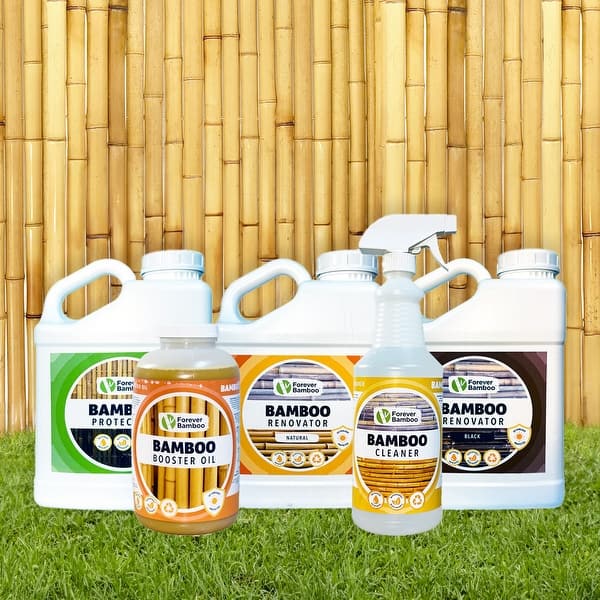
Replace chemical cleaners with effective natural solutions that protect both your chairs and the environment. For daily dusting, mix 1 tablespoon olive oil with 1 cup distilled water in a spray bottle—this conditions while cleaning. Vinegar solutions (1:3 ratio with water) tackle most stains without toxic residues. For conditioning, choose sustainably harvested teak oil instead of petroleum-based polishes. When cleaning outdoor bamboo, collect rainwater for your solutions—its neutral pH won’t leave mineral deposits like tap water.
Mastering how to clean bamboo chairs properly transforms frustrating maintenance into simple routine care that preserves your furniture’s beauty for generations. By following these precise techniques—especially the critical drying protocols and stain-specific approaches—you’ll avoid the common pitfalls that turn minor cleaning jobs into costly repairs. Remember that bamboo rewards careful attention with remarkable durability, so invest those extra minutes in proper technique to enjoy your elegant chairs for decades to come. Start implementing just one new method from this guide today, and you’ll immediately notice the difference in your bamboo furniture’s appearance and longevity.


