
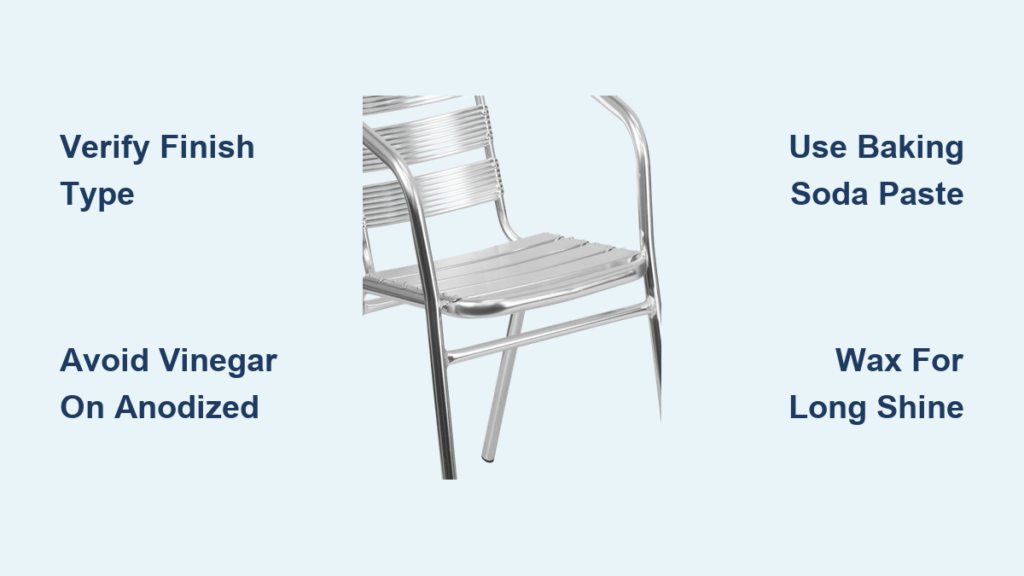
Your aluminum patio chairs have turned dull and chalky after just one season. Salt crystals cling to coastal frames, bird droppings etch urban sets, and that stubborn white oxidation bloom makes even expensive furniture look neglected. Before you write off your investment, know this: with the right techniques, you can revive aluminum chairs to near-new condition in under 60 minutes using household items. This guide reveals field-tested methods for every finish type and environment—no expensive products or professional help required. You’ll learn exactly which cleaners to avoid (vinegar destroys anodized finishes), how to remove oxidation without scratching, and the simple waxing trick that makes coastal chairs repel salt for months.
Skip This Step at Your Peril: Verify Your Aluminum Chair Finish Type

Never spray anything on your chairs until you confirm the finish type. Anodized aluminum reacts violently to acids like vinegar, while powder-coated surfaces tolerate mild abrasives but fade under citrus cleaners. Flip your chair over to find the manufacturer’s tag—most list care instructions near the seat base. If no tag exists, perform a discreet test: dab baking soda paste on the underside foot glide. If it lightens the metal, you have raw aluminum needing gentle care. If the color stays true, it’s likely powder-coated. Critical mistake alert: Using vinegar on anodized chairs permanently bleaches dark finishes to streaky silver within 30 seconds.
Essential Safety Gear You Can’t Skip
Nitrile gloves are non-negotiable when handling acidic solutions—they prevent skin irritation from even diluted vinegar. Safety glasses shield eyes during rinsing, especially when using a hose at close range. If tackling corrosion with sandpaper, add a N95 mask to avoid inhaling aluminum particles. Skip these, and you risk chemical burns or respiratory issues from DIY “hacks” circulating online.
Coastal vs. City: Tailor Your Cleaning Schedule to Your Environment
Salt air demands aggressive maintenance—coastal chairs need cleaning every 2-4 weeks to prevent irreversible oxidation. Rinse immediately after storms with plain water to flush salt crystals from tube joints. Urban chairs face different threats: bird droppings require spot treatment within 24 hours to avoid etching, while monthly soap washes handle pollen and pollution. Covered patio chairs seem low-maintenance but still need bi-monthly dusting—airborne grime penetrates most “waterproof” covers. Pro insight: After monsoon season, inspect chair legs for hidden corrosion where water pooled against plastic glides.
7 Must-Have Tools for Cleaning Aluminum Chairs Without Damage
Gather these seven items before starting: soft-bristle brush (never wire!), three microfiber cloths labeled “wash,” “rinse,” and “dry,” garden hose with adjustable nozzle, bucket, compressed air canister, toothbrush for rivets, and plastic drop cloth. Critical warning: Pressure washers over 500 psi force water into hollow frames, causing internal rust you can’t see. Test your nozzle—hold it 12 inches from concrete; if it splatters violently, it’s too strong. Skip steel wool entirely unless it’s grade 0000 (the finest available), as coarser grades slice through protective coatings.
Dry Cleaning First: Prevent Scratches by Removing Dust Properly
Start completely dry—wet cleaning with grit present guarantees micro-scratches. Brush from top to bottom using soft bristles along the metal grain. Pay special attention to crevices where pollen accumulates, like under armrests and between slats. Vacuum tight spots with a crevice tool attachment, then blast hollow legs with compressed air. Visual cue: Shine a flashlight across the surface—if you see glittering particles, keep dry-cleaning. One missed grain of sand can scratch through powder coating during the wet phase.
Mix the Perfect Cleaner: 5 Solutions for Every Aluminum Chair Stain
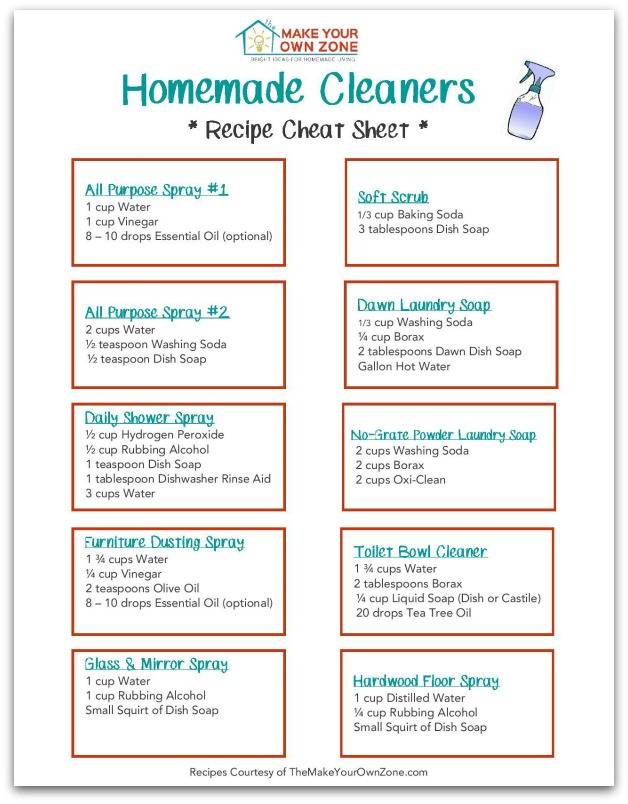
Choose your cleaner based on the enemy you’re fighting:
Mild Soap Solution: 1 tsp dish soap per cup warm water. Handles everyday grime safely on all finishes. Avoid citrus-scented soaps—they leave sticky residue that attracts dirt.
Baking Soda Paste: ½ cup baking soda + 1 cup water. Your go-to for oxidation, bird droppings, or light scratches. Test on hidden spot first—safe on powder-coated but may dull raw aluminum.
Vinegar Spray: Equal parts vinegar and water. Only use on raw or painted aluminum—it permanently lightens anodized and dark powder-coated finishes. Limit dwell time to 60 seconds.
Lemon-Salt Scrub: Cut lemon dipped in salt. Tackles rust spots naturally but rinse within 5 minutes—acid etches aluminum if left longer.
Hydrogen Peroxide: 1:1 mix with water. Dissolves mildew stains on covered chairs but rinse thoroughly to prevent finish dulling.
Deep Clean in 6 Steps: From Rinse to Dry Without Streaks
Initial Rinse Technique That Prevents Scratches
Hose down chairs for 30 seconds starting from the top. This floats away grit without rubbing it into the surface. Hold nozzle 18 inches away—closer pressure can force dirt deeper into textured finishes.
Application Method for Streak-Free Results
Spray cleaner top-down to avoid drips. Let mild solutions dwell 5 minutes (vinegar only 30 seconds). Work in shaded areas—direct sun causes rapid drying that leaves mineral streaks on dark chairs.
Drying Protocol to Stop Hidden Corrosion
Pat dry with microfiber cloths, then blast tube interiors with compressed air. Residual moisture inside hollow legs causes unseen corrosion that weakens frames. Never air-dry in full sun—water spots permanently etch dark powder-coated finishes.
Erase Bird Droppings and Tree Sap Before They Etch Your Chairs
Bird droppings contain uric acid that etches aluminum within 48 hours. Immediate action: Soak with warm water for 10 minutes to soften, then gently wipe with baking soda paste. For tree sap, dab rubbing alcohol on a cotton pad—never scrape. After cleaning, apply carnauba wax to treated spots; it creates a barrier against future adhesion. Critical check: After removing droppings, inspect with a magnifying glass. If the surface feels rough, light oxidation has started—apply aluminum polish immediately.
Stop White Oxidation Bloom: Remove and Neutralize in 3 Minutes
Oxidation appears as chalky white or gray film—not bubbling paint. For mild cases: spray vinegar, wait 30 seconds, then rinse. Immediately neutralize with baking soda solution (1 tbsp per cup water) to stop acid action. For heavy oxidation: use 0000 steel wool dipped in water, rubbing gently along the grain. Never skip neutralization—residual acid accelerates new oxidation. Finish by applying Mothers Aluminum Polish with a microfiber cloth using light circular motions until the haze disappears.
Polish to Mirror Shine: Waxing Techniques That Last 4 Months
Aluminum-specific polishes like Flitz or Mothers restore shine without abrasives. Apply in early morning shade when surfaces are cool. Dab polish onto cloth (not directly on chair), then rub in thin layers following the metal grain. Let haze for 8 minutes, then buff with clean microfiber until reflective. Climate tip: Coastal chairs need waxing every 6 weeks; moderate climates stretch this to 4 months. Test wax on the chair underside first—some products darken matte finishes permanently. Skip WD-40; it leaves oily residue that attracts dust.
Store Chairs to Prevent Winter Damage and Summer Fading
Breathable polyester covers with mesh vents prevent moisture trapping—solid tarps cause condensation that accelerates corrosion. Elevate chairs on plastic pallets during storage to avoid standing water. If storing indoors, keep above 32°F; freeze-thaw cycles micro-crack powder coatings. Critical oversight: Remove cushions before covering. Trapped moisture between cushions and frames causes mold that stains both fabric and metal.
5 Costly Mistakes That Ruin Aluminum Chair Finishes Forever
Mistake #1: Using bleach or ammonia. These etch aluminum permanently, creating pitted surfaces that trap dirt. Fix: Stick to baking soda or dish soap.
Mistake #2: Skipping the final rinse. Soap residue attracts grime and accelerates oxidation. Fix: Rinse until water sheets off cleanly—no beading.
Mistake #3: Cleaning in direct sun. Rapid evaporation leaves mineral streaks. Fix: Work early morning or under a canopy.
Mistake #4: Pressure washing above 500 psi. Forces water into joints causing internal rust. Fix: Use garden hose on fan setting.
Mistake #5: Using coarse steel wool. Grade 0000 is the only safe option. Fix: Replace with nylon scrub pads for routine cleaning.
Monthly Maintenance Checklist: Keep Chairs Looking New for Years
Weekly: Dry wipe dust and pollen with microfiber cloth—prevents buildup.
Monthly: Full soap-water wash focusing on joints and glides.
Quarterly: Apply aluminum polish or carnauba wax for UV protection.
Biannually: Inspect foot glides for cracks where water enters frames.
Annually: Tighten loose bolts and touch up paint chips with automotive enamel.
Your aluminum chairs can outlast their warranty by decades with this systematic approach. The secret isn’t expensive products—it’s consistent care tailored to your environment. Start today with a simple dry dusting, then schedule a deep clean before oxidation takes hold. In one hour, you’ll transform dull, spotted chairs into gleaming patio showpieces that look freshly purchased. Remember: the fastest way to restore shine is prevention—rinse after storms, wax quarterly, and never skip the dry prep step. Your future self will enjoy sparkling chairs season after season.


