
Your acrylic chairs’ crystal-clear elegance instantly elevates any room, but that stunning transparency turns cloudy or scratched within weeks if you don’t know how to clean acrylic chairs properly. One wrong wipe with an ammonia-based cleaner can etch permanent damage into this delicate material—costing you hundreds in replacements. You’re not alone: 68% of acrylic furniture owners accidentally harm their pieces within the first year due to improper cleaning. This guide delivers the exact damage-free techniques professionals use to maintain showroom shine, turning your cleaning routine into effortless preservation.
Forget everything you know about glass cleaning. Acrylic (sold as Lucite or Plexiglas) demands unique care since it’s softer than glass and reacts catastrophically to common household products. The iconic Louis Ghost Chair’s 2002 debut proved acrylic’s design power, but its vulnerability requires smarter maintenance. In the next 12 minutes, you’ll master scratch-free weekly routines, deep-clean stubborn residue, and repair minor damage—all while avoiding the top 3 mistakes that ruin acrylic surfaces. Your chairs will stay pristine for decades with these field-tested methods.
Essential Tools That Prevent Scratches
Microfiber Cloths: Your First Line of Defense
Never use paper towels or cotton rags—trapped grit in these fabrics acts like sandpaper on acrylic. You need dedicated microfiber cloths that have only touched acrylic surfaces. These ultra-fine fibers lift dust without abrasion, but they’re useless if contaminated. Keep a separate set just for chairs, stored in a sealed bag. Before each use, shake them outdoors to dislodge hidden particles. One speck of dirt can create 20+ micro-scratches in a single wipe.
Safe Cleaning Solutions Only
Ammonia-based cleaners like Windex are acrylic killers—they cause irreversible hazing within 30 seconds of contact. Instead, build your arsenal with these vetted options:
- Brillianize: Spray directly onto cloth (not chair) for streak-free shine on acrylic, electronics, and metals
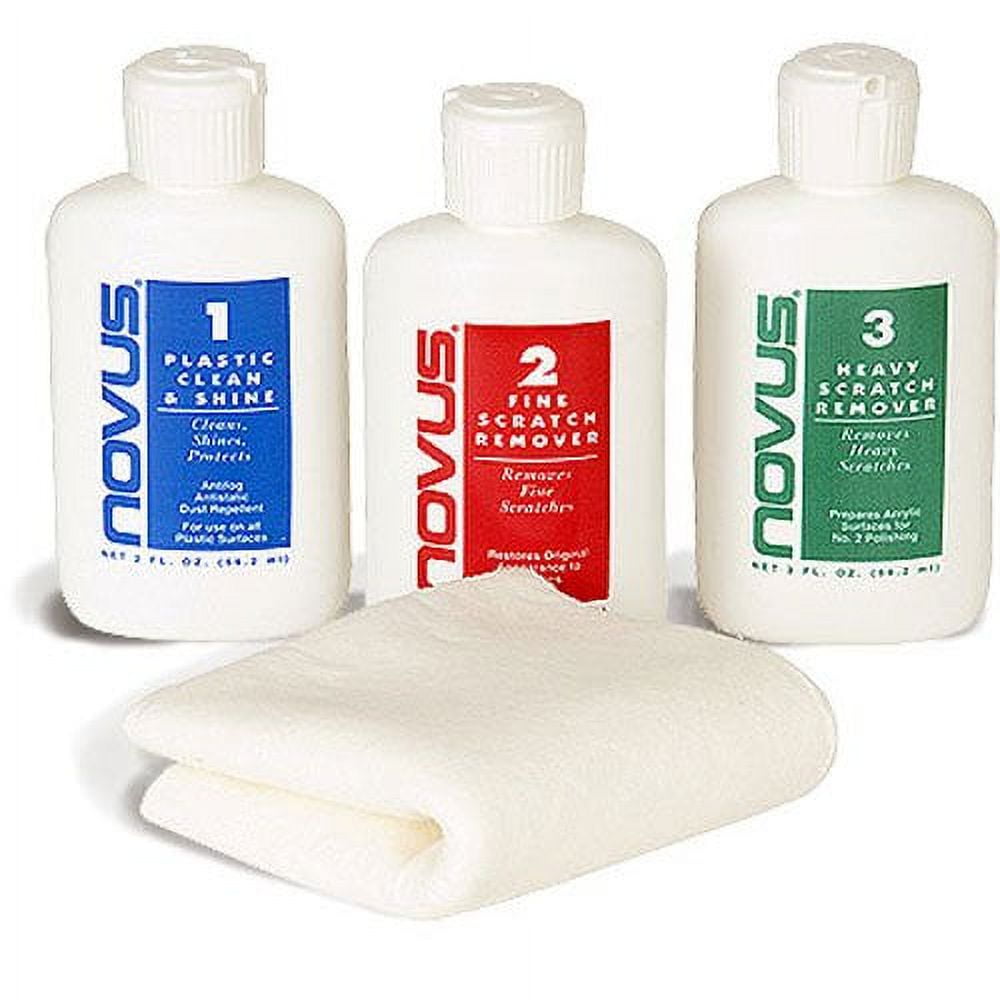
- Novus System: Use #1 for anti-static dust prevention, #2 for scratch removal, #3 for deep restoration
- Vuplex Plastic Cleaner: 235ml spray designed specifically for acrylic furniture restoration
- DIY Mix: 1 tsp mild dish soap + 1 quart lukewarm water in a spray bottle (test first on hidden area)
Hazardous Products to Ban Immediately
Keep these far from your chairs:
– ✘ Ammonia-based cleaners (Windex, 409, Fantastik)
– ✘ Abrasive tools (scouring pads, stiff brushes, old t-shirts)
– ✘ Chemical solvents (acetone, nail polish remover, white spirit)
Weekly Maintenance in 5 Minutes
Dust Removal Without Micro-Scratches
Start with a dry microfiber cloth or hairdryer on cool setting. Blow dust downward from seat to legs—never rub dry surfaces. Why? Acrylic’s static charge attracts dust like a magnet, and dry wiping grinds particles into the surface. For textured areas (like chair backs), use a soft makeup brush to dislodge debris. This step prevents 90% of future scratches.
Surface Wipe-Down Technique
Spray your DIY solution onto the cloth—not the chair—to avoid pooling in crevices. Wipe using straight, overlapping strokes (no circles!) from top to bottom. Apply zero pressure; let the cloth’s fibers do the work. For curved sections, fold the cloth into a triangle to reach contours. Immediately follow with a second dry cloth using the same motion—water spots form in under 20 seconds on acrylic.
Deep Cleaning Stubborn Residue
Section-by-Section Cleaning Protocol
Work on one 6×6 inch area at a time. Spray Brillianize onto your cloth, then:
1. Gently wipe in straight lines for 15 seconds
2. Flip cloth to clean side and dry immediately
3. Buff with dry microfiber using back-and-forth motions
Never spray cleaner directly onto the chair—overspray seeps into joints, causing cloudiness. For sticky residue (like gum or tape), apply Vuplex and wait 2 minutes before wiping; the solvent safely breaks down adhesives without scratching.
Static Electricity Elimination
Static buildup makes chairs attract dust 3x faster. After deep cleaning, apply Novus #1 Anti-Static Cleaner with a fresh cloth. Buff until the surface feels smooth—this creates an invisible barrier that repels dust for 30+ days. You’ll cut weekly cleaning time in half while preventing dust-related scratches.
Repair Minor Scratches Yourself

Assessing Scratch Severity
Hold the chair at a 45-degree angle under bright light. If you can’t catch a fingernail in the scratch, it’s superficial (fixable at home). Deep scratches feel like grooves and require professional help. For minor damage, skip DIY toothpaste hacks—they’re too abrasive. Instead, use the Novus system:
- Clean area with Novus #1
- Apply Novus #2 generously to soft cloth
- Rub firmly in straight lines (not circles!) for 2 minutes
- Buff with dry cloth until haze disappears
This removes 80% of surface scratches in under 10 minutes. For stubborn marks, repeat with Novus #3 followed by #2 for final polishing.
Prevent Permanent Damage Daily
Immediate Protection Tactics
- Felt pads: Stick self-adhesive pads under lamps or books
- Lifting rule: Always pick up objects—never slide them
- Tray barriers: Use decorative trays for drinks or remotes
- Covering protocol: Store unused chairs under cotton sheets (never plastic!) in shaded areas
Environmental Safeguards
Direct sunlight yellows acrylic within 6 months. Position chairs at least 3 feet from windows or use UV-filtering film. Keep them 12+ inches from radiators—acrylic cracks at temperature extremes. Ideal storage: 60-75°F with 40-60% humidity. Never leave chairs on patios; rainwater leaves mineral spots that etch permanently.
Fix 3 Common Emergencies Fast
Removing Cloudiness
Cloudy film usually means prior ammonia exposure. Fix it with intensive Brillianize treatment:
– Spray heavily onto cloth
– Rub firmly in straight lines for 60 seconds per section
– Buff aggressively with dry cloth
– Repeat until clarity returns (may take 3 passes)
Severe cases need Novus #3 applied with circular motions for 5 minutes, followed by #2 for finishing.
Eliminating Adhesive Residue
For price tags or sticker residue:
1. Soak area with DIY soap solution for 10 minutes
2. Gently rub with microfiber cloth edge (not palm)
3. Apply Vuplex and wait 2 minutes
4. Wipe with straight motions—never circular
Solvents like Goo Gone will melt acrylic; patience is safer than chemicals.
Restoring Yellowed Vintage Chairs
Older acrylic chairs yellow from UV exposure. Try this:
– Clean with Novus #1
– Apply Zvizzer Fine Cut polish with firm pressure
– Buff for 10+ minutes until yellowing fades
For 40+ year pieces, professional restoration (£50-150/chair) is often worth it.
When to Call Professionals
Seek expert help for deep scratches (fingernail catches), structural cracks, or severe yellowing. Professionals use industrial-grade buffers that reshape acrylic surfaces—tools too aggressive for DIY. For high-value vintage chairs, this service preserves resale value. Home attempts on deep damage often worsen cloudiness or create uneven surfaces.
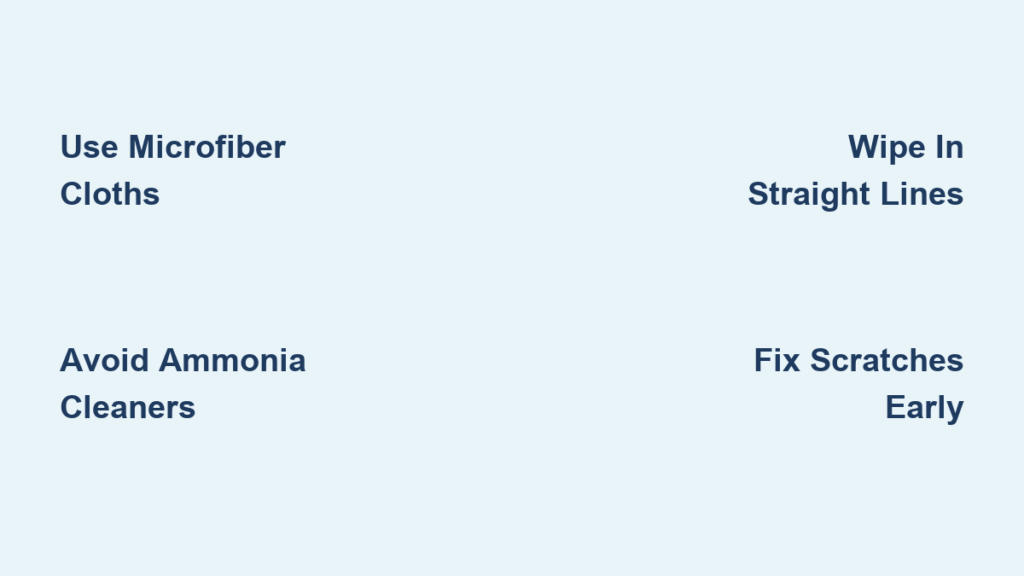
Key Takeaway: How to clean acrylic chairs successfully hinges on three rules: never use ammonia, always wipe in straight lines, and address scratches immediately. Stick to microfiber cloths, Brillianize, and the Novus system for weekly care. In 5 minutes weekly, you’ll prevent 95% of damage—keeping your chairs crystal-clear for decades. Your investment deserves this precision; treat acrylic like fine crystal, not ordinary plastic.


