
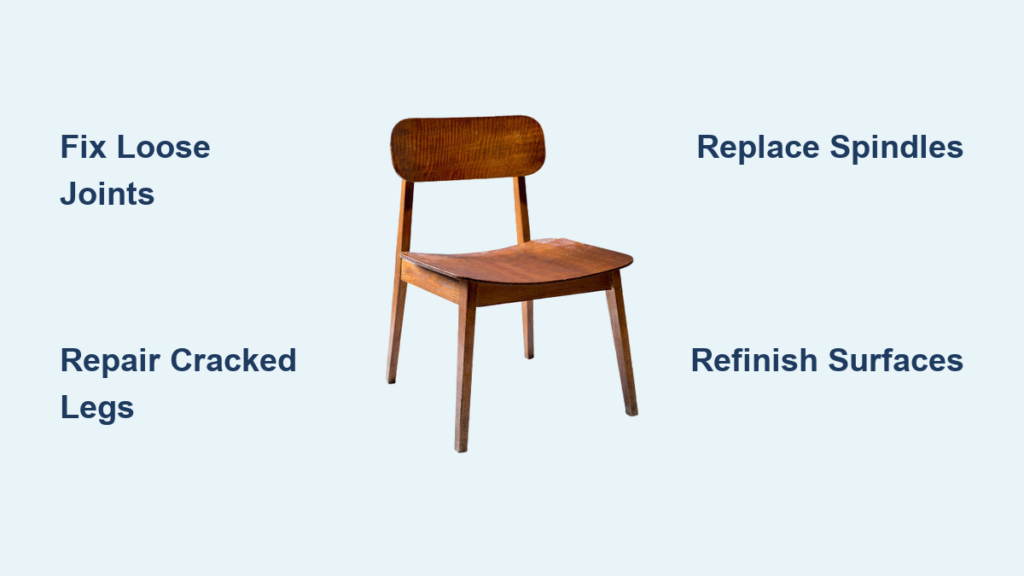
That familiar creak as you settle into your favorite kitchen chair is more than just annoying—it’s a warning sign. When your wooden dining chair wobbles dangerously under your weight or a crack races up the leg, replacing it seems easier than fixing it. But before you toss that beloved piece, know this: how to repair wooden kitchen chairs is a skill that saves hundreds on replacements and preserves furniture with sentimental value. Most common chair failures stem from daily stress on joints and wood fibers, yet with basic tools and weekend commitment, 90% of repairs succeed without professional help. This guide delivers field-tested techniques to eliminate wobbles, mend cracks, and restore rock-solid stability to your kitchen seating.
Essential Tools for Chair Repair
Basic Repair Toolkit
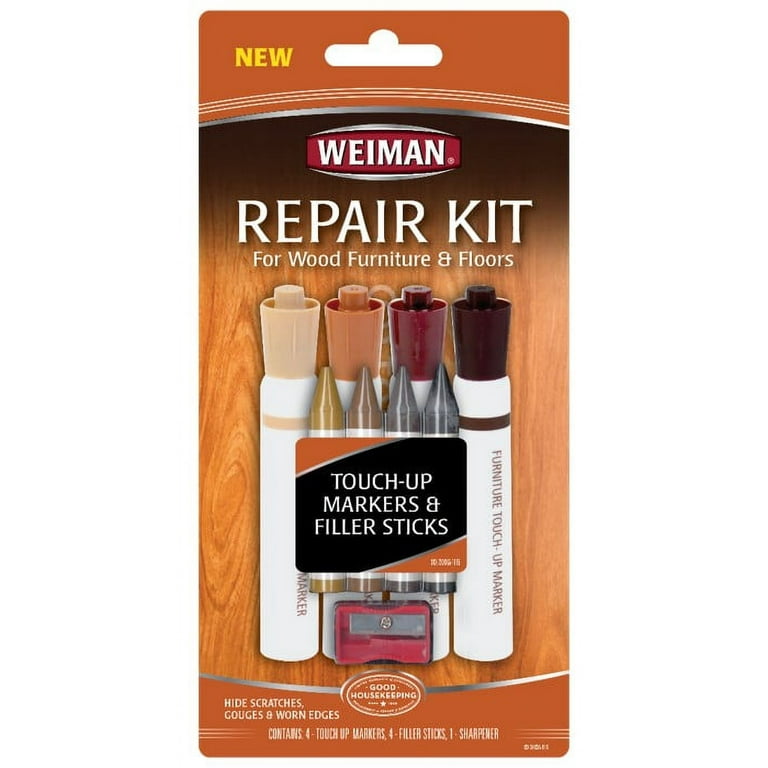
Skip generic toolkits and gather precision instruments for chair-specific fixes. You’ll need bar clamps in 6-inch and 12-inch sizes to grip awkward joints, PVA wood glue for clean-bonding repairs, and epoxy for structural damage where gaps exceed 1/16 inch. Sandpaper in 120, 220, and 320 grits handles everything from aggressive glue removal to final smoothing. Don’t overlook a rubber mallet wrapped in cloth for gentle disassembly—prying with screwdrivers splinters wood fibers. Wood filler patches surface dings, while matching-diameter dowels reinforce failing joints. Pro tip: Buy clamps one size larger than your chair dimensions; oversized clamps reach tight corners where standard tools fail.
Advanced Repair Materials
For stubborn structural issues, add specialized gear to your kit. Pocket hole jigs create hidden reinforcements inside seat frames, while biscuit joiners align broken spindles perfectly during reassembly. Threaded inserts rescue stripped screw holes in chair rails, and wood hardener solidifies rotted leg sections before filling. When refinishing, gel stains offer superior color control over liquid versions for tricky matches. Always test stains on hidden areas first—wood species react differently, especially cherry which darkens significantly over time.
Fix Loose Kitchen Chair Joints
Identify Wobbly Connections
Diagnose joint failure by rocking the chair on a level surface. Visible gaps between legs and seat frames, squeaking under weight, or dried glue residue seeping from joints confirm failure. Focus on high-stress zones: where legs meet the apron, back spindles connect to top rails, and armrests join side frames. If you spot even hairline separations, act immediately—loose joints accelerate damage as movement widens gaps.
Disassemble Problem Joints
Flip the chair upside down on a padded work surface. Place a wood block against the joint and tap gently with your rubber mallet—never force separation. Mark mating pieces with numbered tape to avoid reassembly errors. For stubborn joints, drill 1/8-inch holes through the joint to inject glue later, but avoid this on thin spindles where holes weaken structure.
Remove Old Glue Residue
Scrape dried glue with a sharp chisel held at 15-degree angle to avoid gouging wood. Follow with 120-grit sandpaper to expose fresh fibers—this step is non-negotiable since old glue prevents new bonds. Wipe surfaces with mineral spirits to remove dust and oils. Critical mistake: Skipping this creates “glue sandwiches” that delaminate within months.
Apply Glue and Clamp
Brush PVA glue evenly on both mating surfaces within 10 minutes (it skins over quickly). Reassemble immediately, tapping pieces flush with your wood block. Apply bar clamps diagonally across leg pairs to pull the frame square—test with a level. Wipe excess glue with a damp rag before it dries (within 5 minutes). Clamp for 24 hours for full strength, though chairs regain 80% stability after 2 hours for cautious use.
Repair Cracked Chair Legs

Assess Crack Severity
Press thumb against the crack while flexing the leg gently. Hairline cracks that don’t separate under pressure only need cosmetic fixes. Structural cracks that widen or run through the entire leg require epoxy reinforcement. Ignoring deep cracks risks leg failure—especially dangerous on rear chair legs bearing backward weight.
Repair Structural Leg Cracks
Drill 1/16-inch holes every inch along the crack to create glue reservoirs. Inject thickened epoxy through a syringe, then clamp every 4 inches with padded clamps. For cracks through the leg’s width, drill perpendicular 1/4-inch holes and insert glued dowels as internal splines. Sand flush after 48-hour cure. Warning: Never use a chair with structural cracks until epoxy fully cures—test with light hand pressure first.
Replace Broken Back Spindles
Measure Broken Spindles
Remove the entire back assembly to access tenon joints. Record exact length, diameter at thickest point, and tenon dimensions (the protruding end that fits into rails). Note any tapers or carvings—oak spindles often have pronounced grain patterns affecting replacement matching.
Install New Spindles
Apply glue to both the rail mortise and spindle tenon. Tap the new spindle into place using a protective wood block to avoid marring. Check alignment against adjacent spindles—use a straight edge to verify all are parallel. Clamp the back assembly overnight before reattaching to the seat. If replacing multiple spindles, work on one section at a time to maintain overall alignment.
Restore Chair Seats

Solid Wood Seat Repair
For dents, dampen a cloth with water and press onto the depression for 10 minutes—the moisture swells compressed fibers. Once dry, sand smooth with 220-grit paper. Deep cracks require tinted epoxy: mix epoxy with sawdust from the same wood species, press into the crack, then sand flush after curing. Avoid wood filler on structural cracks—it lacks holding strength.
Plywood Seat Issues
Address delamination by injecting PVA glue between separating layers with a syringe. Clamp firmly under heavy books for 48 hours. For veneer chips, fill with matching wood filler, then layer gel stain in thin coats to blend. Severe damage often warrants cutting a new seat from 3/4-inch Baltic birch plywood—more stable than standard plywood for chair use.
Refinish Kitchen Chair Surfaces
Identify Existing Finish
Scrape a hidden area with a knife: Shellac flakes off easily, polyurethane peels in thick sheets, and oil finishes leave no residue. Test with acetone—if it dissolves the finish, it’s likely lacquer or shellac. Matching the original finish type ensures adhesion; applying polyurethane over shellac causes peeling.
Remove Old Finish
Apply chemical stripper thickly to vertical surfaces, covering with plastic wrap to prevent drying. Wait until bubbles form (15-30 minutes), then scrape with a dull-edged tool. For horizontal surfaces, sand progressively from 120 to 320 grit, always following the wood grain to avoid scratches. Vacuum dust between grits—mineral spirits wipe-downs reveal hidden particles.
Prevent Future Chair Problems
Monthly Maintenance Routine
Tighten all visible screws with a properly sized screwdriver (slippage strips heads). Listen for squeaks when sitting—they signal developing joint separation. Address wobbles immediately; a loose joint transfers stress to neighboring connections, causing chain-reaction failures. Place felt pads under legs to minimize floor-scraping stress during movement.
Load Distribution Tips
Discourage standing on chairs—most fail under vertical loads exceeding 300 pounds. Distribute weight toward the chair’s center; sitting on front edges strains leg-to-seat joints. Rotate chair positions monthly to even out sun exposure and wear patterns. For families, assign specific chairs to lighter/heavier users to balance stress.
Troubleshooting Stubborn Repairs
Chair Still Wobbles After Repair
Measure diagonals across the seat frame—if measurements differ by more than 1/8 inch, the frame is out of square. Disassemble and re-clamp while verifying right angles with a speed square. Check leg lengths: uneven floors often hide matching leg lengths, but true stability requires all four legs contacting the floor simultaneously. Insert paper shims under shorter legs as a temporary fix.
Glue Joints Fail Repeatedly
Ensure surfaces are bone-dry—humidity under 60% prevents moisture interference. Use fresh PVA glue (discarded after 12 months) and apply liberally—starved joints fail prematurely. For chronic failures, switch to epoxy which bonds even on slightly contaminated surfaces. Clamp pressure should squeeze out a thin glue bead along the joint; insufficient pressure creates weak bonds.
Stain Color Mismatch
Layer multiple thin coats of gel stain rather than one thick application—this builds color gradually for precise matching. If mismatch persists, completely refinish all chairs in a set; slight variations become obvious when one chair looks newer. For oak chairs, apply a grain filler before staining to prevent blotchiness in open pores.
That wobble you’ve been ignoring? It’s not just annoying—it’s stealing confidence every time you sit down. But now you know how to repair wooden kitchen chairs with proven techniques that restore rock-solid stability. Start with the loosest joint this weekend: clamp, glue, and cure. Within hours, you’ll transform that nervous perch into a throne worthy of family dinners. Remember, the true cost of repair isn’t measured in glue or sandpaper—it’s the decades of memories preserved in solid wood. Your chairs waited this long to be fixed; they’ll outlast you with proper care. Grab your clamps, and reclaim your kitchen’s foundation—one joint at a time.


