
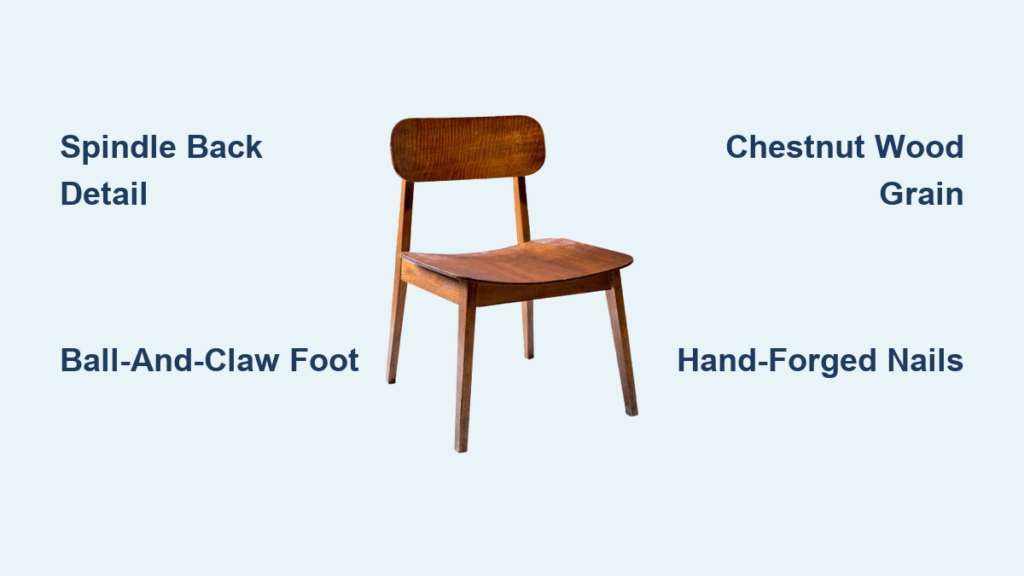
Your living room feels flat despite new paint and rugs. The missing element? An authentic vintage chair that tells a story. Most buyers waste money on reproductions because they can’t distinguish a true Georgian mahogany side chair from a modern knockoff. This guide reveals exactly how to identify eight major types of vintage chairs by construction details, wood grain, and historical markers—so you invest wisely whether furnishing a farmhouse or building a collection.
Windsor Chair Styles Every Collector Must Recognize
Spindle Back Construction Secrets
Authentic spindle-back Windsors scream 18th-century craftsmanship through their ingenious wood selection. Notice how the elm seat withstands daily wear while ash spindles flex under pressure—the exact combination that let these chairs survive centuries. Skip pieces with stretchers between legs; original Windsors relied on splayed legs for stability alone.
Critical identification checklist:
– Hand-turned spindles showing subtle tool marks
– Elm seats with characteristic coarse grain (never smooth like modern wood)
– No glue in joints—only pegged mortise-and-tenon construction
– Irregular saw marks on hidden surfaces from pit-sawing (pre-1800)
High-Value Windsor Variations
Wheel back Windsors command $1,400+ when genuine—spot fakes by checking the wheel splat’s symmetry. Authentic Georgian examples show slight hand-carving variations, while reproductions mirror perfection. Slat back Windsors dominate farmhouse kitchens at $350-$650, but demand original elm seats. Refinished beech seats slash value by 40%. For reading nooks, bow arm Windsors offer ergonomic support with their curved arms—expect $950 for untouched 19th-century pieces.
Georgian Mahogany Chairs: Decoding Cabriole Leg Authenticity
:max_bytes(150000):strip_icc()/identifying-antique-furniture-foot-styles-4072015_v1-91cc49d00c3d4c9093fdef5df03f1a04.png)
Ball-and-Claw Foot Verification
Georgian side chairs worth $1,950 for a set of four reveal their era through foot details. True ball-and-claw carvings show asymmetrical claws gripping irregular balls—machine-made reproductions create uniform shapes. Run your fingers under the seat: hand-cut dovetails and sawdust-filled joints confirm pre-1830 origin. Machine-cut joints with clean saw marks indicate post-1830 production.
Red flags that kill value:
– Perfectly symmetrical claw carvings
– Machine-smooth wood grain under upholstery
– Modern synthetic fabrics (period pieces used horsehair or linen)
– Uniform nail holes (hand-forged nails created irregular shapes)
French Rococo Seating: Louis XV Chair Identification
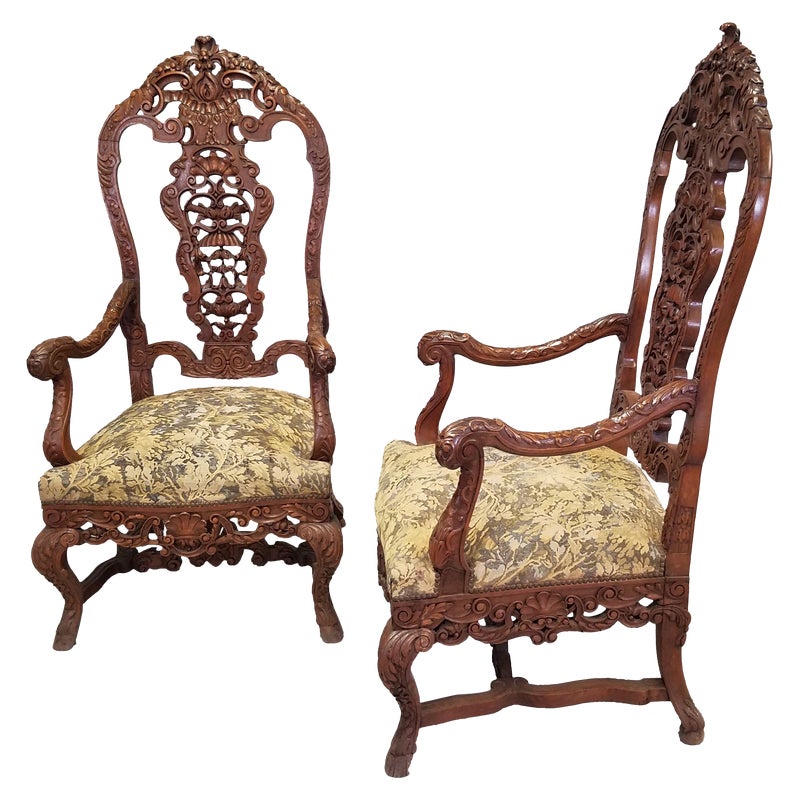
Chestnut Wood vs. Walnut Confusion
That “French” chair isn’t Louis XV unless it’s chestnut—not walnut. Authentic pieces use lighter chestnut wood that carves fluid curves impossible with dense walnut. Check for scroll feet with three distinct toes; reproductions often simplify to two. Original needlepoint upholstery (if present) shows irregular stitching density—machine embroidery creates robotic uniformity.
Placement tip: Never use Louis XV chairs alone. Their curved backs demand pairing to create conversation circles. A single chair loses 30% value in collector eyes.
Victorian Wingback Evolution: From Draft Blockers to Chesterfields
Button Tufting Authenticity Test
Victorian wingbacks solved real problems—those high wings blocked fireplace drafts. Today, $1,900 yellow Chesterfields reveal fakes through tufting. Authentic pieces require 7-8 yards of leather pulled tight enough that buttons sit flush with the surface. Loose tufting or visible foam edges indicate modern reupholstery. Bun feet should show wood compression from decades of weight—not pristine carving.
Critical detail: Nailhead trim on genuine Chesterfields follows the leather’s natural curve. Straight lines mean machine installation.
Country Oak Chair Hallmarks: Tudor to Georgian
Saw Mark Dating Technique
Pre-1800 country oak chairs display wavy saw marks from water-powered mills, while post-1800 pieces show straight parallel lines from steam-powered saws. Examine the seat underside: true 17th-century examples use pegged construction without glue. Refinished chairs lose value—original patina from centuries of use creates a warm, uneven surface modern sanding can’t replicate.
Value booster: Sets of six oak chairs command $3,200 versus $425 per individual chair. Never break up matched sets.
Scandinavian Modern Chair Investment Potential
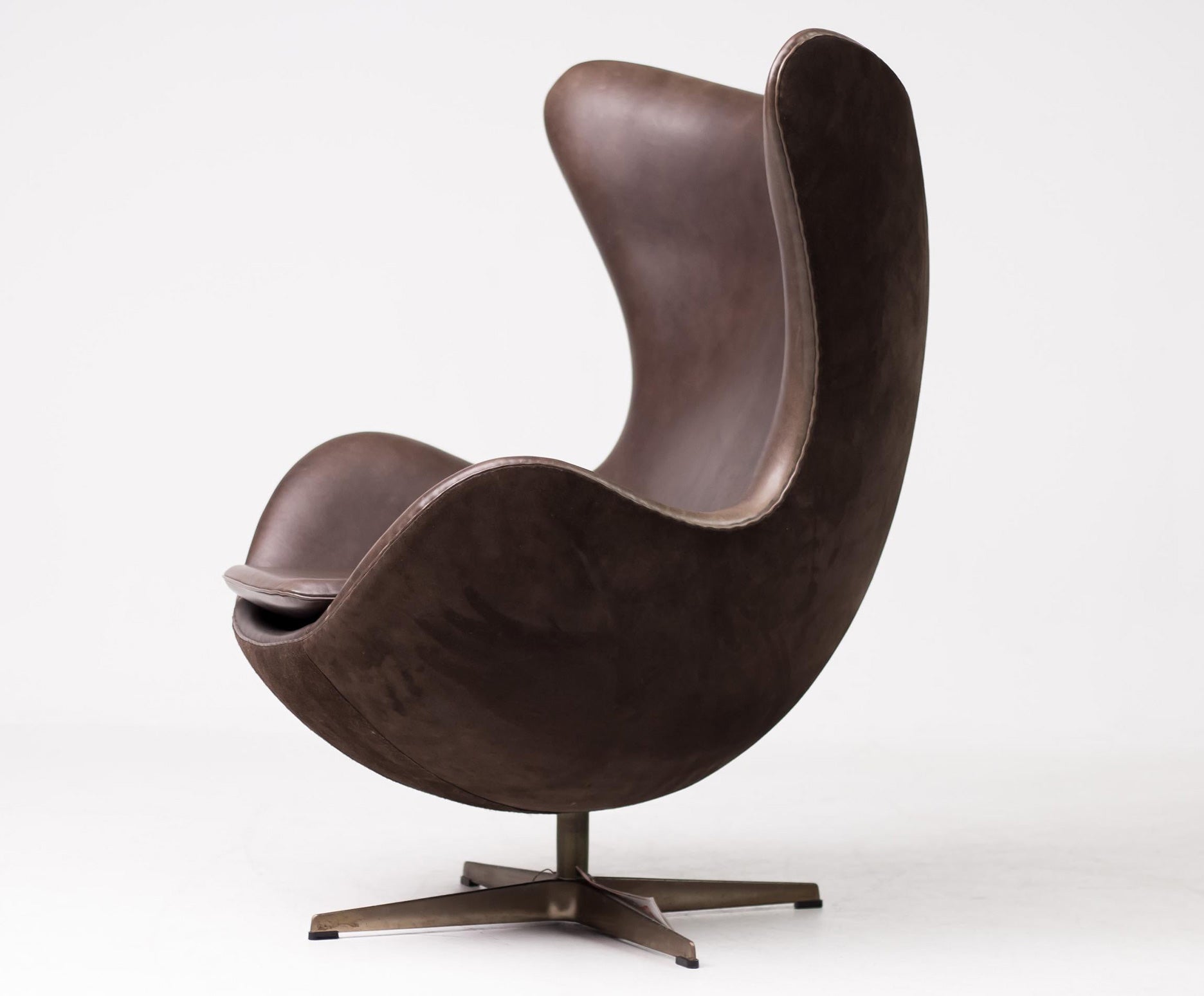
Teak Grain Authentication
Scandinavian chairs hitting $2,500 for six-piece sets showcase teak’s “tiger stripe” grain pattern. Run your palm across the surface: authentic mid-century pieces feel slightly uneven from hand-sanding, while reproductions feel uniformly smooth. Check for signature maker’s marks like Arne Jacobsen’s “AJ” stamp—absence of provenance documentation cuts value by 60%.
Modern placement hack: Pair these with industrial lighting. The clean lines bridge vintage and contemporary spaces without looking dated.
Leather-Seated Antique Chair Red Flags

Tooling Pattern Analysis
17th-century leather-seated chairs worth $850 require asymmetrical tooling patterns. Machine-tooled leather creates repeating motifs; hand-tooled pieces show slight variations in depth and spacing. Brass studs should sit flush with the leather—not raised on modern replacements. Most critical: original leather develops crackled patina along stress points. Perfectly smooth leather means replacement.
Warning: Never clean antique leather with saddle soap—it strips centuries of patina. Use pH-neutral leather conditioner only.
Wood Type Identification That Prevents Costly Mistakes
Mahogany vs. Walnut Spot Test
Georgian chairs using mahogany glow reddish-brown under natural light and show interlocking grain patterns. Walnut appears cooler and darker with straighter grain. For Windsor chairs, elm seats have distinctive “feathery” grain that never appears in beech reproductions. Run a magnet along joints: iron nails confirm pre-1800 origin (steel nails came later).
Pro tip: Shine a UV light on upholstery—period fabrics fluoresce yellow while modern synthetics glow bright blue.
Authentication Checklist: Pre-1800 vs. Post-1830
Hardware Dating Shortcuts
Pre-1800 chairs feature hand-forged nails with irregular heads and tapered shafts. 1800-1830 pieces mix hand-cut dovetails with early machine nails (square shanks). Post-1830 reproductions show uniform wire nails and machine-cut joints. Always inspect the chair underside—authentic age shows through construction, not surface appearance.
Critical inspection points:
– Check leg-to-seat joints for glue (modern addition)
– Examine wood shrinkage cracks—they follow grain direction in antiques
– Verify patina depth in carved details (reproductions have shallow wear)
– Test wood hardness—elm seats resist dents better than beech
Value Preservation Rules Every Buyer Breaks
The 40% Patina Premium
Original patina commands 40-50% higher prices than refinished chairs. Refinishing removes historical evidence collectors value most. Instead of stripping, apply beeswax polish quarterly to protect surfaces. Position chairs away from south-facing windows—UV damage causes irreversible finish checking within 18 months.
Environmental control must: Maintain 35-45% humidity. Fluctuations above 50% cause wood to swell and crack joints.
Strategic Placement for Maximum Impact
Kitchen Windsor Chair Arrangement
Farmhouse slatback Windsors ($350-$425) thrive in kitchens when grouped with mixed wood tones—elm seats with beech arms create intentional “collected over time” authenticity. Never place near dishwashers; steam warps wooden seats within months. For breakfast bars, choose spindle-back Windsors—their slight flex provides comfort during long meals.
Modern twist: Pair vintage oak side chairs with a sleek concrete table for farmhouse-meets-industrial contrast.
Investment Priorities: What Appreciates Fastest
Set Value Multiplier Effect
Individual Windsor chairs hold value at $350-$650, but complete sets multiply per-chair worth. Six 18th-century oak chairs recently sold for $3,200—$533 per chair versus $425 individually. Georgian mahogany sets ($1,950 for four) appreciate 8% annually when original upholstery remains intact. Avoid pieces with replaced leather—the market values honest repairs over “perfect” refinishing.
Entry strategy: Start with elm spindle-back Windsors. Their $350 price point offers learning opportunities without major risk. Gradually add French salon chairs ($2,600/pair) as your eye develops.
Vintage chairs reward the educated buyer. Spot authentic types of vintage chairs by examining construction—not just surface beauty. Prioritize original patina over perfection, and always verify wood types and joinery methods. Within months, you’ll confidently distinguish Georgian mahogany from Victorian reproductions, turning every purchase into a conversation piece with lasting value.


