
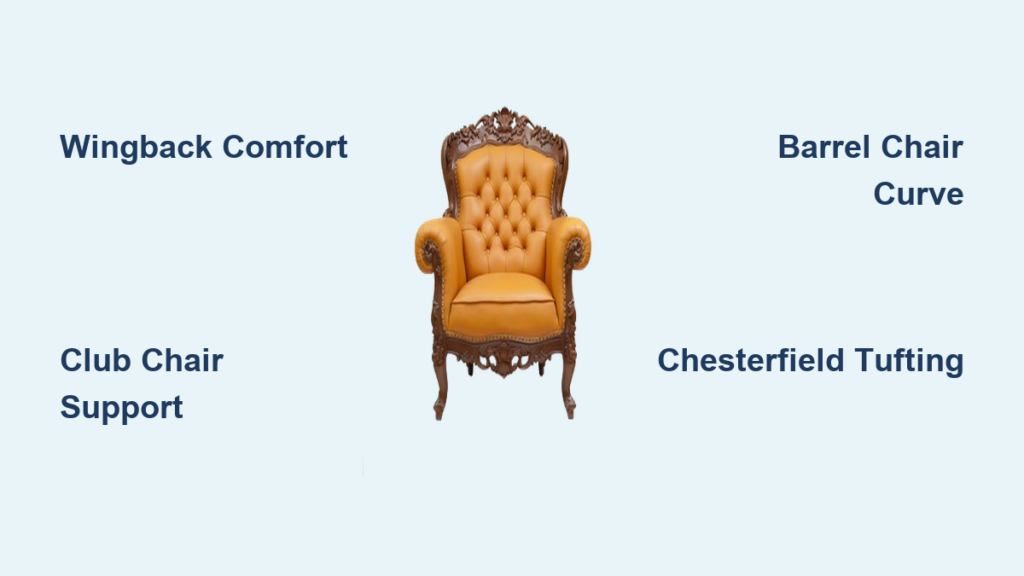
You sink into your living room chair after a long day, only to feel your lower back protesting within minutes. Or maybe you’ve just refinished your dining room with a sleek modern table, but the mismatched dining chairs make the space feel disjointed. The right upholstered chair solves both problems—it transforms how your room functions while elevating your daily comfort. With fifteen distinct types of upholstered chairs available, each offering unique support, proportions, and aesthetic personalities, choosing becomes overwhelming without clear guidance. This definitive guide cuts through the confusion, breaking down every major chair style so you can match seating to your actual lifestyle—not just fleeting trends.
Understanding types of upholstered chairs means recognizing how form follows function. A wingback’s high sides shield you from drafts just as they did in 17th-century English manors, while a slipper chair’s armless design maximizes tight spaces exactly as Victorian ladies intended. Whether you need deep seating for marathon reading sessions or space-saving silhouettes for compact apartments, this guide reveals exactly which chair types deliver. You’ll learn to spot quality construction details, avoid common sizing mistakes, and select fabrics that survive daily life—all backed by historical context and practical application tips.
Wingback Chairs: Your Draft-Defying Reading Sanctuary
Why High Wings Transform Comfort
Wingback chairs create a cocooned retreat with side wings extending from the backrest to the arms—originally engineered in 1600s England to block fireplace drafts while trapping warmth. Today’s versions maintain this functional elegance but adapt to modern living. Look for wings that curve inward at eye level; this subtle angle provides side head support during naps without obstructing your view of the room.
Critical measurements for your space:
– Height clearance: Requires 36-48 inches (avoid ceilings under 8 feet)
– Footprint: Needs 30-38 inches depth to accommodate the full curve
– Seat height: 18-20 inches ensures proper leg alignment when reading
Leather vs. Linen: Upholstery That Ages Gracefully
Skip stiff traditional brocades if you want daily use—opt for performance velvet or tightly woven linen that softens with use while resisting pilling. For high-traffic areas, choose top-grain leather with aniline dye; it develops a rich patina rather than cracking like bonded alternatives. Always inspect the armrest padding: wings should have 2-3 inches of foam density (1.8+ lb) to prevent collapse after months of resting elbows.
Placement Pitfalls to Avoid
Never wedge wingbacks flush against walls—their dramatic profile needs breathing room. Position them 12 inches from side walls and 18 inches from fireplaces for safety. In open-plan spaces, angle them toward conversation zones instead of placing them head-on to sofas. For small rooms, select petite models under 32 inches wide with tapered legs to maintain visual lightness.
Club Chairs: Deep-Seated Comfort for Long Conversations

Low-Back Luxury Without Back Pain
Club chairs deliver sink-in comfort through their signature low backs (28-32 inches tall) and deep seats (22-24 inches), but cheap versions cause slouching. Demand kiln-dried hardwood frames with eight-way hand-tied springs—they flex with your body instead of sagging. Test the cushion: high-density foam (2.0+ lb) should rebound within 5 seconds when pressed. Avoid models under 45 pounds; lightweight builds often use particleboard that warps over time.
Leather Grades That Stand the Test of Time
Top-grain leather develops character with use but requires quarterly conditioning—skip this step, and UV exposure causes irreversible cracking within 2 years. For pet owners or families, choose Crypton fabric: it repels stains while mimicking leather’s breathability. Never buy “genuine leather” tags; this usually means split-grain with vinyl coating that peels at stress points like armrests.
Bergère Chairs: French Elegance Without the Fragility
Carved Frames That Won’t Wobble
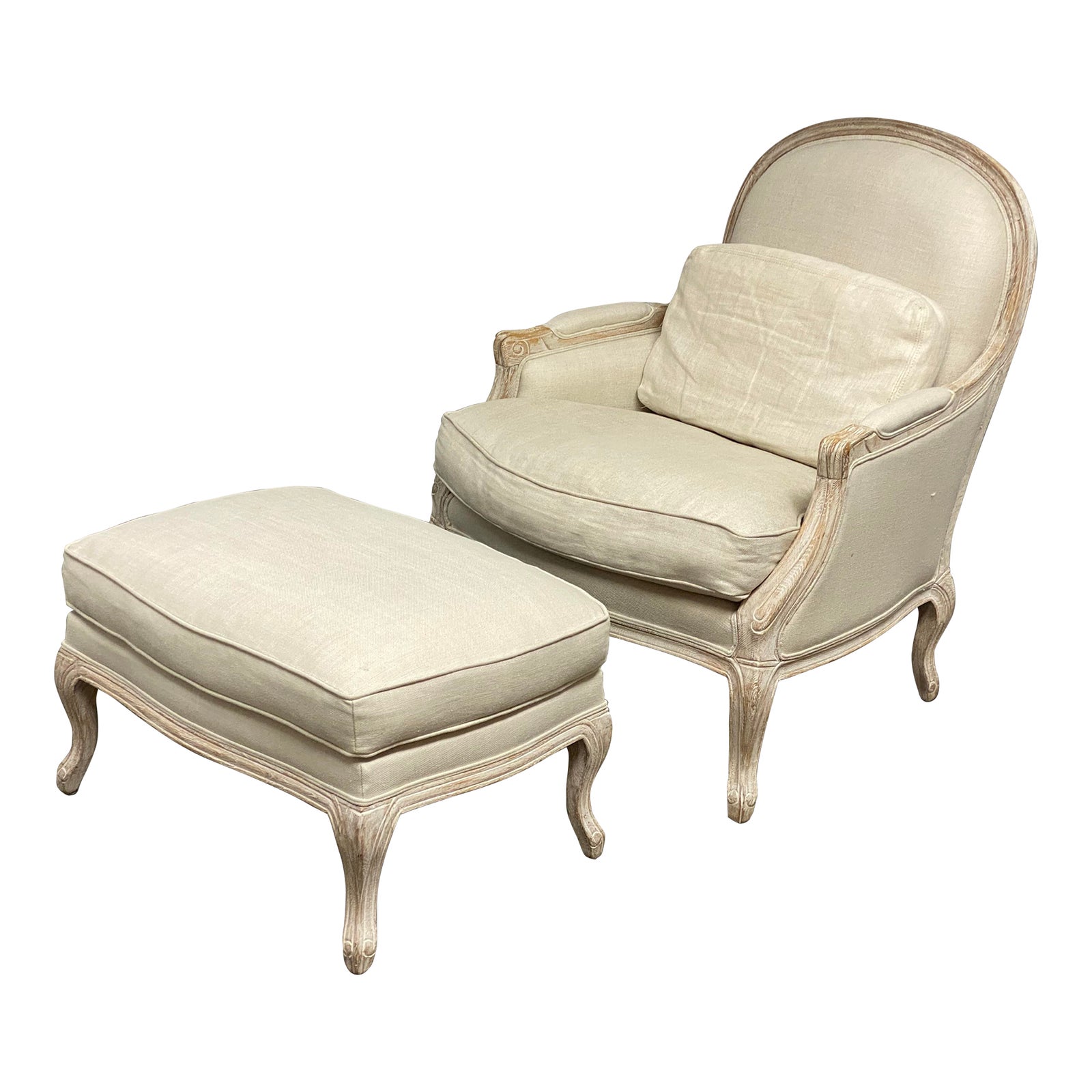
Authentic Bergère chairs feature exposed beech or mahogany frames with cabriole legs, but weak joints cause leg separation. Tap the frame joints—they should sound solid, not hollow. Insist on double-doweled construction; single dowels loosen as wood expands. For modern durability, select pieces with hidden metal brackets reinforcing the seat-to-back connection.
Upholstery Hacks for Daily Use
Traditional silk or damask fabrics snag easily—opt for linen-velvet blends with 30,000+ double rub counts. The loose seat cushion is key: it should lift out easily for fluffing but stay securely in place when sitting. In homes with kids, choose removable cushion covers with hidden zippers; this lets you machine-wash spills without full reupholstering.
Slipper Chairs: Armless Space Savers for Tight Spots
Why Low Seat Height Backfires
Slipper chairs shine in compact spaces with their 15-17 inch seat height and 22-26 inch width, but too-low models strain your knees when standing. Test chairs with your shoe height in mind: if you wear heels regularly, select 16+ inch seats. Avoid skirted designs in high-traffic areas—they trap dust bunnies under 18-inch pleats. Instead, choose tailored skirts with kick pleats that stay crisp after daily use.
The Mobility Myth Debunked
While marketed as “lightweight” (25-45 lbs), many slipper chairs lack glide feet. Add self-adhesive felt pads to the bottom—they prevent floor scratches during repositioning and reduce drag when moving chairs across rugs. For bedroom vanity use, select models with rounded back corners; sharp edges dig into your shoulder blades during makeup application.
Barrel Chairs: Curved Comfort That Works From Every Angle
Identifying Quality Curve Construction
Barrel chairs should feel like a hug, not a trap. Sit sideways to test the curve—your shoulders shouldn’t press against the arms when relaxed. Weak frames use bent plywood that cracks at stress points; demand solid wood staves with cross-bracing visible under the upholstery. The best versions have sinuous springs (not webbing) that distribute weight evenly across the 360-degree seat.
Style Swaps for Modern Spaces
Skip tufted leather if you have kids—it shows every fingerprint. Instead, choose contemporary barrel chairs with wipe-clean performance fabric in charcoal or navy. Pair them with metal bases rather than wood legs to prevent visual heaviness in small rooms. For TV rooms, select swivel barrel chairs; the rotation lets you pivot toward screens without straining your neck.
Chesterfield Chairs: Tufted Luxury Without the Stiffness
The Deep Tufting Trap
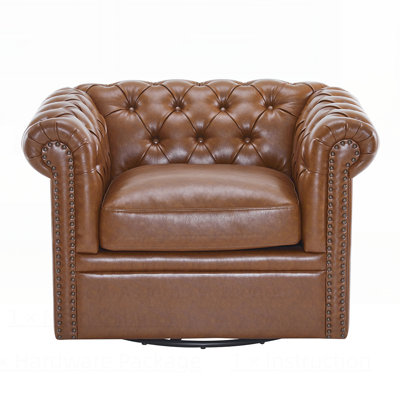
Chesterfields boast dramatic diamond tufting, but shallow buttons (under 6 inches deep) create uncomfortable pressure points. True Chesterfields require 40-60 buttons to maintain that sculpted look—fewer indicates cost-cutting. Test the arms: they should be firm enough to rest elbows but yield slightly when pressed. Avoid bonded leather; its vinyl backing cracks along tufting lines within 18 months of regular use.
Formal Placement Made Casual
Don’t relegate Chesterfields to libraries—modernize them in dining rooms by pairing with organic-shaped tables. Choose oxblood or forest green velvet instead of traditional brown leather to soften the formality. For open-plan homes, position them perpendicular to sofas; the high back creates visual separation without blocking sightlines.
Parsons Chairs: Minimalist Dining Chairs That Pull Double Duty
The Upholstery Flexibility Secret
Parsons chairs work everywhere because their clean lines (18-20 inches wide) don’t compete with other furniture. For dining use, select models with performance fabric seats and exposed wood legs—it hides crumbs better than full upholstery. In home offices, choose versions with 2-inch foam seat cushions; thinner padding causes hip fatigue during long work sessions.
Stackability That Actually Works
Many Parsons chairs claim “stackable” design but wobble when piled. Test stacking in-store: four chairs should sit stable without leg interference. For rental properties, select powder-coated metal leg versions—they withstand搬动 better than delicate wood. Always measure your storage space; stacked chairs often exceed 5 feet tall.
Recliner Chairs: Mechanized Comfort Without the Bulk
Wall-Hugger Clearance Test
Don’t assume all recliners need 24 inches of rear space—true wall-huggers glide forward as they recline, needing just 4-6 inches. Perform this test before buying: sit in the chair and have someone measure the distance from the wall to your head as you recline. If it exceeds 8 inches, skip it for small rooms.
Fabric Survival Guide
Microfiber beats leather for daily recliners—it breathes better during extended sitting. Avoid tight weaves; they resist stains but feel clammy. Instead, choose textured performance fabrics like Sunbrella that hide pilling at stress points (armrests, footrest folds). For lift chairs, verify the upholstery has antimicrobial treatment—it prevents odor buildup from frequent use.
Chaise Lounge Chairs: Full-Length Relaxation Without the Snag
Back Height That Supports Proper Posture
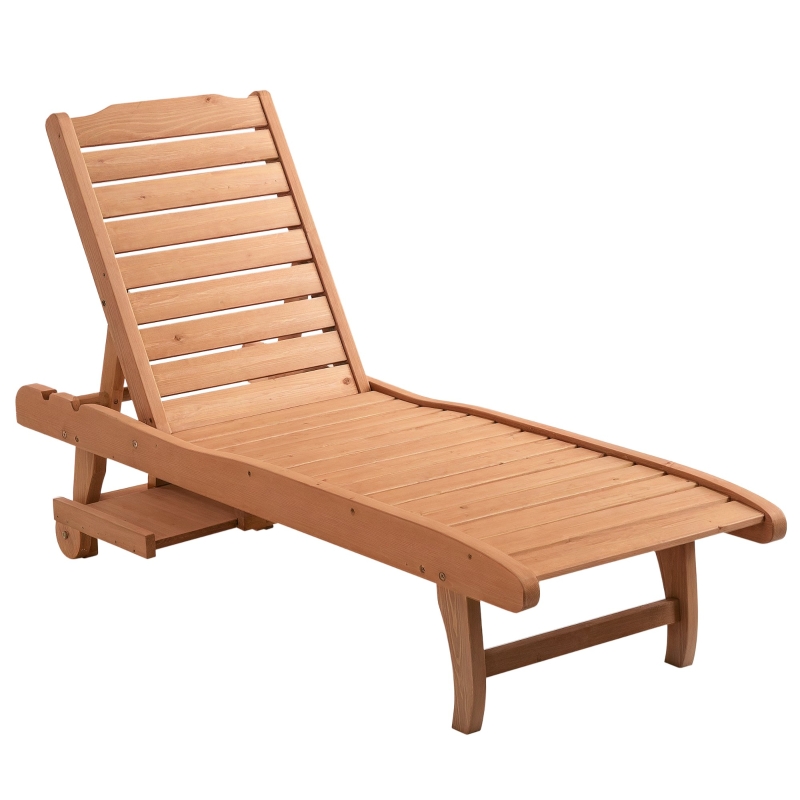
Chaise lounges range from 24-36 inches in back height—too low causes neck strain when reading. Sit with your feet extended: the back should support your shoulder blades without pressing against your head. For petite users (under 5’4”), choose models with adjustable backrests; fixed heights often force uncomfortable curling.
Outdoor-Ready Materials That Last
If using chaise lounges near pools, skip natural fibers—they mildew within one season. Demand solution-dyed acrylic fabrics like Sunbrella; they resist fading even after 500+ UV hours. Check the frame: marine-grade aluminum won’t rust like steel when exposed to chlorine. Always store cushions indoors overnight; prolonged moisture breaks down foam cores.
Maintenance by Chair Type: Proven Cleaning Shortcuts
Leather Revival in 5 Minutes
Wipe leather chairs weekly with a microfiber cloth dampened with distilled water—never soap, which strips natural oils. Quarterly, apply a pH-balanced conditioner (like Lexol) using circular motions; this prevents the 90% of cracks caused by dryness. For ink stains, rub gently with a cotton swab dipped in rubbing alcohol—test in hidden areas first.
Fabric Protection That Actually Works
Spray performance fabrics with Scotchgard every 6 months, holding the can 12 inches away for even coverage. Vacuum weekly with an upholstery attachment to prevent dirt from grinding into fibers. For microfiber spills, blot immediately with a white towel, then rub with a dry nylon brush—it lifts stains without water rings.
The perfect upholstered chair blends seamlessly into your daily rhythm while making a deliberate style statement. Whether you choose a stately wingback for fireside reading or a space-savvy slipper chair for apartment living, understanding these types ensures your seating supports how you actually live—not just how you wish you lived. Prioritize frame construction and fabric performance over fleeting trends, and your chair will deliver comfort for decades. For ongoing care, bookmark our fabric-specific cleaning guide to extend the life of your investment.


