
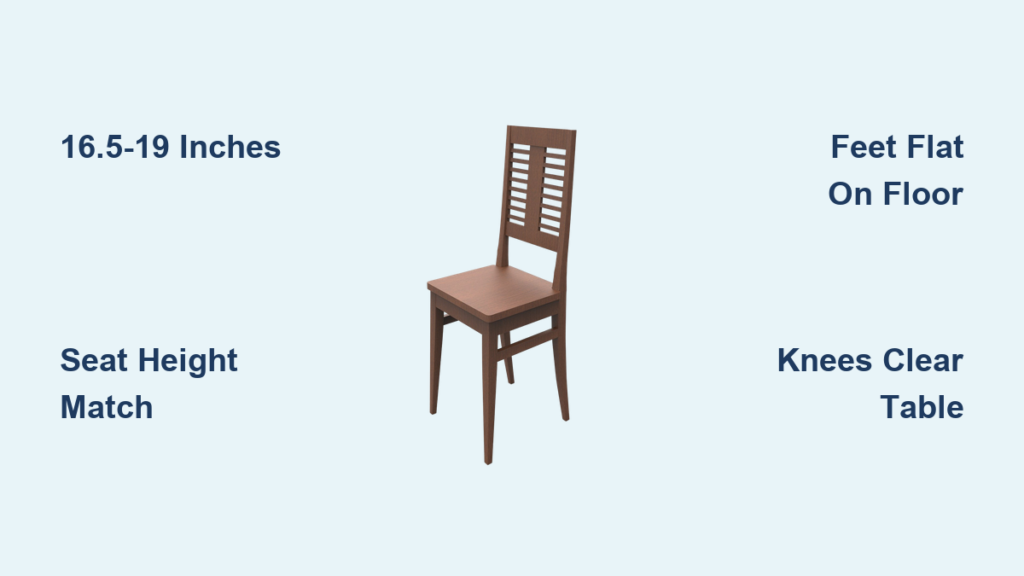
Sitting down for dinner shouldn’t feel like climbing onto a barstool or sinking into a kindergarten chair. Yet many homeowners discover their new dining set feels awkward—knees bump the table or feet dangle uncomfortably. The culprit is often mismatched chair height. Understanding the standard height of dining chairs ensures comfortable meals and prevents costly furniture returns.
The established sweet spot for dining chair seat height ranges from 16.5 to 19 inches—a measurement that has remained remarkably consistent despite evolving design trends. This guide breaks down exactly why this range works, how it pairs with standard tables, and what to look for when shopping for your perfect dining chairs.
Why 16.5-19 Inches Is the Gold Standard for Dining Chairs
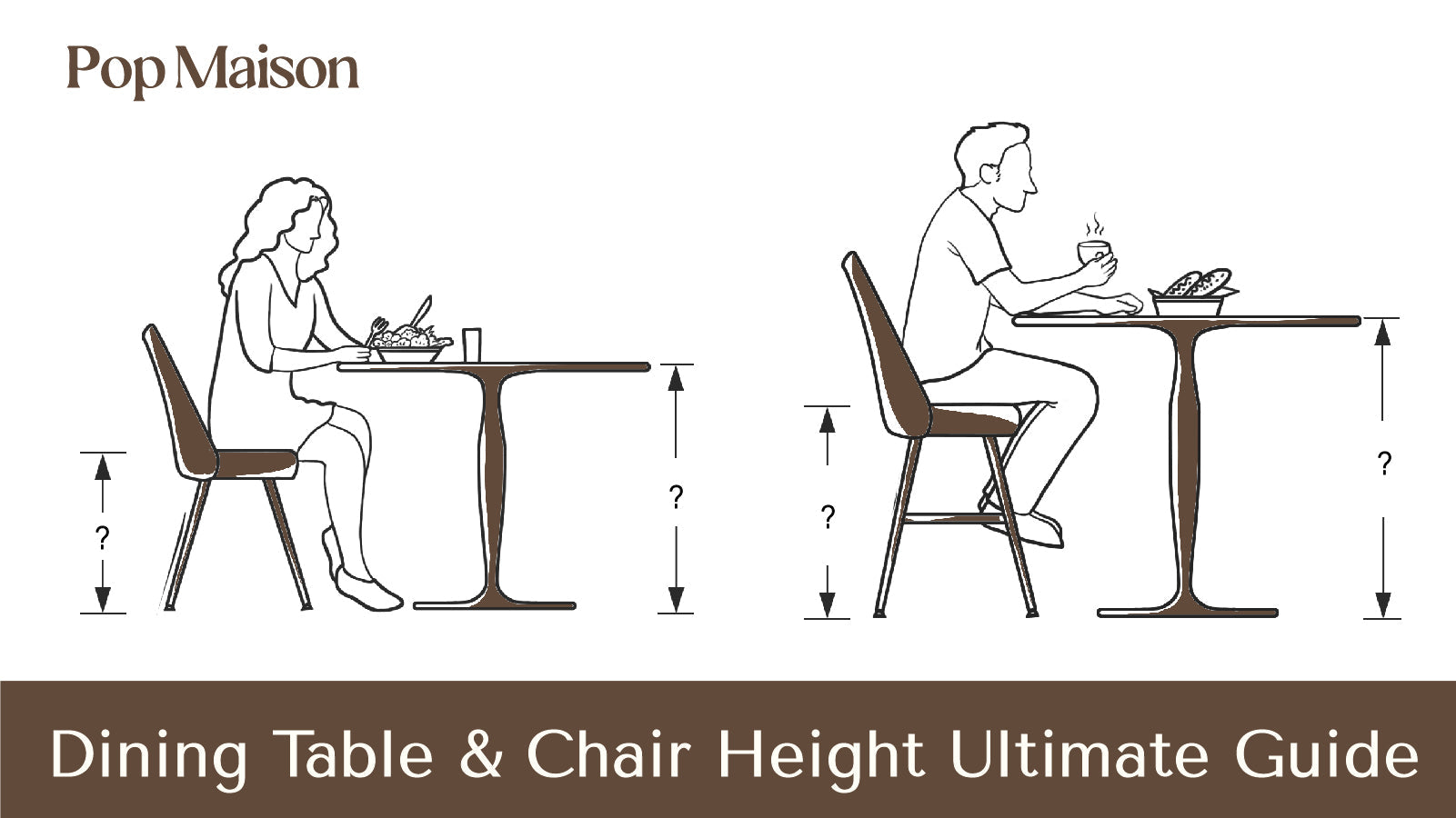
The vertical distance from floor to seat top determines whether you’ll dine comfortably or awkwardly hunch over your plate. This 2.5-inch range accommodates the vast majority of adult body types while maintaining compatibility with standard dining tables.
The Science Behind Comfortable Dining Posture
Most dining tables stand 28 to 30 inches tall. The 16.5-19 inch chair seat creates an optimal 10-13 inch gap between seat and tabletop—enough space for your thighs to fit comfortably without your knees hitting the table underside. This spacing also allows most adults to rest their feet flat on the floor, promoting better posture during longer meals.
When your chair height falls outside this standard height range, you’ll experience one of two uncomfortable scenarios: either you’re straining to reach the table (if the chair is too low), or you’re perched uncomfortably with your knees bent at an awkward angle (if the chair is too high).
How to Verify Your Chair’s True Height
Before shopping for replacements, verify your current chairs’ actual height. Use a measuring tape from the floor to the highest point of the seat where you sit. If your measurement falls outside 16.5-19 inches, you likely have counter-height or bar-height stools rather than true dining chairs.
Pro Tip: When measuring upholstered chairs, press down firmly on the seat cushion to account for compression—this gives you the actual height you’ll experience when seated.
How Chair Materials Maintain Standard Height Consistency

While aesthetics change dramatically across materials, the functional height remains constant. A 17-inch seat height feels identical whether constructed from solid oak or molded plastic.
Wood Construction: Timeless Materials, Consistent Heights
Hardwood chairs like oak, maple, or walnut maintain the standard range through traditional joinery techniques. Engineered woods achieve the same height using cost-effective manufacturing methods without compromising ergonomics. The wood type affects durability and appearance but never alters the critical 16.5-19 inch standard height measurement.
Metal Frames: Sleek Looks Without Sacrificing Standard Height
Steel and aluminum frames often appear thinner visually but maintain identical seat heights. Chrome-plated versions add modern appeal while keeping the crucial 16.5-19 inch measurement intact. The structural integrity of metal allows for minimalist designs that still deliver proper dining ergonomics.
Plastic and Acrylic: Modern Materials Within Standard Dimensions
Modern polymer chairs offer sleek profiles and easy cleaning. From budget ABS to premium polycarbonate, these materials mold precisely to standard height specifications while enabling contemporary designs. Don’t be fooled by the thin appearance—these chairs deliver the same functional height as their bulkier counterparts.
Upholstered Variations: Comfort Without Compromising Height
Foam padding adds comfort but doesn’t affect seat height—the measurement remains from floor to compressed seat surface. Leather and fabric coverings wrap around the standard foam thickness to maintain ergonomic positioning. When shopping for upholstered chairs, press down on the seat to ensure the compressed height still falls within the standard range.
Critical Dining Chair Widths That Pair Perfectly with Standard Heights

Seat height isn’t the only measurement that matters for comfortable dining. While the 16.5-19 inch height stays consistent, other dimensions vary significantly:
Seat Width Range: Finding Your Comfort Zone
16.5 to 22 inches accommodates different body types and spatial requirements. Narrower chairs fit more seats around a table, while wider options provide extra comfort for larger individuals. When selecting chairs, consider both your family’s body types and your table’s dimensions.
Total Chair Height: Why Backrests Vary While Seat Height Stays Standard
From floor to chair back top ranges dramatically—from 28.75 to 37.375 inches across popular models. This variation comes from different backrest heights built upon the standard seat foundation. A high-back formal chair and low-back modern design both rest at 17 inches high where you actually sit. The standard height of dining chairs refers specifically to the seat, not the total chair height.
Why 16.5-19 Inches Became the Standard Dining Chair Height
Today’s chair height didn’t emerge randomly—it’s the result of centuries of ergonomic refinement.
From Status Symbols to Functional Seating
Ancient civilizations reserved chairs for elites, often elevating rulers above commoners. These early “chairs” were more like thrones, with heights determined by status rather than comfort. The Renaissance brought more refined seating, though craftsmen still customized dimensions for individual clients.
Industrial Revolution Standardization
Mass production during the Industrial Revolution demanded consistent sizing. Factory manufacturing required predetermined measurements, leading to extensive ergonomic research. Studies of average adult body proportions established the 16.5-19 inch range as optimal for pairing with standard dining tables. This ergonomic sweet spot has endured because it simply works for most people.
Future-Proof Your Dining Room with Standard Height Chairs
Contemporary furniture manufacturers continue honoring the standard height while incorporating modern innovations.
Sustainable Materials Within Standard Dimensions
Eco-friendly bamboo and recycled plastics now form standard-height chairs without compromising the established ergonomic range. These materials offer environmental benefits while maintaining the proven comfort specifications that have made the standard height of dining chairs so reliable.
Multi-Purpose Designs That Maintain Proper Height
Today’s dining chairs increasingly serve dual purposes—working equally well at kitchen islands or home office desks while maintaining the crucial 16.5-19 inch seat height for dining table compatibility. This versatility makes standard height chairs a smart investment for evolving home layouts.
Adaptable Features Without Height Compromises
Removable cushions and washable covers enhance longevity without altering seat height. These practical additions address modern lifestyle needs while respecting the time-tested ergonomic foundation that defines proper dining chair height.
Iconic Chair Examples That Nail the Standard Height

Leading furniture brands demonstrate how standard height serves as a functional baseline for diverse designs:
- Ant Chair: 31.75″ total height with standard seat positioning at 17″
- CH36 Chair: 32″ overall built upon the established 17″ seat height
- Prouvé Standard Chair: 32″ total while maintaining proper 17.5″ seating height
- Series 7 Chair: 32.5″ tall incorporating the proven 17″ seat height range
These examples prove that aesthetic innovation happens above the seat—the foundation remains constant for comfort and table compatibility.
7-Step Checklist for Buying Perfectly Proportioned Dining Chairs
Follow this practical guide to ensure your new chairs deliver both style and comfort:
-
Measure Your Table First: Standard tables need standard chairs. If your table measures 28-30 inches tall, stick with 16.5-19 inch seat heights. Counter-height tables (34-36 inches) require counter stools (24-26 inch seats).
-
Test Before You Buy: Sit in potential chairs at the store. Your thighs should rest parallel to the floor with feet flat. Knees should clear the table by at least 2 inches.
-
Consider Chair Arms: Armrest chairs fit best at table ends where width isn’t restricted. Armless side chairs maximize seating capacity around rectangular tables.
-
Check Seat Depth: Should be 15-18 inches—enough to support your thighs without pressing against the back of your knees.
-
Verify Legroom: When seated, you should have 2-3 inches between your knees and the table underside.
-
Assess Chair Stability: Wobbly chairs compromise the perfect height—ensure solid construction that won’t shift during use.
-
Think Long-Term: Standard height chairs offer the most flexibility if you decide to change tables later—non-standard chairs often become unusable with new table heights.
The 16.5-19 inch standard has endured for good reason—it simply works for most people at most tables. Whether you choose rustic wood, sleek metal, or colorful plastic, this height range ensures your dining chairs will serve you comfortably for years to come. When you understand the science behind the standard height of dining chairs, you’ll make informed choices that transform mealtime from an awkward experience into a comfortable daily pleasure.


