

Picture this: you’ve finally found the perfect sofa—maybe it’s that sleek gray sectional you’ve been eyeing, or perhaps a cozy rolled-arm beauty in rich leather. But now you’re staring at your living room wondering what chairs could possibly complement it without looking like random afterthoughts. The struggle is real, and you’re not alone. Most homeowners spend weeks agonizing over chair selections only to end up with mismatched pieces that disrupt their carefully curated space.
Whether you’re designing a formal sitting area or creating a casual family room, the relationship between your sofa and chairs will make or break your space. This guide walks you through proven strategies for creating cohesive, functional seating arrangements that feel intentional and inviting. You’ll discover exactly how to pair chairs with sofa in ways that enhance comfort, style, and flow—without costly trial and error.
Scale Relationships That Make Your Space Feel Intentional

Measure Your Sofa First—Not After
Before browsing chair options, grab your measuring tape. Your sofa’s dimensions dictate everything else in how to pair chairs with sofa successfully. Standard sofas sit 17-18 inches high, so target chairs within 15-20 inches for comfortable conversation. A 7-foot sofa pairs best with chairs 32-36 inches wide—never exceeding 75% of your sofa’s width.
Critical proportion checklist:
– Chair seat height: Within 2-4 inches of sofa seat height
– Combined chair width: Maximum 75% of sofa length
– Back height difference: No more than 6 inches taller than sofa
Skip this step, and you risk creating awkward seating arrangements where guests feel either perched or sunken. Take photos of your sofa from multiple angles before shopping—this visual reference helps compare proportions accurately when you’re browsing furniture options.
Visual Weight Balance That Works
That chunky leather sofa demands substantial chairs—think thick arms and solid legs. Conversely, your streamlined mid-century piece needs chairs with lighter profiles. Visual weight matters more than actual size—a delicate acrylic chair can balance a substantial sofa through transparency.
When testing visual balance, step back 10 feet from your sofa and imagine potential chairs in the space. Does the mental image feel heavy on one side? Too crowded? Too sparse? Trust this instinct—it’s your eye recognizing proper visual distribution before you’ve even purchased anything.
Style Coordination Strategies That Feel Intentional

Matching vs. Complementary Approaches
Matching Method: Choose chairs from the same collection or featuring identical elements—arm style, leg finish, upholstery. This creates formal cohesion perfect for traditional spaces or symmetrical layouts. Ideal when you want a curated, designed look with minimal effort.
Complementary Method: Combine different styles sharing common threads. Your modern sofa might pair beautifully with traditional wingback chairs united by matching wood tones or complementary fabrics. This approach adds personality and visual interest while maintaining cohesion.
Pro tip: When mixing styles, limit yourself to two distinct design eras. A mid-century sofa with traditional chairs works when joined by a common element like walnut legs, but adding industrial pieces creates visual chaos.
Period Style Guidelines That Actually Work
Traditional Settings: Wingback or Queen Anne chairs naturally complement rolled-arm sofas. Look for shared curve elements or matching wood finishes—this creates harmony without looking matchy-matchy.
Mid-Century Modern: Tapered legs and clean lines echo your low-profile sofa’s aesthetic. Choose chairs that mirror these angles but vary in color or material for visual interest.
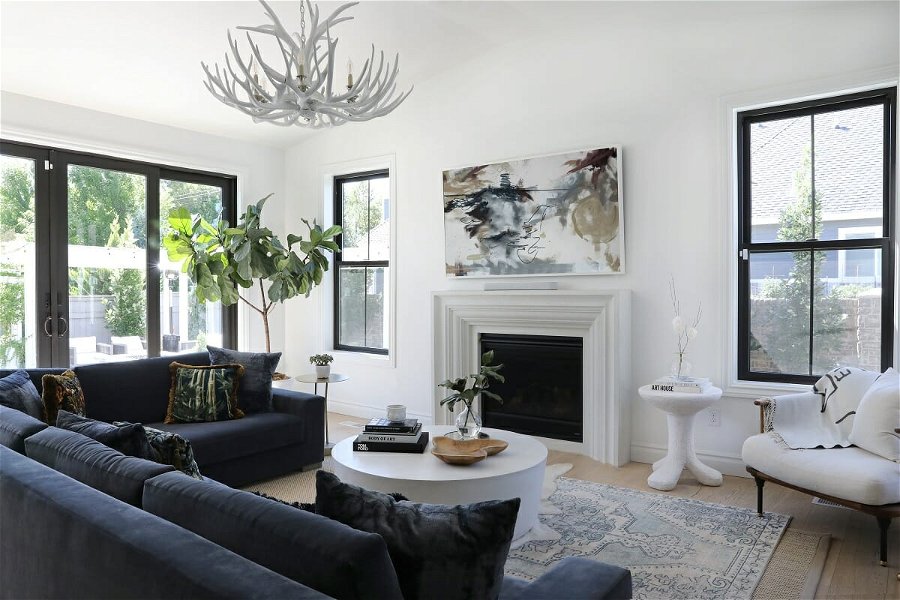
Contemporary Spaces: Mix sculptural modern chairs with streamlined sectionals, using color or texture as your unifying element. A charcoal sofa pairs effortlessly with a single bold orange chair when both share the same sleek silhouette.
Color and Pattern Integration Without Chaos
Monochromatic Sophistication That Feels Luxurious
Create depth through tonal variations rather than competing colors. Your charcoal sofa pairs elegantly with light gray chairs in similar fabric weights. The secret lies in texture variation—mix smooth velvet with nubby tweed, or leather with linen.
Working formula:
– 60% dominant color (sofa)
– 30% secondary color (chairs)
– 10% accent color (pillows/accessories)
Skip this ratio, and your space feels either flat or chaotic. Stick to it, and you create intentional depth that invites people to linger.
Pattern Mixing Rules That Prevent Visual Noise
Scale Variation Formula:
– Large pattern (sofa) + medium pattern (one chair) + small pattern (second chair)
– Ensure all patterns share at least one common color
– Mix organic with geometric, traditional with modern
Solid anchor strategy: When in doubt, use solid chairs with a patterned sofa, or vice versa. Neutral chairs in cream, gray, or beige provide flexibility for future changes while grounding busy upholstery.
Room Layout Configurations That Maximize Function
Symmetrical Arrangements for Formal Spaces
Classic facing pair: Two identical chairs face sofa across coffee table, 8-10 feet apart. This creates formal conversation areas perfect for entertaining. Maintain consistent arm heights for comfortable side table sharing.
L-shape configuration: One chair perpendicular to sofa arm, another opposite the corner. This maximizes seating while maintaining flow—ideal for open concept living areas where you need defined zones.
Small Space Solutions That Don’t Feel Cramped
Scale-down strategies:
– Choose apartment-size chairs (32-36″ wide) with standard sofas (72-84″)
– Select leggy styles to create airiness
– Consider acrylic or glass chairs to reduce visual weight
Multi-functional pieces: Storage ottomans double as extra seating, while nesting chairs tuck away when not needed. Position chairs diagonally to sofa corners rather than directly opposite—this creates the illusion of more space while maintaining conversation flow.
Function-Based Pairing Strategies for Real Life
Conversation Areas That Actually Work
Optimal arrangements:
– Club chairs at 60-70 degree angle to sofa
– Wingback chairs flanking focal points
– Swivel chairs for flexible orientation
Distance guidelines: Maintain 8-10 feet between seating pieces for comfortable conversation without shouting. Measure this before purchasing—too many people discover their chairs sit awkwardly far after delivery.
Creating Intimate Reading Nooks
Position reading chairs within 3-4 feet of sofa arms for shared side table access. Lighting coordination is crucial—match floor lamps or table lamps between seating areas for cohesive illumination. A leather armchair with a matching lamp base creates a dedicated spot that still feels connected to your main seating area.
Common Mistakes to Avoid When Pairing Chairs with Sofa
Scale Disasters That Ruin Your Space
Problem: Oversized chairs overwhelming petite sofa
Solution: Measure chair width against sofa length—target 50-65% ratio
Problem: Chair arms much higher/lower than sofa arms
Solution: Choose chairs with arm heights within 3 inches of sofa arms, or select armless chairs
Style Clashes That Feel Random
Problem: Modern sofa fighting traditional chairs
Solution: Create bridge elements—modern sofa with traditional chairs reupholstered in contemporary fabric
Problem: Too many wood tones competing
Solution: Limit wood tones to 2-3 maximum throughout your space with one dominant tone appearing in both pieces
Shopping and Selection Process That Saves Time and Money
Essential Measurements Protocol
Before shopping:
1. Sofa dimensions (length, depth, seat height, back height, arm height)
2. Room measurements including traffic paths
3. Maximum chair dimensions based on available space
4. Required clearances (30-36″ walkways, 8-10′ conversation distances)
Fabric swatch strategy: Order samples in natural light—store lighting distorts colors significantly. Wood finish samples are essential—digital representations rarely match reality.
Budget allocation: Invest 60-70% in your sofa, 30-40% in chairs while maintaining consistent quality levels. Avoid pairing a premium sofa with budget chairs—this creates visual dissonance that cheapens your entire space.
Final takeaway: The perfect chair-sofa relationship balances scale, style, and function while reflecting your lifestyle. Take measurements first, trust your eye for proportion, and don’t be afraid to mix styles thoughtfully—all while following these proven strategies for how to pair chairs with sofa. Your living room should invite conversation and daily use—that’s the true test of successful pairing. When you get it right, guests will comment on your “natural eye for design,” unaware of the strategic planning behind your effortlessly harmonious space.


