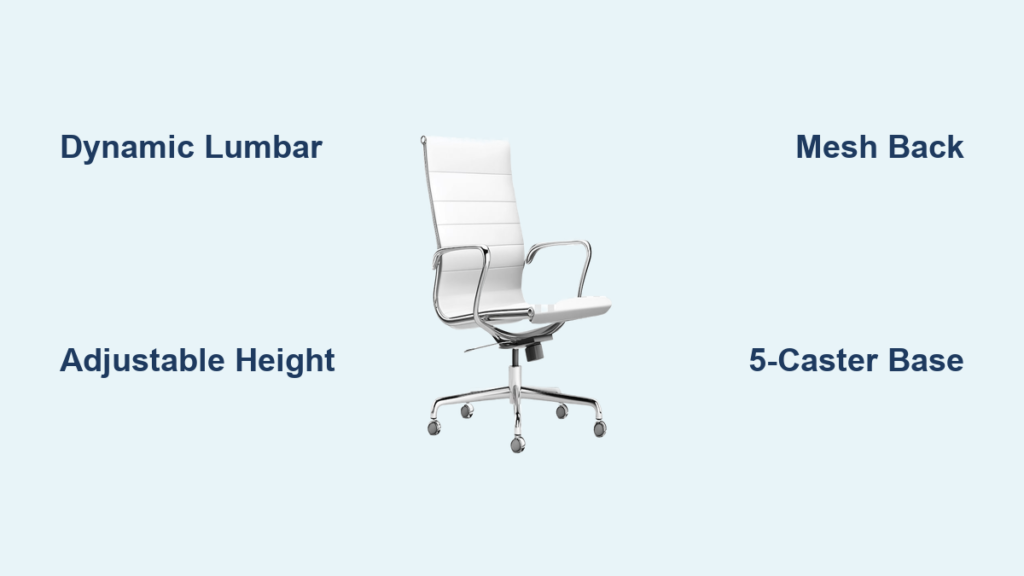
That nagging lower back ache by mid-afternoon? It’s not just “sitting too long”—it’s likely the wrong type of office chair silently sabotaging your workday. With 72% of remote workers reporting posture-related issues (per BIFMA studies), your chair choice directly impacts spinal health, focus, and even career longevity. This definitive guide cuts through marketing fluff to match your body, workspace, and work habits to the types of office chairs engineered for real-world results—not just Instagram aesthetics.
Task Chairs for Daily Computer Work
Forget “basic office chairs.” True task chairs are precision tools built for 6-8 hours of screen time, with pneumatic height controls (15-21 inch range) and 5-caster bases that glide effortlessly between desk zones. Their mid-back design (24-28 inches high) targets lumbar support exactly where your spine needs it during typing marathons.
Critical Adjustments You Can’t Skip
- Seat depth sliders prevent pressure behind knees (2-3 inch travel is essential)
- 4-D armrests eliminate shoulder strain by aligning elbows at 90° to your keyboard
- Tilt-tension controls let you recline 105° without sliding forward during calls
Pro Tip: Armless models save 6+ inches in cramped home offices—ideal for L-shaped desks where space is tight. Budget $75-$250 for BIFMA-certified models that won’t collapse after 6 months.
Executive Chairs That Command Authority

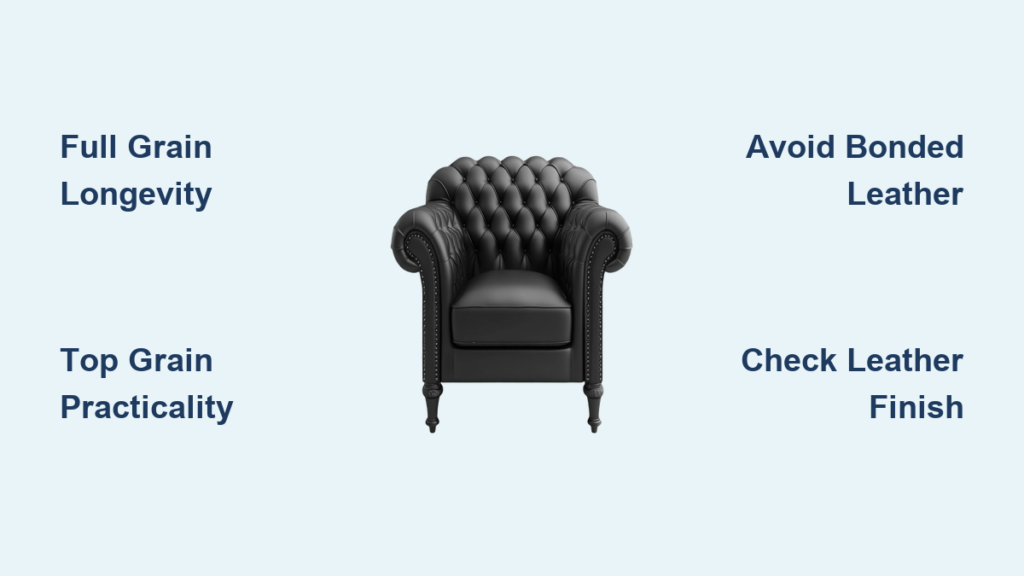
High-back executive chairs (28-34 inches) aren’t just status symbols—they’re engineered command centers. Genuine leather or premium mesh wraps memory foam cushioning that molds to your shape during marathon meetings, while polished aluminum bases distribute weight evenly to prevent carpet divots.
Why Modern Executives Choose Mesh
- Breathability: Mesh backs reduce heat buildup by 40% vs. leather in summer climates
- Adaptive support: Flexible mesh conforms to spinal curves without pressure points
- Durability: High-grade mesh lasts 10+ years versus leather’s 5-7 year lifespan
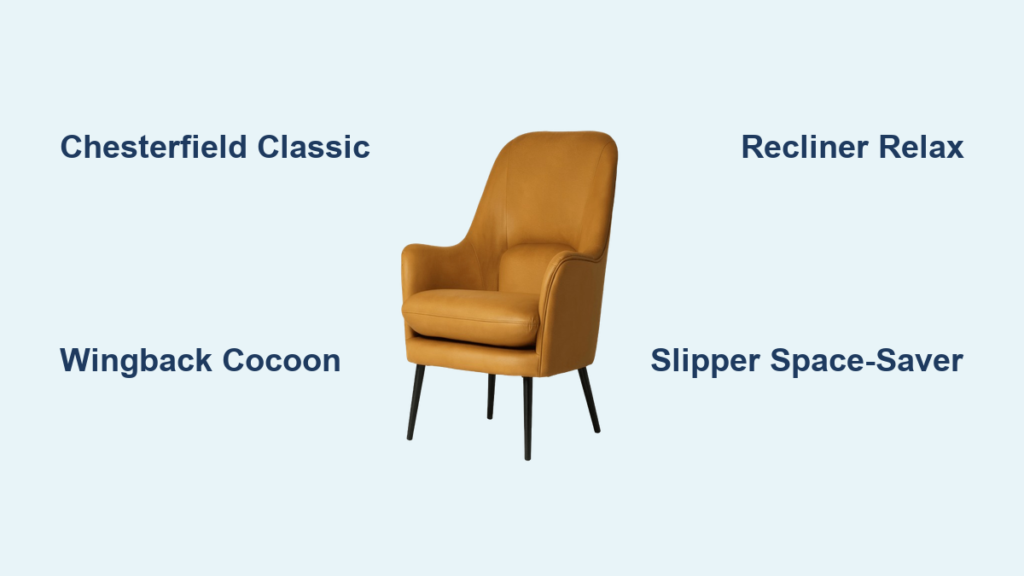
Skip the “wingback” nostalgia—today’s top-tier executive chairs ($300-$1,500) feature removable headrests and synchro-tilt mechanisms that let you recline while keeping eyes on presentations.
Ergonomic Chairs: Your Health Insurance Policy
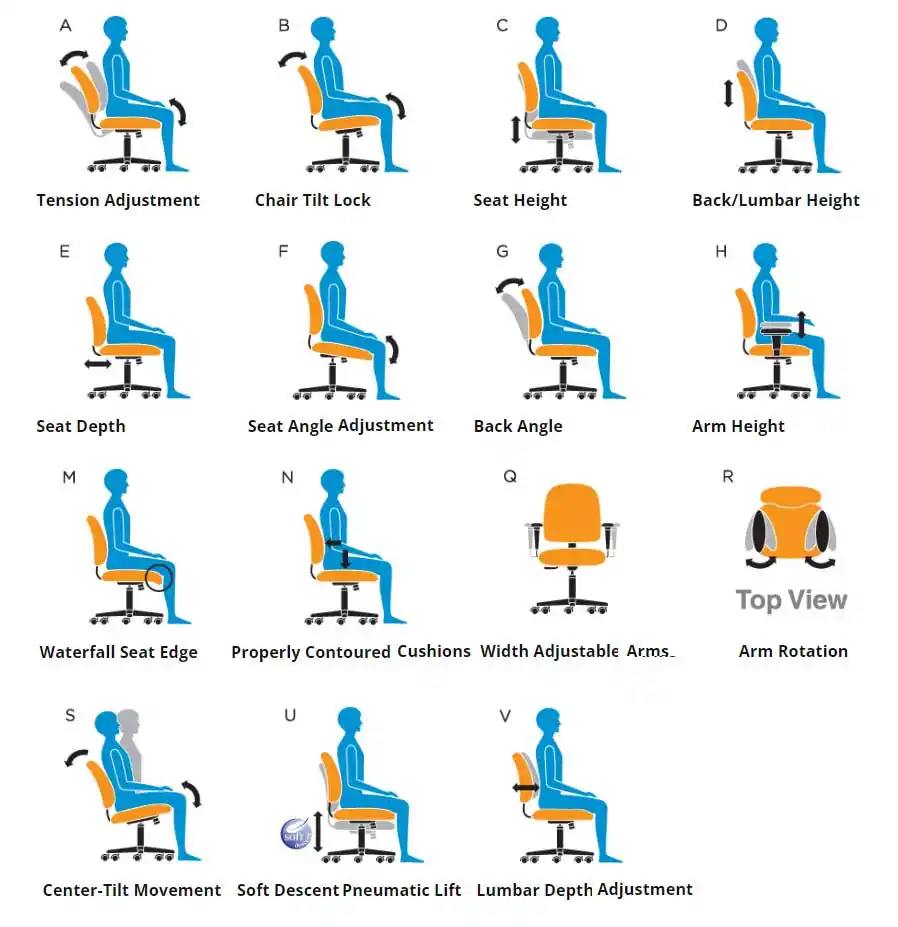
Don’t confuse ergonomic chairs with “fancy task chairs.” True ergonomic models meet ANSI/BIFMA standards with 8+ adjustment points that adapt to your unique physiology—not generic “one-size-fits-all” designs. These are medical-grade seats proven to reduce workplace injury claims by 52% (per OSHA data).
Non-Negotiable Health Features
- Dynamic lumbar systems that move with your spine during shifts in posture
- Seat depth sliders accommodating leg lengths from 28″ to 36″ (prevents numbness)
- 4-D armrests that adjust vertically, horizontally, depth-wise, and pivot angle
Budget Reality: Quality starts at $250. Avoid “ergonomic” knockoffs under $200—they lack certified mechanisms and fail within a year under daily use.
Drafting Chairs for Standing Desks & Tall Workstations
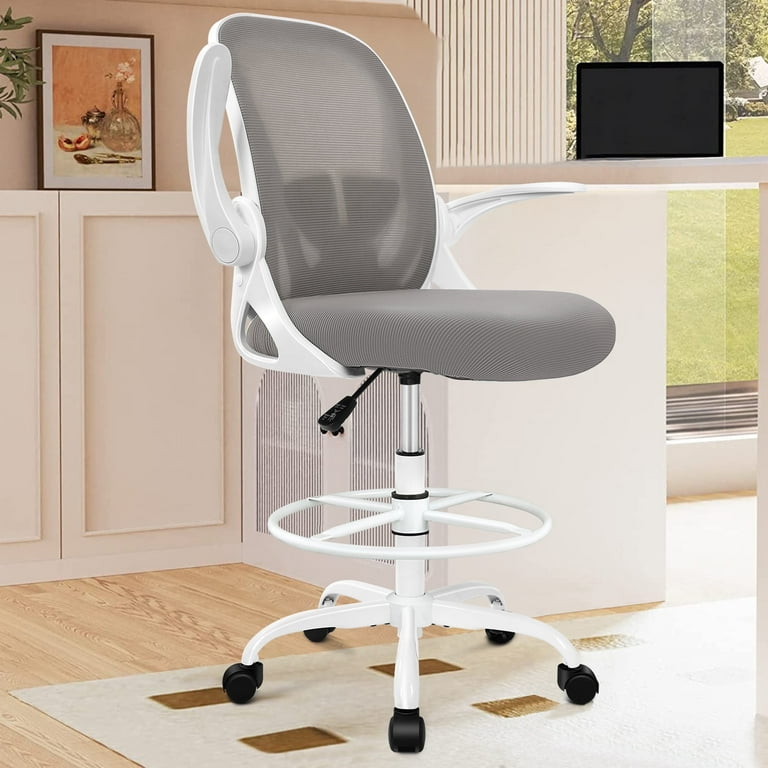
Standard chairs leave feet dangling when your desk hits 36+ inches. Drafting chairs solve this with extended cylinders (24-36 inch seat height range) and critical foot-rings that maintain circulation during long lab or architectural sessions.
Must-Measure Before Buying
- Foot-ring diameter: 18-20 inches prevents leg fatigue (smaller rings strain calves)
- Backrest height: Low-back (18″) for mobility in labs; mid-back (24″) for drafting tables
- Caster type: Soft rubber wheels glide silently on hardwood floors
These $150-$400 chairs are non-negotiable for standing desk users—without them, you’re sacrificing 40% of the health benefits of height-adjustable workstations.
Active Sitting Solutions That Boost Focus
Kneeling Chairs: The Spine Aligner
Forward-tilted seats shift 60-70% of weight to shins, naturally straightening your spine. Use 2-3 hours daily to combat lower back pain—but never as your primary chair. Steel X-frames (not rockers) prevent tipping during intense focus sessions.
Saddle Stools: The Hip Opener
135° hip angle reduces pelvic pressure by 35%—critical for dentists and surgeons. Height range (21-29 inches) accommodates counter work, while 360° swivel lets you pivot between tools without twisting your spine.
Warning: Balance ball chairs destabilize precision tasks. Reserve them for 30-minute email bursts—not coding or design work.
Big & Tall Chairs for 24/7 Reliability
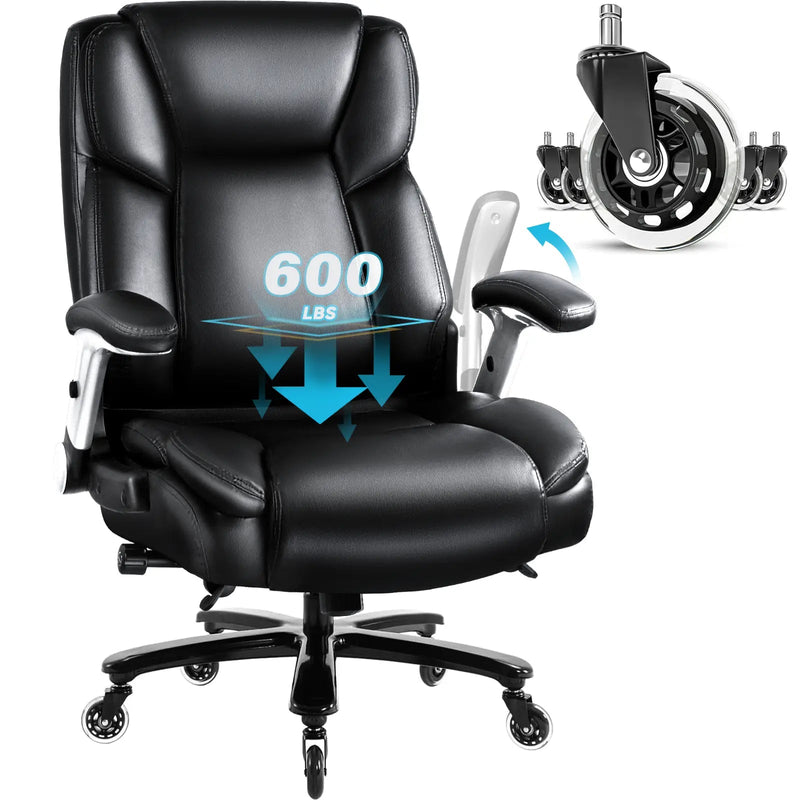
Standard chairs collapse under 300+ lbs loads within months. Certified Big & Tall chairs ($350-$1,200+) feature 2.5-3.0 lb/cu ft foam that won’t bottom out, plus 22-26 inch wide seats and 500 lb weight ratings backed by decade-long warranties.
Red Flags in Budget Models
- Foam density under 2.0 lb/cu ft: Creates permanent seat “craters” in 6 months
- Narrow 5-star bases: Tip hazard when leaning sideways
- 1-year warranties: Indicates untested mechanisms
These are essential for control rooms and security centers where chair failure could risk operations.
Conference Chairs That Impress Clients
Forget “comfort.” Conference chairs prioritize space efficiency and aesthetics for 1-2 hour meetings. Sleek sled bases slide under tables effortlessly, while stackable designs (4-10 chairs high) transform rooms from boardrooms to training spaces in minutes.
Selection Secrets
- Upholstery color: Neutral tones hide stains better than light fabrics
- Loop arms: Prevent clothing snags during quick stand-ups
- Weight rating: 250 lbs minimum to handle frequent use
Avoid mesh backs here—they sag visibly after 2 years of client traffic, undermining your professional image.
Reception Chairs That Handle High Traffic
Beam seating (2-5 seats on a steel bar) dominates airport and clinic lobbies for good reason: shared arms save 40% more space than individual chairs, while floor-mounted bases prevent theft in public zones. Sled bases glide silently on carpet during rush hours.
Why Beam Beats Benches
- Controlled spacing: Shared arms prevent “stranger huddling” in waiting areas
- Theft resistance: Floor bolts withstand public space vandalism
- Capacity: 5-seat beams seat 25% more people in 10% less square footage
Skip plush sofas—they absorb odors and stains, creating maintenance nightmares in high-turnover areas.
Material Lifespan Comparison: What Really Lasts
Mesh vs. Leather vs. Fabric Face-Off
- Mesh: Best for hot climates (breathes 3x better than fabric) but sags in models under $200
- Leather: Ages beautifully but sticks to skin in humidity—requires bi-annual conditioning
- Fabric: Hides wear best but needs Scotchgard treatment to repel coffee spills
Maintenance Hack: Vacuum mesh chairs monthly with a brush attachment—dust buildup accelerates fiber breakdown by 300%.
Office Chair Selection Cheat Sheet
| Your Work Reality | Chair Type | Budget | Critical Feature |
|---|---|---|---|
| 8+ hour screen time | Ergonomic | $250+ | Dynamic lumbar |
| Corner office prestige | Executive Mesh | $400+ | Breathable back |
| Standing desk user | Drafting | $200+ | 36″ height + foot ring |
| 300+ lbs user | Big & Tall | $500+ | 500 lb rating |
| Client presentations | Conference | $150+ | Stackable base |
Extend Chair Life With 3 Quarterly Habits
Gas cylinders fail every 5-7 years—replace sinking seats before they cause posture collapse. Monthly caster cleaning prevents carpet fiber jams that strain wheel mechanisms. Tighten loose screws quarterly; wobbling bases accelerate joint wear by 200%. Most “broken” chairs just need $20 part replacements—check manufacturer warranty portals first.
Final Takeaway: Your chair isn’t furniture—it’s a productivity tool and health investment. Match types of office chairs to your actual work patterns: drafting chairs for standing desks, ergonomic builds for all-day coding, mesh executives for hot offices. Implement the quarterly maintenance ritual, and your chair will repay you with pain-free focus for a decade. Still stuck? Measure your desk height and typical work duration—then revisit this guide’s selection matrix. Your spine (and career) will thank you.