You collapse onto the couch after work, muscles aching, only to sink into a sea of unsupportive cushions that leave you more exhausted than before. Sound familiar? With dozens of lounge chair types flooding showrooms and online stores, choosing the right one feels like navigating a maze blindfolded. This confusion wastes hundreds of dollars and leaves you stuck with furniture that looks great but feels awful. The truth is, each type of lounge chair serves a distinct purpose – from the wingback chair’s noise-blocking embrace to the hammock chair’s weightless suspension. Stop guessing and start relaxing with this definitive guide to lounge chair types that actually match your lifestyle.
Chesterfield Chair: Timeless Sophistication Meets Deep Comfort
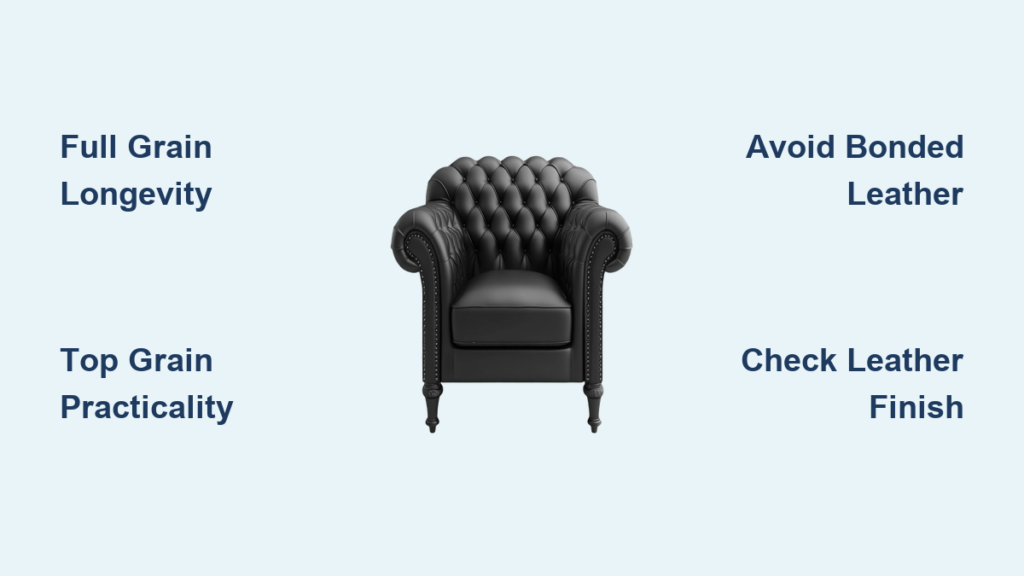
Deep tufted leather, rolled arms, nailhead trim—the Chesterfield chair commands attention in any room. Its quilted button-tufted backrest creates that signature diamond pattern, while rolled arms frame your seating like architectural columns. Traditional versions feature rich leather upholstery that develops character with age, though modern fabric interpretations offer softer alternatives for family spaces.
Place this statement piece where it can dominate a space—beside a fireplace, in a formal library, or anchoring a traditional living room. Avoid cramming it into small apartments; the chair requires 3-4 feet of clearance but delivers maximum visual impact. Critical mistake to avoid: Pairing with delicate fabrics that clash with its bold presence. Stick to leather ottomans or substantial wooden side tables.
Why Your Formal Space Needs This Classic
Chesterfields create instant gravitas in studies and libraries by blocking peripheral distractions with their high backs. The deep seating encourages leaning back—perfect for cigar nights or whiskey tasting—but requires adding lumbar pillows for extended TV viewing. Pro tip: Choose saddle leather over aniline finishes if you have pets; it develops a beautiful patina while resisting scratches.
Wingback Chair: Your Personal Quiet Zone Creator
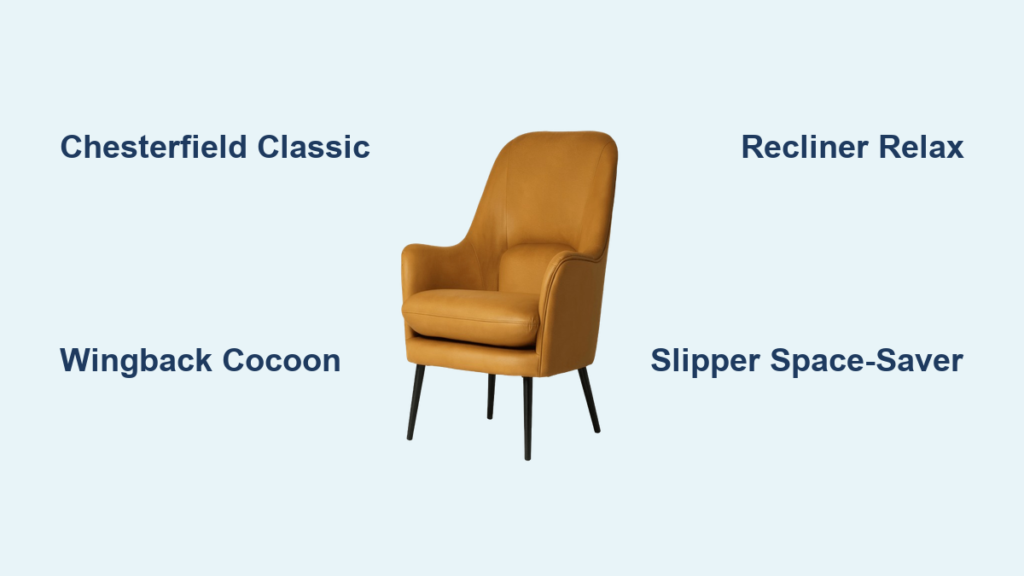
High backrest with protective wings forms an enveloping cocoon that blocks peripheral distractions and ambient noise. Originally designed to shield users from fireplace drafts, these wings now serve a modern purpose: creating psychological privacy in open-plan homes. Choose traditional tall-wing versions for maximum seclusion or sleek low-profile interpretations that blend with contemporary decor.
Position this chair in bedroom corners, home offices, or reading nooks where you need to disappear into a book. Never place it in conversation areas—the wings literally block side-to-side interaction. Petite users should test sit first; some models have seat heights exceeding 20 inches that cause feet to dangle.
Reading Marathon Secret Weapon
Wingbacks excel for book lovers because the wings minimize visual distractions from room traffic. The tall back supports your neck during upright reading sessions, while the structured arms provide perfect elbow placement for holding books. Warning: Avoid overly plush cushions that force slouching—firm foam maintains posture during extended sessions.
Recliner Chair: Your Personal Relaxation Command Center
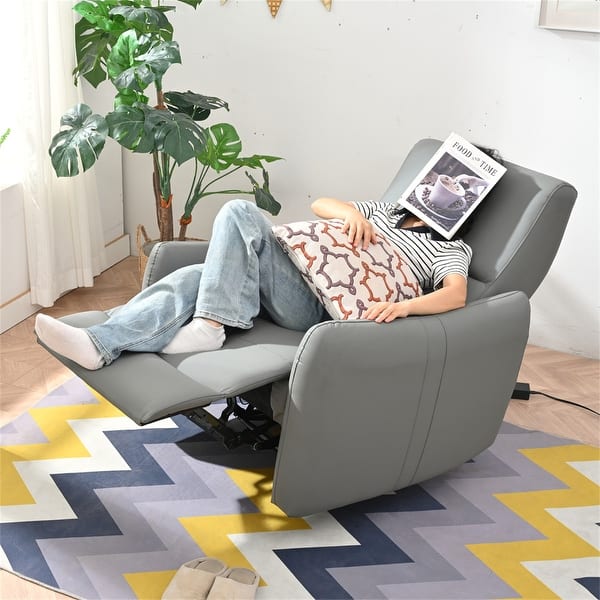
Multiple positions at the push of a button (or pull of a lever) transform upright seating into full-body relaxation. Manual recliners use either side-mounted levers or simple push-back pressure, while electric models offer precision control and integrated USB ports. Wall-hugger designs require mere inches of clearance, solving space constraints in apartments.
Key decision point: Electric recliners eliminate manual effort but require proximity to outlets. Manual versions offer simplicity and lower cost. Don’t waste money on basic models if you’re tall; seek extended footrests and deeper seats that accommodate legs over 34 inches.
TV Viewing Perfection Formula
Recliners deliver optimal screen angles by matching your eye level to the television center point. For 55-inch+ screens, choose chairs with 110-120 degree recline angles. Pro tip: Place seating 7-10 feet from the screen—measure from your reclined position, not upright posture. Leather recliners stay cooler during marathon sessions than heat-trapping fabrics.
Slipper Chair: Armless Elegance for Tight Spaces
Armless, low-profile design maximizes seating in minimal space without sacrificing style. The absence of arms allows placement in tight corners or alongside beds for dressing areas. Despite compact dimensions (typically 28-32 inches wide), slipper chairs offer surprising comfort through deep cushioning—available in everything from velvet to performance fabrics.
Perfect for: Studio apartments, narrow hallways, or as bedside seating. Critical limitation: Avoid if you need arm support for standing up; these chairs lack leverage points for mobility-impaired users. Test stability—some lightweight models tip when leaning sideways.
Small Space Transformation Trick
Position slipper chairs diagonally in room corners to create instant cozy zones. Pair with a matching ottoman to convert it into a mini chaise lounge for napping. Space hack: Choose legs matching your floor color to create visual continuity that makes the chair appear to float.
Slatted Frame Lounge Chair: Outdoor Durability Engineered
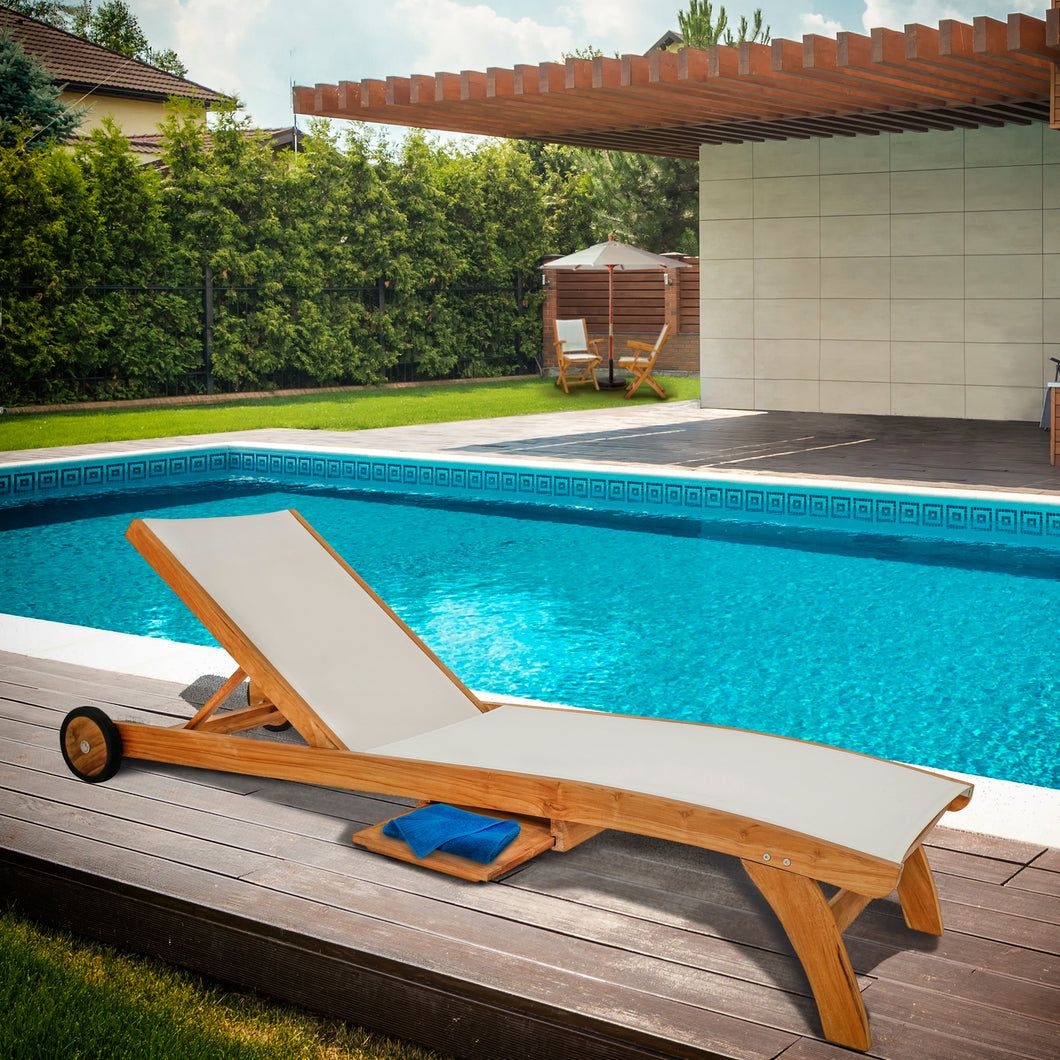
Open construction prevents water pooling through strategic spacing between slats. Materials make or break outdoor performance: teak naturally resists moisture and develops silver patina, powder-coated aluminum stays cool in heat, synthetic wicker mimics natural texture without maintenance demands. Stackable options solve storage challenges for balconies.
Install these poolside, on patios, or rooftop terraces where drainage matters most. Never leave cushions out during rain—quick-dry foam still retains moisture that breeds mildew. Check hardware annually; stainless steel screws outlast aluminum in salty coastal air.
Weather Survival Checklist
Before storm season, store cushions indoors and apply teak oil to wood frames. Monthly, rinse frames with vinegar solution to prevent mold in slat crevices. Pro tip: Choose chairs with 1.5-inch minimum slat thickness—thinner versions warp within two seasons of sun exposure.
Chair-and-a-Half: The Goldilocks Seating Solution
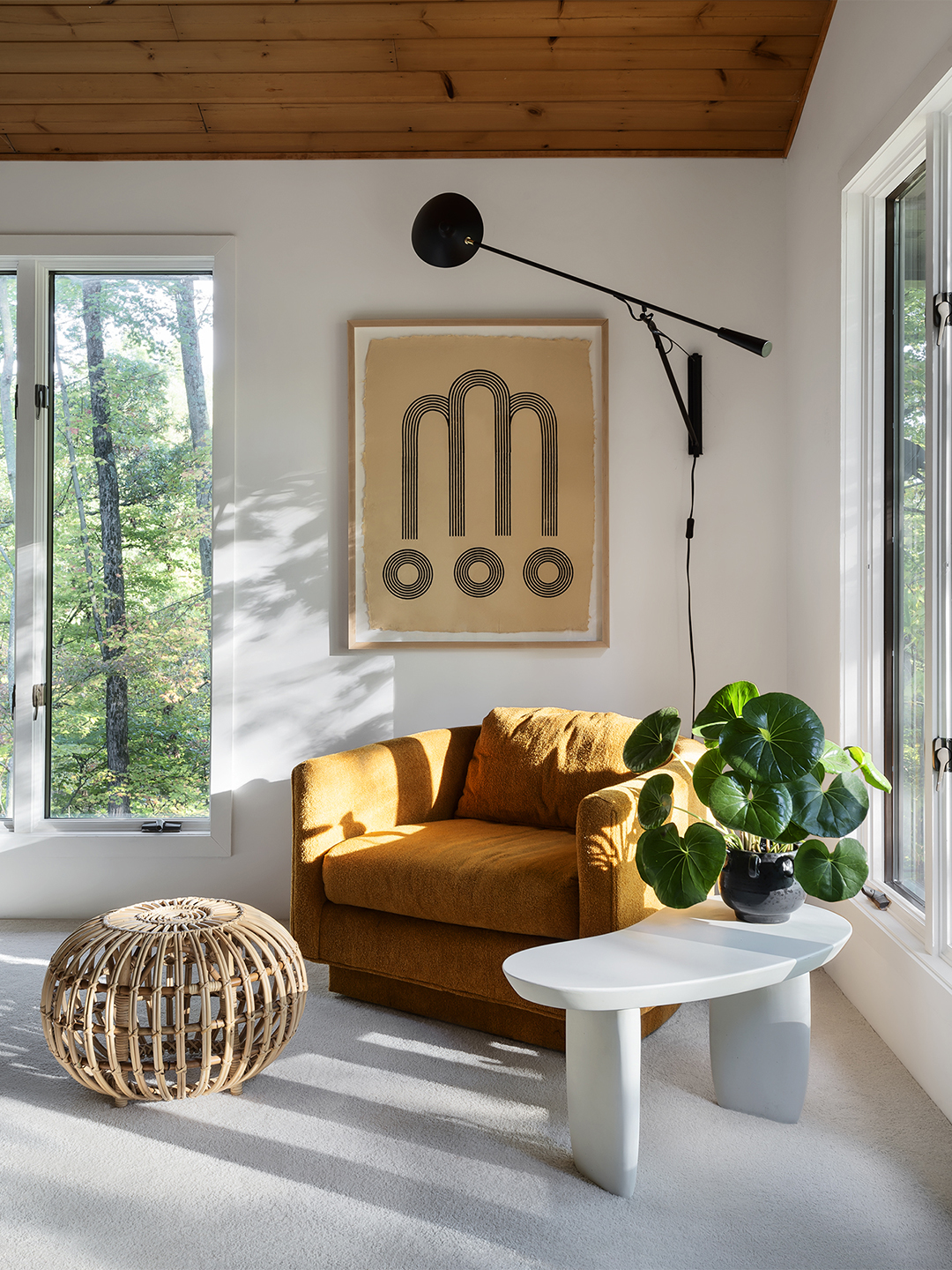
That sweet spot between single chair and loveseat accommodates one person luxuriously or two people cozily. Dimensions typically run 50-60 inches wide—perfect for small living rooms where sofas overwhelm, yet generous enough for curling up with pets or children. The secret? Strategic arm placement that defines personal space without creating barriers.
Use this as your primary living room seating when square footage is limited. Avoid pairing with oversized coffee tables; maintain 18 inches of clearance for comfortable leg extension. Critical mistake: Choosing deep seats (over 22 inches) in compact rooms—it visually shrinks your space.
Multi-Person Magic Formula
For couples, position the chair perpendicular to your sofa to create an L-shaped conversation area. Add a nesting ottoman that tucks under when not in use. Pro tip: Select performance fabric upholstery—it withstands double the wear of standard fabrics from two users.
Ergonomic Matchmaking: Stop Guessing Chair Compatibility

Lumbar support varies dramatically by chair type. Chesterfields offer minimal lower-back support—add tailored cushions for extended use. Wingback chairs naturally support upper back and neck. Recliners provide adjustable lumbar support through positioning. Don’t ignore seat height: Standard 18-inch seats suit most adults, but elderly users need 20-21 inches for easier standing.
Your Body-Type Chair Guide
- Tall users (over 6’2″): Seek 22+ inch seat depths and 32+ inch back heights
- Pet owners: Choose tightly woven performance fabrics (Crypton or Sunbrella)
- Chronic pain sufferers: Prioritize recliners with heat/massage functions
- Petite users (under 5’4″): Look for 16-17 inch seat heights to prevent dangling feet
Test-sit properly: Sit for 5 minutes minimum—what feels comfortable initially often reveals pressure points later. Slide your hand under thighs; if it fits snugly, the seat depth is correct.
Material Intelligence: Indoor vs. Outdoor Survival Guide
Indoor durability hierarchy follows a clear pattern: Top-grain leather ages beautifully and resists pet claws, performance fabrics repel stains while maintaining color, microfiber offers budget-friendly durability. Outdoor survival essentials differ completely: Teak withstands decades of weather, aluminum resists rust while staying lightweight, synthetic wicker maintains appearance without cracking.
Quick Material Decision Tree
- For kids/pets: Performance fabric > leather > microfiber
- For sunrooms: Fade-resistant Sunbrella > teak > aluminum
- For formal spaces: Full-grain leather > velvet > linen
- For humid climates: Aluminum frames > synthetic wicker > wood
Critical truth: Outdoor “all-weather” fabrics still degrade after 3 years of direct sun exposure. Rotate cushions monthly to distribute UV damage evenly.
Your Next Move: The 3-Step Chair Selection Protocol
- Measure twice: Calculate your space with chairs in reclined positions—most forget to account for 12-18 inches of rear clearance.
- Define primary use: Reading? TV? Napping? Match chair types to your top activity (wingbacks for books, recliners for screens).
- Test sit with shoes on: Replicate real-world use—barefoot testing misjudges comfort in daily wear.
Stop settling for chairs that look great but feel terrible. The right types of lounge chairs transform how you experience your home—one perfectly supported moment at a time. Your oasis awaits; now you have the map to find it.