
You’ve just discovered your great-grandfather’s antique dining chair has a seat that looks like a bird’s nest after a windstorm—strands hanging loose, gaps where there should be weave, and that unmistakable crisscross pattern barely holding together. As you run your fingers along the damaged area, you realize you need to understand the different types of chair caning to make the right restoration decision. Whether you’re reviving a family heirloom or selecting new porch furniture, knowing the three fundamental types of chair caning transforms guesswork into confident action.
Chair caning isn’t a one-size-fits-all craft—it’s a collection of specialized techniques developed over centuries, each with distinct construction methods, lifespans, and ideal applications. From the intricate hand-woven seats of Victorian dining chairs to the rugged wide binding cane of Southern porch rockers, each type serves specific functional and aesthetic purposes. This guide cuts through the confusion by breaking down every major caning style with precise identification tips and practical repair considerations.
Identify Your Chair’s Hand-Woven Cane Seat

When your chair features individual strands running in multiple directions through the frame, you’re looking at authentic hand-woven caning—the premium choice for antique restoration and high-end reproductions. This traditional technique creates seats that last decades by threading single cane strands through precisely drilled holes using the centuries-old seven-step weaving pattern.
Spotting Authentic Hole-to-Hole Construction
Examine your chair frame closely with a magnifying glass. Genuine hand-woven cane reveals 60-120 small holes drilled completely through the wood, typically spaced 3/8″ apart from center to center. Flip the chair over—you’ll see matching individual strands on both sides, with no continuous sheet or groove around the perimeter. The top surface shows a distinctive diamond pattern created by vertical, horizontal, and diagonal weaving, while the bottom reveals the same intricate structure.
The weaving follows a strict sequence: first vertical strands run front to back, then horizontal strands side to side, followed by diagonal weaving in both directions. Finally, binder cane creates the signature double border around the edge. This method allows for strand-by-strand repairs when damage occurs—simply replace broken sections without disturbing the entire seat.
Cost and Longevity Considerations
Hand-woven caning pricing depends on hole count rather than seat size, making complex shapes like balloon-back chairs significantly more expensive than simple squares. A basic dining chair seat might have 72 holes, while elaborate designs can require 120. Recessed holes add 15-20% to the base price due to the extra labor involved.
Pro tip: Skip the stain. Natural cane develops a beautiful honey patina over 25+ years of use, while stained cane eventually wears unevenly in high-traffic areas, creating blotchy patches that look worse than natural aging.
Sheet Cane Replacement Made Simple
If your chair seat shows a continuous woven sheet secured in a narrow groove around the perimeter, you’re dealing with sheet cane—also called press cane or machine cane. This modern alternative to hand-woven techniques uses pre-manufactured cane sheets that install in hours rather than days, making it ideal for reproductions and budget-conscious restorations.
Recognizing Press Cane Installation
Run your finger around the seat edge. If you feel a thin, deeply recessed channel (about 1/4″ wide) holding the cane in place, you’ve identified sheet cane. Unlike hand-woven seats, there are no individual holes penetrating the frame—just this continuous groove secured with rounded reed spline and wood glue. The cane sheet creates a uniform pattern across the entire surface with no visible starting or ending points.
Installation requires specialized tools but moves quickly: After removing old adhesive, fresh glue goes into the groove. The cane sheet gets positioned and pressed into place using wedge tools, followed by spline installation and trimming. This entire process takes 1-2 hours versus 4-18 for traditional hand-woven methods.
Pattern Options and Repair Realities
Machine-woven sheets come in traditional seven-step patterns plus modern variations with different densities. While the 15-20 year lifespan matches hand-woven cane, sheet cane can’t be repaired strand by strand—you must replace the entire sheet when damage occurs. Cost calculates per square inch based on seat dimensions, making pricing predictable for standard shapes.
Warning: Never attempt sheet cane replacement without proper tools. Improper installation leads to loose, sagging seats that fail within months—especially dangerous on dining chairs where structural integrity matters.
Wide Binding Cane for Outdoor Durability
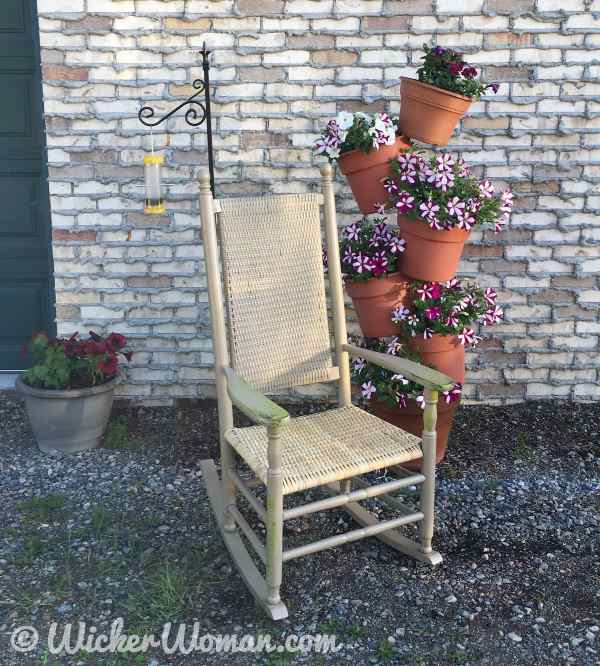
Step onto any historic Southern porch and you’ll likely encounter wide binding cane—also called New England porch cane. This robust method uses 6mm or wider flat strips woven around chair frame rungs, creating double-layer construction perfect for weather exposure and heavy use.
Identifying Porch Cane Construction
Wide binding cane creates a distinctive three-dimensional effect visible from the chair’s sides. The top surface shows a prominent diamond pattern, while the underside features a tight 4×4 twill or herringbone weave. These wide, flat strips wrap completely around frame rungs, unlike other caning types where strands simply pass through holes.
This double-layer construction provides exceptional strength—perfect for porch rockers that endure decades of heavy use. The diamond pattern on top distributes weight evenly, while the complex twill pattern underneath locks everything in place. Look for this technique on ladder-back chairs, footstools, and classic rocking chairs built for outdoor durability.
Weather Resistance and Material Selection
Wide binding cane excels in outdoor environments because rattan’s natural water repellency handles moisture better than any finish. The 6mm+ width prevents stretching that plagues narrow strands, while the double-layer construction resists sagging even under constant use. Oak, ash, and hickory splints sometimes substitute for traditional cane in regional variations.
Pro tip: Choose natural wide binding cane for outdoor furniture. The material’s inherent flexibility handles temperature changes better than any stain or finish—which often cracks and peels when exposed to sun and rain.
Blind Caning for Specialized Applications
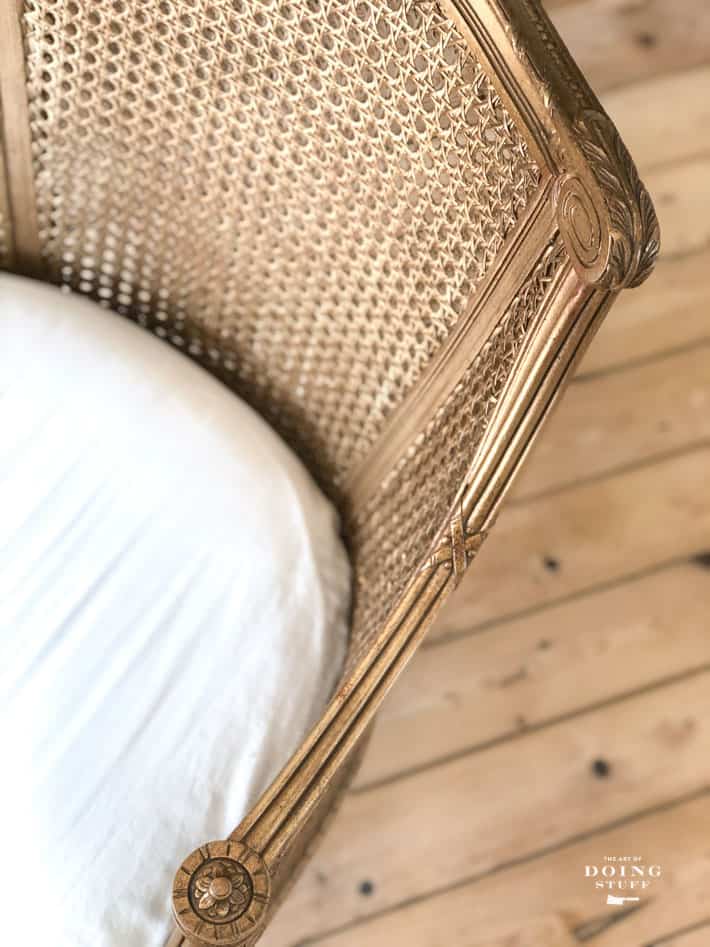
When chair backs feature caning but show no holes through the frame, you’ve encountered blind caning—a specialized technique used on high-end antique furniture where visible holes would compromise structural integrity or aesthetics.
How Blind Caning Works
Instead of weaving around the perimeter, blind caning uses small round reed pieces to secure each strand within individual holes. The reed plugs hold strands in place without penetrating completely through the frame, creating a clean appearance on both sides. Double blind caning takes this further for chairs with caning on both sides of wooden panels—each strand gets secured with reed plugs at both ends.
This advanced method requires expert craftsmanship and commands premium pricing, but maintains clean lines on formal dining chairs and creates reversible panels for convertible furniture. The technique preserves historical accuracy while addressing structural limitations of certain chair designs.
Material Selection and Maintenance Essentials
All chair caning types use rattan vine from Southeast Asia, prized for its natural water repellency and stain resistance. Available in widths from 2-4mm for standard chairs to 6mm+ for porch furniture, proper selection depends on hole spacing and chair size.
Do’s and Don’ts for Longevity
Do: Light dusting only with a soft brush, place in stable environments (avoid garages and attics), inspect regularly for broken strands, replace damaged sections promptly.
Don’t: Never stand on caned chairs (they’re not designed for this stress), avoid excessive moisture (never hose down porch furniture), skip harsh chemicals (simple soap and water only), or apply varnish/lacquer finishes (they cause brittleness and premature failure).
Pro tip: Natural cane develops a richer patina with age—varnish reduces lifespan by 30-50% by preventing the material’s natural flexibility. The light tan color darkens beautifully over decades, creating the warm honey tones prized by collectors.
Choosing Your Caning Type by Use Case
Match Technique to Application
Antique restoration: Hand-woven cane maintains historical accuracy and allows future repairs strand by strand. Worth the investment for valuable pieces.
Modern reproductions: Sheet cane balances authentic appearance with cost-effectiveness, especially for dining room sets where occasional replacement is acceptable.
Outdoor furniture: Wide binding cane provides maximum weather resistance with its double-layer construction and wide strand durability.
High-traffic seating: Hand-woven offers best long-term value despite higher initial cost—repairs extend lifespan beyond 25 years.
Professional vs. DIY Reality Check
Hand-woven caning demands 4-18 hours of focused work with compensation for irregular hole spacing and precise tension control. Sheet cane installation needs specialized tools to avoid premature failure. Wide binding cane appears simpler but requires frame rungs in perfect condition for proper wrapping.
Professional restoration typically includes material warranties and color matching expertise that justify the investment, especially for valuable pieces. Remember: quality materials and proper technique matter more than rushing the process—whether you choose professional help or tackle the job yourself.


