
You’re mid-sip on your morning coffee when your dining chair shoots backward. Again. That smooth wood floor that looked so beautiful when you moved in has become a daily frustration. Good news: you don’t need to replace your floors or live with constant chair surfing. Multiple proven solutions exist, from a $5 fix that takes five minutes to elegant options that enhance your room’s design.
This guide walks through every method to stop chairs from sliding on wood floors, helping you choose the perfect solution for your specific furniture, floor finish, and lifestyle. No more chasing chairs across the room or worrying about scratches—just stable seating that stays where it belongs.
Rubber Mesh Shelf Liner Method That Works Immediately
Skip the expensive solutions and grab that roll of rubber mesh shelf liner sitting in your kitchen drawer. This $3 fix creates instant traction under chair legs without adhesives or tools. Cut squares ¼ inch smaller than each leg’s footprint to keep them invisible when placed directly under your furniture. The rubber mesh grips like thousands of tiny suction cups against your wood floor.
Pro tip: Replace these liners every 6-8 months as the mesh compresses from regular use. Buy an extra roll while you’re at the store—future you will thank present you when replacements are needed.
Why This Solution Beats Standard Felt Pads
Most people reach for felt pads first, but these only prevent scratches—they won’t stop sliding. The magic of rubber mesh is its dual functionality: the textured surface creates friction while the open grid design prevents moisture buildup that could damage wood floors. Unlike adhesive products, this solution leaves zero residue when removed, making it perfect for renters or frequent furniture rearrangers.
Silicone Chair Leg Caps for Discreet Grip
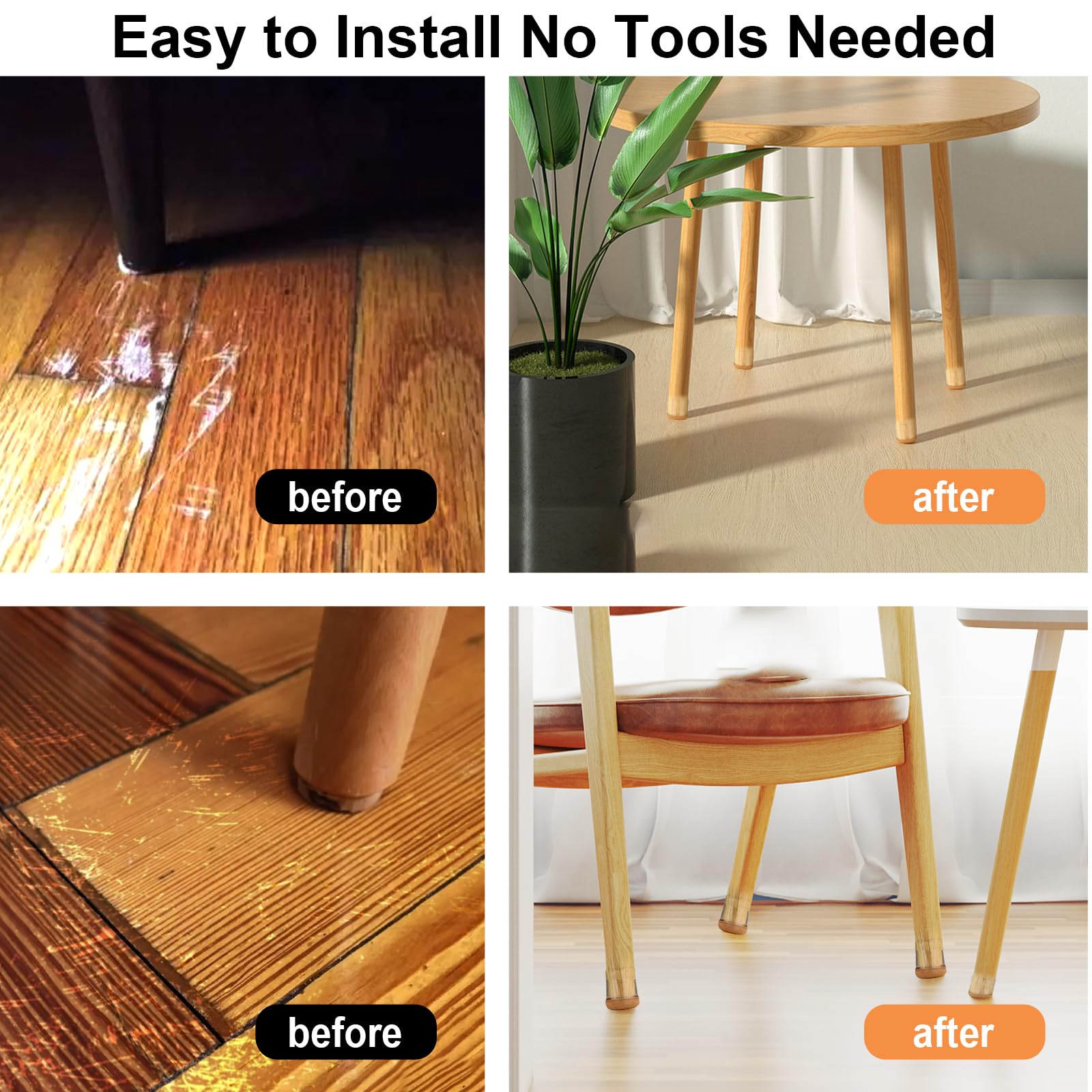
These stretch-on caps work like tiny socks for your chair legs. Clear silicone maintains your furniture’s appearance while adding serious grip on slick wood floors. Measure each leg’s diameter precisely—caps should fit snugly without stretching. Most dining chairs use 1-1.5 inch round caps, but check your specific furniture since manufacturers vary.
Installation trick: Warm the caps in hot water for 30 seconds first. This makes them more flexible and easier to stretch over stubborn legs. Once installed, these caps won’t harden or crack like rubber alternatives and can be machine washed for long-term use.
Area Rug Placement Strategy That Actually Works
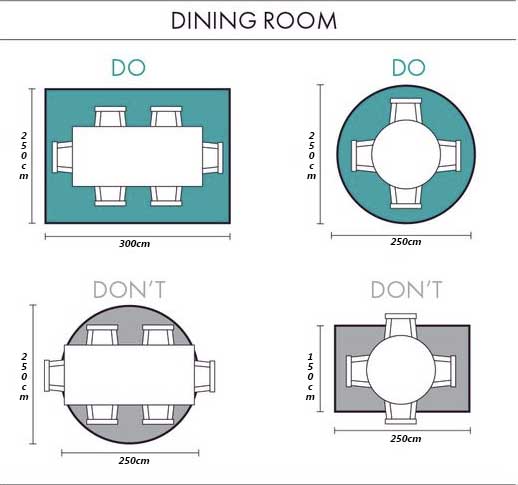
An area rug stops sliding while protecting your wood floors, but only if sized correctly. The rug must extend at least 24 inches beyond the chair’s footprint in all directions. For dining sets, measure the table plus chairs when pulled out—the rug should fit under all four chair legs even when seated.
Rug pad selection matters more than the rug itself. Choose natural rubber pads over PVC. Natural rubber grips without staining floors, while PVC can break down and create permanent marks. The pad should match the rug’s exact dimensions—no smaller, no larger. Felt-rubber combination pads provide both cushioning and superior grip for heavy furniture.
Budget Rug Hack for Existing Rugs
Already have a rug that’s too small? Layer a larger rug pad underneath, extending beyond the rug edges. The exposed pad creates a grippy border that catches chair legs without looking obviously like a mistake. Choose a neutral pad color that blends with your flooring—beige works for most wood tones.
Essential Cleaning Routine That Boosts Grip
Dust and debris act like tiny ball bearings under chair legs. Establish this simple floor maintenance routine to maximize any anti-slip solution:
- Daily: Quick sweep under dining chairs
- Weekly: Vacuum entire floor, including under furniture
- Monthly: Damp mop with pH-neutral wood floor cleaner
The cleaning product rule: Never use oil-based cleaners or furniture polishes on wood floors in dining areas. These create a slippery film that defeats any anti-slip solution. Stick with pH-neutral cleaners specifically formulated for wood floors to maintain optimal grip.
Furniture-Specific Solutions That Actually Work

Dining Chairs (Most Common Issue)
- Best discrete option: Silicone leg caps (clear and nearly invisible)
- Best performance: Rubber-backed felt pads (grip without raising furniture height)
- Best aesthetic: Area rug with proper pad under entire set
Critical mistake: Using standard felt pads expecting them to grip. Always check for “rubber backing” in product descriptions.
Rolling Office Chairs
Convert to stationary by replacing wheels with glide caps—rubber-footed replacements that pop into the wheel sockets. These maintain chair height adjustability while preventing floor damage and sliding. Measure wheel stem diameter before purchasing to ensure proper fit.
Recliners and Rocking Chairs
These generate dynamic forces that defeat most solutions. Use a large rubber gripper mat under the entire base instead of individual leg products. Cut the mat slightly smaller than the furniture footprint so it stays hidden but provides continuous grip during movement.
Installation Order That Saves Time and Money

Start with temporary solutions first, then upgrade as needed:
- Rubber mesh liner (test stability immediately)
- Silicone caps (if liner fails or looks messy)
- Area rug (if aesthetic matters)
- Professional grippers (for permanent, heavy-use solutions)
Never drag furniture when testing solutions. Lift completely, place the grip product, then set the furniture down gently. Allow 24 hours for adhesive products to cure before regular use.
Common Mistakes That Cause Solutions to Fail
Measuring Errors
Most chair legs aren’t perfectly round or square. Measure at the widest point, then buy caps slightly smaller. They’ll stretch to fit snugly without falling off. For square legs, measure diagonally across corners for accurate sizing.
Adhesive Failures
Clean chair legs with rubbing alcohol before applying any adhesive product. Oils from manufacturing or furniture polish prevent proper bonding. Let the adhesive cure 24 hours before moving chairs—this is non-negotiable for long-term performance.
Wrong Product for Floor Type
Laminate floors are more slippery than hardwood and need more aggressive grip. Tile floors require checking grout lines—products may need trimming to lay flat. Always test adhesive products on an inconspicuous floor area first if you’re concerned about finish compatibility.
Long-Term Maintenance Plan for Lasting Results
Monthly Inspection Checklist
- Check for missing or worn pads
- Test chair stability by attempting to slide
- Look for floor discoloration under products
- Replace compressed mesh liner immediately
Annual Upgrade Review
After a year, assess if your chosen solution still meets your needs. Families with growing children often upgrade from basic pads to area rugs when the dining room becomes homework central. Heavy-use households should replace rubber products every 18-24 months as they naturally degrade.
Cost Breakdown for Common Scenarios
Apartment dwellers: $5-15 for rubber mesh liner or basic caps (renter-friendly, no damage)
Homeowners: $50-150 for quality rug and pad combinations (dual functionality)
Heavy-use families: $20-40 for professional grippers that last years (best value long-term)
Money-saving tip: Buy multipacks of silicone caps—they’re cheaper per piece and you’ll have replacements when one inevitably disappears into the vacuum cleaner.
When to Call Professionals
Most solutions are DIY-friendly, but consider professional help when:
– Furniture weighs over 200 pounds per piece
– You need custom stop blocks for built-in seating
– Your floor finish reacts poorly to adhesives
– You’re investing in expensive area rugs
Professionals can custom-fabricate solutions and ensure compatibility with your specific flooring. For high-end furniture or valuable wood floors, this small investment prevents costly mistakes.
Your morning coffee just got safer. Whether you choose the $5 quick fix or invest in a beautiful area rug, these solutions end the daily chair shuffle for good. Test one method this weekend—you’ll wonder why you waited so long to solve such a simple problem that affects nearly every home with wood floors. With the right approach, you can enjoy both beautiful wood floors and stable furniture seating without compromise.


