
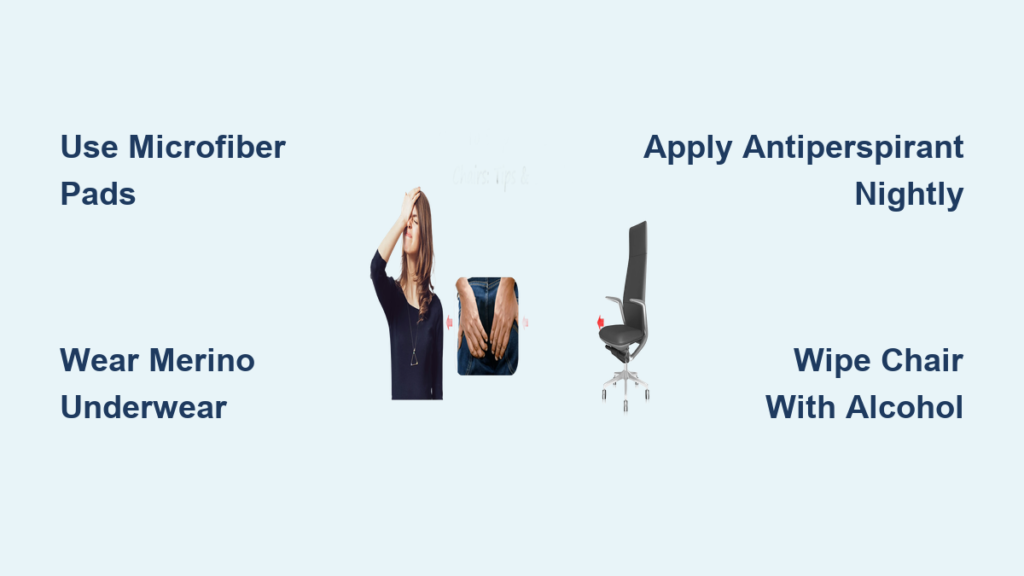
You power through a three-hour meeting only to stand up and discover a dark sweat ring on your chair—and worse, your pants. That sticky, humid seat isn’t just uncomfortable; it’s a confidence-killer in offices, classrooms, or home workspaces. Gluteal sweating affects 1 in 4 adults daily, but it’s not inevitable. This guide delivers chair-specific fixes backed by dermatologists and ergonomics experts—no vague advice, just actionable steps to keep your seat dry by lunchtime.
Why Your Chair Turns Into a Sweat Trap
Sitting compresses your gluteal tissue, shutting down airflow while eccrine sweat glands (the ones covering your entire body) pump out cooling fluid. At temperatures above 79°F and humidity over 60%, this becomes a runaway cycle: sweat pools, heats up, and triggers more sweating. Leather chairs worsen this—they absorb moisture like a sponge but evaporate it 73% slower than mesh, creating a damp microclimate against your skin.
Critical Sweat Amplifiers You Can Control
Tight synthetic underwear (like polyester-spandex blends) traps moisture against skin, raising seat temperature by 5–8°F. Skipping micro-breaks is equally damaging: sitting longer than 30 minutes without shifting posture increases skin temperature by 3.5°F every 15 minutes. Even your lunch choices play a role—capsaicin in spicy foods triggers eccrine glands within 20 minutes.
When It’s More Than Just Heat
If you’re sweating through clothes in 70°F rooms or notice persistent odor despite washing, consult a dermatologist. Hyperhidrosis (affecting 2–3% of adults) or medications like SSRIs could be culprits. Key red flags: sweating that soaks underwear within 20 minutes of sitting, or interference with daily tasks.
Fix Your Chair in Under 10 Minutes (No New Purchase Needed)

Transform Any Chair With Breathable Barriers
Ditch vinyl cushion covers immediately—they’re the #1 sweat accelerator with near-zero breathability (CFM <10). Instead, cut a microfiber towel into 12″x12″ squares ($8 on Amazon). Place one under your thighs; it’ll absorb 7x its weight in sweat and dry 3x faster than cotton. For leather chairs, lay down disposable puppy pads (3¢ each at pet stores)—their adhesive backing prevents shifting, and super-absorbent cores wick moisture instantly.
Pro Tip: Position a $25 clip-on fan to blow across your seat (not directly at you). This creates evaporative cooling that lowers skin temperature by 4–6°F within minutes.
Emergency Sweat Stain Removal Protocol
- Blot excess moisture with paper towels (never rub)
- Spray 70% isopropyl alcohol on a microfiber cloth
- Wipe in circular motions until residue lifts
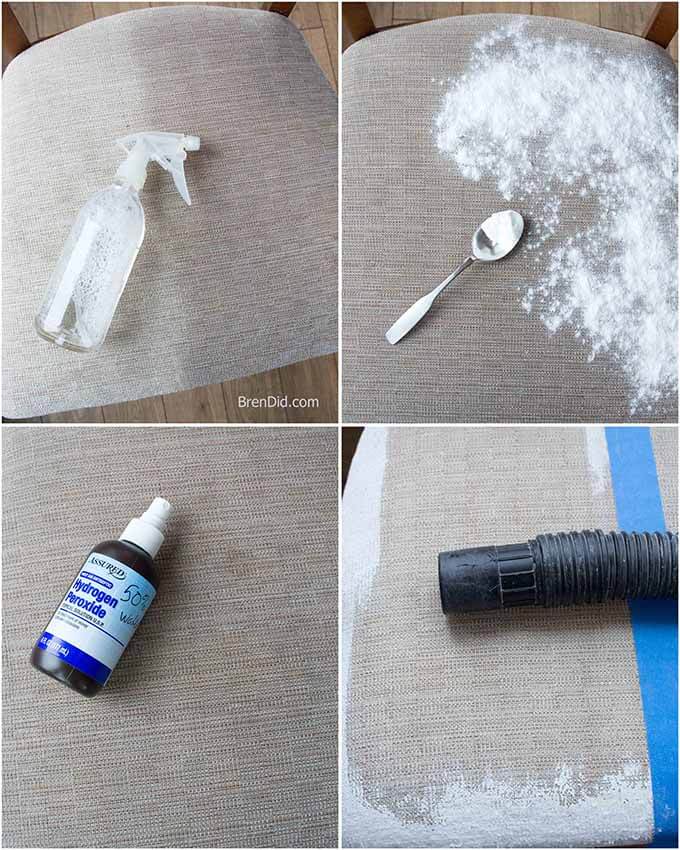
- Sprinkle baking soda, wait 1 hour, then vacuum
Works on leather, fabric, or mesh—prevents permanent discoloration.
Clothing Hacks That Stop Seat Sweat Before It Starts

The Underwear Fabric Hierarchy
Merino wool boxer-briefs (200–400 CFM permeability) outperform synthetics by pulling moisture away from skin. Bamboo rayon is a close second—eco-friendly and 30% more absorbent than cotton. Avoid anything with >20% spandex; it traps heat like plastic wrap. Test your current underwear: if it feels cool/wet against skin after 10 minutes of sitting, it’s failing you.
Create an Invisible Sweat Shield
Wear slip shorts with a gusseted crotch (like Ejis or Thigh Society). These feature double-layer moisture-wicking fabric with flatlock seams that prevent chafing. The secret? Silicone leg grippers keep them in place while absorbing sweat 50% faster than regular underwear. Cost: $25–$45, but they last 100+ washes when air-dried.
Your 24-Hour Sweat Defense Routine
Night-Before Antiperspirant Protocol
Shower 30 minutes before bed using pH-balanced soap. Once completely dry, apply clinical-strength antiperspirant (12–20% aluminum chloride) to your glutes. This forms sweat-blocking plugs in glands overnight. Rinse off in the morning—no residue, 72 hours of protection. Critical: Never apply to damp or irritated skin (causes stinging).
Midday Refresh Kit for Office Emergencies
Keep these in your desk:
– Antiperspirant wipes (SweatBlock or Certain Dri): Swipe on clean skin for instant dryness
– Cornstarch-based powder: Reapplies odor protection without talc risks
– Spare underwear: Folded in a zip-lock bag for instant changes
Use during bathroom breaks: Pat dry with paper towels, reapply powder, swap liners.
Chair Maintenance That Prevents Permanent Damage
The 30-Second Daily Chair Rescue
Wipe your seat with 70% alcohol spray every evening. This kills odor-causing bacteria (which thrive in sweat pH 4.5–6.0) and prevents leather cracking. For fabric chairs, sprinkle baking soda overnight—its alkalinity neutralizes acidic sweat residues that cause yellow stains.
When to Replace Your Chair (Before It’s Too Late)
Standard warranties exclude sweat damage. Replace chairs showing:
– Persistent damp odor after deep cleaning
– Color changes (leather darkens 2+ shades)
– Surface cracks from salt crystallization in sweat
Budget fix: Waterproof chair covers ($22) extend upholstery life by 2–3 years in high-sweat environments.
Medical Solutions for Unstoppable Sweating
Prescription Options Worth Discussing
If conservative fixes fail after 4 weeks, ask your dermatologist about:
– 20% aluminum chloride gel: Nightly application blocks sweat for 5–7 days ($18)
– Glycopyrrolate: Oral pills reducing sweating systemically ($45/month)
– Botox injections: 50–100 units per gluteal area stops sweat 92% of patients for 5 months ($1,000)
Insurance tip: Track sweating in a “sweat diary” for 14 days—most require this for coverage.
Your 5-Minute Chair Sweat Checklist
Before Sitting Down:
☑️ Position fan for cross-seat airflow
☑️ Apply antiperspirant the night before (not morning!)
☑️ Wear merino/bamboo underwear + loose trousers
Every 30 Minutes:
☑️ Stand and stretch 30 seconds (releases trapped heat)
☑️ Shift posture—lean forward or cross legs briefly
End of Day:
☑️ Wipe chair with alcohol spray
☑️ Launder underwear/towels in hot water (140°F)
Weekly:
☑️ Sun-dry chair covers for UV sanitization
☑️ Sprinkle baking soda on seat overnight
Final Note: Gluteal sweat stops within 48 hours for 80% of people using the chair barrier + clinical antiperspirant combo. Start with microfiber seat pads and night-before aluminum chloride—most see dramatic improvement by Friday. If sweating persists despite these chair-specific fixes, document your efforts for a dermatologist visit; Botox or prescription treatments could be life-changing. Remember: this isn’t “just sweating”—it’s a solvable engineering problem for your seat.


