
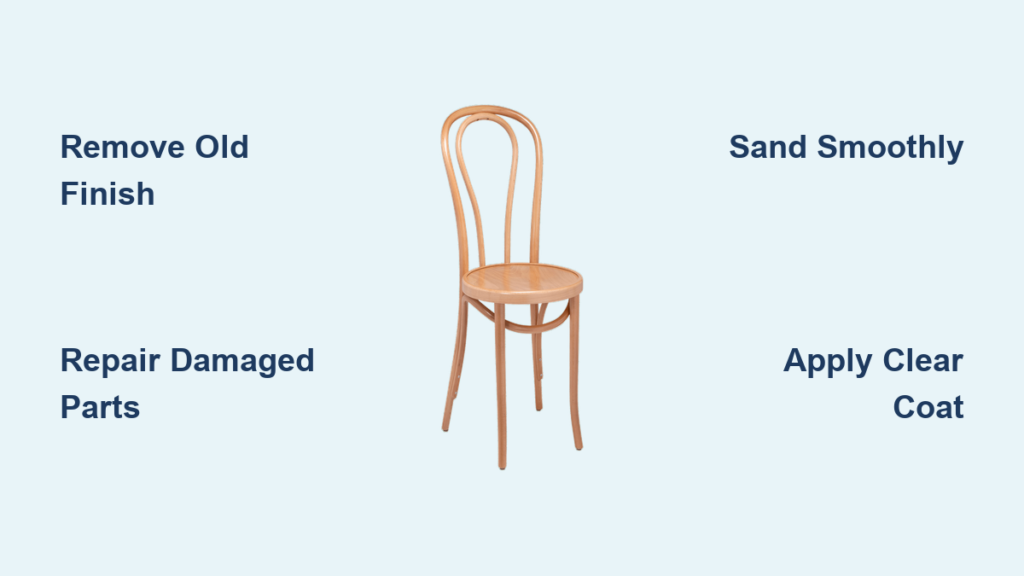
Refinishing bentwood chairs can be a rewarding DIY project, but it requires careful planning, patience, and attention to detail. Bentwood chairs, with their unique curved frames and intricate designs, can be challenging to refinish, but with the right techniques and materials, you can restore them to their former glory. In this comprehensive guide, we will walk you through the process of refinishing bentwood chairs, from preparation to completion.
Introduction to Bentwood Chairs
Bentwood chairs have been a popular choice for furniture makers and consumers alike for centuries. The process of bending wood to create curved frames and shapes has been refined over the years, resulting in beautiful and durable pieces of furniture. However, like any other piece of furniture, bentwood chairs can become worn and damaged over time, requiring refinishing to restore their original beauty.
Preparation is Key
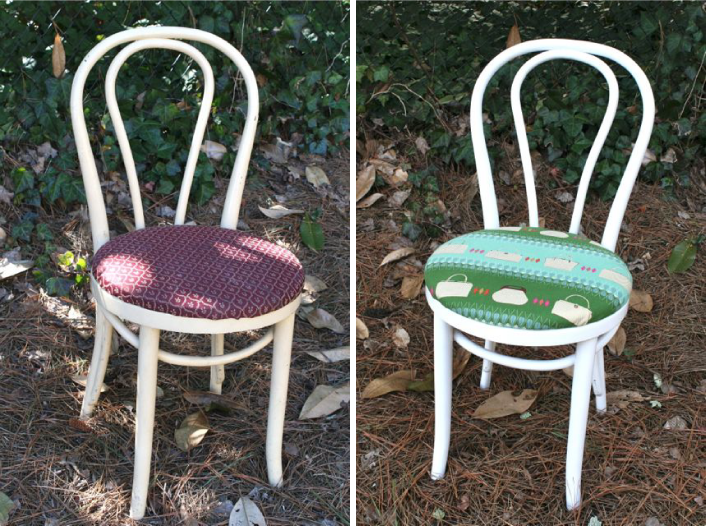
Before you start refinishing your bentwood chair, it’s essential to prepare the surface properly. This involves removing the old finish, cleaning the chair, and repairing any damaged or broken parts.
Removing the Old Finish
To remove the old finish, you’ll need to use a combination of chemical strippers and sanding. Start by applying a chemical stripper to the chair, following the manufacturer’s instructions. Let it sit for the recommended amount of time, then scrape off the old finish using a putty knife or a scraper. Be careful not to gouge the wood.
Cleaning the Chair
Once you’ve removed the old finish, clean the chair thoroughly with a mixture of soap and water. Use a soft-bristled brush to remove any dirt or debris from the crevices and curves of the chair. Rinse the chair with clean water and let it dry completely.
Repairing Damaged Parts
If your bentwood chair has any damaged or broken parts, now is the time to repair them. Use a wood glue to reattach any loose joints or broken pieces. If the damage is more extensive, you may need to replace the entire part.
Sanding and Smoothing
With the old finish removed and the chair cleaned and repaired, it’s time to start sanding and smoothing the surface. Start with a coarse-grit sandpaper (about 120-grit) and work your way up to a finer grit (220-grit or higher). Sand the entire chair, paying special attention to the curved areas and any intricate designs.
Tips for Sanding Bentwood Chairs
- Use a sanding block to help keep the sandpaper flat and prevent uneven sanding.
- Sand in the direction of the wood grain to avoid scratching the surface.
- Use a dust mask and safety glasses to protect yourself from dust and debris.
Staining and Finishing

Once the chair is sanded and smooth, you can start applying a new finish. You can choose from a variety of stains and finishes, depending on the look you want to achieve. Apply the stain according to the manufacturer’s instructions, then let it dry completely.
Choosing the Right Stain and Finish
- Consider the color and style of the chair when choosing a stain and finish.
- Choose a finish that is suitable for the type of wood used in the chair.
- Apply a test stain to a small, inconspicuous area of the chair to ensure the color and finish are what you want.
Applying a Clear Coat
After the stain is dry, apply a clear coat to protect the finish and give the chair a glossy sheen. You can choose from a variety of clear coats, including polyurethane, varnish, or wax.
Tips for Applying a Clear Coat
- Apply the clear coat in thin, even layers, allowing each layer to dry completely before applying the next.
- Use a clean, lint-free cloth to apply the clear coat and avoid streaks and bubbles.
- Apply a clear coat to a small, inconspicuous area of the chair to test the finish and make any necessary adjustments.
Conclusion
Refinishing bentwood chairs can be a challenging but rewarding DIY project. With the right techniques and materials, you can restore your bentwood chair to its former glory and enjoy it for years to come. Remember to take your time, be patient, and pay attention to detail to ensure a professional-looking finish.
Pro Tips
- Use a wood conditioner to enhance the color and grain of the wood.
- Apply a clear coat in a well-ventilated area to avoid fumes and dust.
- Consider using a water-based stain and finish to avoid strong fumes and drying time.
Professional Help
If you’re not comfortable refinishing your bentwood chair yourself, consider hiring a professional furniture refinisher. They will have the expertise and equipment to restore your chair to its former glory.
FAQ
Q: What type of stain and finish should I use on my bentwood chair?
A: The type of stain and finish you should use depends on the type of wood used in the chair and the look you want to achieve. Consider using a water-based stain and finish for a more environmentally friendly option.
Q: How do I remove old finish from intricate carvings and curves?
A: Use a small, flexible scraper or a putty knife to remove old finish from intricate carvings and curves. Be careful not to gouge the wood.
Q: Can I use a polyurethane finish on my bentwood chair?
A: Yes, you can use a polyurethane finish on your bentwood chair. However, make sure to choose a water-based polyurethane to avoid strong fumes and drying time.
Alternative Solutions
If you’re not interested in refinishing your bentwood chair yourself, consider the following alternative solutions:
- Hire a professional furniture refinisher to restore your chair.
- Use a furniture restoration kit to refinish your chair.
- Consider replacing your bentwood chair with a new one if it’s beyond repair.
By following these steps and tips, you can refinish your bentwood chair and enjoy it for years to come. Remember to take your time, be patient, and pay attention to detail to ensure a professional-looking finish.


